




























How Far Should You Sit From a TV? A Viewing Distance Chart

Start with the seat you use most often. Measure from your eyes in that position to the front of the screen. Then compare the distance with your television's diagonal size and the amount of your view you want the picture to occupy.
TV Viewing Distance Chart for 16:9 Screens
The chart compares two horizontal viewing angles. At about 40°, the picture occupies more of your view. At about 30°, you see it from farther away. These are planning positions you can test in your room.
| TV diagonal | 40° view | 30° view |
|---|---|---|
| 43 inches | 4.3 ft / 1.31 m | 5.8 ft / 1.78 m |
| 50 inches | 5.0 ft / 1.52 m | 6.8 ft / 2.07 m |
| 55 inches | 5.5 ft / 1.67 m | 7.5 ft / 2.27 m |
| 65 inches | 6.5 ft / 1.98 m | 8.8 ft / 2.69 m |
| 75 inches | 7.5 ft / 2.28 m | 10.2 ft / 3.10 m |
| 85 inches | 8.5 ft / 2.59 m | 11.5 ft / 3.51 m |
| 98 inches | 9.8 ft / 2.98 m | 13.3 ft / 4.05 m |
| 115 inches | 11.5 ft / 3.50 m | 15.6 ft / 4.75 m |
The values use a flat 16:9 screen. The calculation is screen width divided by twice the tangent of half the viewing angle. A 16:9 screen's width is about 0.872 times its diagonal. Distances are rounded for planning.
Samsung’s viewing-distance guidance uses approximately 40° and a simple diagonal-times-1.2 calculation. The 30° column here is a geometric comparison. Choose a starting point, then check a familiar programme, subtitles, and a film from your normal seated position.

Understand the Two Viewing-Angle Options
For a 65-inch television, the table gives about 6.5 feet at 40° and 8.8 feet at 30°. Moving between those positions changes how large the same screen appears. The nearer position can suit someone who enjoys a larger picture; the farther one gives a smaller picture within the room.
At a fixed distance of 8 feet, the same geometry points to roughly a 59-inch diagonal for 30° and an 80-inch diagonal for 40°. Available TV sizes near those values give you a practical comparison. Use the chart to choose candidates, then assess the actual room and viewing preference.
THX’s TV-size calculation works from the other direction: multiply viewing distance in inches by 0.835 for a screen diagonal. At 8 feet, that gives about 80 inches.
How 4K and HD Guidance Differ
Resolution concerns image detail; viewing angle concerns how much of your view the screen fills. Sony’s minimum viewing-distance guidance for 4K uses 1.5 times the screen's vertical height. Its HD guidance uses 3 times the vertical height. Keep vertical height separate from the diagonal printed in the TV name.
For a 65-inch 16:9 screen, the height is approximately 31.9 inches. Multiplying that height by 1.5 gives about 47.8 inches, or 4.0 feet. That result uses Sony's 4K minimum-distance method. The 6.5-to-8.8-foot positions in the table answer the separate viewing-angle question.
Source material can also vary. Compare the programmes and games you normally use, including lower-resolution broadcasts. Move the seat in small steps and check the picture from your normal posture.

Measure From Your Eyes to the Screen
- Sit where you normally watch, with the sofa's back cushions in place.
- Measure from your eye position to the screen surface. A screen wall or the sofa's front edge gives a different measurement.
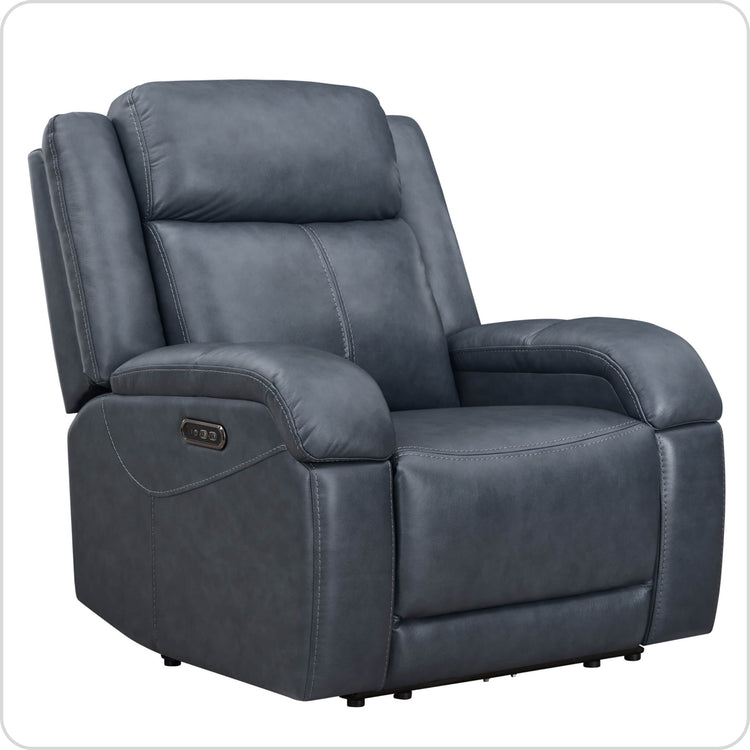
- If the chair reclines, measure again in your usual reclined position.
- Check the screen from side seats as well as the center seat.
- Check glare, subtitles, and whether the screen height makes you tilt your head.
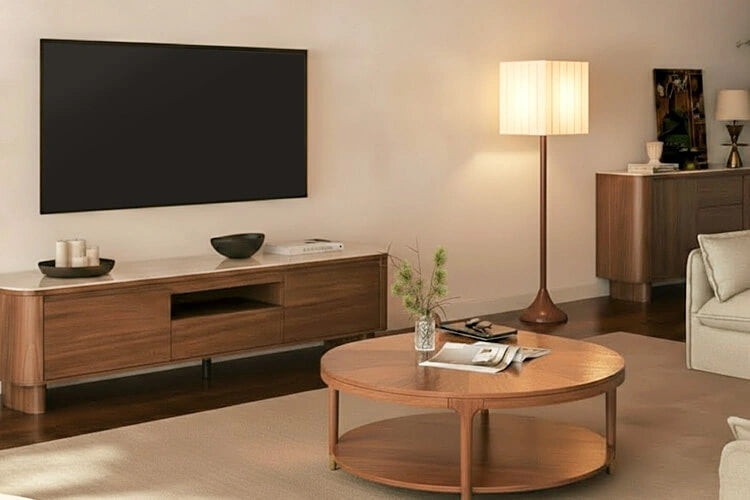
The television stand affects height and placement. Compare its size with the TV's support feet and installation instructions. Our TV stand size guide covers the furniture measurements. Check the cable route and cabinet access as part of the final arrangement.

Use our TV stands collection to compare cabinet widths and storage layouts after checking the television’s support-foot spacing. Include space to open cabinet doors and reach connections.
Adjust a Fixed Sofa and Side Seats
If the sofa must remain far from the screen and the picture feels too small, compare a larger television or a closer viewing position. If the picture occupies more of your view than you enjoy, compare a smaller screen or a position farther back.
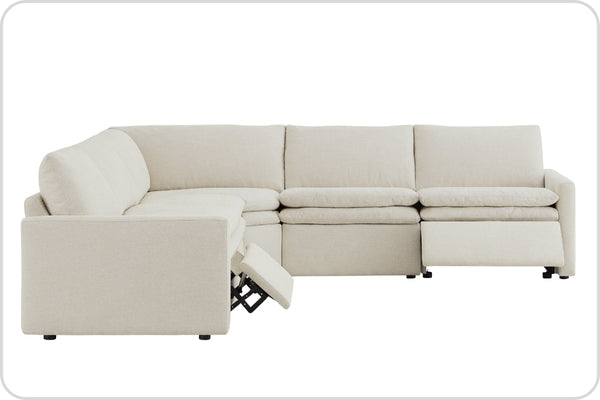
Keep the room usable around that viewing position. A chaise, side table, or recliner footrest may project into a route once everyone sits down. Our small-room sectional guide explains how to mark a sofa's full footprint.
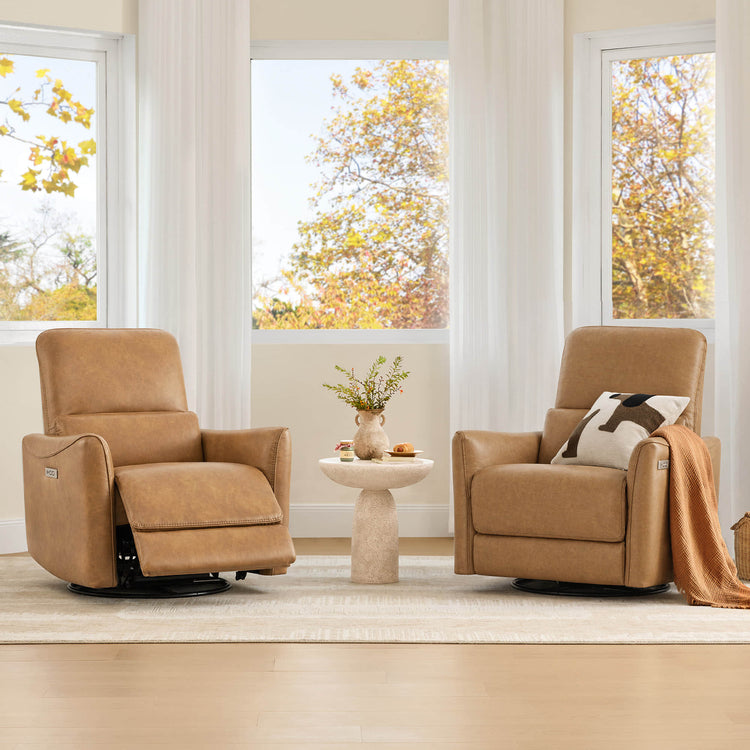
For side seats, test the actual television from those angles. Check whether colors, contrast, and glare change. A swivel chair can make it easier to face the screen directly if there is room for its movement.
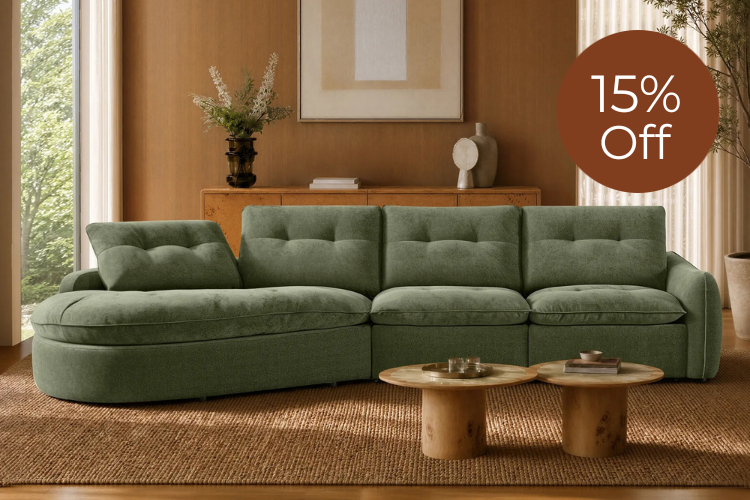
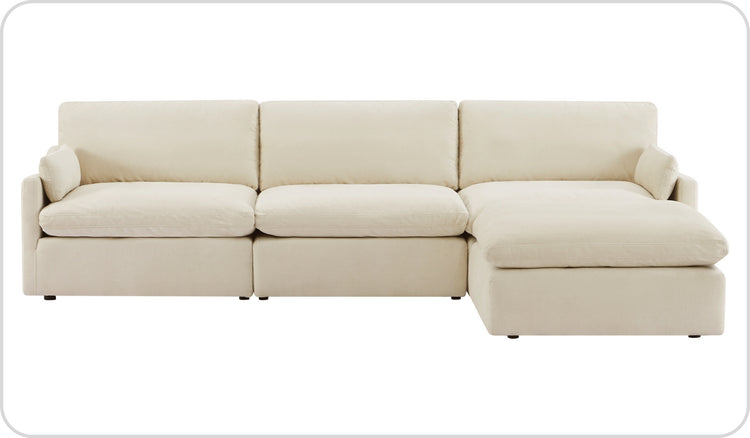
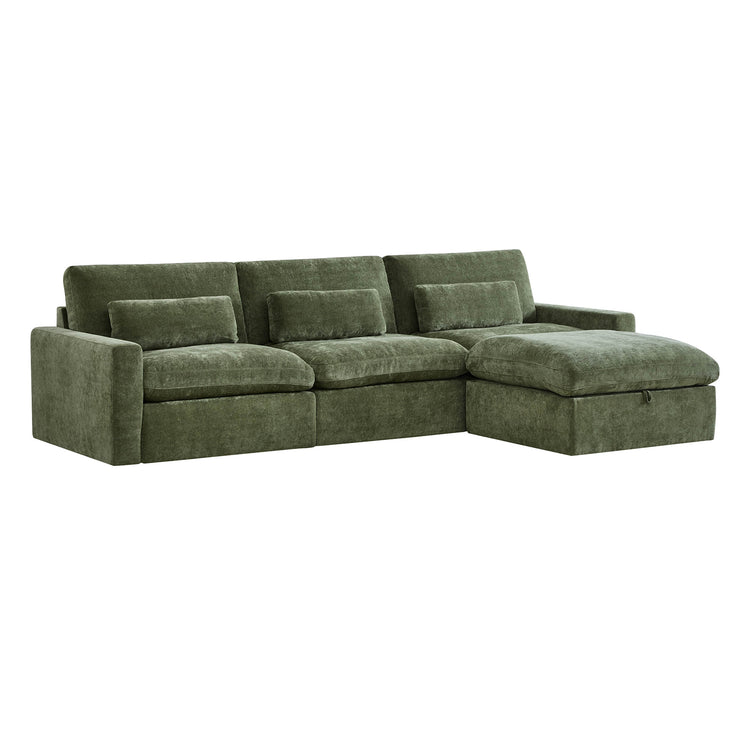
For a straight seating example, our Kenna 2 Seat Modular Sofa has a listed 27.6-inch seat depth. Use our seat-depth measurement guide to identify the cushion position, then measure viewing distance from your seated eyes.
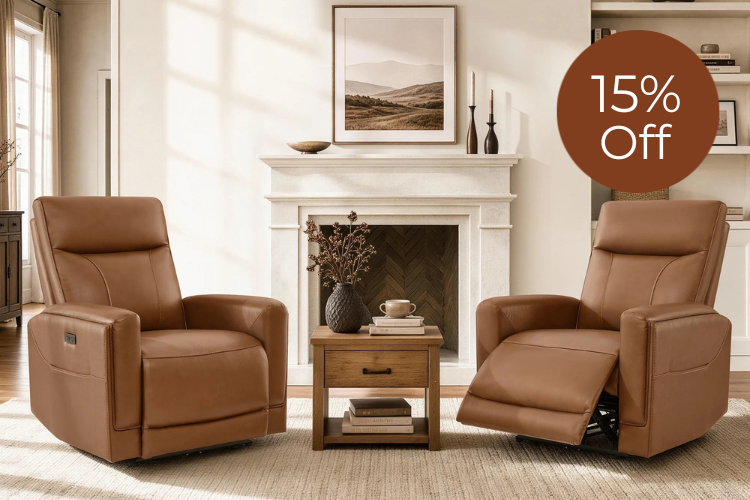
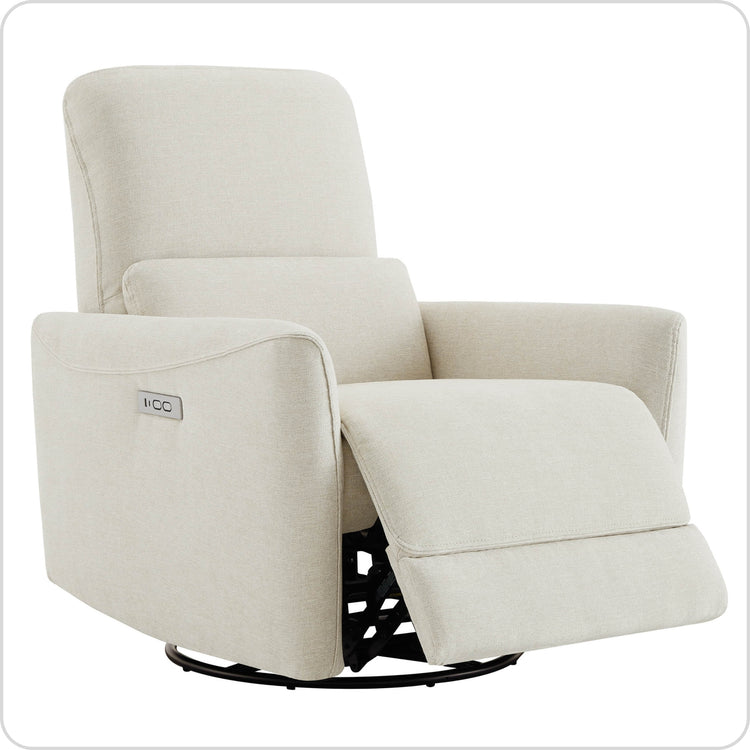
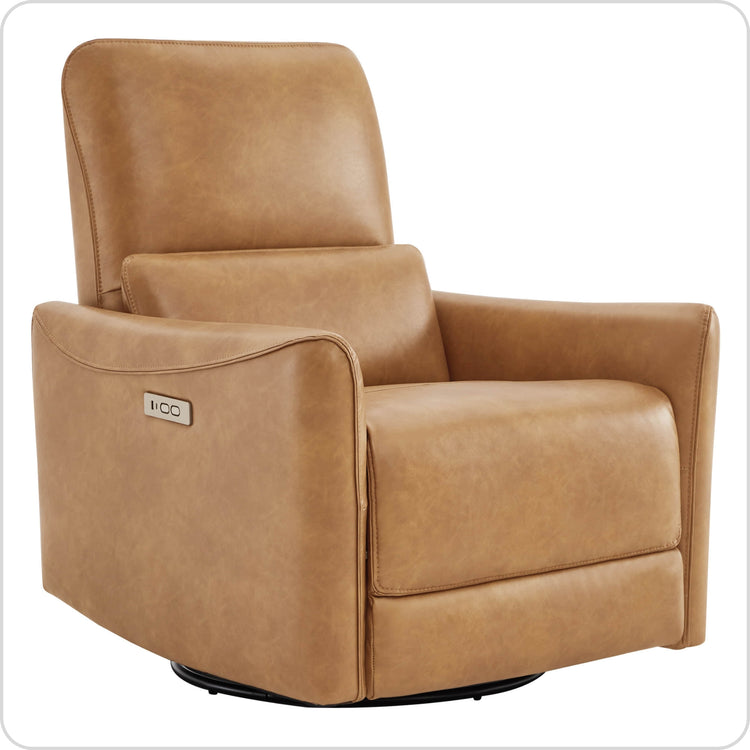
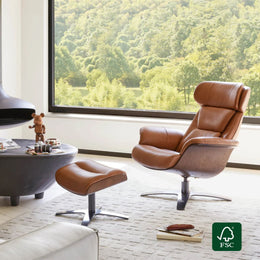
For a moving seat such as our Tracee Power Swivel Recliner, repeat the eye-to-screen measurement in your usual reclined position. Our recliner wall-clearance and footprint guide explains the floor measurements to check around that position.
FAQs
How far should I sit from a 55-inch TV?
About 5.5 to 7.5 feet gives a 40° to 30° horizontal viewing angle for a 16:9 screen. Start within that range and compare your usual programmes from a relaxed seated position.
How far should a couch be from a 65-inch TV?
For a 65-inch TV, start about 6.5 to 8.8 feet from the screen. Measure from your eyes while sitting comfortably on the sofa, then adjust slightly for a relaxed view of the whole picture.
What changes for a 115-inch television?
For a 115-inch 16:9 TV, start with your seated eye position about 11.5 to 15.6 feet from the screen. Plan the sofa and side seats around that viewing area, and include the TV’s required mounting clearances in your room layout.
Should I use a different distance for gaming?
Not necessarily. Start with a distance that lets you read game menus and see the whole screen comfortably. Try a game you know well: move a little closer if text is hard to read, or farther back if following the action makes you turn your head often.
Does 4K mean I should sit at the minimum distance?
No. You can enjoy a 4K picture from a comfortable distance that suits your screen size. Sit where you can take in the full picture with your head relaxed, then try a few familiar shows or movies and adjust to your preference.
Recommended Products


More to Read
 7 Sofa Trends That Actually Improve Comfort in 2026
Upgrade your living room with furniture that supports your body. Here are 7 modern sofa features designed to maximize your daily comfort...
7 Sofa Trends That Actually Improve Comfort in 2026
Upgrade your living room with furniture that supports your body. Here are 7 modern sofa features designed to maximize your daily comfort...
 Mother's Day Gift Guide: Cozy and Stylish Furniture Picks for Modern Moms
Make Mother's Day more meaningful with furniture gifts that bring comfort, smart features, storage, and quiet luxury into her everyday routine.
Mother's Day Gift Guide: Cozy and Stylish Furniture Picks for Modern Moms
Make Mother's Day more meaningful with furniture gifts that bring comfort, smart features, storage, and quiet luxury into her everyday routine.
 Performance Fabric Reality Check: Does It Really Repel Pet Hair and Stains?
Performance fabric is often marketed as a miracle solution for homes with pets and kids, but the reality is more nuanced. It...
Performance Fabric Reality Check: Does It Really Repel Pet Hair and Stains?
Performance fabric is often marketed as a miracle solution for homes with pets and kids, but the reality is more nuanced. It...