

























How to Choose bedroom furniture for guest rooms

Start with the room’s purpose, not a matching set. For occasional visitors, prioritize a comfortable sleep setup, a reachable bedside surface, and clear walking paths. Frequent guests justify giving more weight to accessible clothing storage and easy-care materials. In a multipurpose guest room, reserve the office, hobby area, or other daytime zone before adding optional bedroom furniture. This use-first approach helps you choose bedroom furniture that welcomes guests without making the room harder to use.

Choose the Guest Room’s Primary Purpose Before Buying Bedroom Furniture
Classify the room as occasional-use, frequent-use, or a flex room, then set your buying priorities around that purpose. Sleep, bedside access, and movement come first; storage, seating, and decorative pieces earn their place only when they solve a defined need.
An occasional guest room usually needs the smallest practical mix: a bed or other sleep surface, a place to set a phone or glass of water, and enough open floor space to approach and use the bed comfortably. Don’t fill an infrequently used room with storage or seating simply because a coordinated set is available.

A frequent-guest room may warrant accessible clothing storage, more bedside convenience, and materials with care instructions suited to repeated use. A flex room needs a different test: mark the daytime activity zone first, then add only the guest-room pieces that fit without blocking that function. Treat this as a planning rule, not a universal furniture package or budget allocation.
Measure the Room and Circulation to Identify What Will Fit
A piece passes the fit check only when its complete exterior footprint, operating movement, circulation, fixed obstacles, and delivery path work together. Mattress dimensions alone can’t show whether a bed or storage piece will enter, fit, and operate in the room.
Record the following before you browse. Leave the measurement cells blank until you measure your own room and check the exact product listing.
| Room constraint | Measurement to record | Buying decision |
|---|---|---|
| Room and fixed features | Room length and width; doors, windows, outlets, HVAC fixtures, and closet locations | Reject layouts that block required access or conflict with fixed features. |
| Bed footprint | Candidate bed’s full exterior width and length, including headboard and footboard projections | Compare the complete product footprint with the measured floor plan, not just the mattress size. |
| Walking routes | Entry route, approach to the bed, and paths between furniture | Keep a usable route through the room; don’t rely on a generic clearance number. |
| Opening movement | Door and closet swings; drawers, lift panels, and other storage movement | Reject a piece when an opening can’t operate fully in the actual arrangement. |
| Seating movement | Chair or bench footprint plus the space needed to pull it out and use it | Add seating only if it can serve its purpose without taking over the circulation route. |
| Delivery access | Building entry, doorways, hallways, stairs, turns, and the room entrance | Confirm that the packaged or assembled piece can reach the room before ordering. |
Painter’s tape or a paper floor plan can make the test easier. Mark the candidate’s exterior footprint, then show door, drawer, lift-panel, and seating movement. For more ways to spot guest-room layout mistakes, use the same measured-plan approach rather than copying a staged room.
A space-saving storage bed may help when storage is necessary, but the collection itself isn’t evidence that a particular piece fits. Measure the exact model and its opening path.
Select the Essential Guest-Room Pieces Before Optional Furniture
Build the core mix around a sleep surface, a bedside landing area, and open usable floor space. Add another category only when it serves the guest’s stay or the room’s secondary use and still passes the measured layout test.
Start with the bed or sleep surface and a stable place for belongings within reach. Add a dresser or other accessible clothing storage when guests will unpack, when visits are longer, or when the room’s daytime function needs organized storage. In an occasional-use room, a smaller storage solution may be more useful than a large dresser that sits unused and reduces flexibility.
Seating, a bench, a mirror, or a second bedside surface is optional. Add one when it has a specific job, such as dressing, reading, or supporting the room’s daytime use. Skip duplicate storage, oversized accents, and a full matching set when they consume space needed for access. If you’re replacing only a few pieces, fix the room’s biggest practical problem first instead of buying every category at once.
Prioritize the Comfort Details Guests Use Every Day
Practical access usually improves a guest room more than decorative scale. Check the approach to the bed, a reachable landing spot for a phone, water, glasses, and personal items, along with lighting, temperature control, and a place for belongings.
Treat these as separate needs. A room can look finished yet leave guests without a convenient surface or an easy way to reach their items. Solve those friction points before adding a larger accent piece. More furniture doesn’t automatically create more comfort.
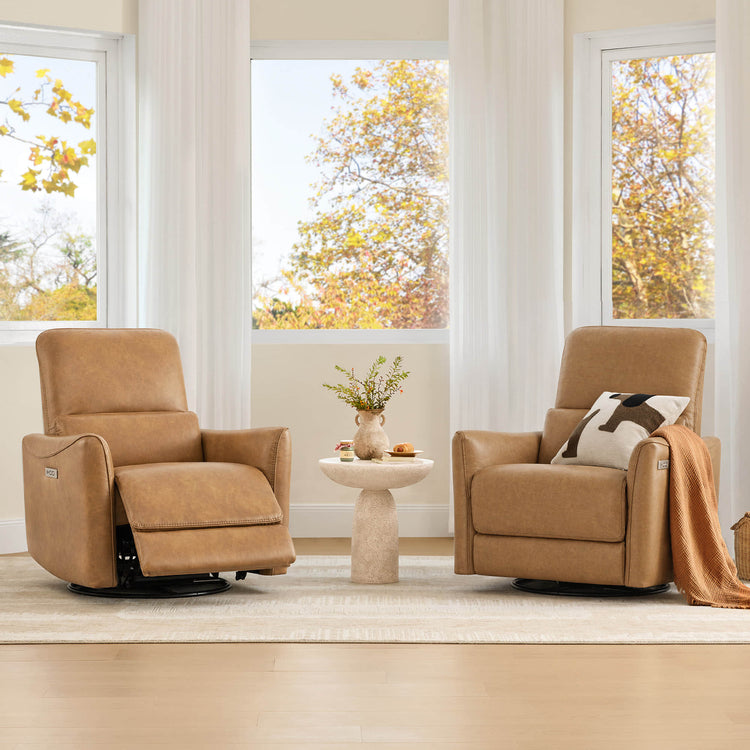
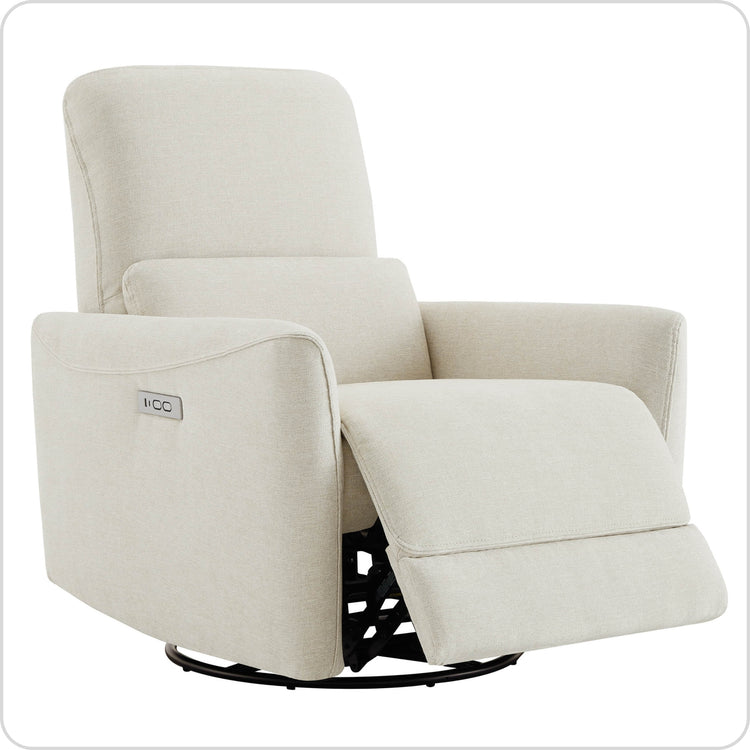
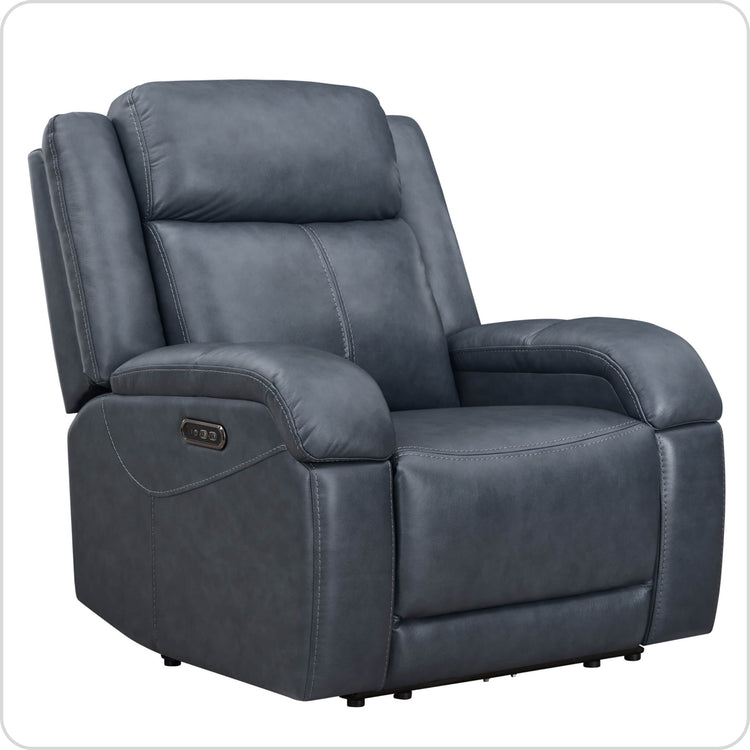
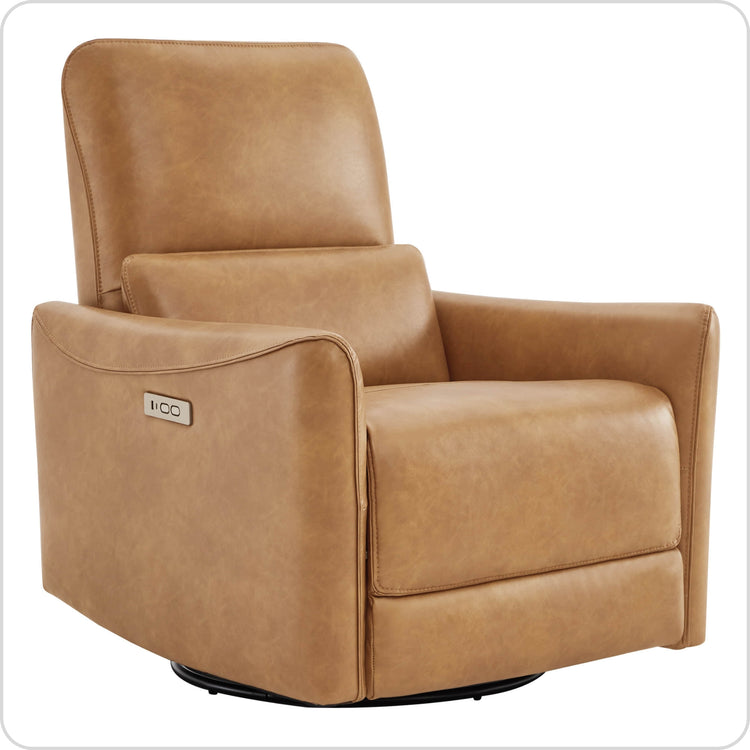
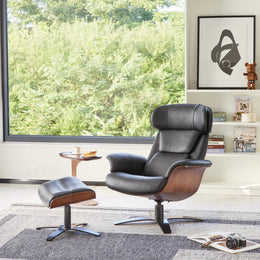
Add seating only when it supports dressing, reading, or a real daytime activity and remains compatible with the measured plan. If the room needs a compact seat, compare its actual footprint and movement requirements; a compact bedroom recliner is a follow-up option, not an automatic guest-room requirement.
Compare Materials, Upkeep, and Finishes for the Room’s Workload
Compare exact product-page information rather than using a broad finish name as a shortcut for durability or easy cleaning. Match the care routine to guest frequency, children, pets, luggage, and likely spills. Then review the upholstery, frame, hardware, slats, mechanisms, dimensions, included components, compliance information, warranty, and retailer terms.
If regulated composite wood is used, look for product or packaging information identifying TSCA Title VI compliance. The TSCA Title VI compliance information for regulated composite wood supports that narrow compliance check—not a conclusion about overall furniture quality, cleanability, or lifespan.
The following CHITA listings illustrate how to compare model-specific fields, not which product is best. The Serene bed and ottoman listing describes a queen bed with stain-resistant upholstery and a lift-up ottoman for hidden storage. Its listed care information identifies 100% polyester upholstery and spot cleaning with a water-based shampoo or foam upholstery cleaner. Treat those as details for that listing, and confirm the current page before ordering.
The Myron upholstered platform bed provides model-specific fields including upholstery, frame materials, mattress space, slat count, and listed certifications. Those claims apply to that model only. Don’t turn a water-resistant description into “waterproof,” or a listed certification into a guarantee of lifespan or room fit.
The Jeffrey storage platform bed provides model-specific dimensions, storage details, lift-mechanism information, and a stated capacity. Use those fields to compare the operating path and intended use against your measured plan, not as independent testing or proof that the bed suits every guest room.
For any model, read the care instructions before purchase. Review care, construction, dimensions, included components, warranty, and operating-space requirements separately from any compliance label, material description, or finish name. None of those individual fields establishes overall quality, lifespan, or suitability for every room.
Verify Product and Retailer Details Before Checkout
Use this final gate after the room plan and furniture mix are settled. Add the piece to your cart only when it still serves the room’s primary or secondary purpose and no required fit, access, or retailer-term detail remains unclear.
- Write down the room’s primary purpose and any protected secondary use, such as an office or hobby area.
- Recheck the exact product’s full dimensions, circulation route, delivery path, and every opening or operating movement.
- Confirm the current listing’s materials, care instructions, construction details, included components, and any model-specific compliance or certification information.
- Review current shipping, delivery access, returns, warranty, price, and availability terms on the exact product page. These details can change, so don’t assume they apply across models.
- Put the item in your cart only if it solves a defined need without creating a new access problem. If a required field is missing or unclear, contact the retailer before ordering rather than guessing.
Frequently Asked Questions
These questions address common choice points after you’ve measured the room and defined its guest function.
Is a Queen Bed the Best Choice for a Guest Room?
A queen can work when its complete exterior footprint, access path, circulation, and other furniture fit the measured room. Compare the exact listed width and length, including headboard or footboard projections, before treating mattress size as the deciding factor.
What Furniture Should I Skip in a Small Guest Room?
Skip duplicate storage, oversized seating, and decorative pieces that block circulation or compete with the room’s secondary use. Keep the smallest practical pieces that solve a defined guest need, then test them against the measured plan before ordering.
Are Storage Beds Practical for Guest Rooms?
They’re practical when hidden storage solves a defined need and the lift or drawer path works in the layout. Compare the exact dimensions, operating space, care instructions, mechanism details, and included components before choosing one.
How Do I Choose Guest-Room Furniture That Is Easy to Maintain?
Compare the exact surface or upholstery care instructions with the room’s likely traffic and spills, then review construction and warranty language. Don’t infer durability or lifespan from a finish name alone; use the current product page for model-specific details.
Recommended Products


More to Read
 7 Sofa Trends That Actually Improve Comfort in 2026
Upgrade your living room with furniture that supports your body. Here are 7 modern sofa features designed to maximize your daily comfort...
7 Sofa Trends That Actually Improve Comfort in 2026
Upgrade your living room with furniture that supports your body. Here are 7 modern sofa features designed to maximize your daily comfort...
 Mother's Day Gift Guide: Cozy and Stylish Furniture Picks for Modern Moms
Make Mother's Day more meaningful with furniture gifts that bring comfort, smart features, storage, and quiet luxury into her everyday routine.
Mother's Day Gift Guide: Cozy and Stylish Furniture Picks for Modern Moms
Make Mother's Day more meaningful with furniture gifts that bring comfort, smart features, storage, and quiet luxury into her everyday routine.
 Performance Fabric Reality Check: Does It Really Repel Pet Hair and Stains?
Performance fabric is often marketed as a miracle solution for homes with pets and kids, but the reality is more nuanced. It...
Performance Fabric Reality Check: Does It Really Repel Pet Hair and Stains?
Performance fabric is often marketed as a miracle solution for homes with pets and kids, but the reality is more nuanced. It...