


























How to Choose recliners for bedroom corners

If you are figuring out how to choose recliners for bedroom corners, start with fit, not style. A chair that looks great in a showroom can still crowd a bedroom if it blocks the bed path, the closet, or a lamp. In most tight corners, a wall-hugger is the safer starting point, while a standard recliner only makes sense when the room has real buffer space.

Why Bedroom Corners Need Different Recliner Criteria
Bedroom corners are more circulation-sensitive than open living room layouts. The seat has to share space with doors, closets, windows, nightstands, and the route you already use every day. That is why the best recliner for a small bedroom corner is usually the one that disappears into the layout instead of competing with it.
A bedroom recliner should also feel intentional. If it looks like a leftover chair squeezed into a gap, the room can feel crowded even when the measurements technically work. A cleaner corner setup usually comes from matching scale to the room first, then choosing comfort features that support reading, winding down, or quiet phone time.
If you want a starting point for browsing styles, the broader recliners selection can help you compare shapes before you narrow to a corner fit. For a more design-focused perspective on hiding mechanisms in modern rooms, hidden power recliners is a useful follow-up read.
Measure the Corner Before You Shop
The first measurement is not the chair, it is the corner. Measure the wall span, the depth available beside the bed or dresser, and the path from the doorway to the corner. Then check what the recliner would touch when it opens, not just how it looks upright.
A standard recliner typically needs a buffer of 12 to 18 inches between the back of the chair and the wall to recline fully. By contrast, wall-hugger recliners can require as little as 4 to 6 inches of clearance because the mechanism slides forward as it reclines, according to this room-fit guide. That difference is often what decides whether the chair is a fit at all.
Use this quick check before you buy:
- Measure the upright footprint.
- Measure the rear clearance the mechanism needs.
- Check door swings, closet doors, window treatments, and lamp placement.
- Leave space for a small walking path, not just the chair itself.
- If the chair needs to swivel or glide, confirm the turning arc stays clear.
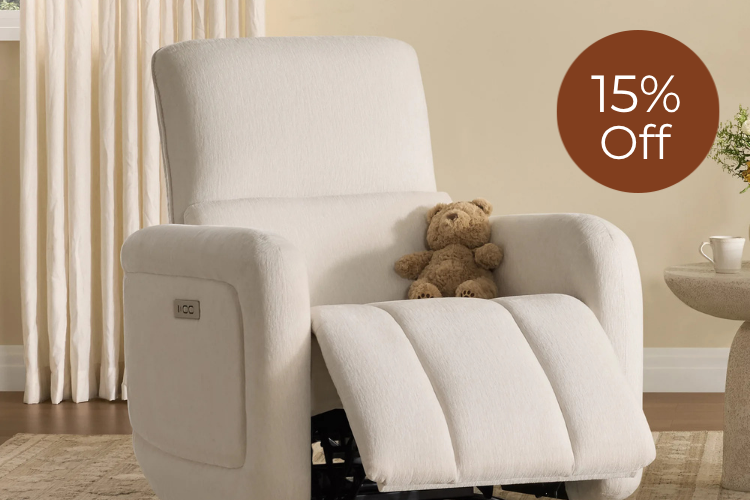
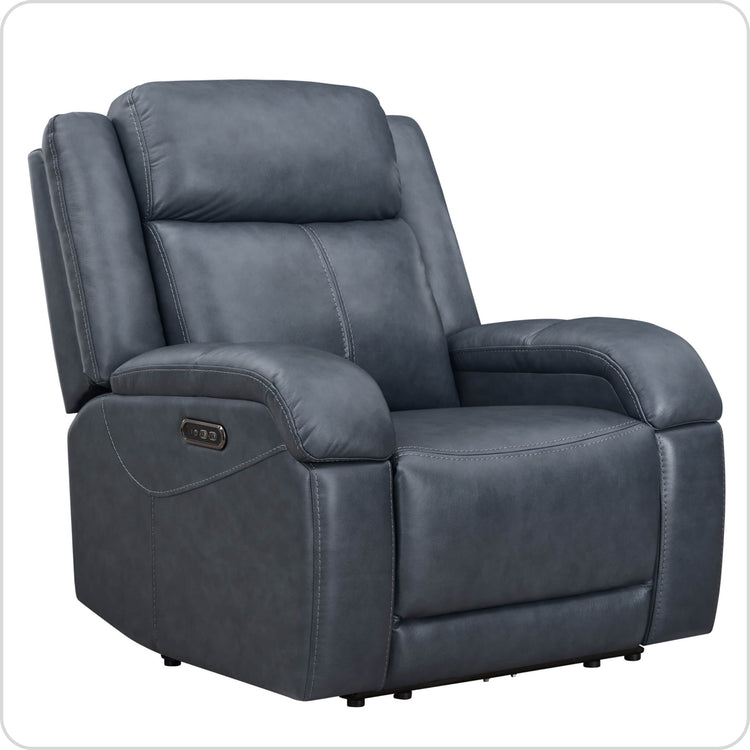
For a low-clearance path, the Hadley wall-hugger recliner is a useful navigation point because it matches the tight-corner logic this section is built around. If you are unsure about your room, the decision sentence is simple: if the corner has to preserve circulation, choose a wall-hugger first; if the room has generous buffer space, a standard recliner becomes possible.

| Option | Typical Wall Clearance | Best Fit In A Bedroom Corner | Motion Fit | Watch-Out |
|---|---|---|---|---|
| Wall-hugger recliner | 4–6 inches | Tight corners and smaller rooms | Good if the turning path stays open | Still needs room for full recline motion |
| Standard recliner | 12–18 inches | Bedrooms with generous buffer space | Usually the least forgiving in a corner | More likely to conflict with doors, closets, or walkways |
| Swivel or swivel-glider recliner | Varies by model | Reading nooks that face more than one direction | Useful when the arc is unobstructed | Needs extra turning room around the base |
The practical takeaway is that the chair can fit upright and still fail once it moves. If a recliner will be close to a closet door, a lamp, or the bed edge, treat that as a warning sign, not a detail to work around later.
Choose the Recliner Type That Fits Your Layout
For most bedroom corners, wall-hugger is the default because it protects clearance. Standard recliners make sense only when the room has enough slack that the recline motion will not interfere with daily use. Swivel and swivel-glider designs sit in the middle: they can make a nook easier to use, but only when the room leaves room to turn.
Here is the simplest way to decide:
- Wall-hugger recliner: Best when the corner is tight and you need the chair to stay close to the wall.
- Standard recliner: Better when the room has extra depth and the chair will not block a main route.
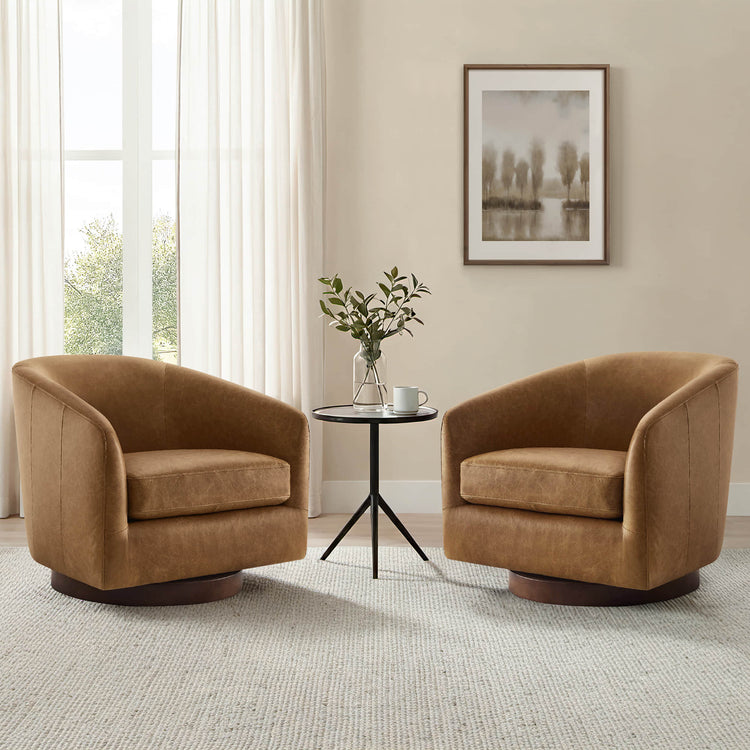
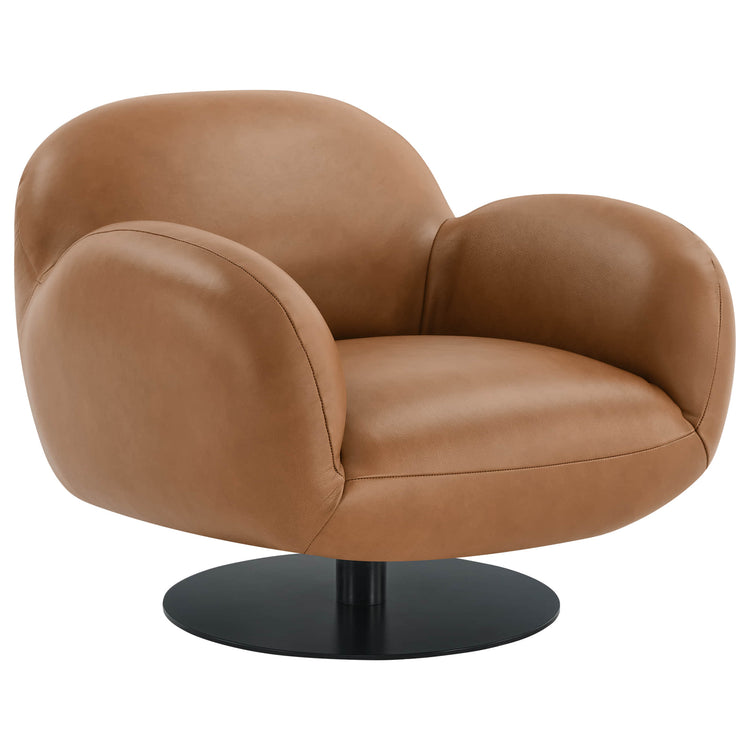
- Swivel recliner: Useful when the nook may face a window, lamp, or another part of the room.
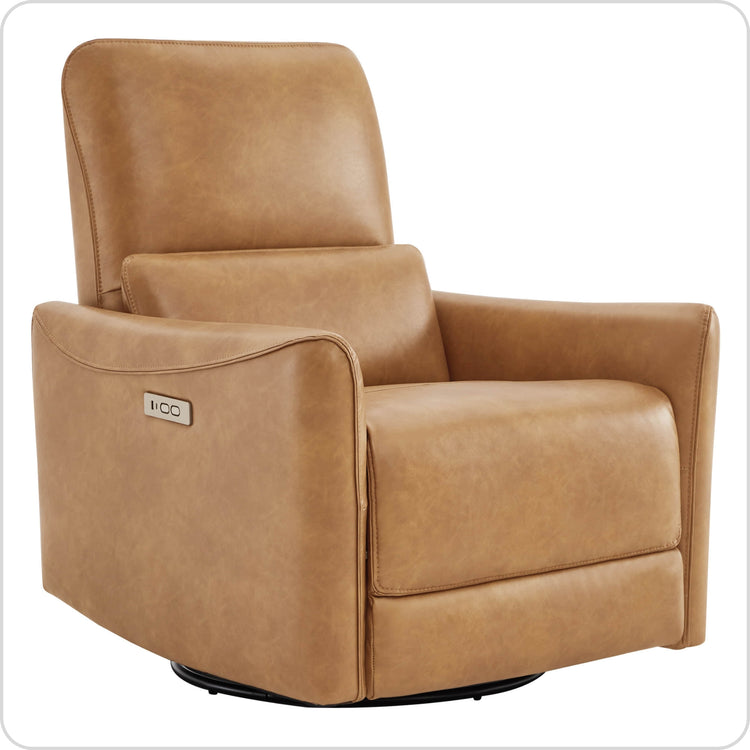
- Swivel-glider recliner: Helpful if you want motion and a softer feel, but only if the floor plan can absorb that movement.
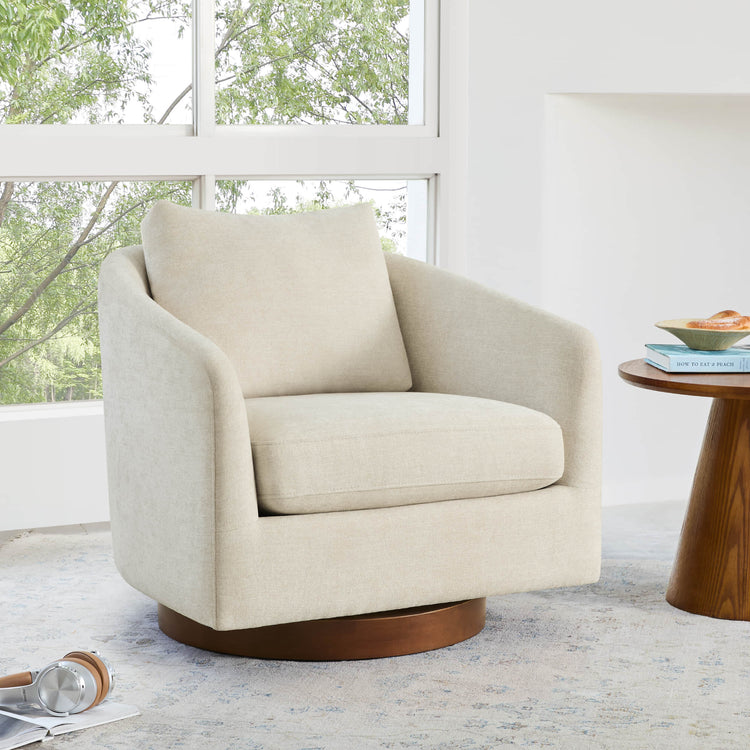
That is why a category like swivel recliners is worth browsing only after you know the turning arc will work. A model such as the Myles swivel glider recliner can be a better fit for a flexible reading nook than for a narrow corner with no side clearance.
The rule of thumb is straightforward: if you want the room to feel open, favor less motion and less bulk; if you want the chair to turn toward light or different activities, add swivel only when the layout can support it. For a broader motion-use follow-up, swivel recliner use case can help you think through motion, but it is not the safest first choice in a very tight corner.
Match Comfort Features to How You Will Use It
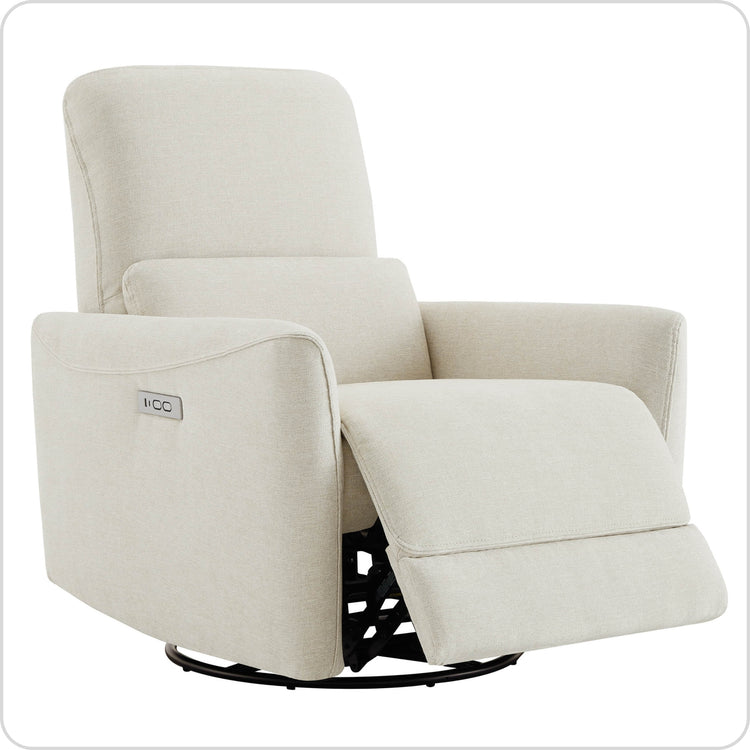
Once the footprint is realistic, choose features that match the way you will actually sit. In a bedroom nook, power recline is usually the most useful comfort upgrade because it makes adjustment easier when the chair is tucked into a corner. The other features should earn their place, not just fill a spec list.
A good feature stack usually looks like this:
- Power recline for easy adjustment in a tucked spot.
- Charging ports if the nook doubles as a reading or phone-charging zone.
- Swivel or glider motion only if you truly need the chair to face more than one direction.
- Power lumbar and headrest if the specific model fits your posture and the room still feels uncluttered.
The Vinca swivel-glider recliner is a model-specific example of a feature-rich chair, but it should be treated as a fit check, not a universal template. For comfort details, Consumer Reports notes that buyers should think about how the chair will be used, how much room it takes when fully reclined, and whether the footprint still leaves space to move around. If you are building a reading spot around the bed or a lamp, convenience details like USB-C or other charging support can be helpful, but they should never be the reason a chair overfills the corner.
The biggest mistake here is feature inflation. A chair can gain bulk, complexity, and visual weight without becoming better for a bedroom. If the nook is mainly for reading and winding down, keep the controls easy to reach, choose one or two meaningful comfort features, and stop there.
Make the Chair Feel Intentional in the Room
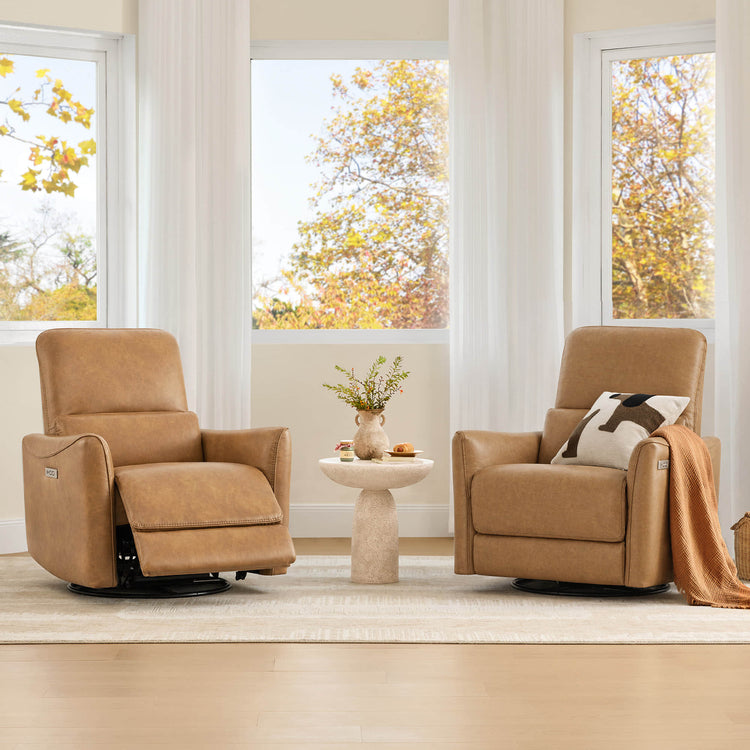
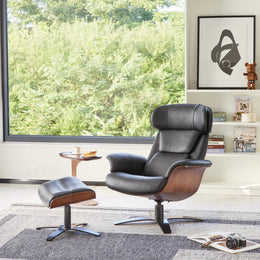
A bedroom recliner works best when it looks like part of the room, not a last-minute add-on. That usually means repeating one or two cues from the bed, nightstand, or lamp so the corner reads as a small seating zone instead of random leftover space.
A few simple styling moves can help:
- Add a side table so books, glasses, or a drink have a home.
- Use a lamp with a shape or finish that echoes the rest of the bedroom.
- Keep the color palette close to the room's main tones.
- Avoid oversized profiles that visually overpower the bed or dresser.
- Use a throw or pillow only if it adds softness without clutter.
That is also why a general recliners browse page can be useful after the fit decision is made. If your bedroom leans warm and modern, the chair should support that mood rather than fight it. For a broader design angle on keeping power seating visually clean, stealth comfort ideas can offer extra styling context.
In practice, the room feels better when the chair and accessories look planned together. If the corner still feels heavy after you add the recliner, simplify the nearby pieces before you decide the chair is the problem.
Set Up the Corner and Recheck the Fit
Before you call the setup finished, place the chair in its final position and test the room the way you actually use it. Open the closet, walk past the bed, and check whether the recliner still feels easy to live with when it is fully in place.
A quick final pass should include:
- Confirm that the door swing and closet access remain clear.
- Sit in the chair and test the recline or swivel motion.
- Recheck cord routing and outlet access.
- Add the lamp, rug, or side table only after the chair is settled.
- Step back and see whether the corner still looks intentional.
If you want to browse a compact-motion option after this check, zero-gravity recliners are another category worth comparing, but only if the footprint and motion path still work for your room. A final placement check is the easiest way to avoid a return or an awkward layout.
Related Resources
FAQs
How Much Space Do You Need for a Recliner in a Bedroom Corner?
You need more than the upright footprint. Measure the chair's full recline or swivel path, then check how much room is left for doors, closets, and walking space. A tight corner usually favors a wall-hugger, while a standard recliner needs more buffer to stay practical.
What Recliner Style Works Best in a Small Bedroom?
A wall-hugger is usually the safest first choice because it preserves clearance in tighter layouts. A swivel or swivel-glider can also work if the turning arc stays open. Standard recliners are better reserved for bedrooms with extra depth and a less crowded traffic path.
Can a Swivel Recliner Work in a Bedroom Reading Nook?
Yes, if the layout gives it room to turn without clipping nearby furniture. Swivel works best when the nook faces more than one direction, such as a lamp, window, or bed. In a narrow corner, the turning arc matters as much as the seat itself.
How Do You Keep a Recliner From Making a Bedroom Feel Crowded?
Choose a size that matches the room, keep the walking path open, and use only a few supporting pieces such as a side table and lamp. The chair should feel like part of the room's plan. If it overwhelms the corner, the scale is off even if the measurements barely fit.
What Features Matter Most in a Bedroom Recliner?
Power recline is usually the most useful starting point. After that, add only the features that match how you will use the nook, such as charging, swivel motion, or supportive head and lumbar settings. If the extra features make the chair bulkier without improving daily use, skip them.
Final Takeaway
For how to choose recliners for bedroom corners, the safest path is simple: measure the motion path first, choose a wall-hugger if space is tight, and add swivel or extra comfort only when the room can handle it. The best chair is the one that fits the corner, supports your routine, and still makes the bedroom feel calm and intentional. If you are still undecided, compare a wall-hugger and a swivel option side by side before you buy.
Recommended Products

More to Read
 7 Sofa Trends That Actually Improve Comfort in 2026
Upgrade your living room with furniture that supports your body. Here are 7 modern sofa features designed to maximize your daily comfort...
7 Sofa Trends That Actually Improve Comfort in 2026
Upgrade your living room with furniture that supports your body. Here are 7 modern sofa features designed to maximize your daily comfort...
 Mother's Day Gift Guide: Cozy and Stylish Furniture Picks for Modern Moms
Make Mother's Day more meaningful with furniture gifts that bring comfort, smart features, storage, and quiet luxury into her everyday routine.
Mother's Day Gift Guide: Cozy and Stylish Furniture Picks for Modern Moms
Make Mother's Day more meaningful with furniture gifts that bring comfort, smart features, storage, and quiet luxury into her everyday routine.
 Performance Fabric Reality Check: Does It Really Repel Pet Hair and Stains?
Performance fabric is often marketed as a miracle solution for homes with pets and kids, but the reality is more nuanced. It...
Performance Fabric Reality Check: Does It Really Repel Pet Hair and Stains?
Performance fabric is often marketed as a miracle solution for homes with pets and kids, but the reality is more nuanced. It...