






















Can an Accent Chair Work as an Office Chair? Pros, Cons, and Smart Alternatives


For anyone designing a home workspace, the standard corporate office chair presents a glaring design problem. It looks sterile, cold, and completely out of place in a cozy home environment. To preserve style cohesion, many people wonder if they can simply use a stylish accent chair as their primary desk seating. While an upholstered chair instantly warms up a room, using any random seat for an eight-hour workday can easily lead to physical strain. In this guide, we break down the physics of home office seating, the critical measurements you need, and how to find a supportive accent chair that satisfies both your aesthetic goals and your lower back.
The Home Office Design Dilemma: Aesthetics vs. Ergonomics
The rise of remote work has forced us to merge professional utility with personal sanctuary. Community forums like Reddit are filled with debates from remote professionals who are desperate to escape corporate-looking mesh chairs but fear the ergonomic consequences of switching to standard home furniture. A typical living room lounge chair is designed for relaxation—meaning it encourages you to recline, sink in, and let your core muscles relax. In contrast, desk work requires active posture, upright alignment, and a structural baseline that supports task-oriented movement. Balancing these two opposing forces is the key to creating a beautiful home office that does not compromise your well-being.
- Traditional office chairs clash with curated home aesthetics.
- Lounge seating encourages a reclined posture unsuitable for long typing sessions.
- A hybrid approach is required to merge cozy textures with proper physical support.

The Pros of Using an Accent Chair for Desk Work
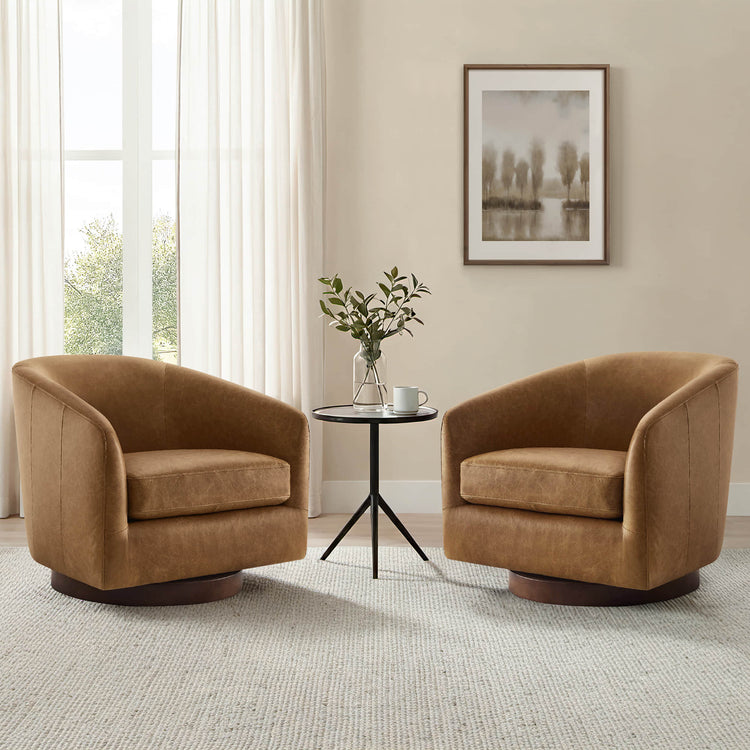
There are excellent reasons to consider a stylish occasional chair over a plastic task chair. First, design cohesion is unmatched. Standard office chairs immediately disrupt the flow of a modern bedroom or living room corner. By learning about accent chairs for living rooms right shape size and color, you can seamlessly blend your workspace with the surrounding decor, turning your desk into an inviting focal point rather than an eyesore. Additionally, upholstered armchairs offer superior warmth and sensory comfort. Sitting on high-quality fabrics, soft chenille, or performance velvet provides a psychological sense of comfort that rigid plastic shells can never match.
- Eliminates the 'sterile cubicle' look from bedrooms and living rooms.
- Allows you to play with rich textures, bold shapes, and comforting designs.
- Creates a dual-purpose room that transitions beautifully from work to leisure.
The Cons: Where Traditional Accent Chairs Fall Short
While beautiful, decorative chairs can present major ergonomic hurdles if chosen carelessly. The primary drawback is a lack of adjustability. Unlike task chairs, accent models do not have pneumatic lifters to change seat heights or customizable lumbar dials. Another major issue is cushion construction. Low-cost fashion chairs often use low-density polyester batting that bottoms out after an hour, leaving you sitting on a hard wooden frame. Furthermore, the lack of wheel mobility means you have to physically drag the chair to tuck yourself in, which can scratch delicate hardwood floors and strain your shoulders over time.
- Fixed seat heights can create awkward typing and viewing angles.
- Lack of high-density cushioning can cut off thigh circulation over time.
- No natural mobility, making frequent transitions to and from the desk cumbersome.
The Math of Sitting: Key Measurements to Match Your Desk
To prevent physical fatigue, you must measure your setup before purchasing a chair. Standard office desks stand exactly 30 inches high. To type comfortably without hunching your shoulders or straining your wrists, your seat height must be between 18 and 20 inches from the floor, leaving a crucial 10 to 12 inches of clearance for your thighs. Additionally, keep an eye on seat depth. A deep-seat lounge chair (anything over 22 inches of depth) will force you to lean backward to reach the backrest, pulling your lower back away from its natural curve. For desk work, aim for a shallow-to-medium seat depth of 18 to 21 inches so your back remains firmly supported while your feet rest flat on the floor.
- Ensure seat height rests between 18 and 20 inches for standard 30-inch desks.
- Aim for a shallower seat depth (18 to 21 inches) to keep your spine supported.
- Leave at least 10 to 12 inches of clearance between the seat cushion and desk underside.
Critical Structural Features: What to Look For Under the Fabric
If you are committed to using an accent chair at your desk, you must look beyond surface aesthetics. When researching how to choose the perfect accent chair to complement your room, focus on the interior engineering. Always choose chairs built with a solid wood frame and high-density foam cushioning (ideally 1.8 lb/cu. ft. density or higher). High-density foam behaves like a supportive mattress—it contours to your weight without completely collapsing under sustained use. Upright, slightly sloped backrests are mandatory. Avoid armless slipper chairs, as they do not offer the structural armrests needed to offload tension from your neck and shoulders during long typing sessions.
- Solid wood frames prevent wobbling and maintain structural integrity.
- High-density foam prevents painful sinking and maintains a healthy sitting posture.
- Sturdy, upright backrests prevent long-term spinal slumping and shoulder tension.

The Perfect Middle Ground: Swivel Accent Chairs
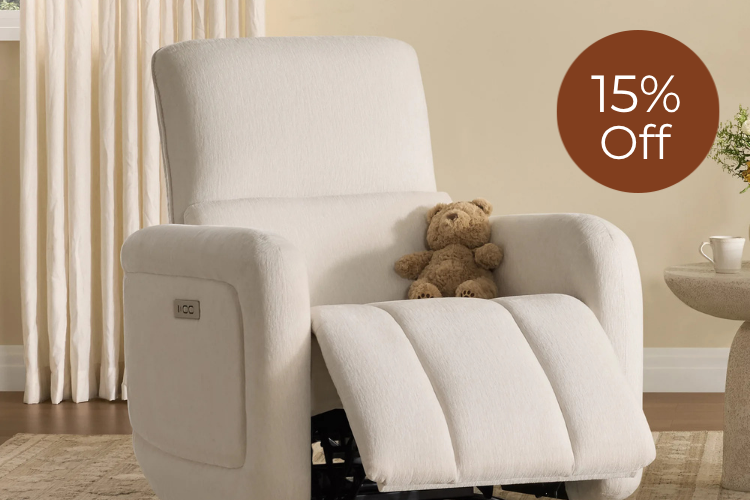
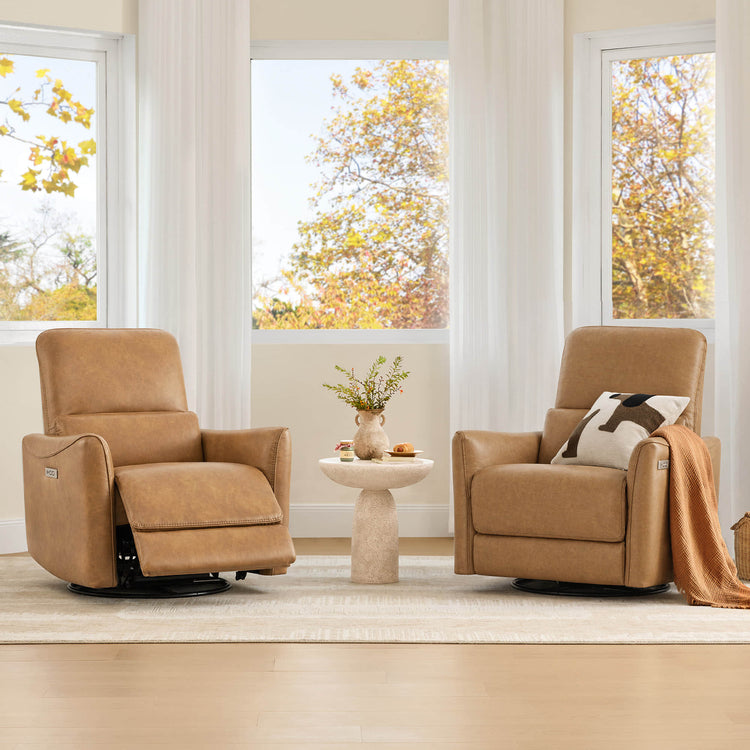
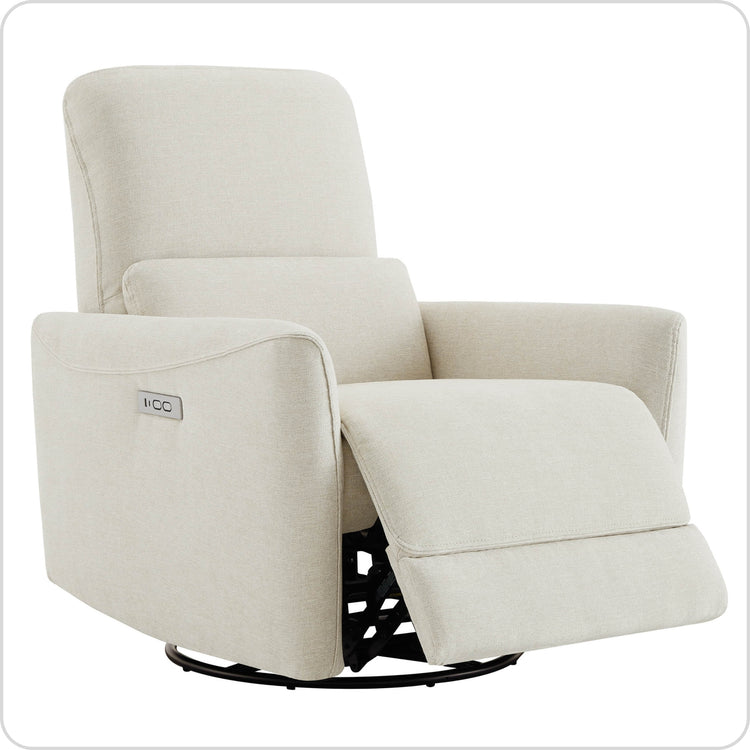
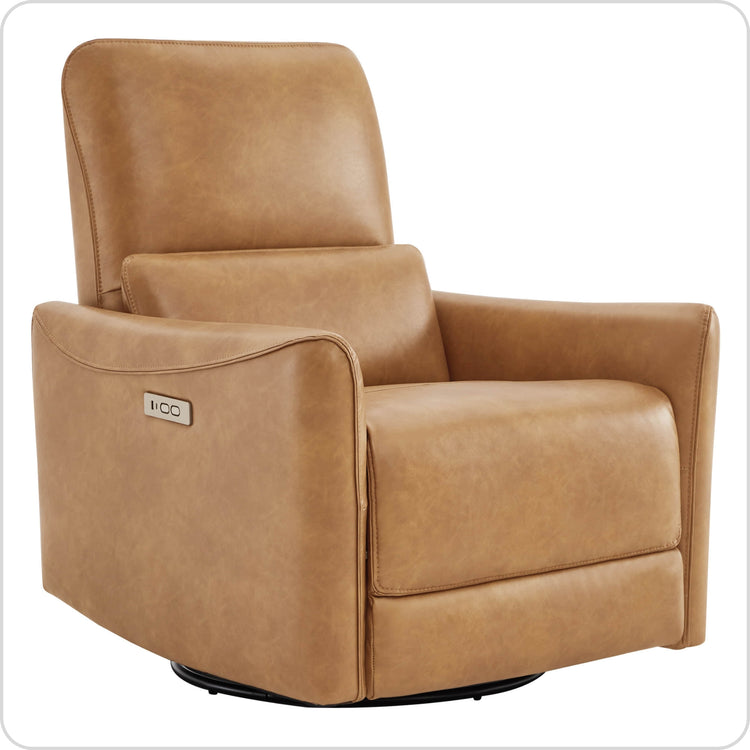
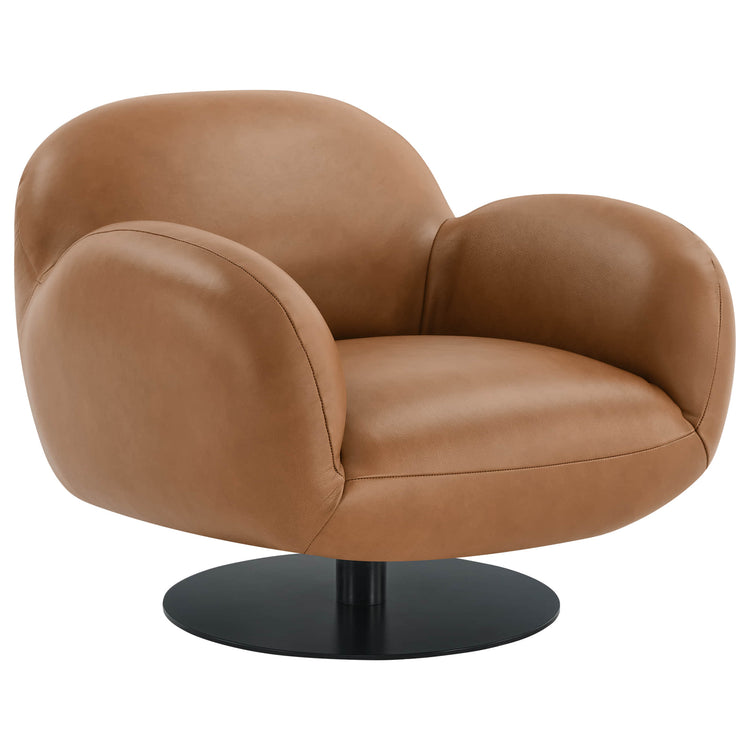
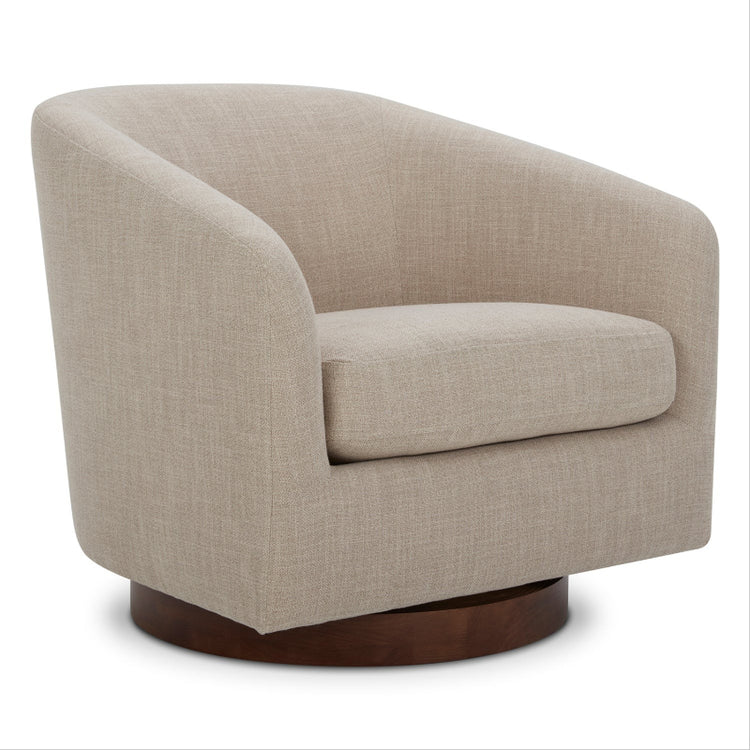
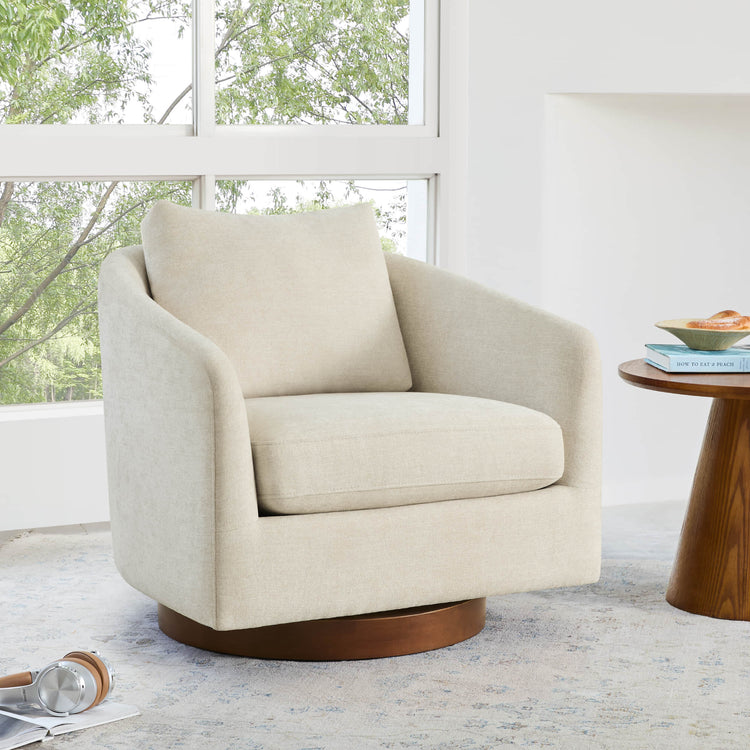
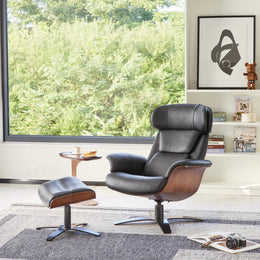
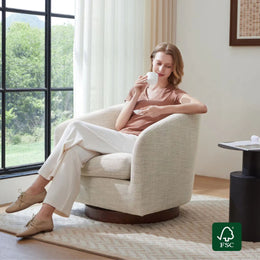
For many remote professionals, the ultimate compromise is a heavy-duty, upholstered swivel chair. If you are wondering are modern swivel chairs a good idea for home offices, the answer is a resounding yes. A swivel accent chair provides the 360-degree rotation of an executive task chair but is wrapped in gorgeous, design-forward fabric. It solves the mobility issue completely without relying on corporate-looking caster wheels. Alternatively, for those who want to transition from intense work hours directly into a relaxing evening, our recliners swivel chairs offer the ultimate cozy setup. At ChitaLiving, our quiet power glider recliners and supportive recliner chairs are constructed with solid wood frames, lumbar support, and performance fabrics, serving as an incredibly comfortable reading chair or cozy workstation for creative brainstorming.
- Swivel bases offer 360-degree rotation for effortless desk entry and exit.
- Combines the task-oriented movement of an office chair with residential styling.
- Performance fabrics protect your investment from daily wear, coffee spills, and dust.
Styling Tips: Integrating Your Accent Chair Into Your Workspace
Once you have selected a structurally sound, beautifully upholstered chair, a few minor styling adjustments can elevate your comfort to professional standards. If your chair is slightly too deep, add a high-quality lumbar throw pillow in a contrasting pattern or texture; this bridges the gap and supports your lower spine. If you are using a chair on a hardwood floor, place a low-pile rug underneath to make sliding easier and protect your flooring. Lastly, consider pairing your setup with a small matching ottoman, allowing you to kick your feet up and relax once the laptop is closed for the evening.
- Use a decorative lumbar pillow to customize back support and seat depth.
- Layer a low-pile rug beneath the desk to protect floors and smooth movement.
- Add a matching footstool or ottoman nearby to transition from work to lounge mode.
Conclusion
You do not have to sacrifice your home's carefully curated design to stay comfortable during the workweek. An accent chair can absolutely double as a highly effective home office chair, provided you choose a model with an upright backrest, high-density foam support, and a seat height that matches your desk. By prioritizing structural quality and smart movement designs, like our collection of modern swivel chairs, you can build a home office that is both incredibly productive and beautifully styled. Explore ChitaLiving's versatile collection of accent chairs today to find your perfect balance of design and supportive comfort.
Frequently Asked Questions
Can I use an accent chair for a desk chair?
Yes, but with caveats. If you work long hours, you need an accent chair with a supportive, upright backrest, high-density foam that won't sag, and a seat height that matches your desk (typically 18 to 20 inches from the floor).
Are swivel accent chairs good for home offices?
Absolutely. Swivel accent chairs are excellent office alternatives because they offer 360-degree rotation for easy desk movement while preserving a soft, residential style that standard plastic-and-mesh task chairs cannot provide.
What is the best type of accent chair for desk work?
An upright armchair or a structured swivel barrel chair with a solid wood frame is ideal. Avoid deep, angled lounge chairs (slipper chairs) that force you to slouch, as they do not support healthy typing posture.

Recommended Products

More to Read
 7 Sofa Trends That Actually Improve Comfort in 2026
Upgrade your living room with furniture that supports your body. Here are 7 modern sofa features designed to maximize your daily comfort...
7 Sofa Trends That Actually Improve Comfort in 2026
Upgrade your living room with furniture that supports your body. Here are 7 modern sofa features designed to maximize your daily comfort...
 Mother's Day Gift Guide: Cozy and Stylish Furniture Picks for Modern Moms
Make Mother's Day more meaningful with furniture gifts that bring comfort, smart features, storage, and quiet luxury into her everyday routine.
Mother's Day Gift Guide: Cozy and Stylish Furniture Picks for Modern Moms
Make Mother's Day more meaningful with furniture gifts that bring comfort, smart features, storage, and quiet luxury into her everyday routine.
 Performance Fabric Reality Check: Does It Really Repel Pet Hair and Stains?
Performance fabric is often marketed as a miracle solution for homes with pets and kids, but the reality is more nuanced. It...
Performance Fabric Reality Check: Does It Really Repel Pet Hair and Stains?
Performance fabric is often marketed as a miracle solution for homes with pets and kids, but the reality is more nuanced. It...