


























How to choose sofas for first apartments comes down to two questions: will it fit your space, and will it survive your actual life there? For first-time renters, that usually means measuring the route in, choosing a size that leaves walking room, and favoring construction and fabric that can handle moves, takeout, pets, and daily use.
Start With Your Space, Not Your Style
Before you fall for a color or silhouette, check the delivery path. A sofa can look perfect online and still become a problem if it cannot clear the narrowest doorway, hallway turn, stair landing, or elevator opening on the way in. A practical move is to measure the route first, then compare those numbers with the sofa's packed dimensions and overall size. This furniture-measuring guide is a useful reminder that the room itself is only part of the fit question.
For most first apartments, the room layout matters just as much as the doorway. Sketch where the sofa will sit, then mark the coffee table, TV sightline, desk, and walking paths. If the sofa blocks the main route to the kitchen or bedroom, it is too large for the room even if it technically fits.
In real use, the tricky part is not the sofa's width alone. It is whether the room still works when you are carrying groceries, opening a drawer, or letting a pet pass through. If the setup turns everyday movement into side-stepping, keep shopping.
Measure Doorways, Hallways, and Stairs
Measure the narrowest point on the move-in path, not just the front door. Older apartment buildings often create pinch points at stair turns and elevator doors, which is where many first-time buyers get surprised.
A good rule is to compare every critical opening with the sofa's box size and the dimensions of the piece itself. That sounds tedious, but it is much easier than arranging a return after delivery day.
Map the Sofa Footprint in the Room
A first-apartment sofa should fit the room with enough margin to breathe. In a studio or one-bedroom, that usually means leaving clear circulation around the seating area instead of filling the whole wall.
The easiest self-check is to tape the sofa outline on the floor. If the taped shape makes the room feel cramped, the real piece will too. If the space also needs to function as an office or guest area, reduce the sofa size before you reduce the walkway.
Check Walkways and Multi-Use Zones
Most first apartments are multi-use spaces. The living room might also be your office, dining area, and occasional guest room. That is why the best sofa is not the biggest one you can squeeze in, but the one that leaves the room usable.
If the sofa crowds your desk chair, blocks a closet, or makes a floor mattress impossible, you are probably overfurnishing the apartment. The right fit should support the room's daily flow, not compete with it.
Choose a Size That Leaves Room to Live
For small apartments, size is about circulation as much as seating. A loveseat or compact two-seater often makes more sense than a large sectional when the room also needs to hold a desk, dining nook, or storage piece. In many compact apartments, a smaller sofa is simply easier to live with because it preserves the walkways you use every day.


The table below is a quick decision aid for how sofa size tends to behave in common first-apartment setups. It is a planning guide, not a universal rule, because room shape and delivery access vary.
Best Sofa Fit by Common First-Apartment Scenario
A quick way to compare which sofa type is usually the safer fit when space, move-in ease, and flexibility matter in a first apartment.
View chart data
| Scenario | Tight living room / studio | Small open-plan room | Narrow stairs or elevator | Need to move often | Want to add seating later |
|---|---|---|---|---|---|
| Compact loveseat | 2.0 | 1.0 | 0.0 | 2.0 | 1.0 |
| Modular two-piece | 1.0 | 2.0 | 2.0 | 1.0 | 2.0 |
| Larger sectional | 0.0 | 0.0 | 1.0 | 0.0 | 0.0 |
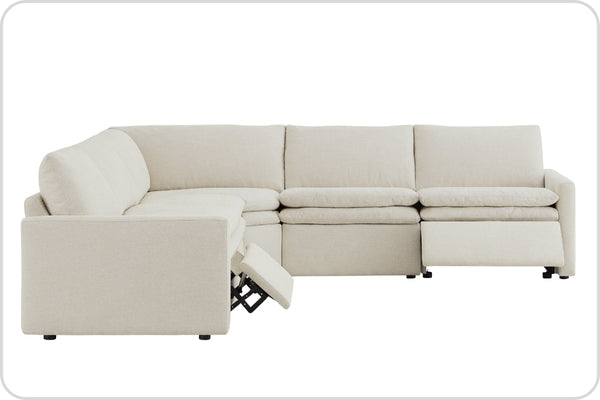
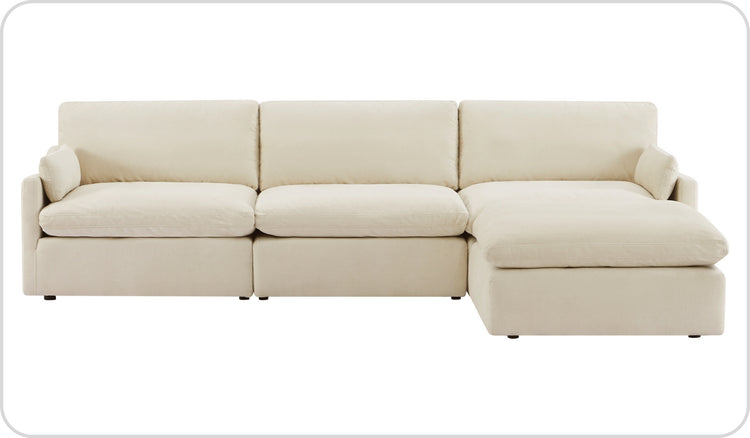
A modular sectional sofa collection is worth browsing if your apartment may change later or you want the option to scale seating without replacing the whole piece. If you want a compact starting point, the Delaney 2-Seat Modular Sofa is a reasonable navigation option to inspect, but only if its dimensions work for your actual layout.
A simple decision sentence helps here: if your apartment is tight and your move-in route is awkward, a compact two-seater is usually the safer starting point; if the room is open and you want more flexibility later, a modular two-piece is the better middle ground; if either of those feels too large, the sectional is probably the wrong first buy.
Prioritize Durability for Move-Ins and Daily Use
A first-apartment sofa should feel comfortable, but comfort alone is not enough. Cheap cushioning can feel great on day one and sag fast after a few moves. What matters more is whether the frame, joints, and cushions can handle being moved, reassembled, and used every day without feeling flimsy.
If you are choosing between two similar sofas, check whether the construction looks built for repeat use. A stable frame, solid support, and simple reassembly matter more for renters than a flashy design that only looks good in a showroom. This guide on sofa quality is a useful follow-up if you want a more detailed checklist.
The regret trigger here is common: buyers often assume a soft seat equals better value, then discover that the sofa loses support after a move or two. If you expect to keep the piece through more than one lease, durability deserves as much attention as style.
Frame and Support Basics
You do not need to become a furniture technician, but you should look for signs that the sofa is meant to be lived on, not just photographed. Repeated moving stresses joints and connectors, so a design that can come apart cleanly is usually easier to keep.
That does not mean every modular sofa is automatically better. It means modularity is most useful when it also comes with decent support and a structure that can be reassembled without drama.
Cushion Feel Versus Longevity
Very plush seating can be tempting in a first apartment, especially after a long day. But if the cushions are too soft and under-supported, they may flatten sooner than you expect.
For renters, the better question is not "Is it soft?" but "Will it still feel good after a year of moving, sitting, and sleeping friends over?" A slightly firmer seat often ages better than the cheapest cloud-like option.
Assembly, Reassembly, and Moving Practicality
If you do not have a full moving crew, assembly friction matters. A sofa that is easy to break down and put back together can save time and reduce damage during move-in week.
That is one reason many first-time renters lean toward modular designs. They are not just flexible in theory; they are often easier to manage when stairwells are tight or the next apartment has a different layout.
Pick Fabrics That Handle Real Life
For a first apartment, upholstery should match your actual habits. If takeout, guests, pets, or the occasional spill are part of your routine, performance fabric is a sensible place to start. It is not stain-proof, and it is not pet-proof, but it is usually a better everyday choice than a delicate finish that needs constant babying.
A performance fabric collection is a useful place to browse if you want to compare options that are designed with easier upkeep in mind. For lower-maintenance browsing, Easy-Clean Sofas can also help narrow the field without forcing you into a fragile finish.
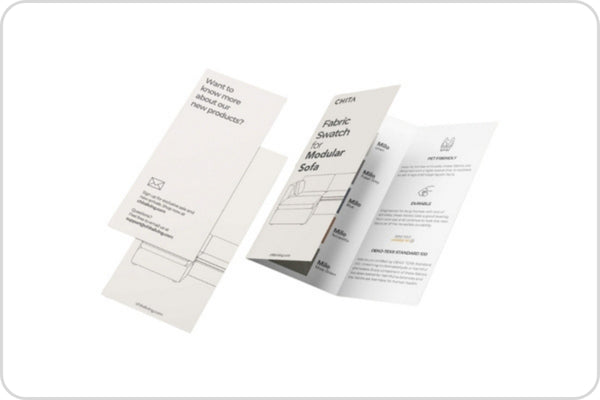
A practical fabric choice should also be easy to live with visually. Mid-tone colors and textured weaves often hide daily wear better than very light, high-gloss surfaces. If you are unsure, swatches are worth the extra step because fabric feel and color shift a lot in apartment lighting.
The strongest evidence-backed rule is simple: look for tightly woven fabrics with good abrasion resistance, because heavier home-furnishing fabrics tend to wear better under daily use. New Mexico State University's upholstery guidance makes the same basic point in more technical terms.
Performance Fabrics for Spill Resistance
Performance fabrics are useful when you want a little more forgiveness from the sofa. They are especially appealing for first apartments because moving week, takeout nights, and shared spaces tend to create more mess than a staged catalog photo suggests.
Still, the best performance fabric is the one that fits your routine. If you rarely eat on the sofa and prefer a more tailored look, you may value feel and appearance more than maximum wipeability.
Washable Covers for Easier Maintenance
Washable covers can be a strong advantage for renters who want an easier cleaning routine. They make maintenance feel less risky because the fabric is not permanently committed to every small accident.
That said, removable covers are most useful when you are realistic about your habits. If you do not mind regular vacuuming and spot cleaning, a durable fixed upholstery option may be enough.
Color and Texture Choices That Age Well
Light fabrics can look great on move-in day, but they often show wear sooner in busy apartments. Textured fabrics and grounded neutrals usually age more gracefully, especially if the sofa sits near an entry path or doubles as the everyday hangout spot.
If you want a sofa that still looks good after a year of real use, choose a finish that hides small marks instead of trying to eliminate them entirely.
A care habit matters too. New Mexico State University recommends regular vacuuming and avoiding direct sunlight to slow fading and fabric breakdown. That is especially relevant in apartments with big windows or a sofa parked near a sunny wall.
Use Modularity to Future-Proof the Purchase
Modularity is most useful when your apartment life is likely to change. That might mean a move next year, a room that will be reconfigured after the lease, or a need to shift between lounging, working, and hosting.
- Define the layout you live with now. If the room already feels tight, do not buy for the imaginary larger apartment you might have later.
- Choose the smallest configuration that still solves the seating problem. A piece that is too large on day one rarely becomes easier to place later.
- Check whether the sofa can be reconfigured or expanded. This matters when you want to add seating without starting over.
- Only pay extra for storage or adjustable parts if they solve a real problem in your apartment.
A modular sectional collection makes sense when you expect to adapt the furniture over time instead of replacing it. The idea is not that modular always wins, but that it reduces the risk of buying a fixed sofa that becomes awkward after the first move.
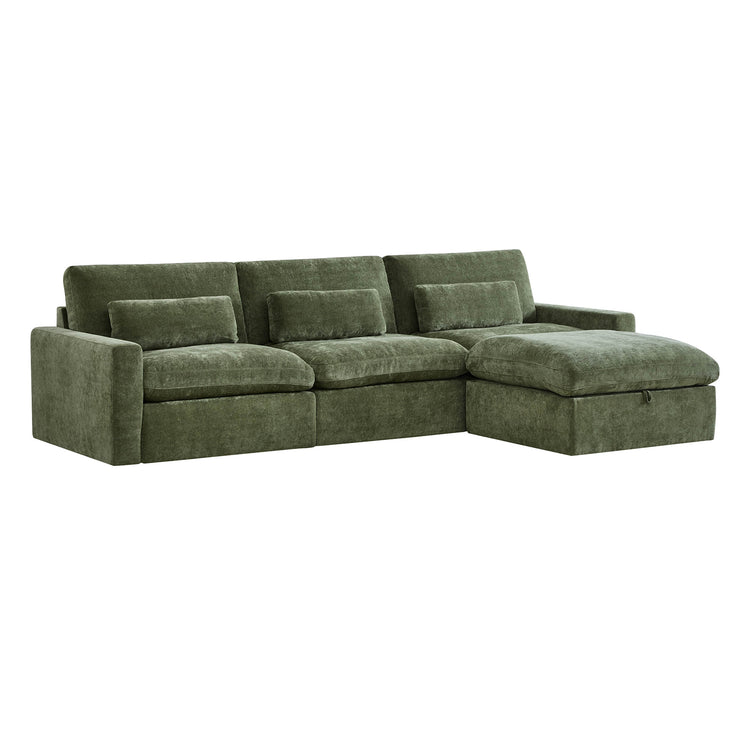
If you want a more flexible seating profile, the Jonathan Modern Cozy Chenille 3-seat Modular Sofa with Hidden Storage is another navigation option to inspect after you have confirmed your layout needs. Keep the same rule in mind: the model only matters if its size and configuration fit your apartment, not just your taste.
A useful decision sentence: if you expect to move again soon, modular usually beats fixed seating; if you are staying put in a clearly sized room, a simpler sofa may be the better value; if the extra flexibility does not solve a real problem, skip it.
Make the Final Call Before You Order
Before you buy, check the room dimensions, the delivery path, and the return policy together. Those three details catch most first-apartment regrets, especially when the sofa looks smaller online than it feels in the room.
If you are comparing two options, favor the one that fits your layout and daily routine more cleanly, even if the other one looks trendier. A first sofa that lasts through a few years and a move is usually the better spend than a cheap piece you replace quickly.
Look at the total cost too, not just the sticker price. Shipping, taxes, assembly effort, and return risk all matter more when your budget is tight and your apartment only has one shot at feeling comfortable.
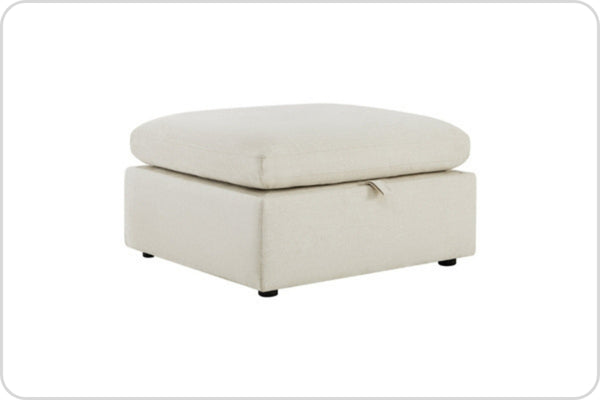
If you want a sturdier, more practical starting point, the Maisie 4-seat Modular Sofa with Storage Ottoman and Ace Minimalist Chenille Adjustable Backrest 2-Seater Sofa with Storage Armrest are both worth checking only after you confirm they match your space, delivery path, and use case.
First-Apartment Sofa Checklist
- Measure the narrowest doorway, hallway turn, stair landing, and elevator opening before you order.
- Tape the sofa footprint on the floor to see whether the room still supports walking paths and other uses.
- Prefer compact sizes when the room must also hold a desk, dining nook, or guest space.
- Choose modular seating when you expect to move, reconfigure, or expand later.
- Pick upholstery that matches your lifestyle, not a fragile finish you will resent maintaining.
- Verify assembly, care, shipping, and return terms before checkout.
Related Resources
- Why a Modular Sofa is the Smartest Investment for Renters in 2026
- The 2026 Repairability Manifesto: Why High-Spec Modular is the Ultimate Investment
- 9 Common Sofa Buying Mistakes and How to Avoid Them
- Popular sofa
- Decoding Upholstery Standards: The 2026 Guide to Performance Fabric Durability
FAQs
Q1. How Do I Know If a Sofa Will Fit Through My Apartment Doorway?
Measure the narrowest doorway, hall turn, stairwell, and elevator opening along the full delivery path, then compare those numbers with the sofa's packed dimensions. If any one point is tight, assume delivery day will be harder than the showroom visit and keep looking for a smaller or more modular option.
Q2. What Sofa Size Works Best for a Studio Apartment?
A compact two-seater or loveseat is usually the safer starting point in a studio because it leaves more room for walking, storage, and multi-use furniture. A larger sectional can work in some open layouts, but only when the room shape and circulation space are already confirmed.
Q3. Why Is a Modular Sofa a Smart First-Apartment Buy?
A modular sofa is useful when you expect to move again, change room layouts, or add seating later. It gives you more flexibility than a fixed sofa, which matters when your first apartment is temporary or your next one may have a different floor plan.
Q4. Can Performance Fabric Make a Sofa Easier to Keep Clean?
Usually, yes, because performance fabrics are designed to handle everyday wear better than delicate upholstery. That said, they are not a guarantee against stains or damage, so it is still smart to check the care instructions and choose a color or texture that fits your routine.
Q5. What Should I Prioritize If My Budget Is Tight?
Start with fit, construction, and upholstery that can handle daily use. Trendy details are easy to give up later, but a sofa that is too big, too fragile, or too hard to clean becomes expensive fast if you have to replace it after one move.
The Safest First Sofa Is the One You Can Keep
The best first-apartment sofa is usually the one that fits the route in, leaves the room usable, and matches how you actually live. If you are torn, choose the smaller, sturdier, easier-to-clean option. That choice is less glamorous on day one, but it is usually the one you will still like after your next move.