
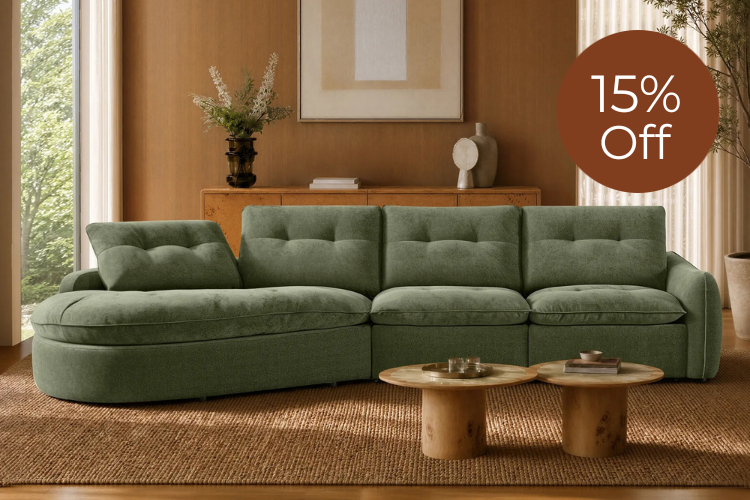
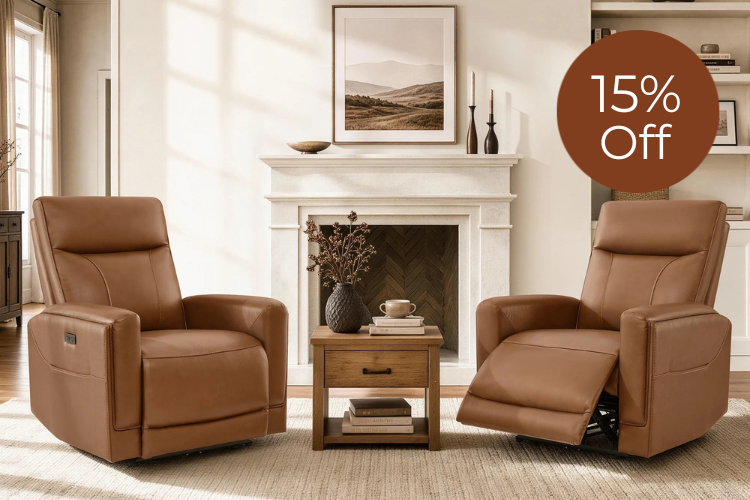

























High-spec modular sofas engineered for repairability represent a smarter long-term investment than disposable fast furniture. By prioritizing replaceable components, high-density foam, reversible mechanical fasteners, and factory-direct parts continuity, these designs can deliver 10 years or more of service while reducing both ownership costs and landfill waste.
Sources
- Whisper-Quiet Power: A 2026 Guide to Recliner Motor Decibels
- The Anti-Fast Furniture Guide: Why a Solid Wood Dining Table Is a Smart Investment
- Beyond the Brackets: 5 Ways to Prevent Modular Sofa Shifting in 2026

Why Cheap Furniture Loses Value Faster Than Repairable Designs
The typical fast-furniture sofa reaches structural failure in roughly five years, forcing repeated replacement cycles that multiply your total spend. According to EPA data on durable goods, furniture waste has grown significantly over decades, with millions of tons generated annually and the majority ending up in landfills rather than being recycled or repaired. This creates both financial and environmental drag.
Over a 10-year horizon, the numbers add up quickly. A $1,500 “cheap” modular sofa replaced twice totals around $3,000 in purchases alone. In contrast, a well-engineered $2,200 high-spec unit refreshed with one $300 part replacement lands near $2,500 while avoiding the hidden costs of repeated delivery, disposal, and downtime. Value-conscious buyers and families therefore benefit from treating a sofa as a 10-year asset rather than a 3- to 5-year consumable.
For eco-aware households, the landfill impact of repeated replacements is especially relevant. Repairable modular designs directly lower waste volume by extending usable life and enabling targeted component swaps instead of whole-unit discards.
What Repairability Means in 2026 (and What It Is Not)
Repairability in 2026 goes far beyond the ability to rearrange sectional pieces. It requires intentional “Design for Disassembly” that allows non-destructive access to frames, cushions, and mechanisms. From July 2026, new EU-wide Right to Repair rules will mandate that manufacturers design products for easier servicing and provide reasonable access to spare parts, a regulatory shift that is also gaining momentum in U.S. states such as California and Oregon.
True repairability therefore hinges on service architecture rather than layout flexibility alone. This official overview of the 2026 EU rules clarifies that manufacturers must support repairability through both product design and parts availability. A sofa that only snaps together may be modular, yet remain difficult or impossible to service once glue, staples, or proprietary fasteners lock components permanently.
Modularity without serviceability becomes a liability. Look past marketing language and verify removable covers, identifiable replacement modules, reversible hardware, and documented parts support windows. Our deeper dive into the Repairability Index explains how to separate genuine service-ready designs from rearrangeable-only products.
The High-Spec Engineering That Protects Your Investment
Longevity begins with materials that resist the daily compression and movement that destroy lesser furniture. High-density foam rated at 2.5 pounds per cubic foot (PCF) is the commercial-grade benchmark for sag resistance, maintaining structural support far longer than the 1.8 PCF commonly used in residential pieces. This difference in foam density directly translates to years of consistent comfort instead of early sagging that renders a sofa unusable.
Frame construction matters equally. Kiln-dried hardwoods paired with reversible mechanical fasteners—bolts, screws, and nuts—allow disassembly and reassembly without destroying the underlying structure. Staples and permanent adhesives, by contrast, function as de facto “death sentences” for repair because they cannot be reversed without damaging the frame or upholstery.
These engineering choices are not cosmetic. They determine whether a stain, worn cushion, or failed mechanism requires a full replacement or a targeted refresh. Our guide to high-density foam and spec-sheet comparison advice help readers translate these technical details into practical buying decisions.
Beyond the Frame: Replacing Cushions, Covers, and Power Components
A truly repairable sofa lets you refresh appearance and function without discarding the entire piece. Replaceable covers rated for easy cleaning (often labeled Code W or S) allow homeowners to address stains or update style years after purchase. Modular cushions that zip off and can be reordered individually prevent the common scenario where one damaged seat forces a complete sectional replacement.
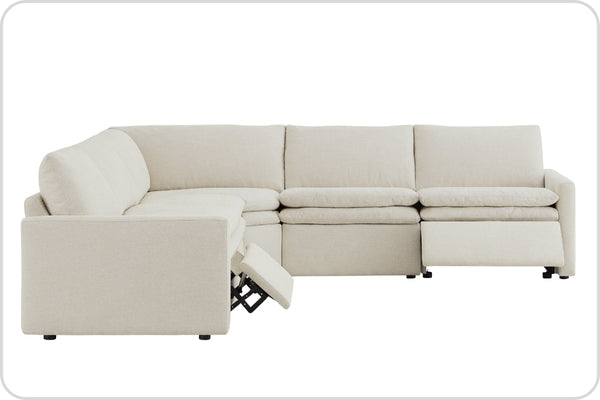
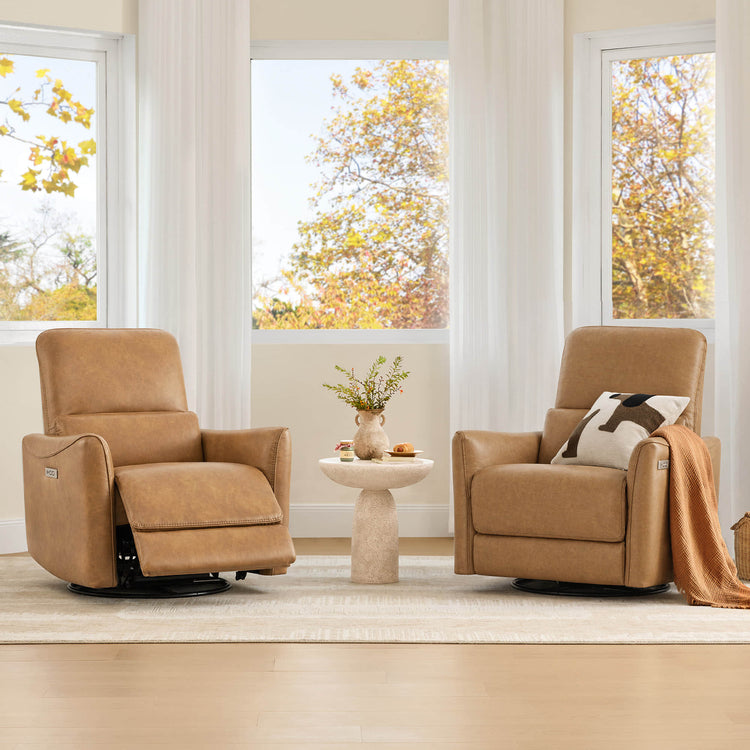
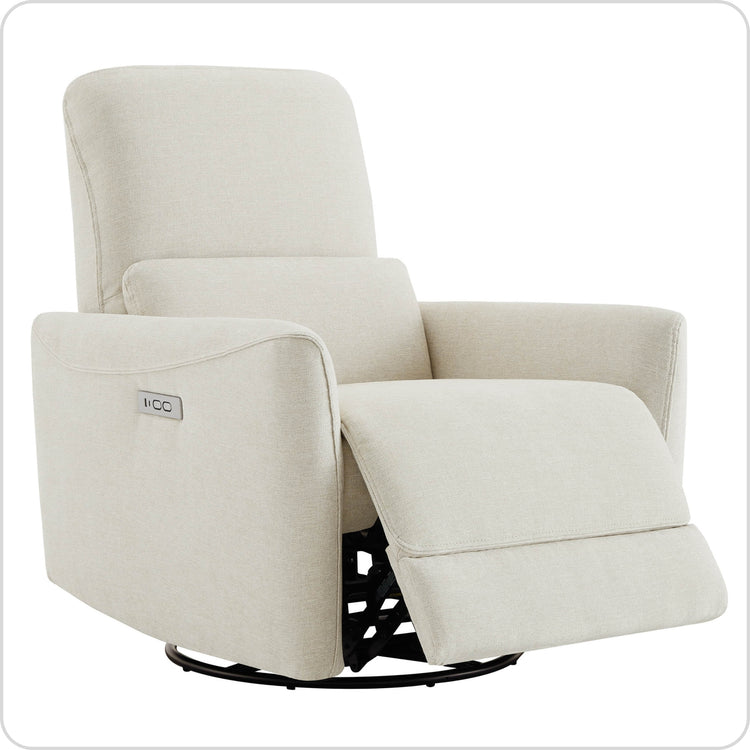
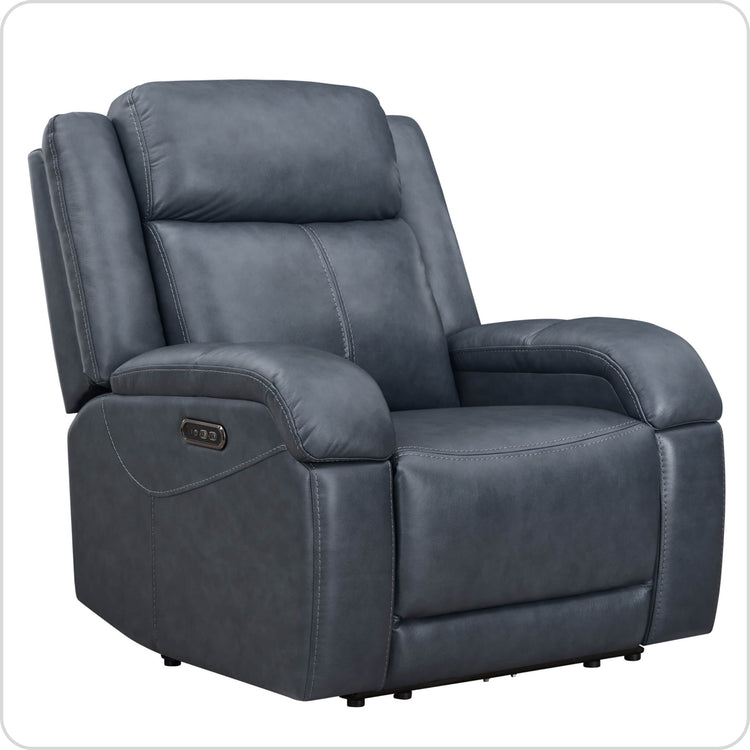
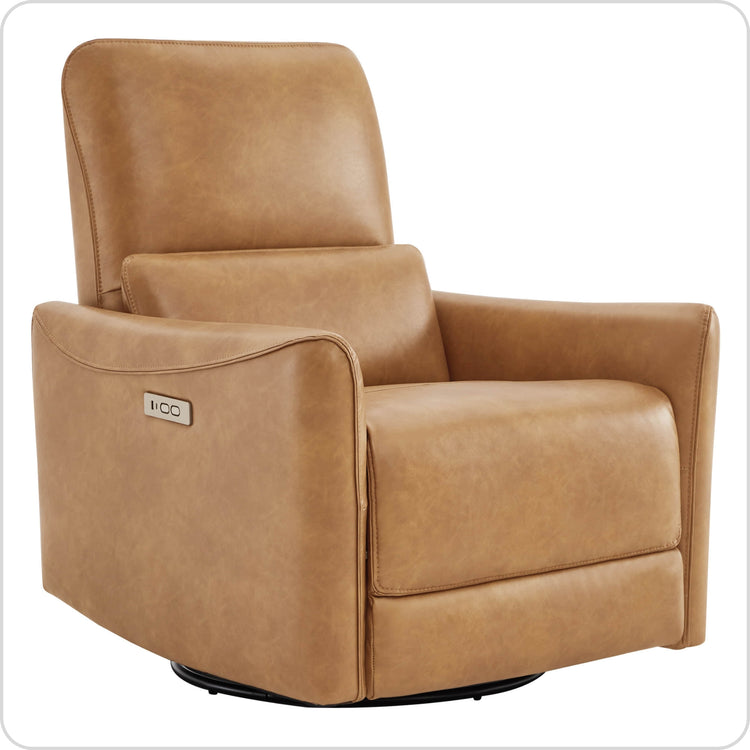
Power components add another layer. In modern reclining sectionals such as the Haley collection, replaceable motors, power headrest actuators, and USB charging modules extend usability when electronics eventually wear. Because these parts carry higher replacement cost, confirming availability and swap-friendly design before buying avoids the “restocking fee trap” that penalizes incorrect first purchases.
Renters and growing families particularly benefit. The same modular system that scales with life changes also supports targeted repairs when a child, pet, or heavy use damages only one module. Our article on scaling a sectional over time explores how this flexibility compounds value across moves and life stages.
How Factory-Direct Manufacturing Control Supports Long-Term Serviceability
Where and how a sofa is made determines whether modular promises remain viable years later. Vertical integration—controlling design, materials, and production—prevents “supplier drift” that renders third-party modular systems obsolete when dimensions or attachment points change. Factory-direct brands can maintain exact specifications across production runs, ensuring that a replacement cover or module purchased in 2031 still fits the unit bought in 2026.
New transparency tools reinforce this advantage. The emerging Furniture Digital Product Passport standard requires component IDs, fastener taxonomy, and repairability data so consumers and service technicians can identify and source the correct parts. This analysis of mandatory DPP data for furniture shows how detailed traceability turns regulatory requirements into practical serviceability.
For buyers, the practical takeaway is clear: prioritize manufacturers with direct control over their supply chain. Retailer-only modular lines often cannot guarantee long-term parts continuity once a supplier updates its catalog. Our comparison of high-spec value further details why factory oversight frequently delivers lower lifetime cost despite a higher initial price.
10-Year Sofa Ownership: Repairable Modular vs Fast Furniture
A 10-year view shows where the lower-cost choice can flip as replacement needs accumulate.
View chart data
| Category | Fast Furniture | Repairable Modular |
|---|---|---|
| 0-5 years | 1500.0 | 2200.0 |
| 6-10 years | 3000.0 | 2500.0 |
The chart above visualizes the likely crossover in total ownership cost. Fast furniture appears cheaper in the first five years, yet a repairable modular sofa typically becomes the lower-cost option over a full decade once replacement and disposal expenses are included.

Fast Furniture vs. Repairable Modular: A 2026 Cost-Benefit Analysis
When viewed through a 10-year lens, the higher upfront cost of a high-spec modular sofa often delivers net savings. The fast-furniture path incurs repeated purchase, delivery, and disposal expenses, while the repairable path spreads cost across longer service intervals and targeted component refreshes. Environmental burden follows the same pattern: fewer whole-unit replacements mean lower landfill contributions.
For renters and frequent movers, modular reconfiguration multiplies value. A single sectional can adapt from apartment to house without the waste or restocking fees associated with selling and rebuying. The transitional move scenario—tight corners, no freight elevator, limited storage—further favors designs that break down into manageable pieces and can be repaired rather than discarded.
These advantages only materialize when the modular system is backed by genuine serviceability. Without replaceable parts and stable specifications, even premium modular furniture can become a dead-end investment once a single module or cover becomes unavailable.
How to Evaluate a Modular Sofa for Repairability Before You Buy
Use this practical checklist to separate marketing claims from engineering reality before committing to a high-ticket purchase:
- Inspect for service zippers on cushions and underside access panels that allow non-destructive disassembly.
- Confirm the seller offers individual replacement covers, cushions, and power components rather than only full sets.
- Review assembly documentation or exploded diagrams for reversible hardware (bolts, screws, and nuts) instead of staples or glue.
- Ask explicitly about the parts support window—how many years the manufacturer commits to stocking components for that specific line.
- Verify factory-direct or vertically integrated production to reduce the risk of supplier changes that break compatibility.
Families, apartment dwellers, and eco-conscious buyers should run this checklist on every candidate. A sofa that fails two or more items is likely to become another disposable piece regardless of its initial modular appearance. When the answers align with high-spec engineering and long-term parts continuity, you have identified a genuine 10-year investment rather than the next cycle of fast furniture.
FAQs
What does “high-spec modular” actually mean for repairability?
High-spec modular refers to designs that combine layout flexibility with commercial-grade materials and service-friendly construction. The term signals 2.5-lb density foam, reversible mechanical fasteners, replaceable covers and cushions, and factory-controlled specifications that keep replacement parts compatible for years.
Are all modular sofas repairable, or only certain brands?
Not all modular sofas are repairable. Many prioritize easy rearrangement but rely on permanent adhesives or proprietary parts that cannot be replaced. True repairability requires accessible zippers, identifiable components, and a manufacturer that stocks or can produce matching replacements long after purchase.
How long should a quality modular sofa realistically last?
With proper care and high-spec construction, a repairable modular sofa commonly lasts 10 to 15 years or longer. The limiting factors are usually fabric wear or power-component failure rather than frame or foam collapse when 2.5-lb density foam and bolted frames are used.
Does factory-direct manufacturing really improve part availability?
Yes. Vertical integration lets a manufacturer maintain exact dimensions, foam specifications, and attachment points across years. This consistency dramatically raises the chance that a replacement module or cover ordered in the future will fit the original purchase.
What should I check first when comparing modular sofa prices?
Compare total cost of ownership rather than sticker price. Calculate likely replacement frequency, availability of individual parts, restocking fees on returns, and disposal costs. A sofa that appears $700 cheaper upfront may cost hundreds more over a decade if it cannot be repaired or reconfigured.
Can I replace just the power motors in a reclining modular sectional?
In well-designed models such as the Haley power reclining series, individual motors, actuators, and charging ports are engineered for replacement. Confirm the specific collection offers these service parts and that the manufacturer maintains inventory before purchase.
How do 2026 Right to Repair rules affect furniture buyers?
The updated EU rules and expanding U.S. state legislation increase pressure on manufacturers to design for disassembly and publish repair information. While not every brand will comply equally, the regulatory environment makes it easier for consumers to demand and verify genuine serviceability before buying.
Recommended Products



More to Read
 7 Sofa Trends That Actually Improve Comfort in 2026
Upgrade your living room with furniture that supports your body. Here are 7 modern sofa features designed to maximize your daily comfort...
7 Sofa Trends That Actually Improve Comfort in 2026
Upgrade your living room with furniture that supports your body. Here are 7 modern sofa features designed to maximize your daily comfort...
 Mother's Day Gift Guide: Cozy and Stylish Furniture Picks for Modern Moms
Make Mother's Day more meaningful with furniture gifts that bring comfort, smart features, storage, and quiet luxury into her everyday routine.
Mother's Day Gift Guide: Cozy and Stylish Furniture Picks for Modern Moms
Make Mother's Day more meaningful with furniture gifts that bring comfort, smart features, storage, and quiet luxury into her everyday routine.
 Performance Fabric Reality Check: Does It Really Repel Pet Hair and Stains?
Performance fabric is often marketed as a miracle solution for homes with pets and kids, but the reality is more nuanced. It...
Performance Fabric Reality Check: Does It Really Repel Pet Hair and Stains?
Performance fabric is often marketed as a miracle solution for homes with pets and kids, but the reality is more nuanced. It...