






















Anchoring Your Space: How to Choose a Statement Coffee Table for a Modern Living Room

Anchoring Your Space: How to Choose a Statement Coffee Table for a Modern Living Room
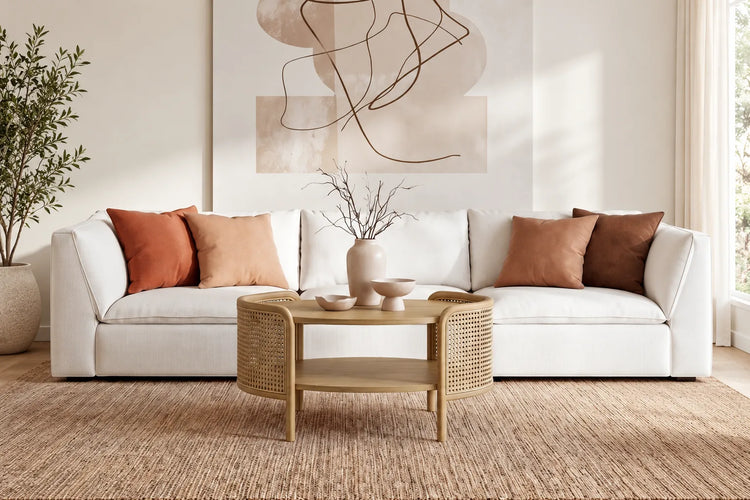
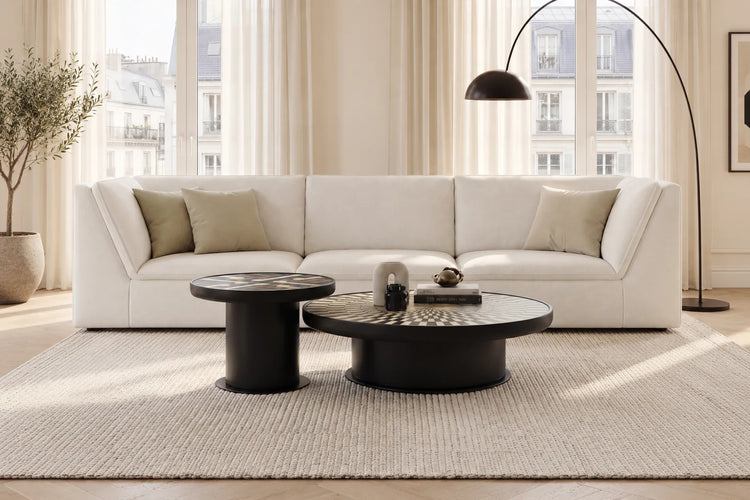
Your coffee table can become the visual anchor that ties a modern living room together when you select it for both sculptural presence and practical fit. The right statement coffee table balances organic shapes, premium materials, and thoughtful proportions so the piece elevates the space instead of competing with the sofa and rug.

Choosing the right table requires matching its size, shape, and material to your actual room layout and daily habits. When you prioritize circulation space, keep the table height in a comfortable range relative to the sofa seat, and coordinate the surface with your rug, the result feels intentional rather than decorative.
What Makes a Coffee Table a True Statement Piece in a Modern Living Room
A statement coffee table serves as the focal point that defines the seating zone while still allowing easy movement. In modern and organic-modern interiors, this often means embracing softer silhouettes, natural wood tones, or sculptural forms that draw the eye without dominating the room.
The best examples feel like intentional sculpture that also functions as a surface for drinks, books, or a tray. Based on common interior design experience, the table should preserve clear circulation paths so the living room remains comfortable for daily life. This is especially important in open-plan homes where the "back" of the furniture is as visible as the front.
This approach helps apartment dwellers and design-focused homeowners create a cohesive look that feels curated rather than crowded. When the table anchors the rug and sofa group, the entire seating area reads as one composed vignette.
How to Choose the Right Shape for Your Layout
Shape is one of the first decisions that determines whether your table enhances flow or creates obstacles. Round and organic modern coffee tables often work well in compact or open-plan spaces because their curved edges soften corners and make navigation feel easier.
Rectangular tables can deliver stronger visual structure in larger or more linear rooms where the seating arrangement follows a clear grid. The choice ultimately depends on your traffic patterns and how the table sits within the seating group.

Round or softly curved tables tend to improve perceived spaciousness in tighter layouts because they eliminate sharp corners that can snag movement. In contrast, a rectangular wood coffee table in contemporary style can anchor a more formal conversational grouping when clearance allows.
Use the following scenario-based guidance to decide:
- Compact sofa-plus-chair layout with narrow walkways: Round or organic shapes preserve circulation and reduce visual weight.
- Long, narrow living room: Rectangular tables echo the room's axis without pinching side traffic.
- Centered seating with open space on all sides: Either shape can work, but round tables often feel more approachable when people frequently cross the center.
- Open-plan room visible from multiple angles: Choose the shape that best supports either soft flow or structured anchoring based on your primary traffic path.
These suggestions are based on layout heuristics that emphasize flexible furniture placement in smaller or multi-use spaces, where "visual weight" is as important as physical dimensions.
Coffee Table Size and Proportion Rules: Common Starting Points
Proportion matters more than dramatic size when creating a successful statement. While every room is unique, interior designers often use specific ranges as a baseline to ensure the table feels integrated rather than "floating."
Height and Clearance Guidelines A table surface that sits 1 to 3 inches lower than your sofa seat height generally creates the most balanced and practical arrangement. This allows for an easy reach for drinks while keeping the sightline across the room open.
For movement, consider these common experience-based ranges:
- Legroom: Aim for roughly 18 inches of clearance between the table edge and the sofa. This provides enough space for a seated adult to move their legs comfortably.
- Traffic Paths: If the space between the table and another piece of furniture (like a TV stand or armchair) is a primary walkway, aim for 24 to 30 inches to allow for comfortable passage without turning sideways.
Treat the coffee table and rug as one composition. The rug should extend beyond the table edges enough to visually ground the entire seating group.
Here is a quick decision chart showing relative fit for different room sizes and table shapes based on circulation and anchoring heuristics:
Statement Coffee Table Fit Thresholds
Use this as a decision aid: higher scores indicate a stronger fit with the room and traffic conditions implied by the heuristics.
View chart data
| Category | Round table fit | Rectangular table fit | Traffic margin |
|---|---|---|---|
| Compact room | 5.0 | 2.0 | 1.0 |
| Moderate room | 3.0 | 4.0 | 3.0 |
| Larger contained area | 1.0 | 5.0 | 5.0 |
Note: This chart assumes a standard 3-seater sofa. Use it as planning guidance and then verify actual clearance and sofa height in your specific space, as deep-seated sofas or low-profile modern frames may require adjustments.
Selecting Materials and Finishes for Lasting Beauty
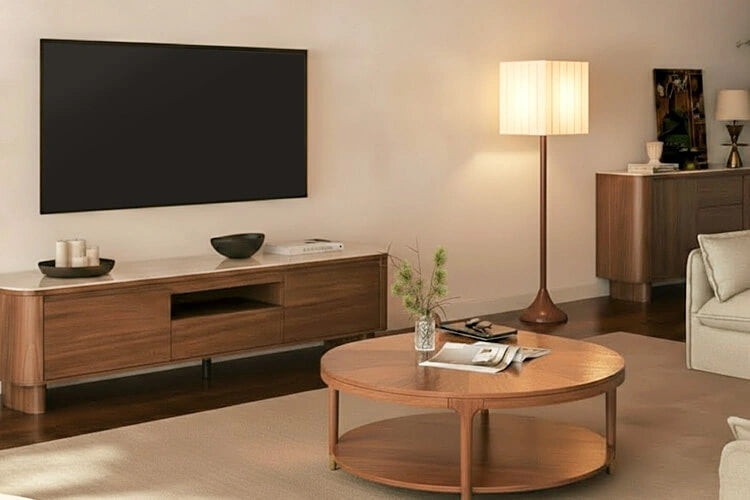
Premium materials such as solid wood or thoughtfully finished surfaces bring warmth and character to organic modern coffee tables. Wood coffee tables in contemporary style offer natural grain that ages gracefully when matched to your lifestyle.
Consider Your Household Needs
- Durability: Matte or lightly oiled woods may develop a desirable patina, while high-gloss surfaces show every fingerprint.
- Kids and Pets: If you have young children or active pets, consider rounded edges (to prevent bumps) and durable, easy-to-wipe finishes like high-quality veneers or sealed hardwoods. Avoid glass or sharp-edged metal in high-traffic "play zones."
- Sustainability: Modern homeowners increasingly prioritize responsibly sourced woods and low-VOC (Volatile Organic Compound) finishes to support a healthier indoor environment.
Always check the manufacturer's care instructions for your chosen surface to protect the investment and ensure the finish remains durable against spills and heat.
How to Style a Statement Coffee Table Without Creating Clutter
Effective styling turns a functional surface into a deliberate design moment. Limit objects to three to five items of varying heights, such as a stack of books, a sculptural vase, and a small tray.
Leave breathing room so the table's own form remains visible. Group items asymmetrically or on one side to keep the surface feeling light and intentional. This approach works especially well with round coffee tables for modern living rooms because the curve naturally guides the eye.
Coordinate the table's material and color with nearby upholstery and the rug so the entire seating area feels unified. Our The Art of Sofa Styling guide offers additional ideas for creating balanced vignettes. For those looking to bring more natural elements into the home, explore our article on Biophilic Design Furniture Ideas for Your Living Room.
Quick Summary: How to Choose Your Table
If you are looking for a fast way to decide, follow these core principles:
- Prioritize Flow: Use 18 inches for legroom and 24+ inches for walkways as a starting point.
- Match Height: Aim for the table surface to be slightly (1–3 inches) lower than your sofa seat.
- Shape by Space: Round tables excel in tight or open-plan areas; rectangular tables suit structured, linear rooms.
- Material Health: Opt for low-VOC finishes and durable materials that match your household's activity level.
- Style with Restraint: Use 3–5 items and leave "negative space" to let the table's design stand out.
Final Room-Fit Checklist Before You Buy
Run through these practical checks to confirm your statement coffee table will enhance your modern living room:
- Measure your sofa seat height and select a table that sits roughly 1 to 3 inches lower.
- Mark out the clearance around the planned table location using painter's tape on the floor to confirm comfortable passage.
- Verify that the table footprint leaves the rug edges visible on all sides for proper anchoring.
- Test the shape against your primary traffic paths—does a rectangular corner block the way to the kitchen or hallway?
- Confirm the material and finish match your cleaning habits and room lighting.
- View the arrangement from the main entrance to ensure it reads as an intentional focal point.
When these checkpoints align, your coffee table becomes the sculptural centerpiece that makes the room feel complete. For additional ideas on arranging furniture efficiently, see our guide How to Arrange Furniture in Small Living Spaces Efficiently for Comfort and Style.
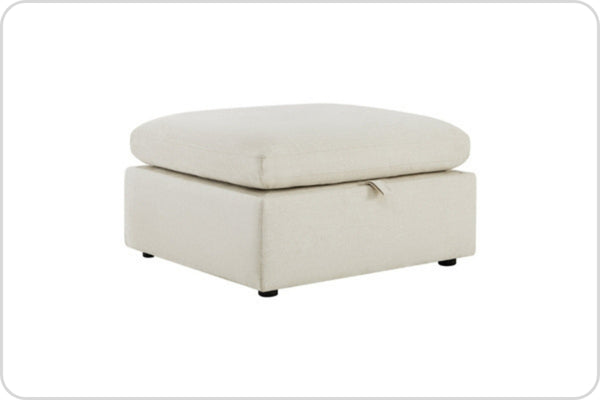
If you prefer versatile storage options that double as tables, consider pieces like our Nest Oval storage ottoman Storage Mid Century Ottoman or Twin Stone-shaped Storage Modern Ottoman as alternatives that blend function with modern style.
Disclaimer: This article discusses comfort, setup advice, and design considerations for living rooms. It does not constitute medical advice, diagnosis, or treatment. If you experience persistent discomfort or have existing conditions, consult qualified professionals.
Frequently Asked Questions
What Is the Ideal Height for a Statement Coffee Table?
The table should typically sit slightly below your sofa seat height, often 1 to 3 inches lower. This creates a relaxed aesthetic and makes it easier to set down a glass. Always measure your specific sofa, as modern "low-slung" sofas require much lower tables than traditional styles.
How Big Should a Coffee Table Be Relative to My Sofa?
A common rule of thumb is to choose a table that is roughly one-half to two-thirds the length of your sofa. This ensures the table is large enough to be functional for everyone seated without looking undersized or overwhelming the furniture.
Should I Choose Round or Rectangular for a Small Modern Living Room?
Round or organic shapes are generally better for small rooms or households with children. They lack sharp corners, which makes the room feel less cramped and safer for movement. Rectangular tables are best reserved for larger rooms with clear, linear walkways.
How Do I Keep a Wood Coffee Table Looking Good Over Time?
Choose a finish that matches your usage. For high-traffic homes, a hard-wax oil or polyurethane sealant is best. For low-use display areas, a simple oiled surface is beautiful but requires more frequent coasters and care.
Can a Statement Coffee Table Work in an Open-Plan Apartment?
Yes, it is actually one of the best ways to "zone" an open-plan space. A statement table acts as a visual anchor that tells the eye where the living area begins and ends, helping to separate it from the dining or kitchen zones.
What is the best material for a coffee table if I have pets?
Look for dense hardwoods with a durable topcoat or metal/stone surfaces. Avoid soft woods like pine, which can scratch easily from claws, and avoid delicate glass if you have large, active pets that might bump into the furniture.
Recommended Products

More to Read
 7 Sofa Trends That Actually Improve Comfort in 2026
Upgrade your living room with furniture that supports your body. Here are 7 modern sofa features designed to maximize your daily comfort...
7 Sofa Trends That Actually Improve Comfort in 2026
Upgrade your living room with furniture that supports your body. Here are 7 modern sofa features designed to maximize your daily comfort...
 Mother's Day Gift Guide: Cozy and Stylish Furniture Picks for Modern Moms
Make Mother's Day more meaningful with furniture gifts that bring comfort, smart features, storage, and quiet luxury into her everyday routine.
Mother's Day Gift Guide: Cozy and Stylish Furniture Picks for Modern Moms
Make Mother's Day more meaningful with furniture gifts that bring comfort, smart features, storage, and quiet luxury into her everyday routine.
 Performance Fabric Reality Check: Does It Really Repel Pet Hair and Stains?
Performance fabric is often marketed as a miracle solution for homes with pets and kids, but the reality is more nuanced. It...
Performance Fabric Reality Check: Does It Really Repel Pet Hair and Stains?
Performance fabric is often marketed as a miracle solution for homes with pets and kids, but the reality is more nuanced. It...