























The 2026 Sizing Guide: Finding the Perfect TV Stand for 75-Inch and 85-Inch Screens

The Search Journey: Why Diagonal Size is Misleading
Most shoppers start by matching the advertised diagonal size to a stand of the same number. This approach creates immediate problems. As this official LG guide to TV measurements explains, the diagonal measurement runs corner to corner across the screen and therefore overstates the actual width needed for furniture. While the core principles of measurement remain consistent for 2026, modern ultra-thin bezels mean the screen takes up nearly the entire footprint, making precise width checks more critical than ever.
A 75-inch TV is typically 65–66 inches wide, and an 85-inch TV measures between 74 and 76 inches wide. The stand must accommodate this footprint plus the TV’s base or legs, plus a safety margin on each side. Failing to account for real width often leads to overhang, an unstable appearance, or the need to return the furniture. Measuring the TV’s actual width (or checking the manufacturer’s spec sheet) before shopping prevents these mismatches.
The Width Rule: Preventing Overhang and Ensuring Stability
A common visual and stability guideline is to allow 3–6 inches of overhang on each side of the TV. This rule of thumb, drawn from sources like RTINGS sizing guidance, helps the setup look proportional while reducing the chance of accidental tipping.
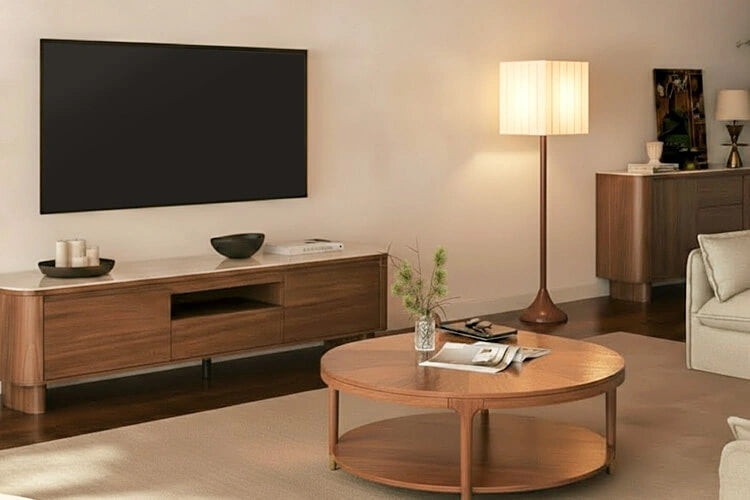
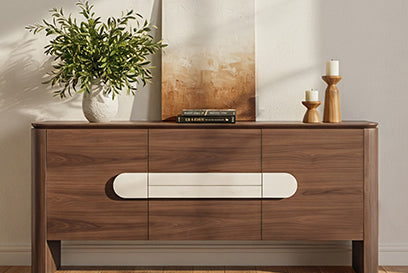
- For a 75-inch TV (about 66 inches wide), a 72-inch or wider stand provides a comfortable buffer. The 71" Otis Modern Wood Stylish Handles TV Stand delivers roughly 2.5 inches of clearance per side. This works well for most 75-inch setups, provided the TV's legs are not positioned at the extreme outer edges of the frame.
- For 85-inch TVs, the same numbers become marginal. An 85-inch screen at roughly 75 inches wide on a 79-inch console leaves only about 2 inches per side. The CPSC Anchor It! guidance and our own safety analysis show that at this size, the 3–6 inch overhang rule shifts from a comfortable aesthetic target to a minimum safety threshold.
Boundary Note: If your room layout is tight, a "flush" fit (where the TV and stand are the same width) is acceptable only if the TV is wall-mounted or the stand is professionally anchored to wall studs.

Optimal Viewing Height: Finding the Ergonomic Sweet Spot
Screen height grows dramatically with diagonal size. To avoid neck strain, the center of the TV should sit roughly at eye level when you are seated. For 75-inch and 85-inch models, this usually means choosing a low-profile media console between 15 and 22 inches tall.
According to THX and viewing-distance standards, keeping upward tilt under 15 degrees improves comfort.
- 15–18 inches: Ideal for standard sofas with a seat height of 17–19 inches.
- 19–22 inches: Better suited for firmer, higher seating or larger rooms where the viewing distance exceeds 12 feet.
- Exception: If you are using a "low-slung" floor lounge or beanbag-style seating, you may need a console even lower than 15 inches to prevent looking "up" at the screen.
Our low-profile media console guide explores how these lower heights create visual lightness while still delivering the storage modern setups require.
TV Width vs. Stand Width: 75-inch and 85-inch Fit Check
Use this sizing matrix to compare screen width, minimum stand width, and the remaining overhang for each TV size. The 85-inch set sits close to the edge of the common 3-6 inch side-support rule, so the fit becomes more marginal than the 75-inch example.
View chart data
| TV diagonal | Actual width | Recommended minimum stand width | Total overhang | Side overhang per side |
|---|---|---|---|---|
| 75-inch | 66 | 72 | 6 | 3 |
| 85-inch | 75 | 81 | 6 | 3 |
Safety First: Weight Support and Tip-Over Prevention
An 85-inch TV can easily exceed 100 pounds, especially premium Mini-LED or glass-fronted OLED models. The furniture beneath it must be rated for that load without bowing.
The CPSC Anchor It! campaign treats anchoring both the TV and the stand to the wall as the default recommendation for any 75-inch or larger setup.
- Weight Verification: Do not assume a "large" stand supports a "large" TV. Check the specific weight capacity. If your TV is over 100 lbs, ensure the stand uses solid wood or reinforced steel frames.
- Wall Type: Standard anchoring hardware is for drywall with studs. If you have masonry or plaster walls, you will need specialized anchors to ensure the 85-inch screen remains stable.

Depth and Clearance: Managing Cables and Airflow
Modern 4K and 8K setups generate significant heat. A practical rule of thumb is 2–3 inches of clearance around electronics for airflow.
- 16–20 inches of depth: This is the standard for housing AV receivers and gaming consoles.
- Boundary Note: If you only use a slim soundbar and internal TV apps, you can opt for a shallower 14-inch stand. However, for 85-inch TVs, a deeper stand (18"+) provides a wider footprint that significantly improves front-to-back stability.
Look for stands with integrated cable channels and open rear routing. The 71" Otis and Vision Mid-Century Modern Tambour Door TV Stand both offer practical cable management. Our cable-management and storage advice shows how thoughtful routing prevents the clutter that often appears after the first month of use.
Choosing Your Stand: A Final Checklist for 75-Inch and 85-Inch Screens
Use this decision framework before you buy:
- Measure Actual Width: Ignore the diagonal; get the horizontal inch count.
- Check the Base: Ensure the TV's legs/stand fit within the top surface of the console with at least 2 inches of clearance from the edge.
- Verify Weight: Confirm the console is rated for at least 20% more than your TV's weight to account for soundbars and decor.
- Plan for Anchoring: Ensure the stand design allows for wall-tethering.
Best fits from our collection:
-
71" Otis Modern Wood Stylish Handles TV Stand
- Verification Point: Best for 75" TVs. Check that your TV's leg-span is under 66" to ensure it sits fully on the surface.
-
79" Moore Modern Wood TV Stand with Drawer
- Verification Point: Suitable for 85" TVs. Must be paired with wall-anchoring hardware due to the narrow 2-inch side margins.
-
Vision Mid-Century Modern Tambour Door TV Stand
- Verification Point: Check internal shelf depth if you plan to house a full-sized AV receiver, as tambour doors require internal track space.
Frequently Asked Questions
How wide should a TV stand be for a 75-inch TV? A 75-inch TV is typically 65–66 inches wide. Adding the 3–6 inch overhang guideline on each side calls for a stand of at least 72 inches. The 71" Otis provides a practical fit for most standard rooms.
Can I put an 85-inch TV on a 79-inch stand? It is a marginal fit. The resulting overhang is only about 2 inches per side. This is acceptable only if the stand's weight capacity is verified (usually 100lb+) and the unit is anchored to the wall to prevent tipping.
How tall should a media console be for large TVs? For 75-inch and 85-inch models, a console 15–22 inches high is recommended. This keeps the screen center at eye level for viewers on standard 18-inch high sofas.
Do I need special cable management for 85-inch TV setups? Yes. High-bandwidth HDMI 2.1 cables are thicker and less flexible. Ensure your stand has at least 2–3 inches of rear clearance and dedicated routing holes to prevent cable strain and overheating.
Is wall anchoring required for 75-inch and 85-inch TVs? The CPSC strongly recommends anchoring for any screen 75 inches or larger. The high center of gravity on these large panels makes them a significant tip-over risk in households with children or pets.
What depth is best for a TV stand with storage? Sixteen to twenty inches of depth is ideal. This accommodates the TV's base while leaving room behind devices for ventilation and cable "bend radius."
Which Chita stand works best with an 85-inch TV? The 79" Moore is the most common match. However, always verify your TV's specific weight and leg-width against the Moore's specs before purchase.
Recommended Products


More to Read
 7 Sofa Trends That Actually Improve Comfort in 2026
Upgrade your living room with furniture that supports your body. Here are 7 modern sofa features designed to maximize your daily comfort...
7 Sofa Trends That Actually Improve Comfort in 2026
Upgrade your living room with furniture that supports your body. Here are 7 modern sofa features designed to maximize your daily comfort...
 Mother's Day Gift Guide: Cozy and Stylish Furniture Picks for Modern Moms
Make Mother's Day more meaningful with furniture gifts that bring comfort, smart features, storage, and quiet luxury into her everyday routine.
Mother's Day Gift Guide: Cozy and Stylish Furniture Picks for Modern Moms
Make Mother's Day more meaningful with furniture gifts that bring comfort, smart features, storage, and quiet luxury into her everyday routine.
 Performance Fabric Reality Check: Does It Really Repel Pet Hair and Stains?
Performance fabric is often marketed as a miracle solution for homes with pets and kids, but the reality is more nuanced. It...
Performance Fabric Reality Check: Does It Really Repel Pet Hair and Stains?
Performance fabric is often marketed as a miracle solution for homes with pets and kids, but the reality is more nuanced. It...