


















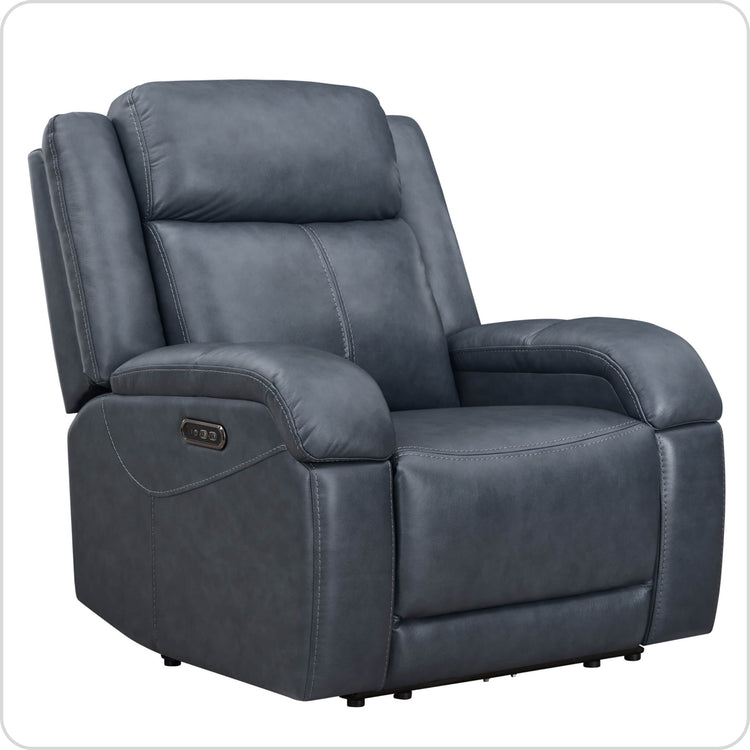
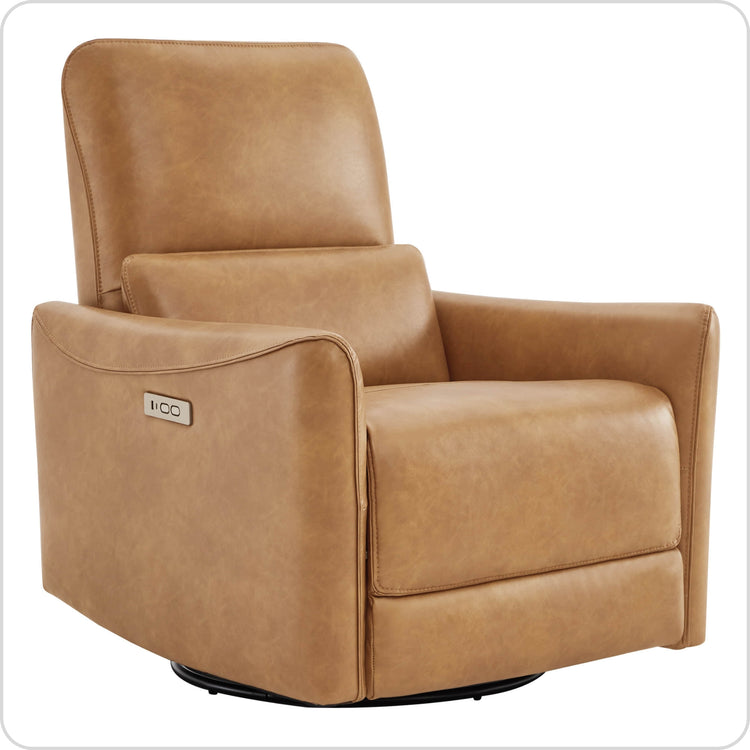



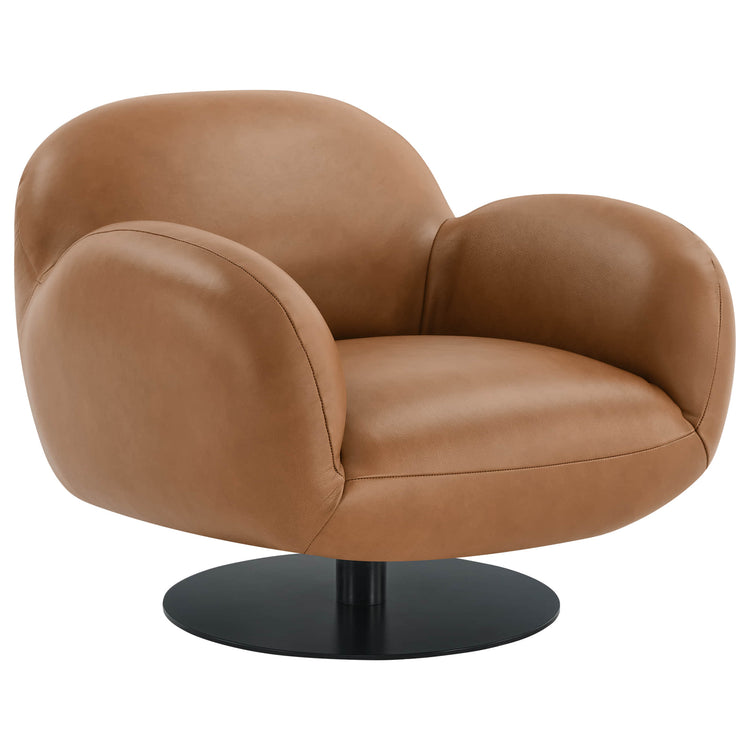























How to Clean a Faux Leather Sofa

A good how to clean faux leather couch routine starts with the care tag, not the cleaner. If the label allows water-based care, you can usually clean faux leather sofa surfaces with a simple sequence: dry first, wipe gently, dry immediately, and stop if the finish looks dull, sticky, or stressed.
Check the Finish Before You Clean
Faux leather does not all behave the same way, so the first question is what the care tag allows. The ACT cleaning codes tell you whether the upholstery is meant for water-based cleaning, solvent-based cleaning, both, or neither. That matters because a cleaner that works on one finish can leave another one cloudy or tacky.
Before you clean the visible surface, test a hidden spot with the cloth and method you plan to use. Wait for it to dry, then check for dulling, color transfer, seam wetting, or a changed texture. If any of those show up, back off and stay with the gentlest option the tag allows.
If the care tag is missing or unclear, keep the advice conservative: start with dry dust removal, then a barely damp cloth, and avoid anything abrasive or solvent-like until you know the finish can handle it.
Gather Safe Faux Leather Cleaning Supplies
You do not need a long supply list to clean faux leather well. Keep the routine kit small and low-risk:
- A soft microfiber cloth for wiping
- A second dry towel for buffing and drying
- Lukewarm water
- Mild soap or mild detergent, used only when the care tag allows water-based cleaning
- Optional: a vacuum with a soft brush attachment or a lint roller for crumbs, pet hair, and dust
The sofa collection is a browsing path if you are comparing upholstery options, but it should not be used to guess how a specific finish should be cleaned. For care itself, the safest routine is still the same: soft cloth, low moisture, and no rough pads.
Leave out abrasive sponges, heavy degreasers, soaking methods, and any cleaner that leaves a sticky residue. If a tool feels like it could scrub the finish instead of lift soil, it is the wrong tool for this job.

Clean the Surface Gently
For everyday dust, crumbs, and light buildup, start dry. Professional upholstery guidance puts dry soil removal first because grit can scratch the surface once moisture is added, and the IICRC S300 standard reflects that sequence. Use a soft brush attachment, lint roller, or dry microfiber cloth to lift loose debris before you touch the sofa with any wet cleaner.
After that, move to a lightly damp cloth. A major furniture care guide recommends a mild 10% detergent-to-water solution for general cleaning when water-based care is allowed, followed by a clean water rinse and immediate drying Haworth product care guidance. In plain terms, the cloth should feel damp, not wet enough to drip into seams.
Work in small sections. Wipe with light pressure, then follow with a dry cloth so the surface does not stay damp. That is especially important around stitching, folds, and seams, where moisture can collect and leave marks. If the sofa starts looking streaky, sticky, or overly shiny, stop and let it dry before deciding whether another pass is needed.
For the drying step, avoid heat tools. The Maxwell coated fabrics guide warns against hair dryers and heat guns on coated synthetic surfaces, and the safer move is simple: buff with a towel, then let the sofa air-dry.

Remove Common Stains Without Overdoing It
When you are dealing with stains, think in terms of gentle escalation, not stronger scrubbing. Blot spills first with a clean dry cloth, then use a light wiping pass only if the care tag and your hidden-area test support it. That approach matters because rubbing can spread the mark, push residue deeper into texture, or make the finish look worn.
Food and drink spills are usually the easiest to handle if you catch them early. Press, lift, and repeat with a clean section of cloth instead of rubbing in circles. Sticky residue, like a tacky drink spot or handprint, often responds better to repeated light passes than to pressure. The goal is to loosen the residue without scraping the surface.
Dark clothing can create another problem. Light faux leather can pick up dye from items like new blue denim, so wipe those transfer marks quickly rather than letting them sit Christie's fabric warning. That is one reason faux leather couch care should be fast after spills and everyday contact, not just a deep-clean project once in a while.
Grease and darker smudges may need a little more patience, but not more force. If the care tag allows water-based cleaning, a very small amount of mild soap can help. If the stain still does not budge after a few careful passes, stop and reassess instead of escalating automatically.
Some manufacturers allow a last-resort solvent step on stubborn PU stains, but that is an exception, not routine care. One Mitchell Collection care guide describes a bounded alcohol approach for select PU finishes, with spot-testing and a rinse afterward. Use that kind of step only if the care tag allows it and only after gentler methods have failed.
Keep Faux Leather Looking Good Longer
The easiest way to keep a faux leather sofa looking clean is to prevent buildup from winning. A simple weekly routine usually works better than occasional heavy cleaning:
- Dust or vacuum the surface with a soft attachment.
- Wipe obvious marks before they set.
- Clean spills right away instead of letting them dry.
- Check seams, folds, and high-touch areas for wear.
If you live with kids, pets, or frequent visitors, that quick routine matters even more because smudges and transfer marks show up faster. Direct sun and nearby heat sources can also age faux leather faster over time, so move the sofa away from strong sun or vents when you can sun and heat care note.
If you want more upholstery care ideas for similar surfaces, the fabric sofa cleaning guide is a useful follow-up, but always keep in mind that faux leather needs lower moisture and more careful drying than many fabrics.
Final Takeaway
The safest way to clean a faux leather sofa is to check the care tag first, remove dry soil, wipe gently with low moisture, and dry the surface right away. Use stain treatments only when you have a clear reason to escalate, and treat solvents as a last-resort exception, not everyday care. If the finish starts to dull, peel, or discolor, stop and reassess before cleaning further.
FAQs
What Is the Safest Way to Clean Faux Leather?
A soft microfiber cloth, a lightly damp wipe, and a hidden-area spot test are usually the safest starting point. If the care tag allows water-based cleaning, keep the cloth only slightly damp and dry the surface right away so moisture does not sit in seams or texture.
Can You Use Vinegar or Alcohol on Faux Leather?
Not as a routine cleaner. Some manufacturers allow a bounded alcohol step for select PU stains, but only with spot-testing and only when the care tag permits it. Vinegar and alcohol are better treated as exceptions than as general faux leather couch care.
How Do You Remove Sticky Residue From a Faux Leather Couch?
Use a dry cloth first, then make repeated light passes with a barely damp microfiber cloth. Gentle repetition is usually safer than scrubbing. Dry the area as soon as the residue lifts so it does not smear or re-stick.
What Should You Never Use on Faux Leather Furniture?
Avoid abrasive pads, soaking methods, heat tools, and harsh cleaners that can dull or damage the finish. If a product is meant for deep stripping, heavy degreasing, or fast drying with heat, it is usually the wrong fit for faux leather.
How Often Should You Clean a Faux Leather Sofa?
For most homes, weekly dusting or a quick wipe-down is enough to keep buildup under control, with spot cleaning as needed after spills. If the sofa gets heavy daily use, you may want a faster touch-up routine for armrests, seats, and seams.
Recommended Products




More to Read
 7 Sofa Trends That Actually Improve Comfort in 2026
Upgrade your living room with furniture that supports your body. Here are 7 modern sofa features designed to maximize your daily comfort...
7 Sofa Trends That Actually Improve Comfort in 2026
Upgrade your living room with furniture that supports your body. Here are 7 modern sofa features designed to maximize your daily comfort...
 Mother's Day Gift Guide: Cozy and Stylish Furniture Picks for Modern Moms
Make Mother's Day more meaningful with furniture gifts that bring comfort, smart features, storage, and quiet luxury into her everyday routine.
Mother's Day Gift Guide: Cozy and Stylish Furniture Picks for Modern Moms
Make Mother's Day more meaningful with furniture gifts that bring comfort, smart features, storage, and quiet luxury into her everyday routine.
 Performance Fabric Reality Check: Does It Really Repel Pet Hair and Stains?
Performance fabric is often marketed as a miracle solution for homes with pets and kids, but the reality is more nuanced. It...
Performance Fabric Reality Check: Does It Really Repel Pet Hair and Stains?
Performance fabric is often marketed as a miracle solution for homes with pets and kids, but the reality is more nuanced. It...