




































Are Marble Dining Tables Worth It in 2026?

Are marble dining tables worth it in 2026? For style-led buyers, often yes, but only if you want the look enough to accept regular stone care and a little surface sensitivity. If you want a dining table that disappears into daily life with almost no thought, marble is usually the wrong starting point.

What Marble Brings to a Dining Room
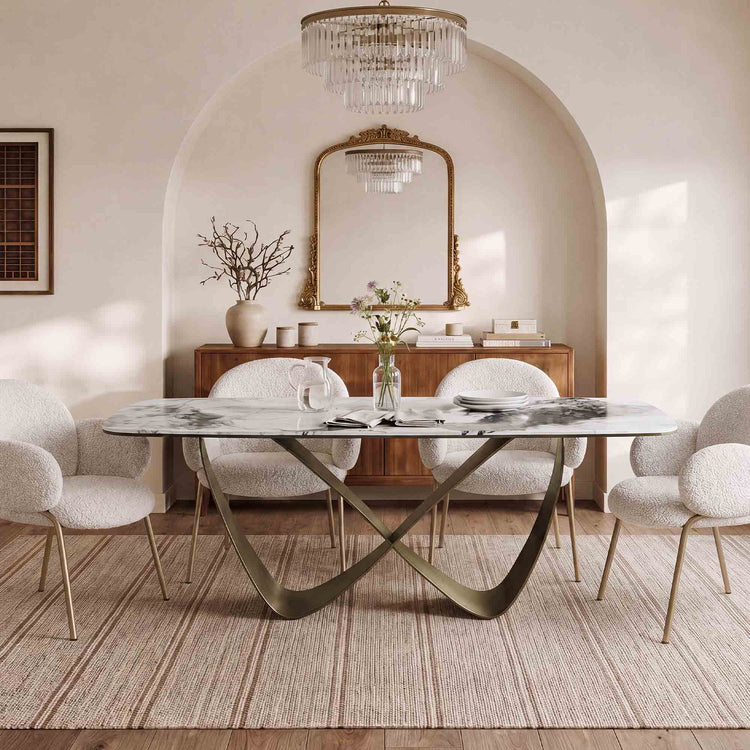
What you are really paying for is visual impact. Marble brings natural veining, variation, and a premium feel that can make a dining room look more finished without adding extra decor. That is a real part of the value question, because the best reason to buy marble is often emotional and design-led, not purely practical.
Marble is worth it when the table is meant to be a focal point and you are happy to treat the surface as a maintained material. It is less compelling when the room needs a hard-working surface first and a statement second. In other words, the choice is not marble versus "good" or "bad," but design payoff versus upkeep tolerance.
If you are refreshing a room and want more style ideas around the table itself, the Spring 2026 home refresh roundup is a useful starting point.
Marble Dining Table Pros and Cons
The biggest reason people choose marble is obvious: it looks elevated. A marble dining table can make even a simple dining setup feel more intentional, and it works in both classic and modern rooms. Buyers also like that the material feels substantial and distinctive rather than mass-market.
The hesitation usually starts with daily life. Marble can show etching, stains, or wear more visibly than lower-maintenance materials, especially if spills sit too long or the table gets treated like a no-worry surface. That does not make it a bad purchase, but it does mean the ownership experience matters as much as the first impression.
Finish and use pattern change the tradeoff. A marble table used mainly for weekend dinners or entertaining may feel easy to live with, while the same table in a high-traffic family space can feel fussy. The more casually the table will be used, the more the upkeep side of the equation matters.
How Durable Is Marble for Everyday Dining?
Marble can be durable enough for everyday dining, but durability here is not the same thing as being carefree. The Natural Stone Institute notes that marble is porous, so spills and cleaners matter, and that makes household habits a big part of the real durability story.
In practical terms, you should expect a marble table to ask for more attention than wood or sintered stone. Acidic spills, abrasive cleaning, and delayed wipe-downs are the kinds of things that create regret. Heat is a stronger point for marble than for some quartz-style resin surfaces, but heat resistance does not cancel out stain and etching concerns.

For a calmer home, that tradeoff may be manageable. For a busy family dining space with frequent meals, snacks, and last-minute cleanup, marble is harder to justify unless the look is the main goal and the household is comfortable with that extra care.
Marble vs. Other Dining Table Materials
Here is the shortest way to think about the comparison: marble wins on visual richness, wood usually wins on warmth and day-to-day ease, and sintered stone often wins on low-maintenance practicality. The right choice depends less on "best material" and more on which compromise you are willing to live with.
| Material | Look and Feel | Day-To-Day Upkeep | Spill And Heat Concerns | Family-Friendliness | Best Fit |
|---|---|---|---|---|---|
| Marble | Elegant, premium, distinctive | Needs more care and cleaner choices | More vulnerable to stains and etching from acidic spills; heat is less of a concern than liquids | Better for calmer households or lower-traffic rooms | Style-first buyers who want a statement table |
| Wood | Warm, familiar, versatile | Moderate upkeep, usually simpler day to day | Can mark or stain, but often feels more forgiving | Usually practical for busy homes | Buyers who want a balanced everyday option |
| Sintered stone | Clean, modern, crisp | Low-fuss and easier to keep tidy | Typically better suited to spills and heat than marble | Often a strong fit for active households | Buyers who want a stone-like look with fewer care worries |
For comparison, marble has a real heat advantage over quartz-style resin surfaces, which is part of why some buyers still choose it despite the extra care. The Dionyssos Marble comparison guide makes that distinction clear. If your main concern is lower-maintenance ownership, a sintered stone dining table is usually the more practical path to check first.
What Maintenance Marble Really Needs
Marble care is manageable, but it is not a one-time task. The Natural Stone Institute recommends neutral cleaners or mild dish soap and warns against acidic cleaners such as vinegar or lemon, which can etch the surface. That is the kind of detail that changes whether marble feels worth it in real life.
Sealing helps slow absorption, but it does not make marble stain-proof. The homeowner maintenance guidance is useful here because it frames sealing as protection, not a permanent shield. So the right expectation is simple: sealing can help, but routine care still matters.
The everyday habits are not complicated, but they do need to be consistent. Use coasters or placemats when it makes sense, wipe spills promptly, and avoid harsh scrubbing. The mistake most buyers make is assuming the surface can be treated casually because it is expensive. Marble is more forgiving when the household already has tidy habits.
Who Should Buy Marble and Who Should Skip It
Marble is a good fit if you want the room to feel elevated and you do not mind treating the table as a maintained surface. That usually describes style-focused buyers, hosts who use the dining room more for entertaining than for chaotic everyday meals, and apartment or condo shoppers who want one strong statement piece.
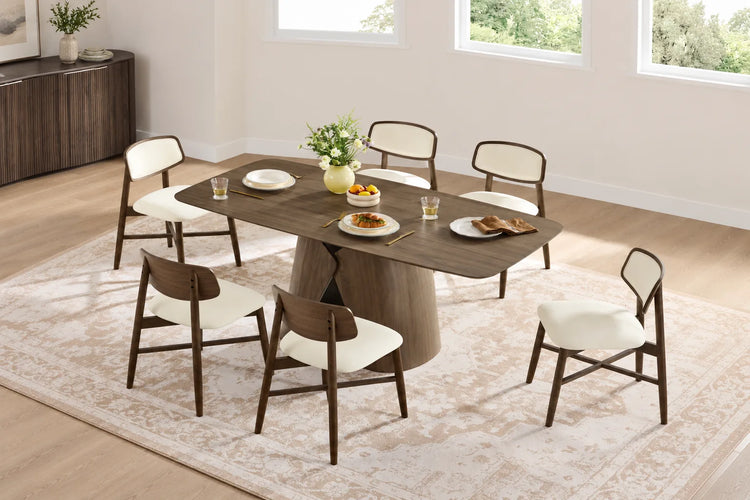
It is a weaker fit if your household wants low-maintenance convenience above all else. Busy families, frequent spill situations, and buyers who do not want to think about coasters, cleaners, and quick wipe-downs may be happier with sintered stone or wood. If you want a softer, more flexible look for a room with regular use, a wood dining table is often the easier compromise.
If you are building out a full dining setup, browsing a dining room set can also help you compare materials in one place instead of judging marble in isolation.
Final Checks Before You Decide
Before you buy, ask five quick questions: Will this table be used every day or mostly for guests? Can the household handle prompt spill cleanup? Are you fine with regular stone-safe care? Does the style payoff matter enough to justify that upkeep? If marble starts to feel like a chore instead of a design choice, it is probably not the right fit.
My rule of thumb is simple: choose marble if you want the look and can accept the care; choose sintered stone or wood if you want a table that is easier to live with.
FAQs
Can Marble Dining Tables Handle Daily Family Meals?
They can, but daily family use is where marble's upkeep expectations matter most. If your household is comfortable with quick cleanup, gentle cleaners, and some visible surface sensitivity over time, it can work. If "easy to live with" is the top priority, another material is usually less frustrating.
How Often Does a Marble Dining Table Need Sealing?
There is no universal schedule that fits every table, because sealing needs vary by stone, finish, and use. Treat sealing as periodic maintenance rather than a one-and-done fix, and check the maker's care guidance for the specific finish you are buying.
What Should You Avoid Putting on a Marble Dining Table?
Avoid acidic cleaners, abrasive scrubbers, and spills that sit too long. The safest everyday approach is to use neutral cleaning products, wipe up messes promptly, and treat the surface as something that benefits from a little prevention.
Why Do Some People Regret Buying Marble Dining Tables?
The biggest regret usually comes from mismatched expectations. Buyers often expect a luxury surface to be worry-free, then discover they need to be more careful with spills, cleaners, and daily wear than they planned.
Can a Marble Dining Table Be Worth It in a Small Space?
Yes, if the goal is a strong statement piece and the room benefits from a premium focal point. In a small apartment or condo, though, marble can feel like more visual weight than some buyers want, so scale and upkeep matter as much as style.
Related Resources
If you are still comparing room-friendly table shapes, the round dining table room-flow guide is a good next read. If you often host larger groups, the extendable dining table guide can help you decide whether flexibility matters more than stone.
Recommended Products



More to Read
 7 Sofa Trends That Actually Improve Comfort in 2026
Upgrade your living room with furniture that supports your body. Here are 7 modern sofa features designed to maximize your daily comfort...
7 Sofa Trends That Actually Improve Comfort in 2026
Upgrade your living room with furniture that supports your body. Here are 7 modern sofa features designed to maximize your daily comfort...
 Mother's Day Gift Guide: Cozy and Stylish Furniture Picks for Modern Moms
Make Mother's Day more meaningful with furniture gifts that bring comfort, smart features, storage, and quiet luxury into her everyday routine.
Mother's Day Gift Guide: Cozy and Stylish Furniture Picks for Modern Moms
Make Mother's Day more meaningful with furniture gifts that bring comfort, smart features, storage, and quiet luxury into her everyday routine.
 Performance Fabric Reality Check: Does It Really Repel Pet Hair and Stains?
Performance fabric is often marketed as a miracle solution for homes with pets and kids, but the reality is more nuanced. It...
Performance Fabric Reality Check: Does It Really Repel Pet Hair and Stains?
Performance fabric is often marketed as a miracle solution for homes with pets and kids, but the reality is more nuanced. It...