






































How to Clean Outdoor Tables by Material: Wicker, Metal, Wood & Stone

How to clean outdoor tables safely depends on their material and finish, not one all-purpose formula. Wicker, metal, wood, and stone each react differently to water, chemicals, and abrasion, so the safest path starts with identifying what you have and reading any current care instructions before you touch a cleaner. This outdoor table cleaning guide walks through wicker, metal, wood, and stone, then covers drying, stain triage, and how often to clean so you can protect the finish while still getting the table clean.

Before You Clean: Identify the Material and Finish
Before you decide how to clean outdoor tables, confirm the exact material and finish before you pick a cleaner, brush, or hose setting. A quick material check prevents the most common mistake: treating every "wicker," "metal," or "stone" table the same way when the finish underneath controls what is actually safe.

| Material or finish | Conservative starting path | Avoid or stop boundary |
|---|---|---|
| Synthetic or resin wicker | Warm water, mild soap, soft brush on the weave | Stop if strands loosen or the coating dulls |
| Natural or unknown wicker | Light dusting and a barely damp cloth only | Avoid soaking; stop if fibers feel weak |
| Painted or powder-coated metal | Mild soap and water, soft cloth | Avoid abrasives; stop at chipped paint or active rust |
| Bare or unknown metal | Dry dusting, spot-check mild soap first | Stop before any rust remover or solvent |
| Finished or sealed wood | Mild soap and water, dry promptly | Stop before oiling, sanding, or refinishing |
| Natural stone | Neutral stone cleaner or mild dish soap, rinse, soft-cloth dry | Avoid acids, abrasives, and ammonia mixed with bleach |
| Sintered stone | Follow current product-specific instructions | Do not assume natural-stone rules apply |
Once you know where your table falls, run this short preparation sequence:
- Identify the material and, where possible, the exact finish (painted, sealed, natural fiber, sintered slab, and so on).
- Check any current care label or product page for instructions specific to that piece.
- Remove cushions, centerpieces, or other accessories before you start.
- Test an unfamiliar cleaning formulation on a small hidden area first, and never mix ammonia with bleach, since greener cleaning practices call for hidden-area testing and label-directed use of any stronger product in a ventilated space.
- Stop and switch to a gentler method if the finish changes color, texture, or sheen anywhere you've tested.
How to Clean Wicker Outdoor Tables
Wicker describes a weave, not a single material, so the safe cleaning method depends on whether the strands are synthetic resin, natural fiber, or unidentified. Confirming that composition first keeps you from soaking a natural weave that was never meant to get wet.
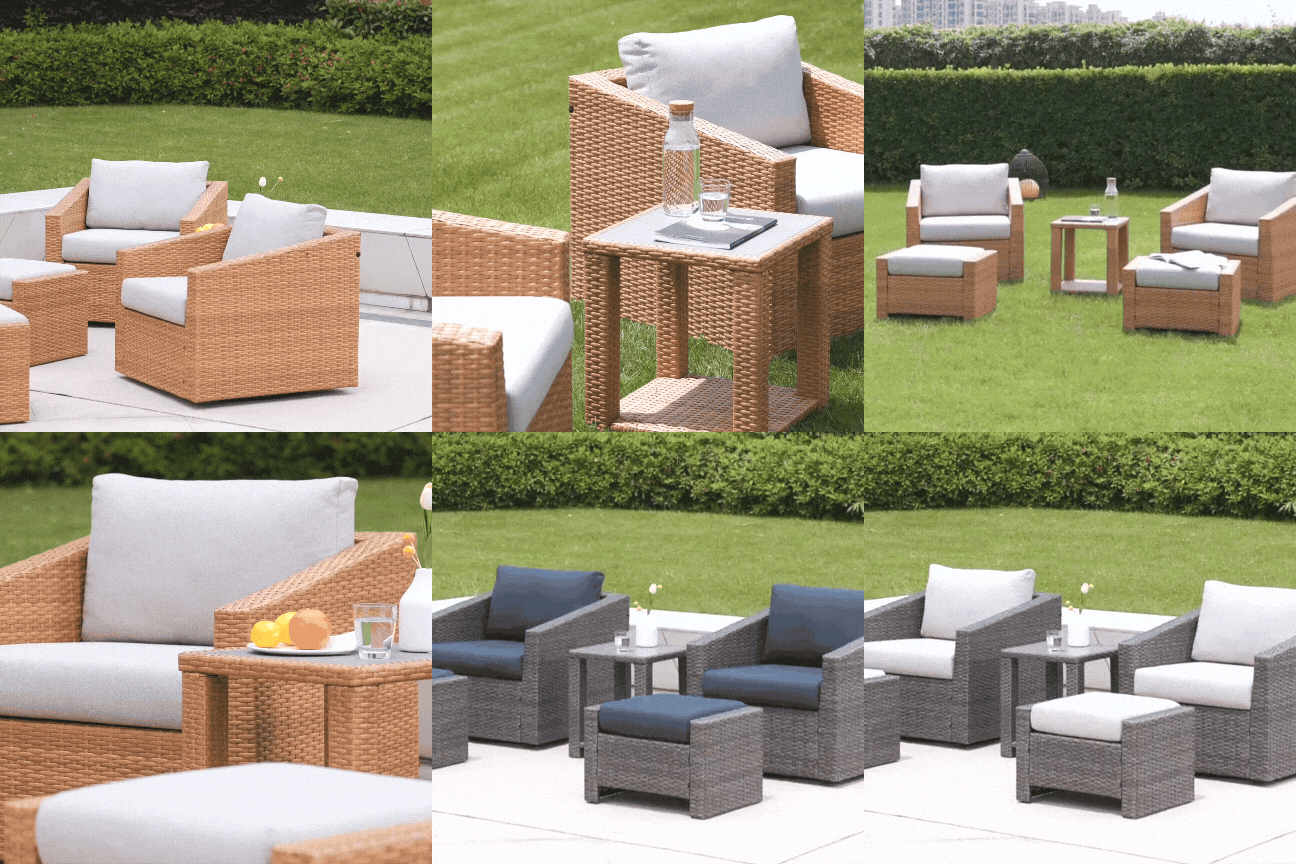
- Identify whether the weave is all-weather PE resin, natural fiber, or unknown; a resin-and-steel-frame piece like our Liana sofa is a good reference point for what a documented synthetic weave looks like.
- Remove loose debris from between the strands with a soft brush or vacuum attachment before adding any liquid.
- For documented synthetic resin wicker, wipe with a soft cloth and warm water with a little mild soap, working into the weave gently.
- For natural or unidentified wicker, skip soaking and use only a lightly damp cloth, since moisture can weaken natural fibers over time.
- Wipe away soapy residue with a clean, damp cloth and let the piece air-dry before use.
Stop the routine and hold off on stronger cleaning if strands start to unravel, a coating changes appearance, or a stain does not lift after this gentle pass. That is a sign to check manufacturer instructions rather than escalate to soaking, scrubbing, or chemical cleaners.
How to Clean Metal Outdoor Tables
The finish, not just the word "metal," decides what you can safely use. Painted, powder-coated, aluminum, bare steel, and wrought iron surfaces all tolerate different levels of moisture and abrasion, so confirm the finish before wiping anything down.
- Identify the finish: painted, powder-coated, anodized aluminum, bare steel, wrought iron, or unknown.
- For an intact painted or powder-coated surface, wipe with mild soap and water on a soft cloth, then rinse and dry.
- Check closely for chipped paint, pitting, or rust spots while you clean.
- If the coating is damaged or corrosion is spreading, stop routine cleaning and hold off on abrasives, solvents, or rust removers until you've checked product-specific guidance, since metal patio furniture starts rusting once moisture reaches exposed iron or steel and the reaction can accelerate with the wrong cleaner.
- Dry the surface fully; do not leave water sitting in seams, joints, or bolt holes.
An unknown finish or visible corrosion is a stop point, not a reason to reach for a stronger product. Product-specific instructions should take priority over general guidance once damage is visible.
How to Clean Wood Outdoor Tables
Cleaning wood starts with knowing the wood type and the existing finish, whether that's acacia or another outdoor wood, and whether the surface is sealed, oiled, painted, or untreated. That finish decision determines how much water and soap the wood can safely handle.
- Identify the wood (acacia and similar outdoor hardwoods are common) and note whether it is sealed, oiled, painted, or left untreated.
- Dust or brush off loose debris before adding any liquid.
- For a sealed or finished surface, wipe with a soft cloth dampened with mild soap and water, working with the grain, only when current product instructions permit that method.
- Wipe away soap residue with a clean, damp cloth, then dry the surface promptly so water doesn't sit on the wood.
- Decide separately whether the table needs follow-up treatment: cleaning is not the same task as oiling, sealing, sanding, or refinishing.
Stop before sanding, oiling, sealing, or refinishing if the wood is cracked, splintering, graying unevenly, or you're not sure what finish is already on it. Those follow-up treatments depend on the specific product and are worth checking against current manufacturer instructions rather than guessing.
How to Clean Stone Outdoor Tables
Natural stone and sintered stone need different care decisions even though both are commonly called "stone." Confirm which one you have before choosing a cleaner, because the chemistry that's safe for one is not automatically safe for the other.
Natural Stone: Use a Neutral, Rinse-and-Dry Routine
For identified natural stone, follow the Natural Stone Institute's care guidance: clean with a neutral stone cleaner, stone soap, or mild liquid dish detergent with warm water; rinse the surface thoroughly and dry it with a soft cloth rather than letting it air-dry. Avoid products with lemon, vinegar, or other acids because they can etch or dull some natural stones, and skip abrasive scouring powders because they may scratch certain stones. Never mix ammonia with bleach, as the combination can create toxic gases.
Sintered Stone: Follow the Product-Specific Care Boundary
Sintered stone is a manufactured slab, not a natural mineral surface, so natural-stone chemistry guidance doesn't automatically transfer to it. Our Teresa collection identifies a glossy sintered-stone top as one example of this material; for any sintered-stone table, follow the manufacturer's current care instructions rather than assuming the natural-stone routine above covers it completely. Stop and consult those instructions if the finish reacts to a cleaner or a stain doesn't respond to a light wipe-down.
Stubborn Stone Stains: Identify Before Escalating
A stubborn mark on stone is a reason to slow down, not scrub harder.
- Blot a fresh spill immediately with a paper towel instead of wiping it, since wiping can spread the stain across the surface.
- Flush the area with plain water and mild soap, rinse several times, and dry thoroughly with a soft cloth.
- Identify the stain type, since organic, oily, metallic, and biological stains each need a different treatment; persistent or deep-seated stains, including some rust marks, may require a poultice or a stone professional, and deep rust staining can be permanent.
Drying and Preventative Maintenance
Dry your table completely before covering or storing it, because trapped moisture can undo the cleaning you just did and invite new buildup. Start drying as soon as you finish rinsing or wiping down the surface.
- Remove standing water first, and tilt or drain the top if the design safely allows it.
- Wipe away any remaining soap residue with a clean, damp cloth, following the same material-specific method you used to clean.
- Dry accessible surfaces with a soft cloth where the material calls for it, especially stone and wood tops.
- Let the table air-dry completely in a ventilated spot before adding a cover, moving it into storage, or replacing cushions and accessories.
Between cleanings, wipe up spills promptly, clear leaves and pollen before they sit for days, and use breathable covers where your table's material benefits from airflow. A quick inspection at the start of outdoor season catches buildup before it sets in. While comparing table surfaces, review sintered stone dining table options and confirm the care instructions for the exact table you choose.
FAQ
How often should I clean my outdoor table?
There's no single fixed interval. Clean spills and visible buildup as soon as you notice them, and give the table a fuller wipe-down at the start of outdoor season. Tables exposed to heavy pollen, frequent rain, direct food contact, or deep shade tend to need more frequent attention than covered or lightly used pieces.
Can I use a pressure washer on my patio table?
There's no universal yes here. Pressure washing can strip paint, loosen wicker weaves, drive water into seams, or damage stone sealants, so avoid it on any table with an unknown, coated, woven, or sealed finish. Use a pressure washer only if the manufacturer's current instructions specifically permit it for your exact table, and stick with the gentler wipe-down methods above otherwise.
What is the best way to remove stubborn stains from stone?
Blot a fresh spill rather than wiping it, then rinse the area with plain water and mild soap and dry it thoroughly. From there, identify what caused the stain, since organic, oily, metallic, and biological marks each need a different stone-safe treatment. If the stain remains after that, a poultice or a stone care professional is a safer next step than a stronger cleaner or scrubbing.
Sources
- Natural Stone Institute (n.d.). Learn About Cleaning Products for Natural Stone.
- Natural Stone Institute (n.d.). Remove Stains from Stone Applications.
- Utah State University Extension (n.d.). Greener Cleaners.
- Iowa State University Extension (1996). Maintenance of Outdoor Furniture.
Recommended Products



More to Read
 7 Sofa Trends That Actually Improve Comfort in 2026
Upgrade your living room with furniture that supports your body. Here are 7 modern sofa features designed to maximize your daily comfort...
7 Sofa Trends That Actually Improve Comfort in 2026
Upgrade your living room with furniture that supports your body. Here are 7 modern sofa features designed to maximize your daily comfort...
 Mother's Day Gift Guide: Cozy and Stylish Furniture Picks for Modern Moms
Make Mother's Day more meaningful with furniture gifts that bring comfort, smart features, storage, and quiet luxury into her everyday routine.
Mother's Day Gift Guide: Cozy and Stylish Furniture Picks for Modern Moms
Make Mother's Day more meaningful with furniture gifts that bring comfort, smart features, storage, and quiet luxury into her everyday routine.
 Performance Fabric Reality Check: Does It Really Repel Pet Hair and Stains?
Performance fabric is often marketed as a miracle solution for homes with pets and kids, but the reality is more nuanced. It...
Performance Fabric Reality Check: Does It Really Repel Pet Hair and Stains?
Performance fabric is often marketed as a miracle solution for homes with pets and kids, but the reality is more nuanced. It...