






















Outdoor Coffee Table vs. Side Table: Which Works Better for Your Patio?

In an outdoor coffee table vs side table comparison, neither option wins for every patio. A coffee table usually works best when lounge seating needs one central, shared surface. Side tables work best beside individual seats or when the space is too tight for a larger central piece. A combination can work, too, but only when the layout genuinely needs both types of access.

Which Table Works Better for Your Patio?
Start with how you’ll use the space, not with the table category. If several seats need to reach the same drinks, snacks, or shared items, a coffee table is the better fit. If each seat mainly needs its own nearby surface—or the floor area is limited—start with side tables.

Three factors decide the choice: whether access should be shared or individual, how much usable floor space you have, and how the seating is arranged. Match the table to the actual footprint of your seating area, from a small balcony to a multi-zone deck, rather than choosing by product label alone.
What an Outdoor Coffee Table Does Best
An outdoor coffee table creates one central surface that several seats can reach at once. It’s a natural fit for a sofa or sectional arranged around a shared conversation area, where people can set down drinks, snacks, or a shared bowl.
The tradeoff is its footprint. Because a coffee table sits in the middle of the seating group, it needs enough room without blocking the path to the seats or through the patio. Even a patio with plenty of total square footage can feel cramped if the table’s width and depth crowd the walkway between the sofa and the rest of the space.
Don’t assume a central table fits just because the patio “has room.” Test its footprint against your specific seating arrangement, including the paths people will use to reach and leave their seats.
What an Outdoor Side Table Does Best
An outdoor side table stays close to one seat, such as a lounge chair, the end of a sofa, or a compact balcony seat. It gives that seat a convenient spot for a drink, phone, or book without relying on a shared surface across the group.
Because side tables are small and flexible, you can use several to serve separate seats when no shared surface is needed. This setup works well with individual or movable seating, where chairs get repositioned and a fixed central table could get in the way.
The tradeoff runs the other way: individual surfaces don’t automatically create one shared landing spot for a larger group. If several people need the same items at once, a collection of side tables may leave someone without convenient access.
Compare Coffee Tables and Side Tables by Space, Seating, and Use
The table below highlights the practical tradeoffs so you can match each option to your layout before you shop.
| Table Type | Pros | Cons | Ideal Patio Use |
|---|---|---|---|
| Outdoor coffee table | Gives several seats one shared surface; anchors a lounge grouping | Its central footprint can crowd walking paths if you don’t measure it against the seating | Sofas or sectionals arranged around shared conversation and drinks |
| Outdoor side table | Small footprint; stays with an individual seat; easy to reposition | Doesn’t create one shared surface for an entire group | Individual chairs, movable seating, and compact balconies |
Use the space row as the final check for the outdoor coffee table vs side table decision. If a central footprint crowds the usable path, test side-table placement instead; if separate seat-level surfaces would leave a group without a shared landing spot, keep a coffee table in consideration.
When a Coffee Table and Side Tables Work Better Together
Combine a coffee table with one or more side tables when the group needs a shared central surface and at least one seat still lacks convenient access. This setup often suits a sectional with an extra chair, a larger conversation area, or a deck with more than one seating zone.
- Identify the shared access need. If several seats can already reach a central surface comfortably, that job is covered.
- Identify any seat that still lacks convenient access. A chair set apart from the main group or an extra seat added later may need its own surface.
- Mark the combined footprints of both tables in the actual layout. Remove the second table if it doesn’t add a distinct benefit or crowds the space.
Skip the combination when the second table would only duplicate the first or when the combined footprints interfere with movement through the seating area.
What to Check Before You Shop
Check the exact footprint and height before buying a coffee table or side table. A listed measurement only helps once you compare it with your actual seating area.
- Tape out the table’s listed width, depth, or diameter directly on the patio where you plan to place it.
- Place or sketch the seats around that footprint, then walk the path you would normally use to sit down.
- Compare the table’s listed height with the nearby seat’s height, arm position, and the reach required from that seat. Don’t rely on a general height rule.
- Confirm the exact configuration, dimensions, and retailer terms on the product page before buying.
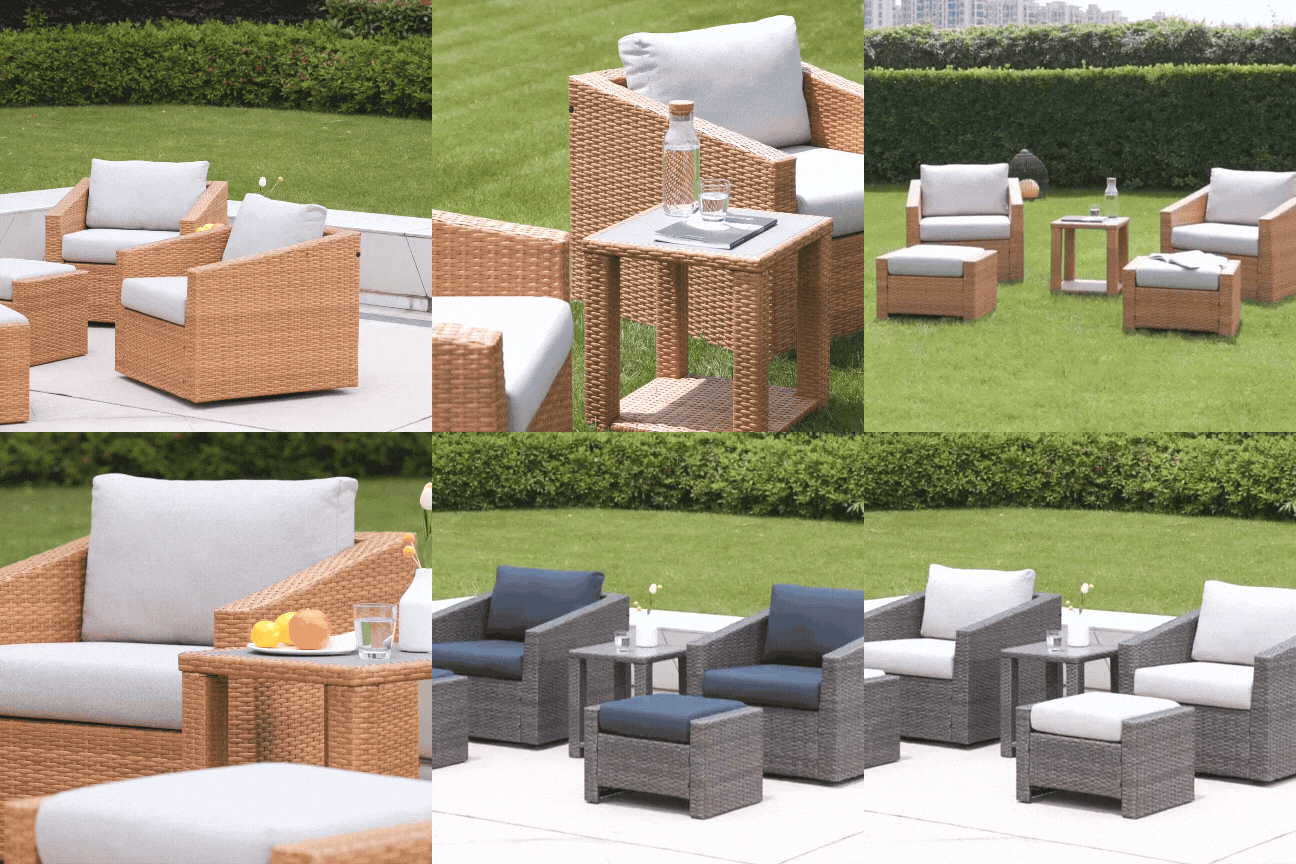
For example, the Liana Wicker Outdoor 5 Seats Sofa Set lists a coffee table that is 40.9 inches wide, 22.4 inches deep, and 14.2 inches high. Its side table has a 20.1-inch-diameter top and is 19.7 inches high. These measurements apply to that set, not to every patio table, but they show what to tape out and test before you buy. The same approach applies to other patio purchases covered in these outdoor furniture shopping checks.
FAQs
Is a coffee table or side table better for a small patio?
Start with a side table if you have only one or two seats that need a nearby surface. Its smaller footprint is easier to fit without crowding a tight space. A coffee table is worth considering only if you’ve measured a central footprint that fits and you need shared access for more than one seat.
Can side tables replace an outdoor coffee table?
Yes, when you need a surface beside each individual seat instead of one shared landing spot. Side tables don’t recreate a single central surface for a group, so a coffee table is still the better choice when several people need to reach the same items at once.
How do I check whether a patio table is the right height?
Compare the table’s listed height with the nearby seat’s height, including the arm position and the reach required from that seat. There’s no universal height rule; the right fit depends on the specific chair or sofa you’re pairing it with.
Can I mix an outdoor coffee table with one or more side tables?
Yes, as long as each table solves a different problem. The coffee table provides shared access for the group, while the side tables serve seats that would otherwise lack a convenient surface. Mark out the combined footprints before buying both to make sure people can still move through the seating area.
Choose by Patio Scenario
Match the setup to the seating pattern, then verify the chosen product’s footprint against the available floor area.
Entertaining With Multiple Seats
Start with a coffee table, since one shared surface usually serves a group better than several scattered ones. Add a side table only if a specific seat is out of easy reach and the extra footprint fits the layout.
Lounging With a Sofa or Sectional
Choose a coffee table when the seating is built around one shared conversation area. Switch to side tables if the central footprint doesn’t fit or if people need access beside individual seats rather than across the group.
Small Balcony or Compact Seating
Start with a side table sized for the one or two seats you have. Check its exact footprint against the available floor area before buying, since balcony space rarely has room to spare.
Individual or Movable Seating
Choose side tables when surfaces need to move with individual chairs. Recheck the layout whenever you rearrange the seating, since a table that fits one arrangement may not fit the next.
Large Deck or Multiple Seating Zones
Consider a mixed setup only when separate zones need different types of access, shared access in one area and individual access in another. A large deck doesn’t automatically need more tables; each table should solve a distinct problem.
Explore our Chita Living outdoor seating and table sets to find options that fit the setup you’re planning.
Recommended Products

More to Read
 7 Sofa Trends That Actually Improve Comfort in 2026
Upgrade your living room with furniture that supports your body. Here are 7 modern sofa features designed to maximize your daily comfort...
7 Sofa Trends That Actually Improve Comfort in 2026
Upgrade your living room with furniture that supports your body. Here are 7 modern sofa features designed to maximize your daily comfort...
 Mother's Day Gift Guide: Cozy and Stylish Furniture Picks for Modern Moms
Make Mother's Day more meaningful with furniture gifts that bring comfort, smart features, storage, and quiet luxury into her everyday routine.
Mother's Day Gift Guide: Cozy and Stylish Furniture Picks for Modern Moms
Make Mother's Day more meaningful with furniture gifts that bring comfort, smart features, storage, and quiet luxury into her everyday routine.
 Performance Fabric Reality Check: Does It Really Repel Pet Hair and Stains?
Performance fabric is often marketed as a miracle solution for homes with pets and kids, but the reality is more nuanced. It...
Performance Fabric Reality Check: Does It Really Repel Pet Hair and Stains?
Performance fabric is often marketed as a miracle solution for homes with pets and kids, but the reality is more nuanced. It...