
























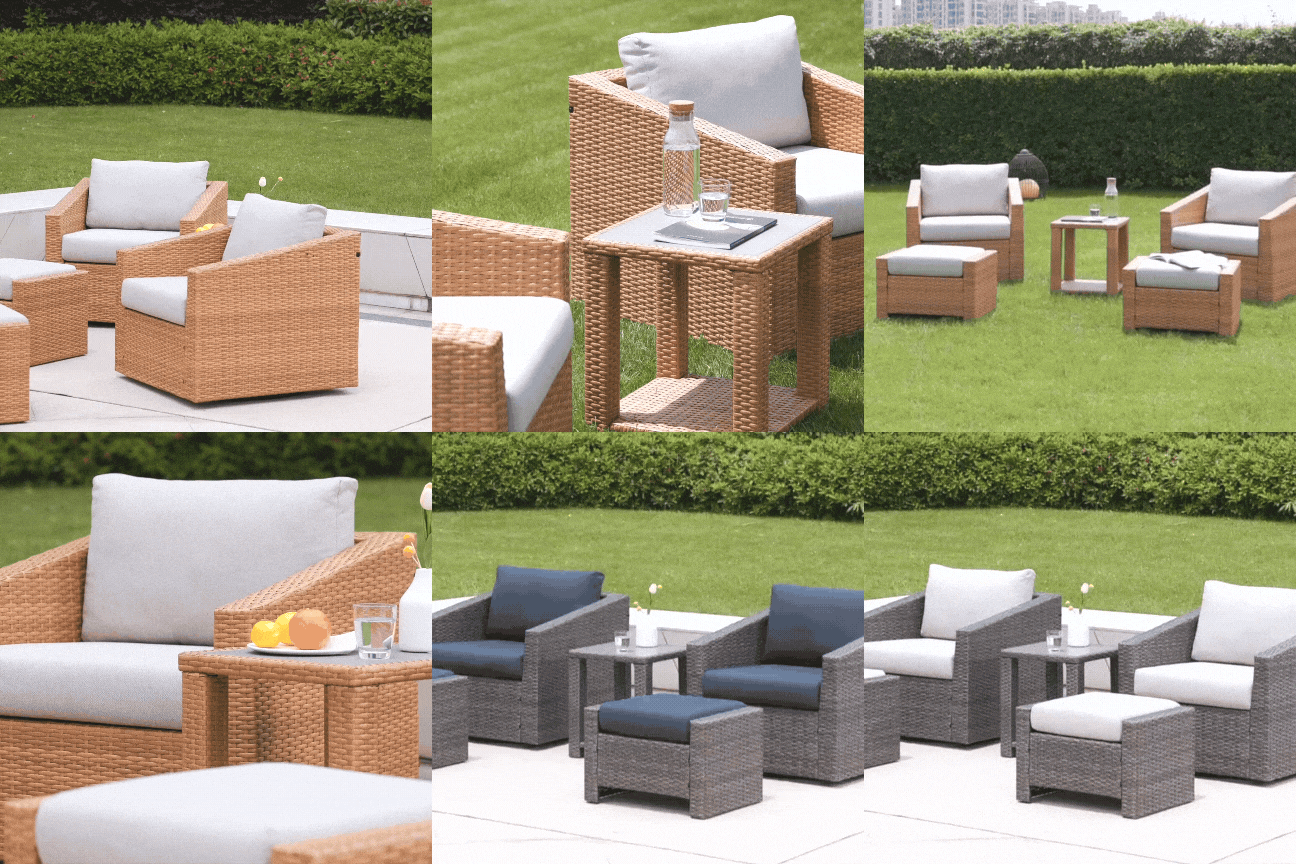







There's no single lifespan number that applies to every outdoor rope chair left in the sun and rain. The exact rope fiber and weave, how much direct sun the chair gets, how well it dries after rain, and how closely you follow the manufacturer's care instructions all change the outcome. A chair in full, unbroken sun with no drainage will show wear years before a similar seat kept in partial shade and cleaned promptly after storms.

How Long Do Outdoor Rope Chairs Last in Sun and Rain?
Instead of asking for one warranty-style number, judge your exact chair against five variables: the rope's exact fiber and how it's woven, how much direct sun the seating area gets each day, how quickly the chair dries after rain or a poolside splash, how much abrasion it takes from regular use, and the current condition of the frame, joints, and weave tension. Two chairs built from the same general fiber can age at very different rates once you change any one of these conditions.

Before you compare a lifespan claim across listings, pull up the exact specification sheet or owner's manual for that model. Look for the rope's exact material name, any UV-stabilization or weathering test data, the frame material, and the manufacturer's cleaning and storage instructions. A retailer's general description of "weather-resistant rope" is not the same as a documented UV rating or absorption figure, and treating it that way can lead you to overestimate how long a chair will hold up on your specific patio or deck.
Olefin and Polypropylene Rope: What the Material Evidence Shows
General polypropylene rope research supports moisture resistance, not a specific furniture lifespan. Exact absorption and UV numbers belong to individually tested products, not to every rope labeled polypropylene.
What the Polypropylene Evidence Supports
According to research published by the University of Alaska Fairbanks Sea Grant program, polypropylene rope resists moisture without losing strength when wet, which is part of why it holds up better than natural fiber rope in rain and humidity. The same guide notes that polypropylene is more susceptible to abrasion and ultraviolet damage than nylon or polyester, and that aging rope often becomes prickly to the touch before other damage appears. That guidance describes rope in general marine and utility use, not woven furniture, so treat it as a baseline for how the fiber behaves rather than a promise about your exact chair's finish, coating, or construction. A manufacturer specification data sheet for a specific 100% virgin polypropylene monofilament fiber lists nil water absorption and excellent UV resistance, but those exact ratings apply only to that tested fiber, not to polypropylene rope in general.
What to Verify Before Buying
Before buying, confirm three things on the listing or spec sheet:
- The exact rope fiber, and whether the description covers the rope, the cushion fabric, or both, since cushions and rope can use different materials.
- Whether the listing includes UV-stabilization, colorfastness, or weathering test data, rather than only a general "weather-resistant" label.
- The weave construction, frame material, drainage design, and current cleaning and storage instructions, ideally pulled from the specifications page for a polypropylene rope chair rather than a general product description.
How UV Exposure Ages Outdoor Rope
Full sun is a stricter test for outdoor rope than partial shade, because sustained ultraviolet exposure and higher surface heat accelerate the same abrasion and stiffening the material evidence describes. If your patio or deck gets direct sun most of the day, expect faster surface change than a chair kept under a pergola, umbrella, or covered porch.
A breathable cover or added shade reduces direct exposure, but neither is a guarantee against fading or stiffening, since heat and reflected light still reach covered furniture. What matters more is what you find when you run a hand over the rope. Fading alone is cosmetic and doesn't change how the chair holds weight. Roughness, prickliness, fraying strands, flattened sections, or looseness in the weave are different signals, and they mean the fiber itself has changed. Check those spots at the seat edges, armrests, and any point where rope crosses a frame joint, since those areas take the most friction and sun. If cushion covers fade or feel dry faster than the rope does, our weather-resistant outdoor fabric guide covers cover-specific care separately from the rope itself.
Rain Resistance, Drying, and Routine Cleaning
Polypropylene rope's low water absorption doesn't mean every part of your chair is waterproof. Cushions, finishes, frame joints, and drainage design all respond to rain differently, so treat the whole chair, not just the rope, as the thing you're protecting.
Rain Resistance Is Not Waterproofing
The rope itself sheds water quickly, but cushions, foam padding, wood finishes, and metal hardware don't share that behavior. A cushion that traps moisture, a frame joint that stays damp, or a weave that dries slowly in a shaded corner can all cause problems even when the rope tests dry within minutes. Slow drying is usually the real issue behind mildew smells or musty cushions, not the rope fiber itself. Check how quickly water actually leaves the seat after a storm, not just whether the rope feels wet to the touch.
A Conservative Cleaning Routine
Follow a gentle, three-step routine for regular dirt, spills, and sunscreen residue:
- Brush off loose debris and check the exact care instructions for your chair before applying anything else.
- Spot-clean the affected area with a soft brush or cloth, using only the cleaning agents the manufacturer allows, and work in the direction of the weave to avoid loosening strands.
- Rinse or wipe away residue as directed, then set the chair where air can move through the weave and let every component dry completely before you cover or store it.
For fabric-specific stain removal and drying steps, our guide to cleaning wicker outdoor furniture walks through the same gentle approach for other woven patio pieces.
Should You Power Wash an Outdoor Rope Chair?
Only pressure wash woven furniture if the exact current care instructions for that model explicitly say it's safe. If they don't mention pressure washing, or you can't find them, skip it and use the gentle hand-cleaning routine above instead.
Pressure washing is a model-specific permission, not a general patio-cleaning shortcut. A concentrated stream of water can loosen weave tension, drive water into cushion foam or frame joints, or strip finish from wood and metal parts, and there's no way to know a safe pressure, nozzle, or distance for a mixed-material chair without the manufacturer's say. If your chair's documentation is silent on pressure washing, treat that silence as a stop sign rather than an invitation to guess at a setting. When in doubt, gentle hand cleaning removes dirt and residue without gambling on equipment the manufacturer never tested for that piece.
Winter Storage for Rope Chairs
Clean and fully dry your woven patio seating before storing it for winter, since packing away a damp frame is what turns light moisture into a bigger problem. Once it's dry, keep rope furniture off the floor, in a cool, dry, well-ventilated spot away from direct sunlight, which mirrors general guidance for storing rope over long periods.
Work through the sequence in order: wipe down and inspect the rope, frame, and cushions; let every component air-dry completely, including any spots that stayed damp after your last cleaning; position pieces so air can still reach the weave instead of stacking them tightly; and store rope areas elevated rather than directly on a garage or shed floor, where ground moisture and temperature swings are worse.
Cushions, wood finishes, and freeze exposure are places where instructions genuinely differ by model. Some cushion covers need to come indoors, some wood finishes need a specific conditioner before winter, and some chairs have documented cold-weather limits. Check the exact manual for your chair on these three points before you finalize your storage plan.
Seasonal Maintenance Checklist for Rope Seating
Use this seasonal rundown to catch avoidable wear before it becomes a bigger repair. It groups decisions from this guide by timing rather than adding new rules.
- Spring: Inspect rope texture, weave tension, frame joints, and cushions for fraying, flattening, or looseness before regular use starts.
- Active season: Wipe off debris, spills, and sunscreen residue promptly, clean only with methods your care instructions allow, and let every component dry fully after rain before covering the chair.
- Fall: Clean and inspect again, separate or position parts for airflow, and move the chair to a dry, ventilated, elevated storage spot before extended winter exposure sets in.
Skipping these steps across a full season increases the risk of avoidable wear. Take five minutes to inspect your patio seating now, verify your manufacturer care tag, and adjust daily shade or airflow before heavy seasonal weather begins.
FAQs
What Does Prickly or Rough Outdoor Rope Mean?
A rough or prickly feel is an inspection signal, not an automatic replacement deadline. It often shows up as polypropylene rope ages under UV exposure and abrasion. When you notice it, check nearby areas for fraying strands, flattened sections, or looseness in the weave. If those signs stay limited to one spot, that area may just need lighter use, but damage spreading across the seat or armrests is worth a closer look before continued regular sitting.
What Should I Do If My Chair Has No Care Label?
Contact the manufacturer or retailer for the exact model's current care instructions before trying anything beyond basic dusting. Until you have that guidance, stick to gentle hand cleaning with plain water or mild soap and skip pressure washing or stronger chemicals. Guessing at cleaning methods without model-specific instructions carries the same risk as pressure washing without permission: you could damage a rope or cushion material you haven't identified yet.
Does Covering Patio Rope Furniture Prevent UV Damage?
A breathable cover or added shade reduces direct UV exposure, but it isn't a guarantee against fading or stiffening, since heat and reflected light still reach covered furniture. Covering also isn't a substitute for airflow. Never cover a rope chair while the rope or cushions are still damp, since trapping moisture under a cover can cause more problems than the sun exposure it's meant to prevent.
Can I Cover Woven Outdoor Furniture Right After It Rains?
Wait until the rope, cushions, and any other moisture-holding parts are fully dry according to your chair's care instructions before covering or storing it. Check corners, seams, and any spot where two materials meet, since those areas often stay damp longer than the rest of the seat. Covering a still-damp chair traps that moisture underneath, which can undo the benefit of drying it in the first place.
Sources
- University of Alaska Fairbanks Sea Grant. Ropes for Ordinary Vessel Use.
- ABC Polymer Industries. FiberForce 150 Specification Data Sheet.
Recommended Products


More to Read
 7 Sofa Trends That Actually Improve Comfort in 2026
Upgrade your living room with furniture that supports your body. Here are 7 modern sofa features designed to maximize your daily comfort...
7 Sofa Trends That Actually Improve Comfort in 2026
Upgrade your living room with furniture that supports your body. Here are 7 modern sofa features designed to maximize your daily comfort...
 Mother's Day Gift Guide: Cozy and Stylish Furniture Picks for Modern Moms
Make Mother's Day more meaningful with furniture gifts that bring comfort, smart features, storage, and quiet luxury into her everyday routine.
Mother's Day Gift Guide: Cozy and Stylish Furniture Picks for Modern Moms
Make Mother's Day more meaningful with furniture gifts that bring comfort, smart features, storage, and quiet luxury into her everyday routine.
 Performance Fabric Reality Check: Does It Really Repel Pet Hair and Stains?
Performance fabric is often marketed as a miracle solution for homes with pets and kids, but the reality is more nuanced. It...
Performance Fabric Reality Check: Does It Really Repel Pet Hair and Stains?
Performance fabric is often marketed as a miracle solution for homes with pets and kids, but the reality is more nuanced. It...