

































Outdoor Cushion Fabrics: Sun, Rain, and Care Compared

The right outdoor fabric depends on what happens on your patio during an ordinary week: hours of direct sun, passing showers, long damp spells, or spills around a dining table. Record those conditions before comparing the fabric and cushion construction of a furniture set.
Start With the Exposure on Your Patio
Direct sun: Look for an outdoor-rated fabric with documented resistance to color fading. Check which fabric, color, and exposure conditions the description or warranty covers.
Rain and humidity: Check how water leaves the whole cushion, including its seams, filling, and underside. Think about where wet cushions can dry with air moving around them.
Daily use: Consider pollen, food, drinks, pool water, and how often you can clean or store the cushions. A fabric's care requirements need to fit that routine.

Compare Fiber, Dyeing, and Surface Treatments
Fiber is the material used to make the yarn. Dyeing affects how color is incorporated. Weave describes how the yarns are arranged. Coatings and finishes change the surface. Those details work together in a finished outdoor fabric. Our outdoor furniture collection lets you check the fabric description and care requirements for the seating sets you are considering.
| Material or construction | Where it may be used | Details to compare |
|---|---|---|
| Solution-dyed acrylic | Outdoor cushions and upholstered seating | Colorfastness, care instructions, feel, and the completed cushion's drainage. |
| Outdoor-rated polyester | Cushions, upholstery, and some covers | Dyeing method, UV protection, finish, and permitted cleaning products. |
| Olefin or polypropylene | Outdoor cushions and upholstery | Outdoor exposure rating, construction, feel, and drying arrangement. |
| Vinyl-coated woven fabric | Sling seating and other specific outdoor applications | Whether the weave is open mesh or a barrier, support requirements, and ventilation. |
| Canvas-style fabric | Products made with a canvas-like weave or texture | The actual fiber content and outdoor rating; canvas alone describes too little. |
Solution-dyed describes color incorporated into the fiber during production. It is a useful specification to compare for outdoor color performance. Look at the finished fabric's published information alongside that term. AATCC's TM16.3 lightfastness test summary describes a method for assessing color change under light exposure; relating its results to a particular outdoor setting requires a separate assessment.
For full sun, compare outdoor-rated candidates on their stated fade resistance and intended exposure. For a rainy location, add the cushion's filling, drainage, and drying method to the comparison. Two cushions with similar cover fabric can behave differently after a storm. Our patio seating planning guide also considers exposure, usable floor space, and where different seating arrangements fit.

Water Resistance and the Whole Cushion
Water-repellent commonly describes a surface that encourages water to bead or shed. Waterproof describes a barrier intended to prevent water passage under stated conditions. Check the specific fabric's description and intended use.
The cushion has more parts than its top fabric. Seams, zippers, backing, and the underside can provide routes for water. Filling can hold moisture even after the cover feels dry. A waterproof layer can also affect how moisture escapes. Phifer's explanation of waterproof and breathable outdoor fabrics distinguishes a barrier fabric from constructions that let air and moisture pass.
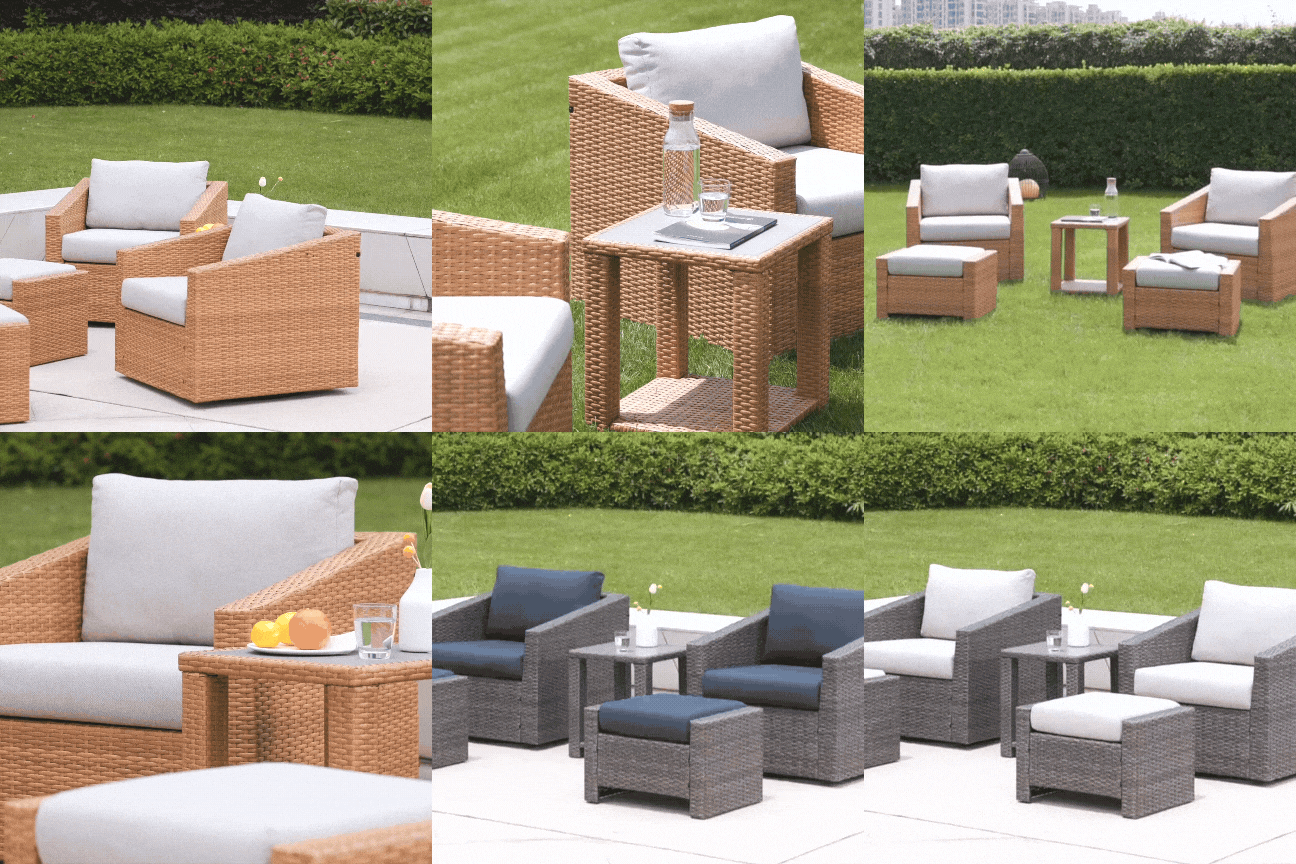
Before storing a cushion, check whether it has dried throughout. Follow its instructions for positioning, cover removal, and drying. Keep space around it for ventilation, and avoid stacking damp cushions or sealing them under a cover. For a set such as our Elara five-piece patio set, include the cushions in your drying and storage plan.

Choose for Cushions, Sling Seats, or Covers
Cushions: Compare the cover and filling as one assembly. Look for the material, removable-cover instructions, and how the cushion is meant to dry after exposure.
Sling seats: These use fabric stretched across a frame to support the sitter. Replacement material needs to suit that construction and its load requirements. Upholstery intended to wrap a cushion may have a different purpose.
Protective covers: Compare fit, fastening, water shedding, and ventilation. The cover needs to protect the furniture while being used according to its storage instructions. Dry the furniture before covering it for storage.
If you are choosing one of our outdoor sets, send us the outdoor set name and color for a fabric check. We can help you identify the listed fabric composition, care instructions, and any published water-resistance or storage details.
Care After Rain and Spills
- Remove loose debris. Gently brush away dry leaves, pollen, and dust with a tool suitable for the fabric.
- Deal with spills promptly. Blot liquid and follow the care instructions for any cleaning solution.
- Check the whole cushion after rain. Follow the drying instructions and allow ventilation around the filling and underside.
- Store when dry. Choose the dry, ventilated storage conditions specified for the furniture.
- Check before stronger cleaning. Machine washing, bleach, and pressure washing require explicit approval in the relevant care instructions.
Mildew resistance describes a material property under particular conditions. Dirt and retained moisture still need attention. Keep the fabric clean and allow damp components to dry before storing them. Our outdoor rope-chair care guide covers drying and seasonal storage for the woven parts of a set as well as its cushions. Our Clover outdoor bistro set with swivel chairs lists 100% olefin cushion covers with cold machine washing and air drying; apply those directions to that specified cover.
FAQs
Does water-resistant fabric keep the whole cushion dry?
No. Water can enter through seams, zippers, or the underside even while droplets bead on the top fabric. After rain, check the underside and filling as well as the cover. Stand a removable cushion on its edge in a sheltered, ventilated place so both faces can dry, and keep it out of a sealed storage box while damp. Sunbrella's water-resistance information for its fabrics distinguishes options ranging from water-resistant to waterproof; that range describes its fabrics, not every finished cushion.
Which outdoor fabric should I compare for a sunny patio?
Start with outdoor-rated, solution-dyed acrylic or olefin, then compare the actual fabric's fade-resistance information and intended exposure. Solution-dyed yarn has color incorporated during fiber production. A generic UV-resistant label gives less detail than a named test method, result, and any color-specific warranty terms. Also consider shade: an umbrella or covered seating position reduces the hours of direct sun on the cushions. For a usable comparison, record the fiber, dyeing method, fade information, and care method for each candidate.
Can I leave outdoor cushions in the rain?
Move removable cushions to a dry, sheltered place before prolonged rain or severe weather. Our Clover set calls for storing its cushions under cover during severe weather. If cushions get wet, separate them, stand them so air reaches both sides, and allow the filling and underside to dry before stacking or storing them. A wet cushion sealed in a storage box has little chance to dry. Keep a dry storage space ready so rain protection is practical each time you need it.
Can I machine-wash or bleach outdoor cushion covers?
Our Clover cushion covers can be machine-washed in cold water and air-dried; their stated care method does not include bleach. Remove the 100% olefin covers from the cushion inserts before washing, and spot-clean light marks with warm water and mild soap. For other cushion covers, a zipper alone does not establish washability. Use bleach only when that fabric's care directions explicitly provide a bleach dilution and rinsing method.
Will a protective cover make an indoor sofa suitable for a patio?
No. A cover can shed some rain while humidity, condensation, and moisture from below still reach the furniture. During use, the uncovered upholstery also faces sun and spills. An indoor sofa's filling and frame may retain that moisture even when its surface looks dry. Choose outdoor furniture for an exposed patio, and use a fitted, ventilated cover on dry furniture for protection between uses. Store removable cushions separately when a long wet period is expected.
Can I replace a sling chair seat with ordinary cushion fabric?
No. Use replacement fabric made for a load-bearing sling seat and compatible with the chair's attachment system. Sling fabric supports your weight while tensioned between frame parts; ordinary cushion upholstery is designed to wrap around filling. Identify the attachment method and required sling dimensions before ordering the replacement. Waterproofing or fade resistance describes weather performance, so a replacement also needs the construction and strength required for sling seating.
Recommended Products


More to Read
 7 Sofa Trends That Actually Improve Comfort in 2026
Upgrade your living room with furniture that supports your body. Here are 7 modern sofa features designed to maximize your daily comfort...
7 Sofa Trends That Actually Improve Comfort in 2026
Upgrade your living room with furniture that supports your body. Here are 7 modern sofa features designed to maximize your daily comfort...
 Mother's Day Gift Guide: Cozy and Stylish Furniture Picks for Modern Moms
Make Mother's Day more meaningful with furniture gifts that bring comfort, smart features, storage, and quiet luxury into her everyday routine.
Mother's Day Gift Guide: Cozy and Stylish Furniture Picks for Modern Moms
Make Mother's Day more meaningful with furniture gifts that bring comfort, smart features, storage, and quiet luxury into her everyday routine.
 Performance Fabric Reality Check: Does It Really Repel Pet Hair and Stains?
Performance fabric is often marketed as a miracle solution for homes with pets and kids, but the reality is more nuanced. It...
Performance Fabric Reality Check: Does It Really Repel Pet Hair and Stains?
Performance fabric is often marketed as a miracle solution for homes with pets and kids, but the reality is more nuanced. It...