





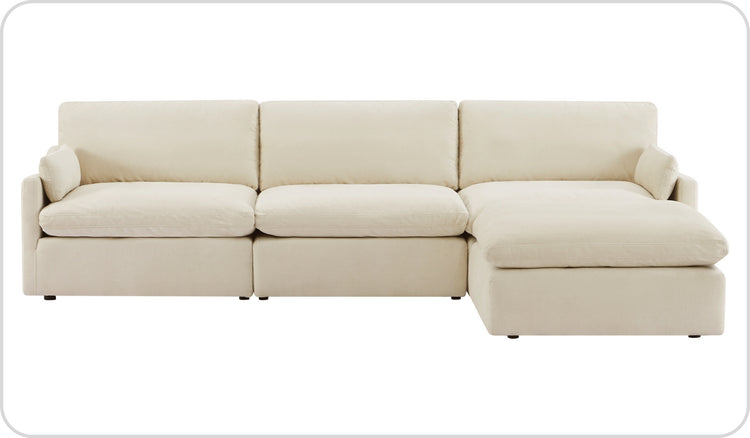


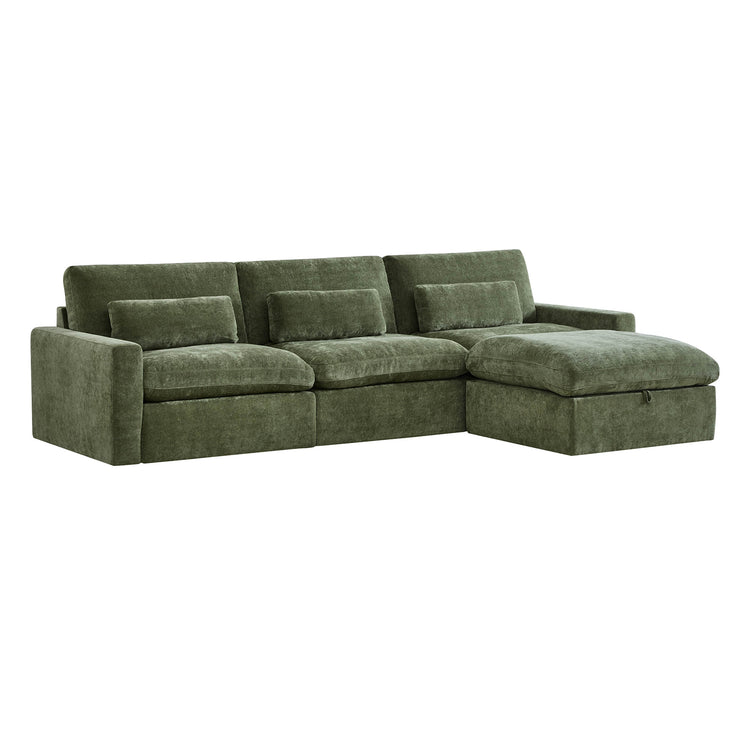


















Performance chenille sofas deliver the plush, cozy hand-feel many families crave while adding meaningful stain and abrasion resistance that traditional chenille lacks. For pet-owning households in 2026, this fabric strikes a practical middle ground between softness and everyday durability, provided you match the specific construction to your pets’ actual behavior rather than assuming it is indestructible.

What is Performance Chenille and Why is it Trending in 2026?
Performance chenille is a tightly engineered upholstery fabric that combines the signature soft, velvety texture of classic chenille with high-tenacity polyester yarns designed for real-world wear. The term “performance” signals that the fabric has been tested to industry benchmarks for abrasion, pilling, and cleanability, making it far more suitable for homes with dogs, cats, and active kids than older chenille weaves ever were.
In 2026, the material is gaining traction because manufacturers have refined the yarn structure to trap short pile fibers securely, reducing the “loop-pulling” that once gave chenille its reputation as a cat-scratch magnet. According to the Association for Contract Textiles abrasion guideline, high-traffic residential upholstery should meet at least 30,000 double rubs on the Wyzenbeek test; most performance chenille collections now clear this threshold comfortably, which is why families upgrading family-room sectionals are noticing it more often.
The appeal is straightforward: you no longer have to choose between a cloud-like feel and a fabric that can survive muddy paws and occasional accidents. That balance explains why searches for “pet friendly chenille couch” and “durable chenille sectional 2026” continue to climb.
The Engineering of Softness: How 2026 Chenille Resists Snags and Stains
The secret lies in the “bottle-brush” yarn construction. Short polyester pile fibers are twisted tightly around a high-strength core thread, creating the plush hand-feel while dramatically increasing tensile strength. As detailed in the WTSN Fabrics technical guide, this design routinely achieves tensile strengths exceeding 400 N, which helps the fabric resist the pulling forces that destroy ordinary chenille.
Because the pile is kept short and locked in place, the primary failure mode of traditional chenille—long loops being caught and yanked out—is largely eliminated. The same tight construction also improves stain resistance by limiting how deeply liquids can penetrate the yarn structure, especially when paired with a WS cleaning code that accepts both water- and solvent-based spotters.
What this means for buyers is simple: the softness you love no longer has to come at the expense of longevity, provided the specific chenille grade you choose meets or exceeds the 30,000 double-rub standard.
Pet-Friendly Fabric Trade-Offs: Softness vs. Durability by Pet Scenario
Use this comparison to match pet behavior with the fabric most likely to balance comfort and wear resistance in 2026.
View chart data
| Category | Chenille | Velvet | Leather |
|---|---|---|---|
| Softness | 3 | 2.5 | 1 |
| Snag resistance | 2 | 3 | 2.5 |
| Hair release | 2 | 3 | 3 |
| Stain recovery | 2 | 2 | 3 |
Is Performance Chenille Durable Enough for Cats and Dogs?
Performance chenille is snag-resistant but not snag-proof, especially against habitual cat scratching. The behavior-based threshold is clear: occasional pawing or light kneading is usually fine, but homes with dedicated scratchers should treat chenille as a moderate-risk choice rather than a guaranteed safe one. As the Meizhiyuan pet-owner guide explains, even improved chenille carries a higher loop-pulling risk than performance velvet, which uses a cut-pile surface with nothing for claws to hook.
For dogs, the picture is brighter. The 30,000+ double-rub rating and strong tensile core handle heavy shedding, jumping, and the occasional muddy paw well, provided you stay on top of routine vacuuming. In short, performance chenille works for most mixed-pet households when owners are realistic about their animals’ habits.
If your cat is an aggressive scratcher, consider performance velvet as the safer default while still enjoying textured fabrics elsewhere in the room. This distinction prevents the common regret of beautiful furniture that shows claw damage within months.

The Maintenance Reality: Handling Pet Hair, Mud, and Accidents
The textured pile that gives chenille its cozy feel also creates a moderate “Velcro effect” for pet hair. Hair clings more readily than on flat weaves or performance velvet, yet the fabric’s resilience means most fur can be lifted with regular vacuuming and a rubber brush. The real advantage appears when accidents happen: a WS cleaning code lets you use both water-based and solvent-based cleaners, expanding your options for urine, mud, or food stains compared with S-coded fabrics that limit you to solvent only.
Still, performance does not equal maintenance-free. The same research that praises WS codes also warns that deep-set stains require prompt blotting and, in many cases, professional extraction. Expect moderate effort rather than zero effort, especially in homes with heavy shedders. Framing the fabric as “high-recovery” rather than “mess-proof” keeps expectations realistic and helps the sofa look fresh for years.
Performance Chenille vs. Velvet: Choosing the Right Pet-Friendly Fabric
The chart above visualizes the core trade-offs. Performance chenille scores highest on softness and still delivers solid stain recovery when properly maintained. Performance velvet trades a bit of plushness for superior snag resistance and easier hair release, making it the better pick for active scratchers. Leather or high-quality faux leather excels at wipe-clean convenience and hair release but can show punctures from sharp claws and feels cooler to the touch.
Choose chenille when your priority is a cloud-like, textured feel in lower-scratching homes. Opt for velvet when claw damage is the top concern. Leather makes sense for households that value the easiest daily cleanup and can accept a firmer seating surface. No single fabric wins every category, which is why matching the material to your specific pets and lifestyle matters more than chasing a universal “best” label.
Real-World Limitations: Where Even Performance Fabric Can Fail
Even high-grade performance chenille has boundaries. It typically achieves a Class 3–4 pilling resistance per ACT standards, which is good but not perfect; high-friction areas like seat edges or armrests used by restless pets can eventually develop light fuzz. The soft, deep-seated “cloud” aesthetic popular in 2026 modular designs sometimes pairs with lower-density foam that compresses over time, creating the slouch trap many owners notice after 18–24 months of heavy use.
No fabric is fully waterproof. While WS-coded chenille recovers well from most pet accidents, saturation from large spills can still penetrate to the cushion core, requiring professional cleaning. Recognizing these limits early prevents disappointment and guides smarter placement—keeping the nicest pieces away from the most destructive play zones.
How to Choose the Best Performance Chenille Sofa for Your Home
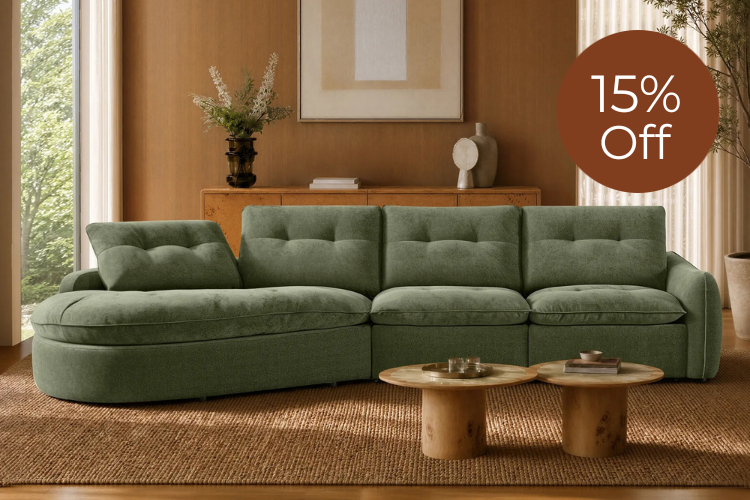
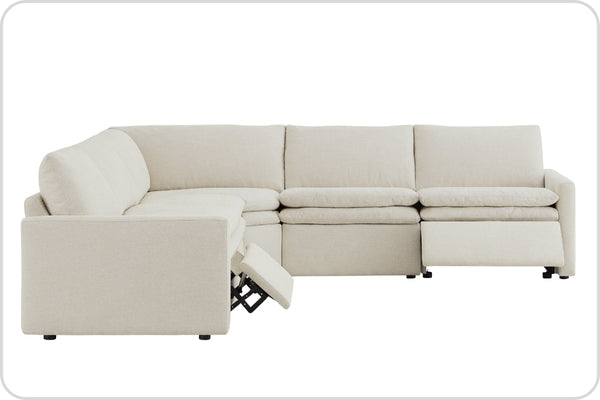
Look for modular designs that let you reconfigure around changing family needs. The Jonathan Modern Cozy Chenille 6-seat Modular Sofa with Hidden Storage offers flexible layouts, OEKO-TEX certified fabric, and generous down-filled cushions that hold up well in busy rooms. For a sculptural statement, the Daisy 2-Seat Modular Curved Chenille Sofa with Down-Filled Cushions delivers the trendy curved silhouette while using the same performance-grade chenille.
The Kiara 3-Seater Chenille Sofa with Birch Wood Base and Teleri Modern Curved Chenille Sofa with Solid Birch Wood Legs bring mid-century elegance without sacrificing the durability families need. If you are still deciding between a traditional sofa and a sectional, our guide to sofa vs sectional can help you match the layout to your space. For broader pet-friendly options, explore the Easy-Clean Sofas collection or the full range of Modular Sectional Sofas.
The 2026 Checklist: Safety Certifications and Durability Benchmarks
Before purchasing, verify three key labels. First, confirm the fabric is PFAS-free and GREENGUARD Gold certified to minimize chemical exposure for pets and children. Second, look for OEKO-TEX Standard 100, which ensures the yarn and dyes contain no harmful substances. Third, check the cleaning code—WS remains the most versatile for pet households.
Also review the seller’s return policy. Large modular sets can carry restocking fees, so measuring your room and confirming the exact configuration you need avoids costly mistakes. Finally, cross-reference the abrasion rating; anything below 30,000 double rubs is unlikely to hold up under daily pet use.
Following this checklist helps you bring home a sofa that feels luxurious today and still looks good after years of family and four-legged traffic.
Frequently Asked Questions
Is performance chenille good for cats? Performance chenille works for cats that only paw or knead occasionally, but it is not the safest choice for habitual scratchers. The short, locked pile reduces risk compared with traditional chenille, yet velvet’s cut-pile surface still offers lower snag potential. Many owners successfully use chenille when they provide sturdy scratching posts elsewhere.
How do you remove pet hair from chenille furniture? A rubber grooming brush or lint roller lifts surface hair quickly, followed by weekly vacuuming with an upholstery attachment. The textured pile holds hair more than smoother fabrics, so consistent routine maintenance is required to keep the sofa looking fresh rather than relying on occasional deep cleans.
What is the best cleaning code for pet owners? WS-coded fabrics give the widest range of options because they tolerate both water- and solvent-based cleaners. This flexibility is especially useful for the variety of messes dogs and cats produce, allowing faster response before stains set.
Does performance chenille pill over time? High-quality versions achieve Class 3–4 pilling resistance, which greatly reduces fuzz balls in normal use. Heavy friction zones such as outer armrests or favorite lounging spots may still show light wear after 12–18 months, particularly in homes with energetic pets.
Is performance chenille better than velvet for pets? It depends on your priority. Chenille wins on plush softness and visual texture, while velvet typically wins on snag resistance and easier daily hair removal. Many households combine both—chenille on less-used pieces and velvet where claws see the most action.
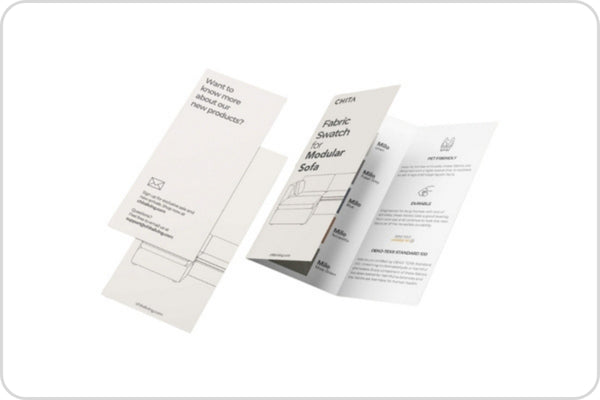
Can you machine wash performance chenille sofa covers? Most modular chenille sofas, including popular CHITA models, use fixed or spot-clean-only covers rather than fully removable machine-washable ones. Always check the specific care label; assuming washability can lead to damage or voided warranties.
What should I look for when buying a performance chenille sofa in 2026? Prioritize 30,000+ double-rub ratings, PFAS-free and GREENGUARD Gold certifications, a WS cleaning code, and OEKO-TEX Standard 100 labeling. Confirm the return policy on large sectionals and measure your space carefully before ordering a modular set.
Recommended Products


More to Read
 7 Sofa Trends That Actually Improve Comfort in 2026
Upgrade your living room with furniture that supports your body. Here are 7 modern sofa features designed to maximize your daily comfort...
7 Sofa Trends That Actually Improve Comfort in 2026
Upgrade your living room with furniture that supports your body. Here are 7 modern sofa features designed to maximize your daily comfort...
 Mother's Day Gift Guide: Cozy and Stylish Furniture Picks for Modern Moms
Make Mother's Day more meaningful with furniture gifts that bring comfort, smart features, storage, and quiet luxury into her everyday routine.
Mother's Day Gift Guide: Cozy and Stylish Furniture Picks for Modern Moms
Make Mother's Day more meaningful with furniture gifts that bring comfort, smart features, storage, and quiet luxury into her everyday routine.
 Performance Fabric Reality Check: Does It Really Repel Pet Hair and Stains?
Performance fabric is often marketed as a miracle solution for homes with pets and kids, but the reality is more nuanced. It...
Performance Fabric Reality Check: Does It Really Repel Pet Hair and Stains?
Performance fabric is often marketed as a miracle solution for homes with pets and kids, but the reality is more nuanced. It...