























In 2026, repairability has become the defining luxury for furniture buyers who want their sofa to last decades rather than a few years. The EU Right to Repair Directive, fully applicable from July 31, 2026, requires manufacturers to provide spare parts and repair information, shifting the market away from disposable "fast furniture" toward modular systems that let you replace individual components like covers, cushions, and motors. This change rewards designs built for longevity, lowers long-term ownership costs, and reduces environmental impact for families, design-conscious homeowners, and sustainability-focused buyers.

The 2026 Shift: Why Repairability is the New Luxury
The regulatory landscape in 2026 is defined by the EU Right to Repair Directive, which mandates manufacturer access to spare parts and repair documentation. This legal floor makes it harder for brands to design products intended for quick replacement, pushing longevity to the forefront of buyer decisions.
For many, the appeal goes beyond compliance. Design-conscious homeowners and families with kids or pets increasingly view "anti-fast furniture" as a smarter investment. Fast furniture—often built with permanent adhesives, staples, and non-replaceable parts—typically reaches functional end-of-life in just 3 to 7 years. That creates a costly replacement cycle most buyers want to escape.
The movement isn't purely environmental. It's practical: avoiding repeated full purchases, minimizing disruption, and maintaining a consistent look in your living room over time. When shopping for a new sectional in 2026, the key question shifts from "Does it look good now?" to "Can I keep it working for the next 15 years?"
Anatomy of an Anti-Fast Furniture Sofa: Beyond the Modular Label
Not all modular sofas are equally repairable. Many offer flexible layouts—allowing you to rearrange sections into L-shapes or U-shapes—but true repairability depends on construction that supports individual component replacement without destroying the piece.
This distinction matters. Design for Disassembly (DfD) principles emphasize reversible mechanical connections such as screws, bolts, and clips rather than glues or permanent staples. These fasteners allow non-destructive access to frames, motors, and connectors, which is the foundation of long-term repairability.
Replaceable parts form a clear hierarchy:
- Covers: Zip-off, machine-washable options outperform dry-clean-only or solvent-based fabrics for high-traffic homes with children or pets. Machine-washable covers dramatically reduce ongoing maintenance costs.
- Cushions: Reversible or individually replaceable foam inserts extend comfort without replacing the entire sofa.
- Mechanical components: UL-certified motors and zero-gravity mechanisms in power recliners should be accessible. Note that while some motors can be swapped, professional assistance is often recommended for electrical safety.
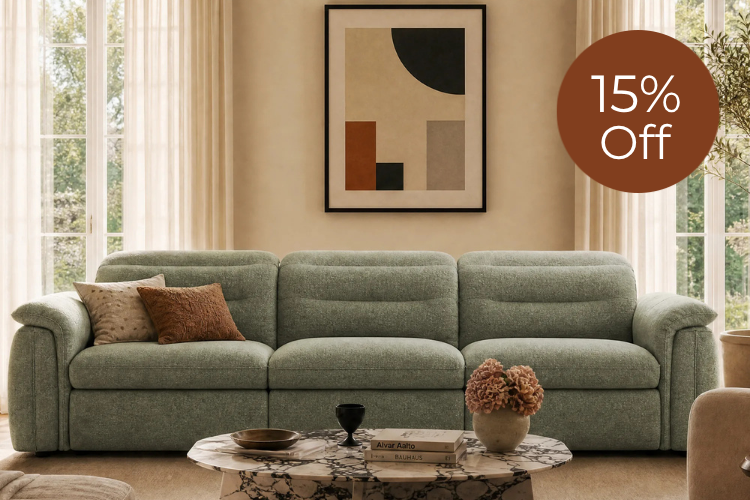
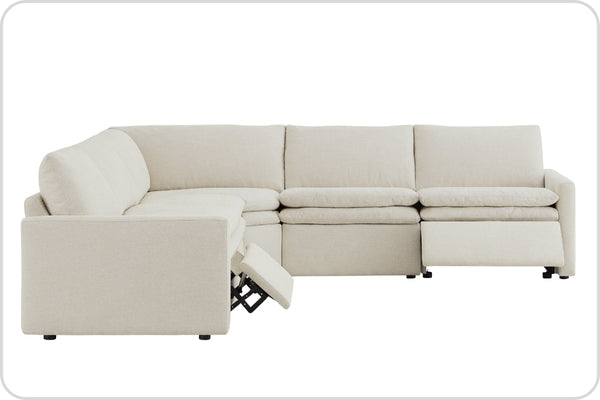
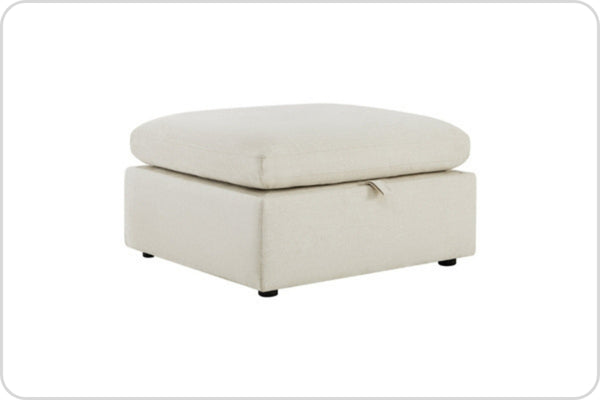
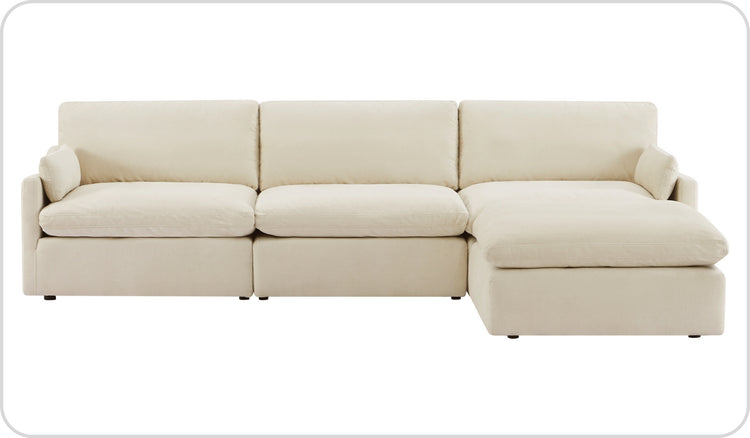
Chita Living's tool-free assembly systems, found in collections like the Ohana Modular Reclining Sofa Collection, provide a strong starting point for DfD. These designs let you easily swap modules, backrests, or covers over time. However, most brands—including Chita—currently supply parts as closed kits rather than fully open individual SKUs, so buyers should confirm long-term support availability.
The Repairability Index Scoring System offers a practical framework. Score potential purchases from 0-2 across four pillars: part accessibility, disassembly method (mechanical vs. glued), maintenance burden (washable vs. dry-clean), and model-specific support. A sofa scores meaningfully repairable only when failed parts can be addressed individually rather than forcing a full-module or kit replacement.

The Value-over-Time Math: Why a $2,000 Modular Sofa Beats an $800 'Fast' Alternative
The real comparison isn't sticker price—it's total cost of ownership over 15 years. Fast furniture often requires two or three complete replacements in that span due to its non-repairable construction. A quality modular system, by contrast, stays in service with targeted repairs to the parts that typically wear first.
This chart helps visualize the ownership pattern:
15-Year Furniture Ownership: Replacement vs. Repair
A 15-year comparison of how often fast furniture typically needs replacing versus how modular repairable systems can stay in service with incremental upkeep. Lower bars indicate less ownership churn, which usually means lower cost pressure and lower material impact over time.
View chart data
| Category | Replacement cycle over 15 years | Maintenance burden over 15 years | Material turnover |
|---|---|---|---|
| Fast furniture | 4.0 | 3.0 | 3.0 |
| Modular repairable system | 1.0 | 2.0 | 1.0 |
The "Maintenance Illusion" is another key factor. Performance fabrics are often marketed as easy-care, yet many require dry cleaning or solvent-only treatment. True machine-washable covers—like those on the Sophia 5-Piece Feather Power Modular Sofa or select Ohana models—deliver meaningful savings by letting you clean at home instead of paying for professional service repeatedly.
Environmentally, repairing rather than replacing generates substantially less CO₂. While exact multipliers vary by material and transport, the difference is significant enough to align modular repairable furniture with 2026 sustainability priorities for many buyers. The Maisie 3-seat Modular Double-layer Armrest Sofa exemplifies this approach with reversible cushions and durable, OEKO-TEX certified fabrics that support long-term use.
These dynamics explain why a higher-initial-investment modular sofa often delivers better value. The math favors the repairable option when replacement frequency drops and maintenance stays manageable.
The 2026 Buyer’s Checklist: Evaluating Your Next Sectional
Use this checklist when comparing sectionals to ensure your purchase supports long-term ownership rather than the fast-furniture cycle:
- Design for Disassembly: Confirm the frame uses mechanical brackets, screws, or tool-free connectors that can be reversed after years of use. Avoid pieces where components are permanently glued or stapled.
- Cover Care Code: Prioritize zip-off, machine-washable (Code W) covers over dry-clean-only or solvent-only (Code S) options. Check actual care labels—marketing claims sometimes differ from technical instructions. Our guide to performance fabric reality explains these differences in detail.
- Spare Parts Policy: Ask whether the brand sells individual motors, cushions, or covers, or only closed kits. Manufacturer assistance for parts is helpful, but true repairability improves when components are available as open catalog items.
- Certifications and Support: Look for standards like the Nordic Swan Ecolabel, which requires separable, repairable main parts and replaceable covers. Also evaluate warranty coverage and whether the brand has a track record of standing behind its modular systems.
Additional practical checks include reviewing frame construction and padding density, as outlined in our article on identifying quality furniture. For configuration ideas, see our guide to modular sofa setups.
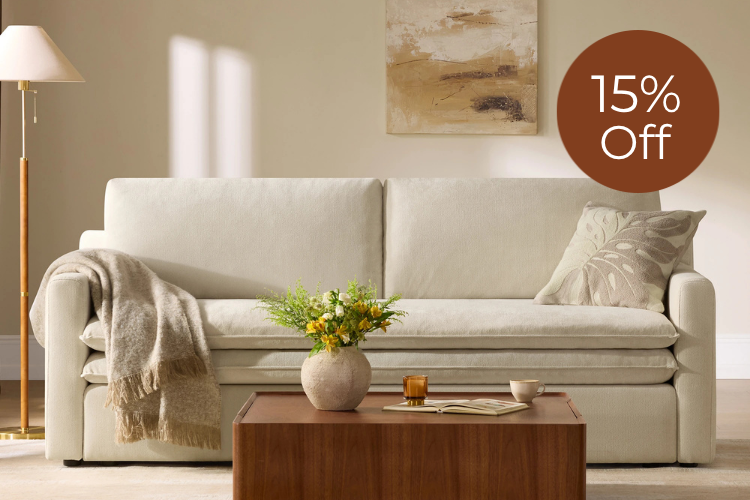
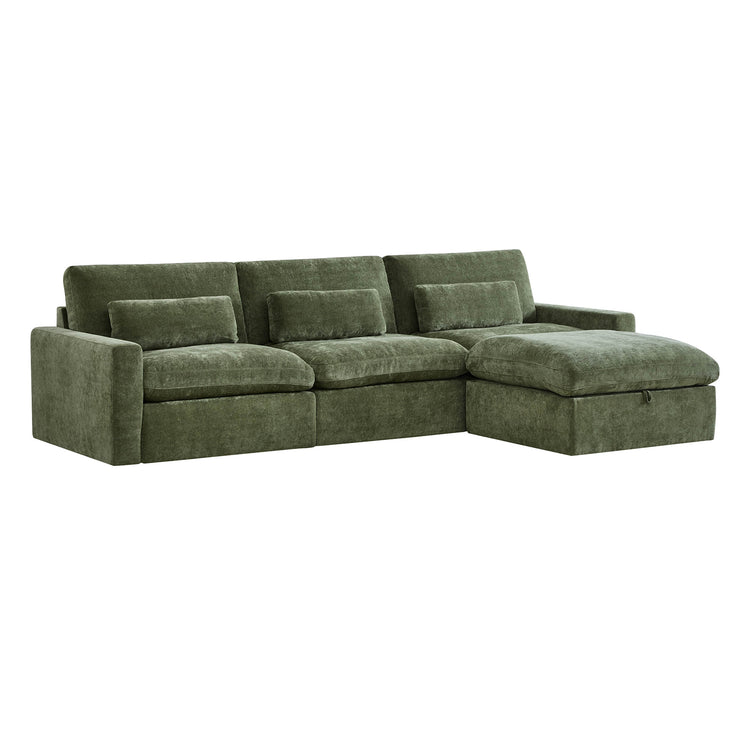
Families should also consider sectional vs. modular differences to match the layout to their space while prioritizing repairability. The Delaney 2-Seat Modular Sofa or Jonathan Modern Cozy Chenille 3-seat Modular Sofa offer accessible entry points into repair-focused modular design.
By applying this checklist before purchase, you avoid the regret of buying attractive furniture that becomes difficult or expensive to maintain after a few years. Repairability isn't a guarantee of infinite life—it still requires reasonable care—but it fundamentally changes the ownership equation from repeated full replacement to targeted, incremental upkeep.
Frequently Asked Questions
What does the EU Right to Repair Directive mean for sofa buyers in 2026? The directive requires manufacturers to supply spare parts and repair information for longer periods, creating stronger expectations around component availability. While furniture is still adapting to these rules, it signals that brands should move toward more open parts policies and repair-friendly construction. Always verify specific model support rather than assuming universal compliance.
How do I know if a modular sofa is truly repairable versus just rearrangeable? Look past layout flexibility and examine whether covers unzip completely, cushions can be replaced individually, and the frame uses reversible mechanical fasteners instead of glue. Tool-free initial assembly is helpful only if those same connections remain serviceable years later. The Repairability Index framework above provides a scoring method to compare options objectively.
Are machine-washable covers actually practical for families with kids and pets? Yes, when the care label truly supports machine washing rather than marketing language that later defaults to dry-clean instructions. True Code W fabrics reduce long-term costs significantly compared with professional cleaning. Test a swatch first and follow the manufacturer's exact guidelines to prevent shrinkage or damage.
How much can I realistically save over 15 years with a repairable modular sofa? Savings depend on your specific usage, local cleaning costs, and how many times a non-repairable sofa would need full replacement. The primary advantage comes from avoiding two or three complete purchases plus the associated delivery and disposal hassles. The chart above illustrates the difference in replacement cadence that drives most of the value-over-time benefit.
Can I replace motors or power mechanisms in modular reclining sofas myself? Some designs allow motor access through removable panels, but electrical components often benefit from professional service for safety and warranty reasons. Check the specific model's documentation and brand policy. Chita Living offers assistance for part needs, though most are currently provided as kits rather than standalone motors.
Does buying repairable furniture really reduce environmental impact? Repairing rather than replacing a sofa avoids the material, manufacturing, and transport emissions of producing an entirely new piece. While exact CO₂ savings vary, extending product life through modular design and component replacement consistently lowers overall environmental footprint compared with the fast-furniture replacement cycle.
What certifications should I look for when shopping for long-lasting modular furniture? The Nordic Swan Ecolabel is a strong benchmark because it specifically requires separable and repairable main components with removable covers. OEKO-TEX certification for fabrics and FSC-certified wood frames add further assurance of responsible material choices. Combine these with the buyer checklist above for the most complete evaluation.
Recommended Products

More to Read
 7 Sofa Trends That Actually Improve Comfort in 2026
Upgrade your living room with furniture that supports your body. Here are 7 modern sofa features designed to maximize your daily comfort...
7 Sofa Trends That Actually Improve Comfort in 2026
Upgrade your living room with furniture that supports your body. Here are 7 modern sofa features designed to maximize your daily comfort...
 Mother's Day Gift Guide: Cozy and Stylish Furniture Picks for Modern Moms
Make Mother's Day more meaningful with furniture gifts that bring comfort, smart features, storage, and quiet luxury into her everyday routine.
Mother's Day Gift Guide: Cozy and Stylish Furniture Picks for Modern Moms
Make Mother's Day more meaningful with furniture gifts that bring comfort, smart features, storage, and quiet luxury into her everyday routine.
 Performance Fabric Reality Check: Does It Really Repel Pet Hair and Stains?
Performance fabric is often marketed as a miracle solution for homes with pets and kids, but the reality is more nuanced. It...
Performance Fabric Reality Check: Does It Really Repel Pet Hair and Stains?
Performance fabric is often marketed as a miracle solution for homes with pets and kids, but the reality is more nuanced. It...