
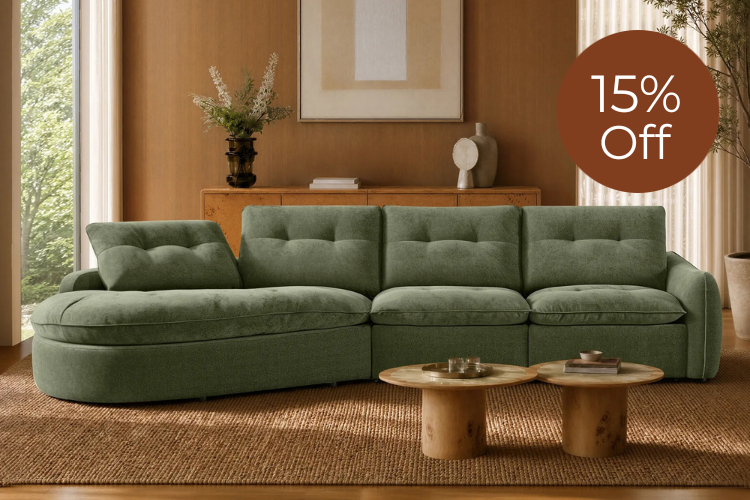






















Sofas: performance fabric vs Alternatives for deep-seat lounging

A performance fabric sofa is usually the safer pick for deep-seat lounging when your home sees spills, pet hair, and daily use. It is not a magic shield, but it often gives you the best balance of cleanup, durability, and comfort for busy US living rooms. If you care more about a relaxed or luxe look than easy upkeep, a traditional fabric can still make sense.

Why Deep-Seat Sofas Need the Right Upholstery
Deep seats invite longer contact, which means more body oils, snack crumbs, pet hair, and casual wear over time. That is why upholstery matters more here than on a firmer, less-used couch. The best choice is the one that still looks good after real life happens, not just on delivery day.
Industry guidelines for upholstery often evaluate performance fabrics on abrasion resistance, stain repellency, cleanability, and colorfastness. Joint industry standards define cleanability and durability expectations for residential fabrics. That does not guarantee every spill disappears, but it does explain why these fabrics are often favored in high-traffic rooms.
For most shoppers, the decision starts here: if the sofa is for movie nights, pets, kids, and everyday lounging, prioritize maintenance first and style second. If the room is low-traffic and you are willing to baby the fabric, you can widen the search.
Performance Fabric vs. Traditional Alternatives
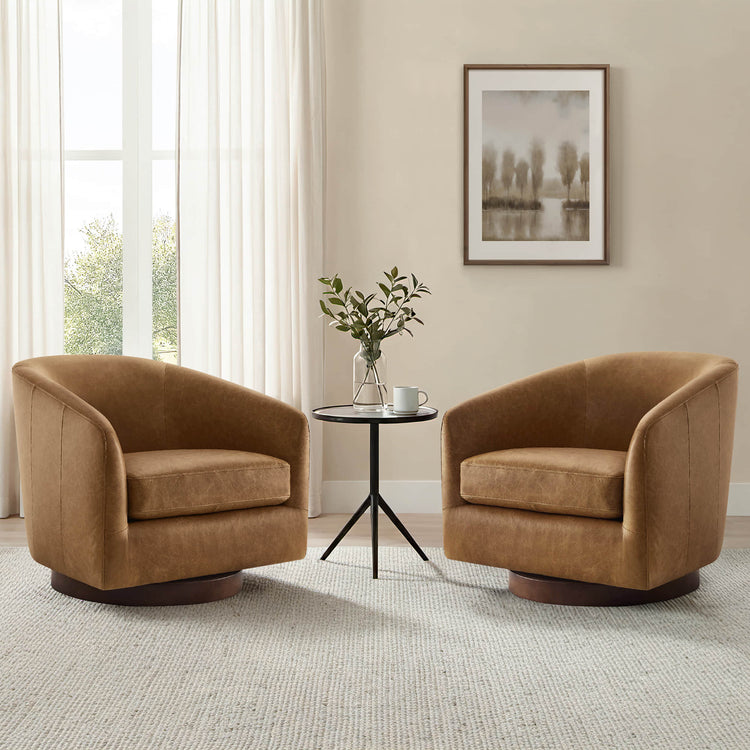
Performance fabric usually wins when you want the easiest day-to-day upkeep. Linen can feel breathable and relaxed, velvet can look richer, leather can handle some messes well, and chenille can feel cozy, but each one brings a trade-off that matters more on a deep-seat sofa.
| Upholstery Type | Stain And Spill Handling | Breathability | Soft Lounge Feel | Pet-Friendliness | Maintenance Load |
|---|---|---|---|---|---|
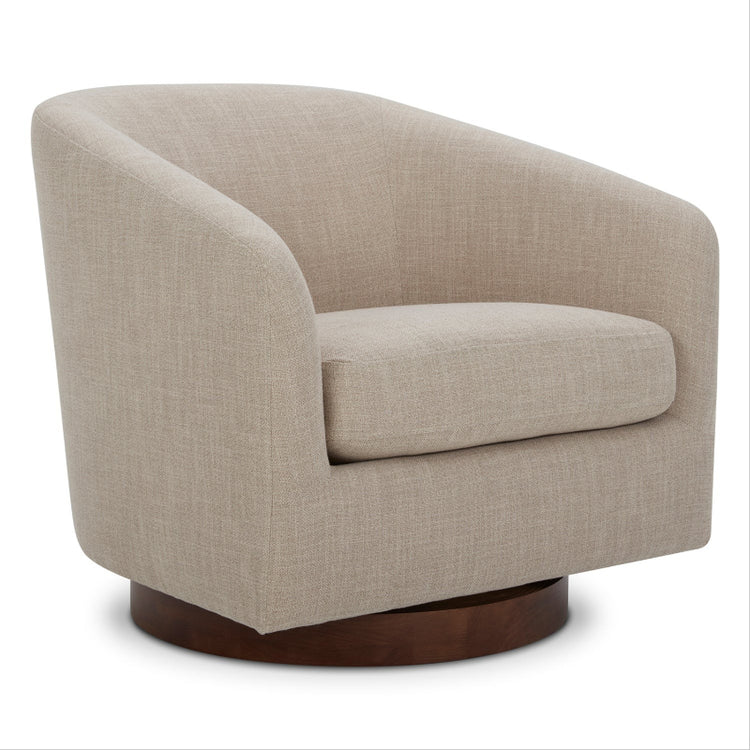
| Performance Fabric | Strongest fit for busy homes | Usually good, but varies by weave | Often soft without feeling delicate | Better for hair and frequent cleanup | Lower |
| Linen | More vulnerable to visible marks | Strong | Relaxed and airy | Less forgiving in busy rooms | Higher |
| Velvet | Can show crush marks and handling traces | Usually moderate | Plush and decorative | Hair and surface marks can stand out | Higher |
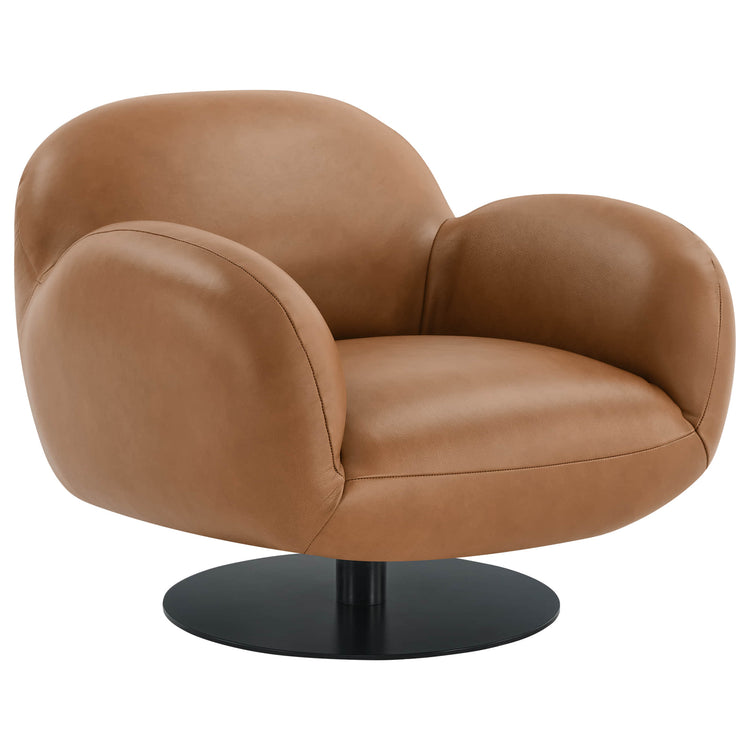
| Leather | Good for quick wipe-ups | Can feel less airy in warm rooms | Less sink-in than fabric | Easier to wipe, less soft | Moderate |
| Chenille | Can trap texture-related wear | Moderate | Cozy and inviting | Snags and texture can be a concern | Moderate to higher |
This fits the performance fabric vs. alternatives for families with kids question well: if cleanup is the main worry, performance fabric leads; if the room is more about visual softness or a more natural look, linen or velvet may still be worth considering.
One useful boundary: if you want the sofa to behave like upholstered decor instead of a daily landing zone, traditional fabrics can be appealing. If you need a lounge piece to absorb real family life without constant worry, performance fabric is usually the more realistic choice.

What Makes a Sofa Actually Lounge-Friendly
A fabric alone does not make a sofa comfortable for long sits. Seat depth, cushion fill, back support, and arm height all work together. A deep seat can feel amazing for naps and movie nights, but it can also feel too loose or too low if the structure is wrong.
What this means in plain terms is simple: the deeper the seat, the more important support becomes. If you are shopping for a performance fabric sofa, do not stop at stain resistance. Sit in it, lean back, and check whether your lower back and shoulders still feel supported after a few minutes.
Seat Depth, Cushion Fill, and Sink-In Feel
Deep-seat lounging should feel inviting, not swallowed. Softer fills can feel luxurious at first, but they may need more fluffing and can lose shape faster in heavy-use homes. Firmer cushions often keep the sofa looking neater, which matters if the room is used every day.
Back Support, Arm Height, and Relaxed Posture
A lounge sofa with weak back support can look stylish and still be annoying after 20 minutes. Higher arms and some structure help when you want to sit upright with a laptop or shift between reading and TV. Lower arms and a more relaxed profile suit napping and stretched-out lounging better.
Breathability, Texture, and Warm-Weather Comfort
Breathability matters more than people expect, especially in warmer months or in open-plan homes that trap heat. Upholstery performance testing often covers cleanability and abrasion rather than pure comfort, so you still need to think about weave and feel separately. A fabric can be durable and still feel warm or clingy during long sits.
Pet Hair, Spills, and Everyday Cleanup
The easiest sofa to live with is the one you can clean without dread. If pet hair is part of your life, smoother performance weaves often make weekly maintenance simpler than textured traditional fabrics. If spills happen often, check the care code before you buy, because water-safe cleaning and solvent-only cleaning are very different in real life.
For a deeper product-level browse, How to Clean and Care for Your Fabric Sofas is a useful follow-up if you want to understand maintenance before you commit to a big sofa. Explore the Easy-Clean Sofas collection for more maintenance-focused options.
When Performance Fabric Is the Better Fit
Performance fabric is usually the smarter choice when your sofa will be used hard and often. It fits especially well if your household includes kids, pets, snack trays, or frequent visitors.
- Choose performance fabric if spills are likely and you want cleanup to stay manageable.
- Choose it if you want a soft-looking sofa without treating it like delicate decor.
- Choose it if the sofa sits in a high-traffic family room or open-plan space.
- Choose it if you value predictable maintenance more than a luxury-only hand-feel.
- Skip it if your top priority is a specific natural texture, a more decorative look, or a fabric that feels extra airy in summer.
That is why performance fabric vs. alternatives for families with kids remains such a useful comparison point. It helps separate the materials that are truly practical from the ones that only look practical in a showroom.
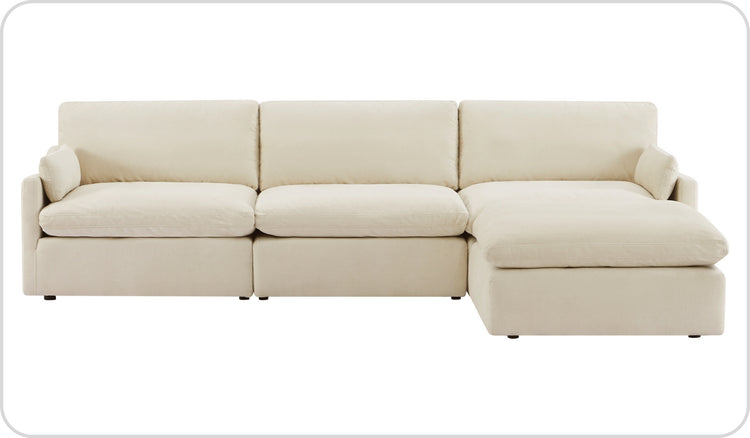
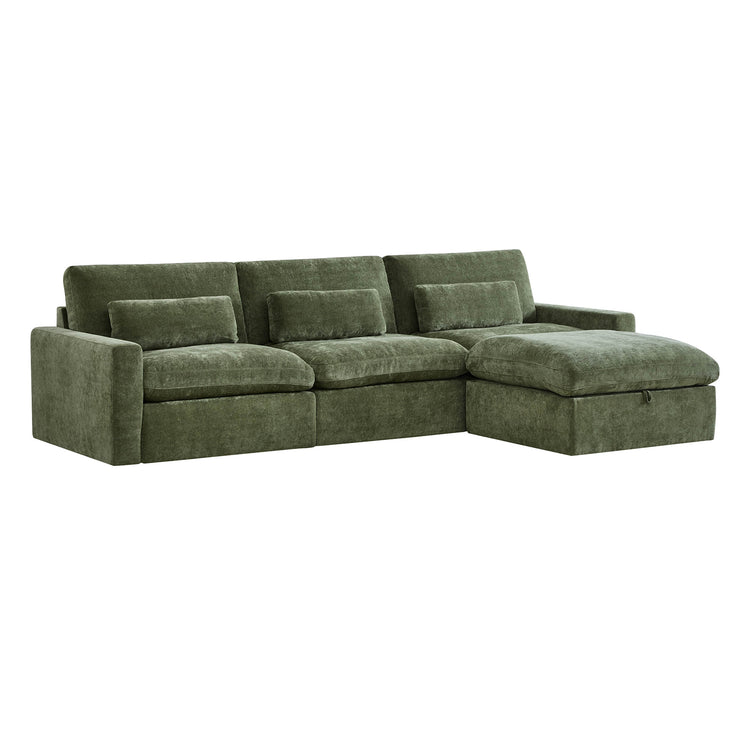
If you are browsing layouts rather than just fabric, Modular Sectional Sofas can be a better starting point than a single fixed-frame sofa when your room needs flexible lounging space.
For shoppers who want a soft lounge look with easier care, the monthly best sellers in living room collection can be a fast way to compare current styles without starting from scratch.
A useful rule of thumb: if you already know your household is rough on furniture, performance fabric is often the least-regret path. If your room is calmer and more design-driven, traditional upholstery can still be the right call.
Upholstery Fit Map for Deep-Seat Lounging
| Upholstery Type | Spills and Daily Wear | Pet Hair and Frequent Cleaning | Breathability and Relaxed Feel |
|---|---|---|---|
| Performance fabric | High | High | Moderate |
| Traditional linen | Low | Low | High |
| Traditional velvet | Low | Low | Moderate |
How to Choose Without Regretting It
- Start with the mess level in your home, not the look you wish you could maintain.
- Match the fabric to how often the sofa will actually be used, especially if it will become the main family seat.
- Check the care code and cleaning expectations before you fall in love with a texture.
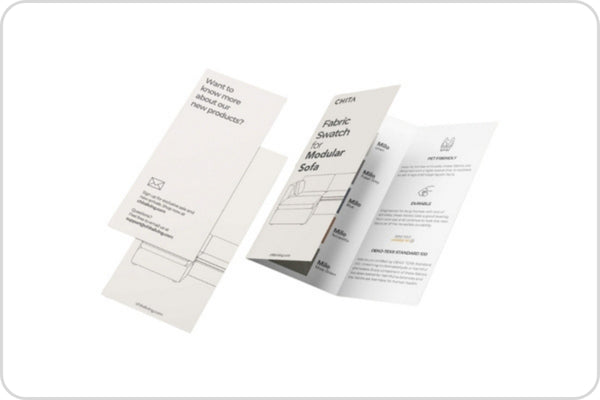
- If possible, touch the fabric or request swatches, because performance fabric, linen, and velvet all feel different in daily use.
- Confirm return policy and delivery details before you buy a larger piece that is hard to swap later.
If you are comparing deep-seat styles directly, Best sofas for deep-seat lounging is a helpful next stop for comfort and room-fit judgment.
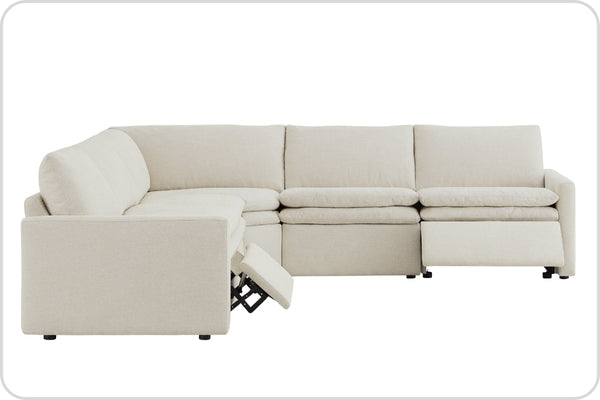
For modular setups, consider layouts like the Ohana 5-Seat Zero Gravity Modular Reclining Sofa and check features against your space before buying.
The simplest takeaway is this: performance fabric usually gives the most forgiving balance for busy homes, but it is not the right answer if you care more about texture, breathability, or a softer decorative finish. Choose the fabric that fits your real household, not the one you hope the room will become.
FAQs
Q1. Is Performance Fabric Better Than Linen for a Family Sofa?
Usually yes if your priority is cleanup and daily practicality. Linen can look beautiful and feel airy, but it is less forgiving in a house where spills, pet hair, or frequent lounging are routine. If the room is low-traffic, linen can still make sense.
Q2. Does Performance Fabric Work Well for Deep-Seat Lounging?
It can, as long as the weave and cushion feel match the comfort you want. The upholstery helps with maintenance, but the seat depth, fill, and back support are what decide whether the sofa is actually pleasant for long sitting sessions.
Q3. What Is the Biggest Downside of Performance Fabric Sofas?
The trade-off is often feel and look, not just cleaning. Some performance fabrics can feel less luxe than velvet or linen, and some weaves are less breathable. If the room is more decorative than high-use, that trade-off may matter more.
Q4. Can Pets and Kids Be Hard on Deep-Seat Upholstery?
Yes, because deep seats invite more contact, more crumbs, and more visible wear. A forgiving weave, simple care code, and easy cleanup matter more in those homes than chasing a delicate texture that looks great only when untouched.
Q5. Why Does a Sofa Fabric Feel Different in Summer and Winter?
Texture and breathability affect how warm, cool, or clingy a fabric feels during long lounging sessions. What feels cozy in winter can feel sticky in summer, so it helps to think about your climate and the room's airflow before you choose.
The Best Choice for Real Life Lounging
For a deep-seat sofa in a busy home, performance fabric is usually the most practical starting point because it reduces maintenance stress without giving up comfort. Check household spill frequency, pet presence, and preferred sink-in feel before deciding. Traditional linen, velvet, or chenille can still be right when your room is calmer or style matters more than cleanup. The best choice is the one you can live with after the first spill, not just the first unboxing.
Related Resources
Recommended Products


More to Read
 7 Sofa Trends That Actually Improve Comfort in 2026
Upgrade your living room with furniture that supports your body. Here are 7 modern sofa features designed to maximize your daily comfort...
7 Sofa Trends That Actually Improve Comfort in 2026
Upgrade your living room with furniture that supports your body. Here are 7 modern sofa features designed to maximize your daily comfort...
 Mother's Day Gift Guide: Cozy and Stylish Furniture Picks for Modern Moms
Make Mother's Day more meaningful with furniture gifts that bring comfort, smart features, storage, and quiet luxury into her everyday routine.
Mother's Day Gift Guide: Cozy and Stylish Furniture Picks for Modern Moms
Make Mother's Day more meaningful with furniture gifts that bring comfort, smart features, storage, and quiet luxury into her everyday routine.
 Performance Fabric Reality Check: Does It Really Repel Pet Hair and Stains?
Performance fabric is often marketed as a miracle solution for homes with pets and kids, but the reality is more nuanced. It...
Performance Fabric Reality Check: Does It Really Repel Pet Hair and Stains?
Performance fabric is often marketed as a miracle solution for homes with pets and kids, but the reality is more nuanced. It...