







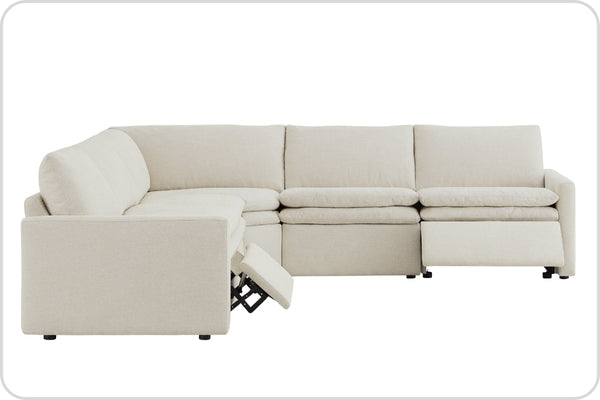






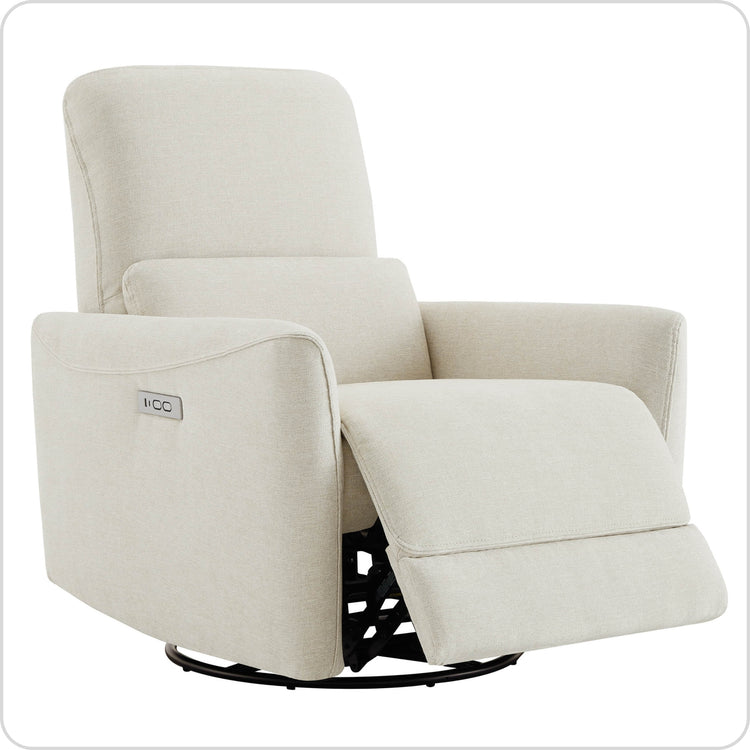
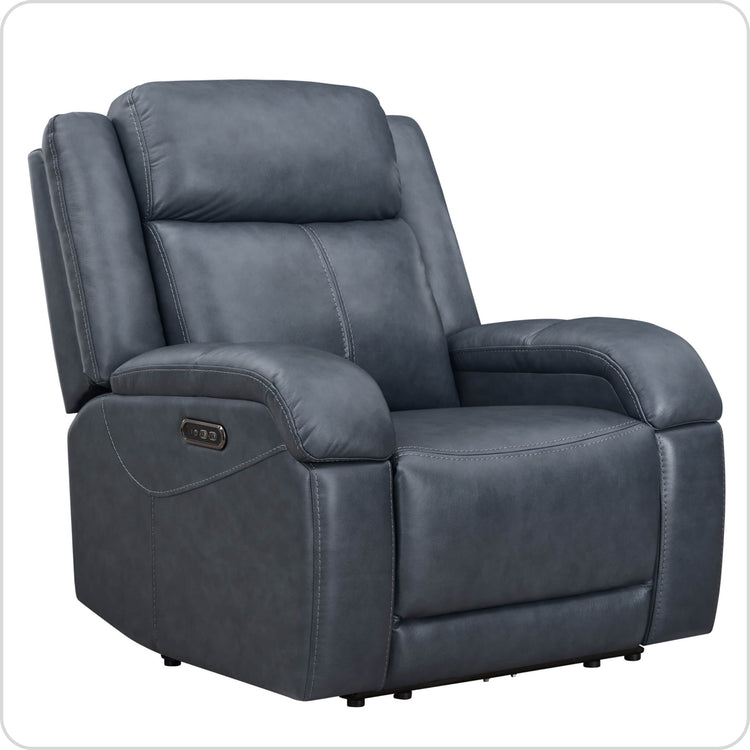
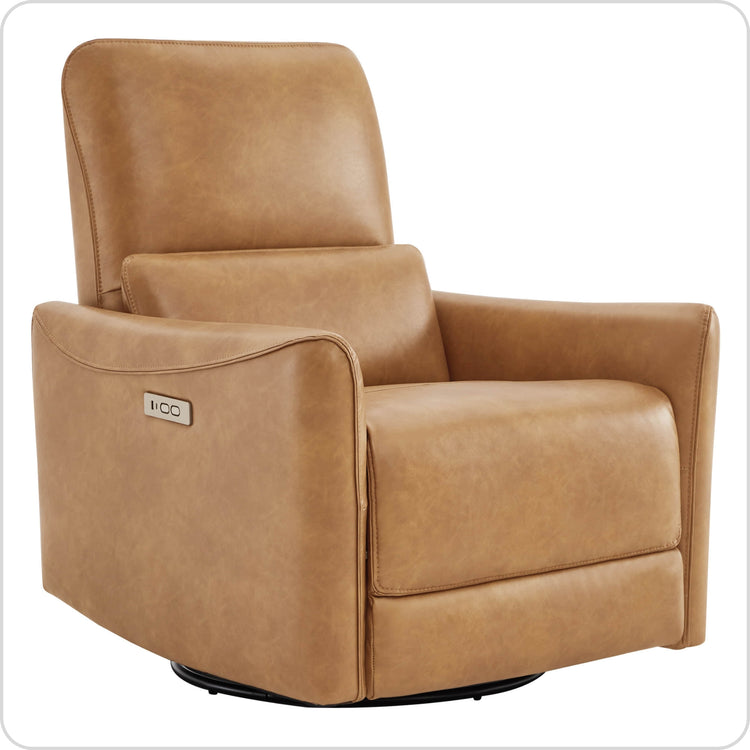





















How to Clean and Maintain power reclining module modular sectional sofas

Power reclining modular sectional sofas need a little more care than a standard couch, but the payoff is better-looking upholstery, quieter motion, and fewer surprises around the motor or connectors. If you want to know how to clean power reclining module modular sectional sofas safely, start with the care tag, unplug before cleaning near electrical parts, and keep moisture away from switches and motors.
Start With the Care Rules That Matter
Before you clean anything, check the care tag, owner's manual, and any fabric-specific directions. Upholstery codes usually tell you whether the material is meant for water-based cleaner, solvent-based cleaner, both, or dry-only care. That matters because the wrong product can leave rings, stiffen the fabric, or create damage that shows up later.
Always unplug the sofa or disconnect power before cleaning around switches, cords, moving parts, or the base. NEMA's guidance on cleaning electrical equipment also recommends de-energizing equipment when possible and avoiding atomized cleaners on electrical components unless the manufacturer specifically allows it. For a power sectional, that means no spraying near the motor housing, charging ports, or control boxes.
A good rule is simple: clean the fabric like upholstery, but treat the powered parts like electrical equipment. Keep heavy scrubbing, soaking, and direct spray away from the connectors and reclining joints. If the care instructions are unclear, assume the safer path and use less moisture, not more.
Clean the Fabric Without Breaking It Down
For daily maintenance, vacuum seams, crevices, and under-seat areas with an upholstery attachment. That removes grit before it works into the weave and makes the fabric look worn faster. This is especially useful in busy homes, because crumbs and pet hair settle into the places you do not see until they start to build up.
Blot spills immediately with a clean, absorbent cloth. Do not rub, because rubbing pushes the spill deeper and can spread the stain into a larger area. If the care code allows a cleaner, use only a small amount and test it in a hidden spot first. On performance fabrics, less product and more patience usually gives a cleaner result than trying to flood the spot.

If odor or pet hair is the main issue, focus on low-moisture care. Vacuum first, then use care-tag-approved fabric methods instead of overwetting the cushion face. A useful follow-up if you are still deciding on upholstery is the performance velvet guide.
Vacuum First, Then Lift Loose Debris
Start with the seams, zipper lines, recliner edges, and any area where seats meet the console or arm modules. These are the places where grit collects and causes the most wear over time. For families with kids or pets, this quick pass often does more for longevity than a rare deep clean.
Spot Clean Spills Before They Set
For fresh spills, blot first and clean second. Work from the outside of the stain inward so you do not spread it. If the cleaner is water-based, use only enough to dampen the cloth, not the upholstery. When in doubt, stop early and let the area dry before deciding whether a second pass is needed.
Handle Odors and Pet Hair With Low-Moisture Care
Pet hair clings to some weaves more than others, so the goal is to remove it mechanically before you reach for liquids. A lint tool or vacuum attachment is usually safer than overspraying deodorizer. If a product promises a deep reset, check whether the fabric code allows it first.
Tackle Cushion Edges, Seams, and Recliner Contact Points
The front edge of the seat, the outer seams, and the recline contact points take the most wear because they move every time someone sits down or extends the footrest. Clean those areas regularly, then let them dry fully before using the recliner again. That helps protect stitching, foam, and any hidden hardware nearby.
Protect the Reclining Mechanism
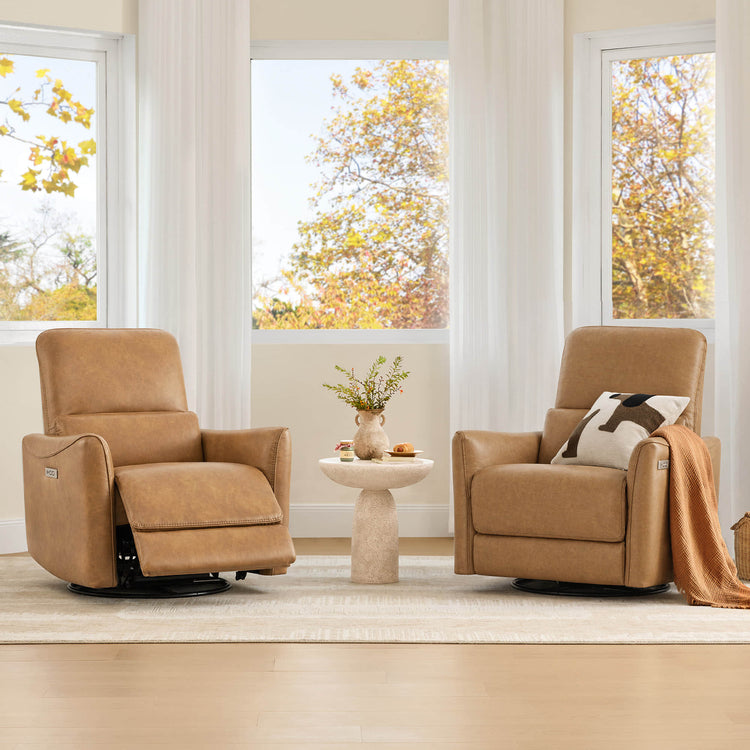
The safest way to maintain the mechanism is to keep debris out of it and avoid forcing it when something feels off. Dust and vacuum the exterior base area so lint does not collect around the motor housing or moving parts. That will not solve every problem, but it reduces avoidable friction and keeps the area easier to inspect.
Also check cords, plugs, switches, and remote controls for visible wear before and after moving the sofa. If a cord looks pinched or a switch feels loose, stop and inspect before the next recline cycle. Consumer Product Safety Commission recalls on powered furniture show why this matters: switches, USB modules, and power components can overheat in some cases, so electrical problems should be taken seriously rather than ignored.
Do not try to lubricate the mechanism yourself unless the manufacturer explicitly instructs you to do so. For most households, that kind of DIY fix creates more risk than benefit. If motion becomes noisy, uneven, or slow, stop using the recliner and follow the manufacturer's troubleshooting steps before considering anything more invasive.
A power sectional is not a fit for anyone who wants to treat it like a regular upholstered sofa and clean it aggressively with spray cleaners, steam, or deep soaking. If you are careful around the electrical parts, the routine is manageable. If you are likely to clean first and read labels later, a simpler nonpowered sectional may be a better match.
A more technical overview of motorized seating upkeep can help if you are comparing build quality and power features, and the 2026 power seating specification is a useful next step for that broader decision.
Keep Dust Out of the Base and Motor Area
Use a dry vacuum attachment or soft brush around the base, not wet cleaners. The goal is to remove lint and pet hair before it gathers in the moving parts. If you can see buildup around the underside, the sofa probably needs cleaning sooner than the upholstery surface does.
Inspect Cords, Plugs, and Switches Regularly
Look for crushed cords, bent plugs, or switches that do not respond consistently. Those are early warning signs, not cosmetic issues. Catching them early can help you avoid a bigger interruption later, especially in homes where the recliner is used every day.
Use the Recline Function Without Overloading It
Use the mechanism the way it was intended. Avoid sitting on an extended footrest, forcing a jammed section, or pushing the back when something seems blocked. That kind of stress can strain the frame and the motor at the same time.
Respond Quickly to Noise, Sluggish Motion, or Intermittent Power
If the recline motion starts to squeak, slow down, or cut out, stop use and look for obvious obstructions first. Then confirm the power connection. If the problem remains, contact the manufacturer or a qualified technician rather than trying to open the motor housing yourself.
Keep the Modular Frame Stable
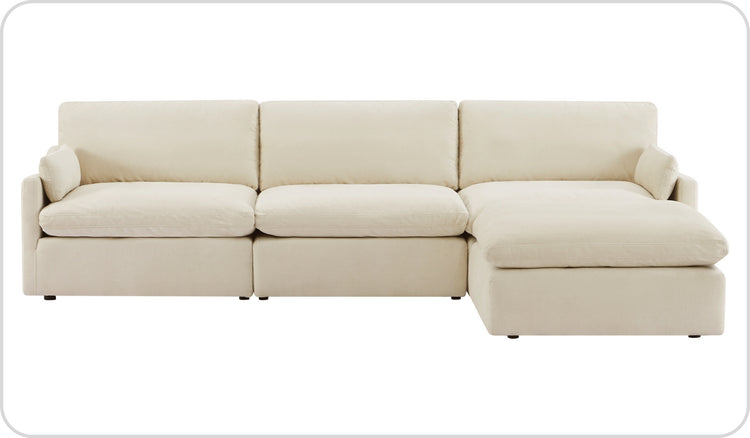
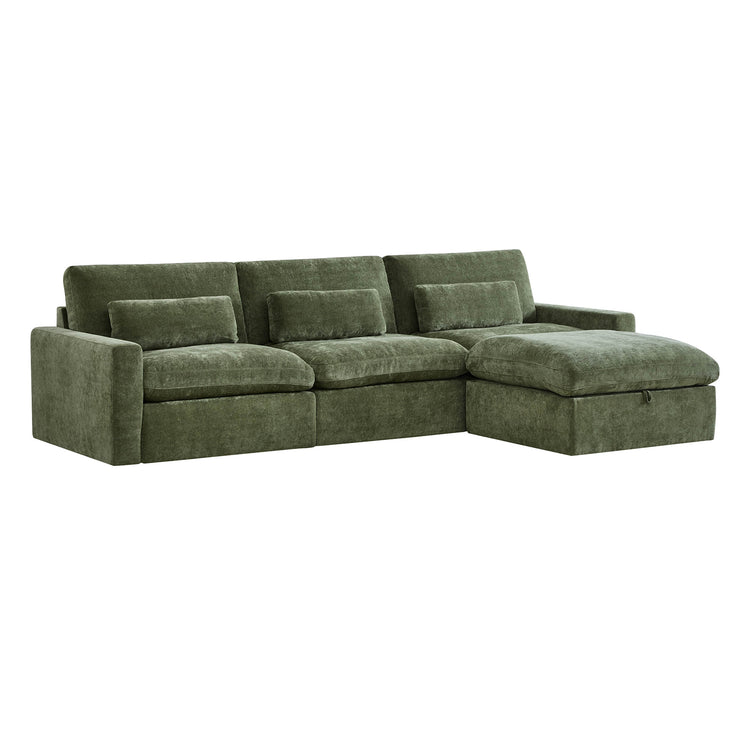
Modular sectionals only stay comfortable if the pieces remain aligned. Reconnect modules on a level surface so the parts lock together cleanly. If the floor is uneven or the modules are slightly skewed, the sofa can develop gaps, squeaks, or a shifting seat feel that gets worse over time. See the zero-gap sectional solution for layout fixes.
Lift sections rather than dragging them whenever you move the layout. Dragging puts unnecessary strain on connectors, frame joints, and flooring. The same logic applies after large hosting weekends or a deep clean, when the modules may not land back in exactly the same position.
This is where maintenance becomes a judgment call. If your sectional is reconfigured often for movie nights, kid play space, or pet access, connector checks matter more than if the sofa stays in one place all year. If it sits in one layout and only gets vacuumed, alignment checks can be lighter, but they should still happen after a move.
Modular Sofas is the right browsing path if you are still comparing layouts and want to see how different sectional configurations are built. For a deeper look at connector stability and shifting-seat issues, modular sofa stability guide is a helpful companion read.
| Task | What To Do | What To Avoid | Why It Matters |
|---|---|---|---|
| Reconnect modules | Set sections on a level surface and lock them together cleanly | Forcing pieces into place | Helps prevent gaps, squeaks, and uneven wear |
| Move the sofa | Lift each section with help if needed | Dragging across the floor | Reduces strain on frames and connectors |
| Check alignment | Look for visible gaps and uneven seat lines after moving | Ignoring small shifts | Small misalignment can become a comfort problem |
| Protect floor contact points | Make sure feet and grips sit evenly | Letting one corner bear extra load | Helps stability and reduces drifting |
Build a Simple Care Routine
The easiest routine is the one you can actually keep. For most households, that means quick spill cleanup, a weekly vacuum pass, a monthly inspection, and a seasonal deeper clean. If you have kids, pets, or frequent guests, do the weekly and monthly steps more consistently.
- Daily: Blot spills, remove crumbs, and check for anything stuck in the recliner path.
- Weekly: Vacuum seams, under-seat areas, and the exterior base.
- Monthly: Inspect cords, switches, connectors, and alignment after heavy use or rearranging.
- Seasonally: Do a deeper upholstery clean, then inspect the mechanism and modules before and after holidays or summer hosting.
Power furniture often looks similar at first glance, but the upkeep burden changes once you add motors, cords, and modular seams. See the power recliner collection and Sophia modular motion sofa for examples that match different maintenance preferences. Best selling sofas is a practical place to browse categories after you decide what maintenance level you are willing to live with.

A good maintenance routine does not need to be complicated to be effective. If you keep liquids away from the electrical parts, clean fabric based on the care tag, and recheck alignment after moves, your sectional will usually stay quieter, cleaner, and more stable for longer. If the sofa starts acting up, stop early and troubleshoot before the small issue becomes a repair.
FAQs
Q1. How Often Should I Clean a Power Reclining Modular Sectional Sofa?
Do spill cleanup right away, vacuum weekly in active households, and inspect the cords and connectors monthly. A deeper clean once per season is usually enough for most homes, but homes with pets, kids, or frequent hosting may need more frequent spot care.
Q2. Can I Use a Steam Cleaner on a Power Reclining Sectional?
Only if the care tag and manufacturer instructions clearly allow it, and even then you should avoid steam near motors, switches, seams, and charging ports. In most cases, low-moisture cleaning is the safer choice for a powered sectional because it reduces the chance of electrical or fabric damage.
Q3. What Should I Do If the Recliner Starts Moving Slower or Making Noise?
Stop using it, check for visible obstructions, and confirm that the power cord, plug, and switch are seated properly. If the problem continues, contact the manufacturer or a qualified technician. Avoid opening the motor housing or trying internal repairs yourself.
Q4. How Do I Remove Pet Hair and Odor Without Damaging the Fabric?
Vacuum first, use a fabric-safe attachment or lint tool, and blot spills quickly before they soak in. For odor, use only care-tag-approved methods and keep moisture light. If the fabric code is unknown, start with dry cleaning methods and avoid over-wetting the upholstery.
Q5. Can I Reconfigure the Modules Without Loosening the Connectors?
Yes, if you lift the sections instead of dragging them and reconnect them on a level surface. After moving, check for gaps, squeaks, or uneven seat lines. If the layout changes often, connector checks should become part of your regular routine.
Related Resources
Additional guides cover connector maintenance, fabric performance, and cord management for powered layouts.
Recommended Products



More to Read
 7 Sofa Trends That Actually Improve Comfort in 2026
Upgrade your living room with furniture that supports your body. Here are 7 modern sofa features designed to maximize your daily comfort...
7 Sofa Trends That Actually Improve Comfort in 2026
Upgrade your living room with furniture that supports your body. Here are 7 modern sofa features designed to maximize your daily comfort...
 Mother's Day Gift Guide: Cozy and Stylish Furniture Picks for Modern Moms
Make Mother's Day more meaningful with furniture gifts that bring comfort, smart features, storage, and quiet luxury into her everyday routine.
Mother's Day Gift Guide: Cozy and Stylish Furniture Picks for Modern Moms
Make Mother's Day more meaningful with furniture gifts that bring comfort, smart features, storage, and quiet luxury into her everyday routine.
 Performance Fabric Reality Check: Does It Really Repel Pet Hair and Stains?
Performance fabric is often marketed as a miracle solution for homes with pets and kids, but the reality is more nuanced. It...
Performance Fabric Reality Check: Does It Really Repel Pet Hair and Stains?
Performance fabric is often marketed as a miracle solution for homes with pets and kids, but the reality is more nuanced. It...