















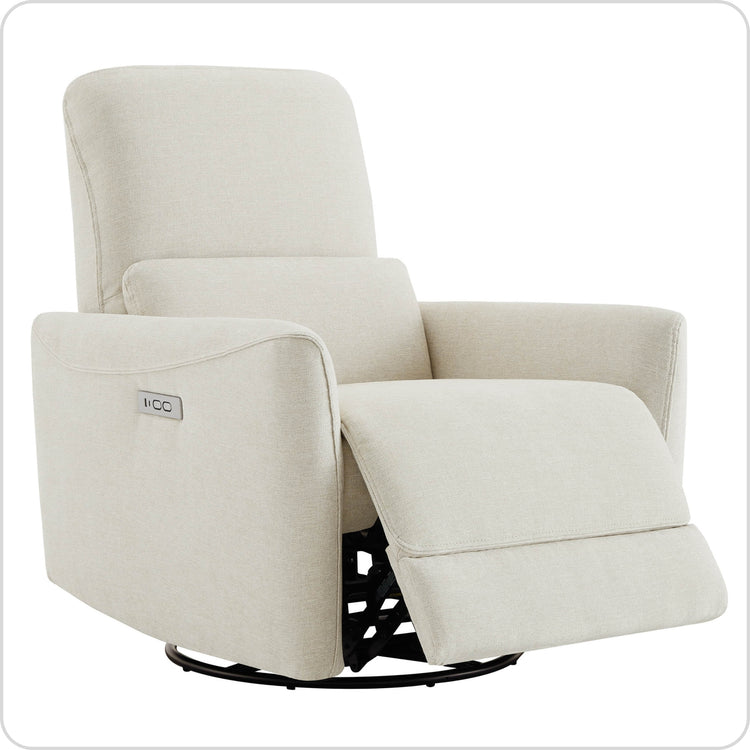
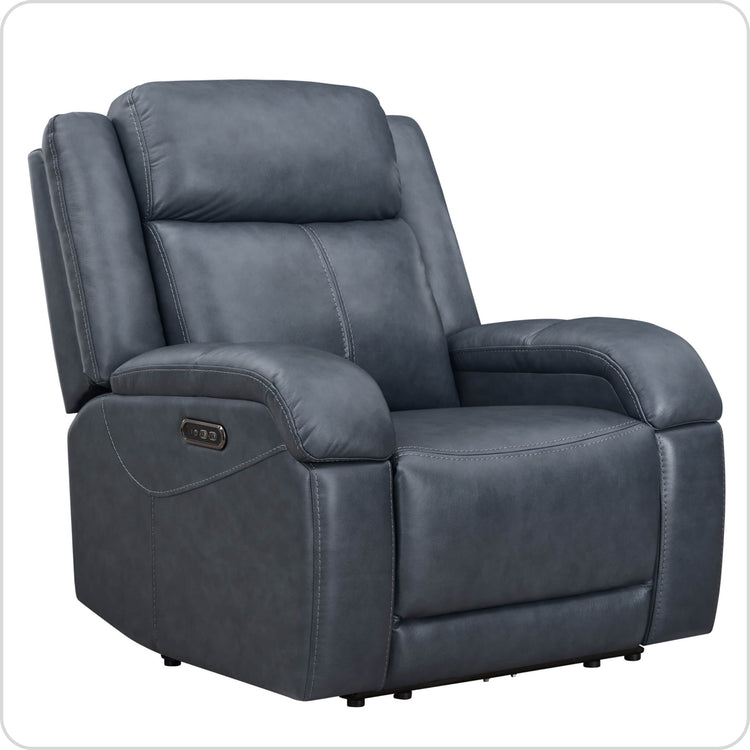
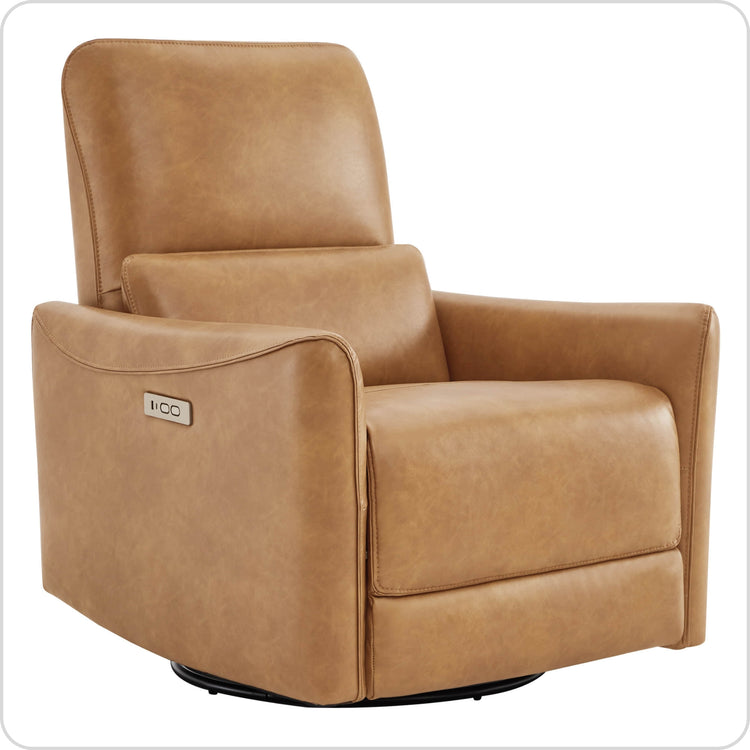


























A power recliner's squeaks, slow motion, or uneven travel can often improve with a careful external inspection and, when the owner's manual allows it, a small amount of approved lubricant at an accessible steel pivot. The manual decides which points you can reach, which lubricant is safe, and which parts stay off-limits. Motor housings, wiring, and control boards are not part of this DIY process.
Before you touch the mechanism, disconnect power as the manual directs, clear the footrest and backrest travel path, and shield nearby upholstery and flooring from drips. Stop and contact the manufacturer or a qualified technician if you see exposed wiring, damaged metal, or movement you did not command.
What Power Recliner Maintenance Can—and Cannot—Fix
Routine inspection and careful, manual-approved lubrication can quiet an accessible squeak or restore smooth motion at a steel pivot. They cannot fix a motor, wiring, or control-board problem, and they should never be used to explain away movement that looks or feels wrong.
Keep the two jobs separate in your head before you start. Mechanical pivot care is something most owners can safely handle with the right manual guidance and a little patience. Motor, transformer, and control troubleshooting has a much shorter DIY leash, because those components carry live current and sit inside enclosures the manual usually tells you not to open.
There is no universal cleaning or lubrication schedule that applies to every power recliner. Access points, approved lubricants, and serviceable parts vary by mechanism and brand, so your model's manual is the starting point for every step that follows, including how often to check the chair.
Safety-First Inspection Before Lubrication
Set up a safe work area before you inspect or lubricate anything. Follow the model manual's power-disconnect instructions and give yourself a clear, dry space to work in.
- Locate your exact owner's manual and follow its power-disconnect and access instructions before moving the chair.
- Unplug the recliner or switch off its power source as directed, then confirm the footrest and backrest are fully stopped.
- Clear the travel path of cords, toys, pet beds, and nearby furniture so nothing can be trapped when the chair moves again.
- Look over the visible mechanism for cracked plastic, bent metal, loose hardware, or frayed wiring before you place a hand near it.
- Keep hands, sleeves, jewelry, and hair away from scissor joints and pivot points, since these linkages are pinch and crush points even when the power is off.
- Keep any electrical connector, transformer, or cord dry, and never spray cleaner or lubricant near them.
- Lay down a cloth or drop sheet to protect carpet, hardwood, leather, or fabric from drips before you apply anything.
Stop the inspection and disconnect power as directed by the manual if you find exposed or frayed wiring, a burning smell, repeated overheating, damaged metal, or a mechanism that moves on its own. Those conditions call for the manufacturer or a qualified technician rather than continued DIY work.

Inspect the Scissor Mechanism by Symptom
A recliner's noise or motion problem points to different next steps depending on what you observe. Match what you see and hear to one of the three checks below before deciding whether lubrication or service is the right move.
Squeaks or Clicking During Travel
Start by looking, not spraying. Check the visible pivot points for dust, hair, trapped fabric, or a stray cord, and remove anything caught in the joint. Look for a loose bracket, washer, or fastener that could be causing metal-on-metal contact. If the manual identifies an accessible lubrication point near that noise, move on to the lubrication steps below; if it does not, leave the mechanism alone and note the symptom for the manufacturer.
Slow, Stiff, Uneven, or Incomplete Movement
Look for an obstruction first: a rug edge, a nearby wall, or furniture that limits the footrest or backrest's full range. Check for visible misalignment, bent linkage arms, or a bracket that has shifted. Slow or uneven travel can also come from a weakening motor, a loose connector, or a control-board issue, so do not assume lubricant will resolve it. If the path is clear and the mechanism looks physically sound, the next check belongs in the power and motor section below rather than at the pivot.
Stops, Moves Unexpectedly, or Shows Damage
Stop testing the chair the moment it moves without your input, stalls mid-cycle, or reveals bent or cracked metal. Do not reach into a powered linkage to free it or attempt to straighten damaged hardware. This is the point where inspection ends and manufacturer or qualified-service contact begins.
When Lubrication Is Appropriate—and How to Apply It Carefully
Lubricate only after your exact manual names an approved product and an accessible pivot point, and only after the symptom checks above point to friction rather than obstruction, damage, or a power fault. Skipping either check risks staining the chair or masking a bigger problem.

Choose the Lubricant from the Model Manual
Use the exact lubricant your manual specifies, not a product label's general promise or what worked on a different chair. Household oils, silicone sprays, and grease are not interchangeable, and using the wrong one can attract dust, damage finishes, or leave a residue that stains fabric or leather. If the manual does not name an approved lubricant or pivot for your model, do not guess. Leave the mechanism dry and flag the symptom for the manufacturer instead.
Protect Surfaces and Apply Only at the Approved Point
- Confirm power is still disconnected and the travel path is clear.
- Slide a shield, such as a folded cloth or cardboard, between the pivot and any nearby upholstery or flooring.
- Apply only the amount and placement the manual specifies directly to the identified metal pivot.
- Keep the lubricant away from fabric, leather, wood finishes, wiring, and any connector or motor housing.
- Work the joint by hand, if the manual allows it, to help distribute the product before restoring power.
Clean Residue and Test Cautiously
Wipe away any visible excess with a dry or manual-approved cloth before you restore power, since leftover product attracts dust and can transfer to clothing or fabric. Reconnect power only as the manual directs, then stand clear of the linkage and run one full cycle to listen and watch. If the noise persists, worsens, or the motion becomes irregular, stop further lubrication and move to the power and service checks below.
Check Power, Motor, and Controls Without Opening Enclosures
Basic power checks are limited to what you can see and reach from outside the mechanism, and they stop well short of the motor or control housing. Work through the visible connections in order before deciding whether the chair needs professional attention.
- Confirm the outlet itself works by testing another device in the same socket.
- Check the visible transformer or power brick for a secure connection, without opening its casing.
- Inspect any visible low-voltage connectors between the transformer, hand control, and chair for a loose or disconnected plug.
- Trace the cord's full length for pinching, fraying, or contact with a moving part of the mechanism.
- Follow a manual-specific reset step only if your manual explicitly describes one for your model.
Stop and contact the manufacturer or a qualified technician if you find exposed or damaged wiring, a burning smell, repeated overheating, or a fault that returns after these checks. Motor and control housings are outside the scope of a safe owner repair.
Build a Model-Guided Care Routine
After the inspection, fold what you learned into a simple recurring routine rather than a fixed calendar reminder. Let symptoms, not a universal interval, tell you when to look again.
Keep the Mechanism, Cord Path, and Upholstery Observable
Keep the area under and around the recliner clear so you can spot a trapped cord, pet hair buildup, or new debris before it causes a squeak. Clean visible upholstery with the exact method your model's manual specifies, and avoid soaking any area near the mechanism. Our recliner cleaning and care guide covers fabric-safe spot cleaning that carries over to protecting upholstery near any powered mechanism.
Record the Model-Specific Maintenance Instructions
A short written record keeps you from repeating guesswork at the next inspection.
- Model name or number and manual version.
- Approved lubricant and pivot location, if your manual names one.
- Date of the last inspection and any symptom observed.
- Whether the manufacturer or a technician was contacted, and the outcome.
FAQs
How often should I inspect or lubricate a power recliner?
Inspect whenever you notice a new squeak, stiffness, or uneven movement, since that is a more reliable trigger than a fixed calendar date. Lubrication timing depends on your exact model manual; no single interval applies across mechanisms, lubricants, and usage levels.
What lubricant is safe for a power recliner's metal pivots and upholstery?
No single lubricant is safe across every model and material combination. Use only the specific product and pivot location your manual identifies, and keep any lubricant away from fabric, leather, flooring, and electrical parts, since overspray or drips can stain or damage them.
Can I lubricate a power recliner without removing the upholstery or covers?
Lubrication should stay limited to an exposed, manual-approved pivot point you can reach without removing upholstery, panels, or guards. If reaching the identified point would require taking off covers or opening an enclosure, stop and rely on manufacturer or qualified-service guidance instead of disassembling the chair yourself.
Recommended Products



More to Read
 7 Sofa Trends That Actually Improve Comfort in 2026
Upgrade your living room with furniture that supports your body. Here are 7 modern sofa features designed to maximize your daily comfort...
7 Sofa Trends That Actually Improve Comfort in 2026
Upgrade your living room with furniture that supports your body. Here are 7 modern sofa features designed to maximize your daily comfort...
 Mother's Day Gift Guide: Cozy and Stylish Furniture Picks for Modern Moms
Make Mother's Day more meaningful with furniture gifts that bring comfort, smart features, storage, and quiet luxury into her everyday routine.
Mother's Day Gift Guide: Cozy and Stylish Furniture Picks for Modern Moms
Make Mother's Day more meaningful with furniture gifts that bring comfort, smart features, storage, and quiet luxury into her everyday routine.
 Performance Fabric Reality Check: Does It Really Repel Pet Hair and Stains?
Performance fabric is often marketed as a miracle solution for homes with pets and kids, but the reality is more nuanced. It...
Performance Fabric Reality Check: Does It Really Repel Pet Hair and Stains?
Performance fabric is often marketed as a miracle solution for homes with pets and kids, but the reality is more nuanced. It...