























Recliners: power mechanism vs Alternatives for apartment living

A power recliner can work in an apartment, but it is the better pick only when the room can handle the chair in its open position and you expect to use the powered adjustments often. If your layout is tight, a manual or compact alternative may be the smarter fit because it is easier to move, easier to place, and less dependent on outlet access.
What Matters Most in an Apartment Recliner
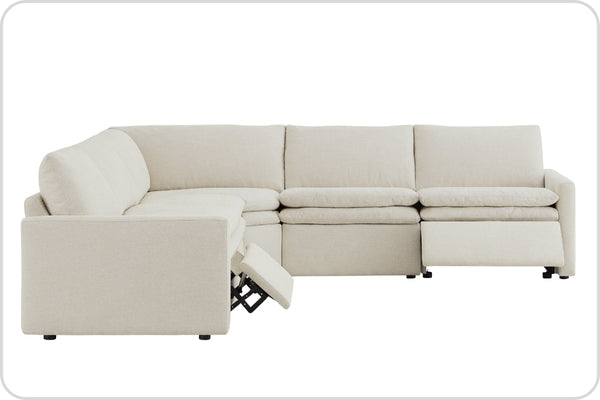
The first question is not which recliner feels nicest in the store. It is whether the chair fits the room both when closed and when open. A wall-hugger mechanism works by gliding the seat forward as the back reclines, which can reduce rear clearance needs, but it does not remove the need to plan for front extension and traffic flow. That is the core trade-off in a wall hugger recliner.
For apartment shoppers, that means footprint, clearance, control style, and visual bulk all matter at once. A chair can be compact on paper and still feel too large if its silhouette looks heavy next to the rest of the room. If you want a quick refresher on the mechanism itself, wall hugger overview is a useful follow-up, but the buying decision still starts with your room layout.
Choose a power recliner only if the room can keep the front-extension zone clear and the powered adjustment will get regular use. Choose a manual alternative if placement flexibility, outlet independence, or easier moving matters more than motorized convenience. If the recliner may need to be rearranged often, manual usually wins on practicality even when power looks more premium.
Power Recliners vs Compact Alternatives
For a small apartment, the comparison is less about luxury and more about how the chair behaves in real use. Power models usually win on effortless adjustment, while manual and other compact alternatives usually win on flexibility and lighter room presence. The difference becomes more obvious when you plan to move furniture, clean often, or shift the layout for guests.
| Recliner Type | Typical Apartment Advantage | Typical Drawback | Best-Fit Scenario | What To Verify Before Buying |
|---|---|---|---|---|
| Power recliner | Easy, repeatable adjustment | Needs more planning around placement and power access | Fixed seating spot, frequent use | Closed size, open position, outlet location |
| Wall-hugger power recliner | Can reduce rear-clearance pressure | Still needs usable space in front | Small room with a stable wall placement | Front extension, walkway space, exact mechanism behavior |
| Manual recliner | Greater placement flexibility and easier moving | Requires more physical effort to operate | Renters, multi-use rooms, frequent rearranging | Footrest operation, overall footprint, room flow |
| Compact lounge-style alternative | Lightest visual feel in tight rooms | May give up recline convenience | Style-first apartments and narrow layouts | Seat size, scale next to nearby furniture, comfort needs |
That pattern matches the broader apartment trade-off: manual recliners offer greater placement flexibility because they do not require proximity to a power outlet and are generally lighter and easier to move for renters. You can see the same logic in manual vs power recliner comparisons, where convenience and mobility do not always point to the same choice.

How Clearance and Placement Affect Fit
Rear clearance gets the most attention, but front extension is usually the part that causes regret. A recliner can fit against a wall and still fail in practice if the footrest or seat motion blocks a coffee table, hallway, or entry path. When measuring for a recliner, front extension and walkway space should be checked together, not one at a time.
Wall Clearance and Open-Position Space
Wall-hugger and zero-wall designs can reduce how far the chair needs to sit from the wall, but the exact savings are model-specific. That is why the product page matters more than a generic promise. If you are comparing options, wall-hugger clearance guidance can help you think about the room, but it should not replace the dimensions for the actual model.
Where a Recliner Works Best in Small Rooms
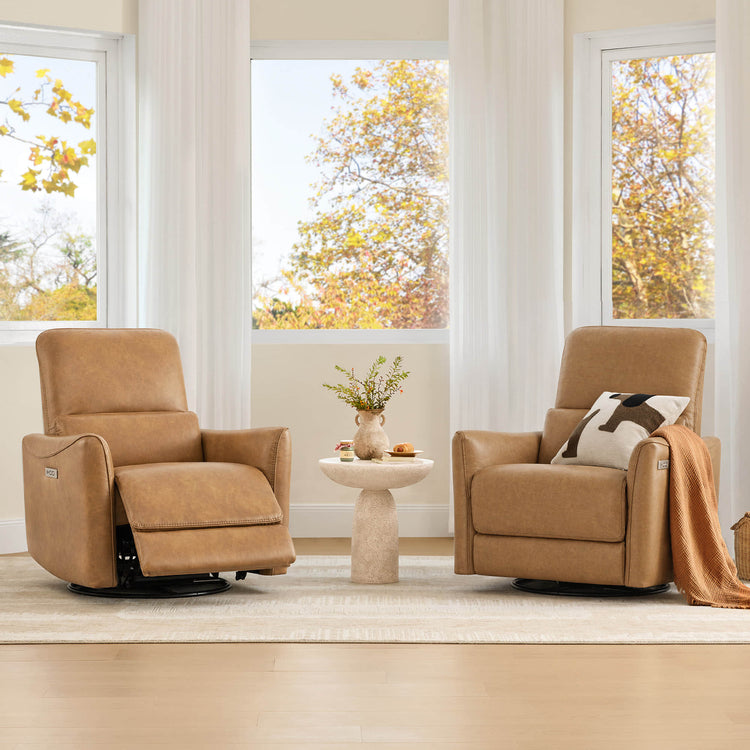
In many apartments, the best spot is along a wall, in a corner, or at the end of a seating run. Floating a recliner in the middle of a narrow room tends to make circulation harder and makes the chair feel larger than it is. A compact silhouette helps, but scale only really works when the room still feels open around it.
The easiest way to judge fit is to look at the whole seating area, not just the recliner by itself. Small living space arrangement ideas are useful here because they keep you thinking about traffic paths, nearby tables, and whether the chair interrupts daily movement.
What to Measure Before You Buy
Check four things before you add a recliner to cart: wall clearance, front extension, seat width, and the route from the doorway to the final spot. Then factor in outlet access, door swing, and any nearby furniture that could get in the way when the chair opens.
If you are buying a power recliner, this step matters even more. The chair may look apartment-friendly in photos, but the usable space is what determines whether it feels easy or cramped after delivery.

Power Features That Matter Most
In a small apartment, the best power features are the ones that improve everyday use without making the chair feel busier or bulkier. That usually means controls that are easy to reach, charging that reduces cable clutter, and any mechanism that helps the chair stay close to the wall without giving up comfort.
- Easy-to-reach controls: Useful if the recliner is your main seat and you want quick adjustments without leaning awkwardly.
- USB or USB-C charging: Helpful when the chair sits near a wall and you do not want cords running across the floor.
- Hidden or low-profile controls: Better for a cleaner look in a small room, especially when visual bulk already matters.
- Power headrests: Worth considering if you read, stream, or watch TV in the chair for long periods.
- Zero-wall or wall-hugger design: Relevant only if you still measure the open position and front clearance.
The point is not to chase every extra. Power recliner feature guides are most useful when they help you separate daily-use comfort from nice-to-have extras that do not really change apartment fit. For upholstery that will hold up better to everyday apartment use, the performance fabric durability guide is a helpful next step.
Which Option Fits Your Apartment Best?
The best choice depends on layout, lifestyle, and how often the chair will move. If the recliner has a fixed home near a wall, outlet access is easy, and you will use it daily, a power recliner makes sense. If the room is shared, narrow, or likely to change often, a manual or compact alternative is usually the safer pick.
Choose a Power Recliner If
Pick power when you want the easiest repeat adjustments and the chair will stay in one place. That is where a compact wall-hugger style can help, because it reduces rear-clearance pressure while keeping the comfort of motorized motion. For a browsing starting point, the main recliner collection is the broad category to scan before narrowing down by dimensions and mechanism.
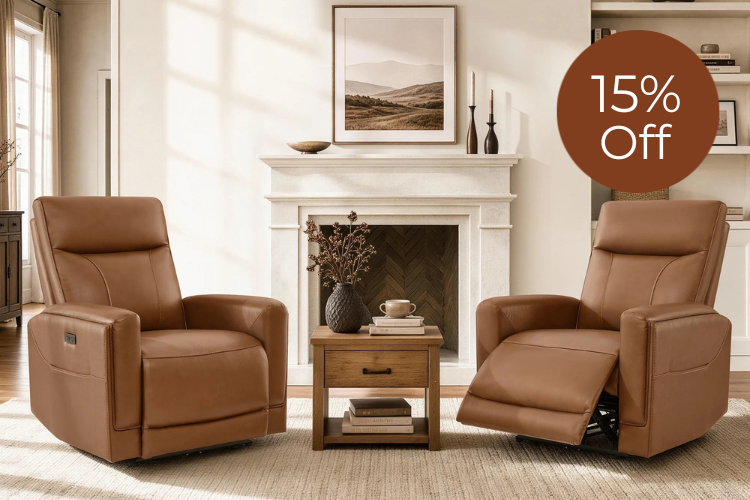
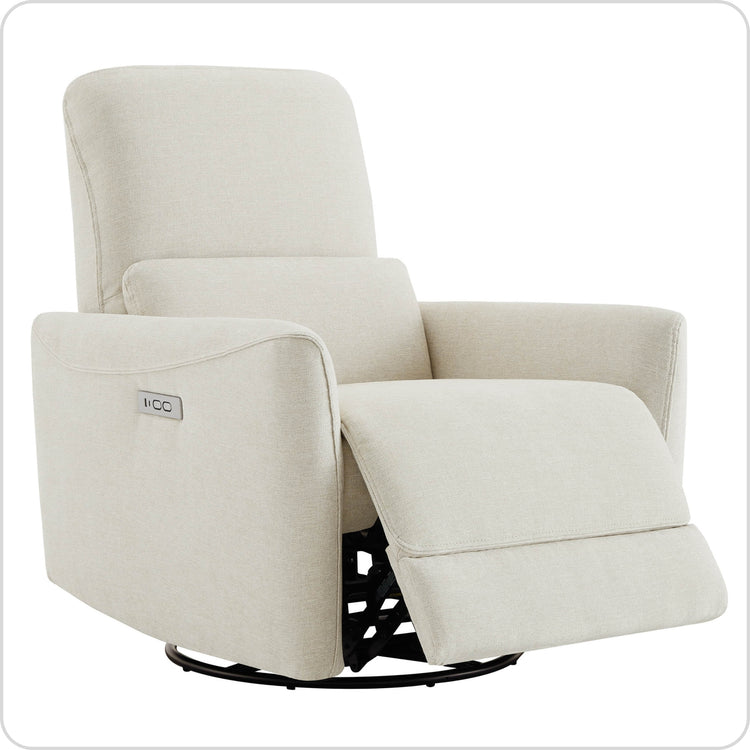
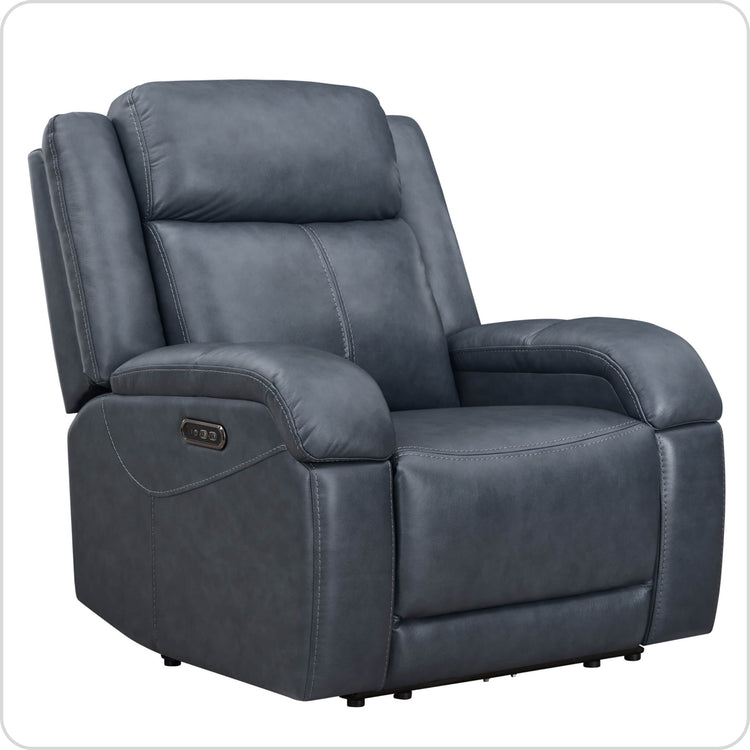
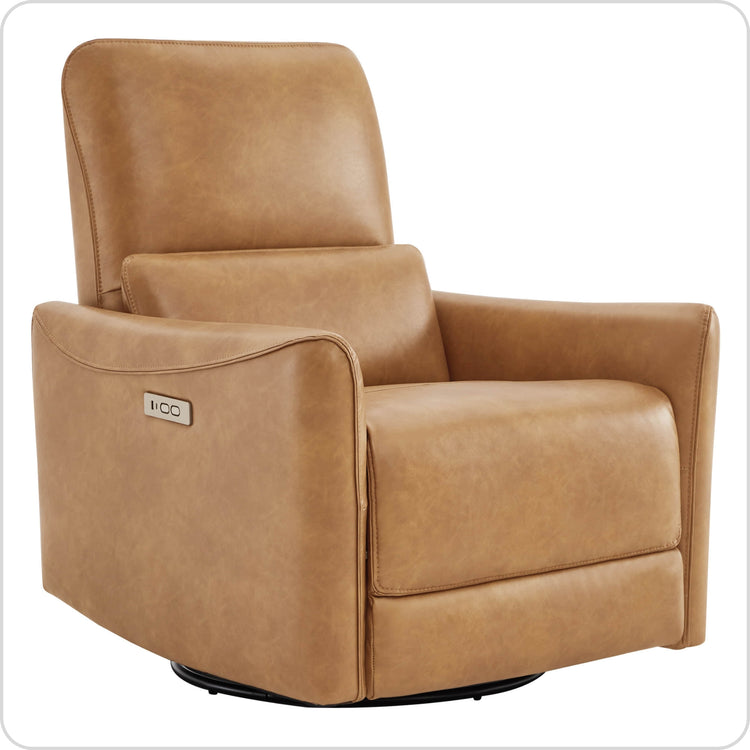
If you are comparing CHITA options, check the fit details on the Hadley power recliner or the Raven wall-hugger model only after you confirm the room measurements. Their names suggest the right category, but the deciding factor is still whether the open position works in your apartment.
Choose a Manual Alternative If
Choose manual when placement flexibility matters more than powered adjustment. That is often the better move for renters, multipurpose rooms, or anyone who expects to rearrange furniture for cleaning, guests, or a move. Manual also makes sense if you want a simpler footprint and do not want to plan around outlet placement.
A lever-style manual recliner can require more physical effort to close the footrest, so it is not always the most convenient choice. But if the room is tight, that trade-off may still be worth it. In this category, the practical advantage is not luxury; it is easier room management.
Final Apartment Fit Checklist
Before you buy, verify the recliner's closed size, open position, wall clearance, front extension, and walkway impact. Then check whether the room still feels balanced with the chair in place. If it looks crowded on a floor plan, it will probably feel crowded in real life too.
The simplest rule is this: choose power when daily convenience and a fixed layout matter most, and choose manual when flexibility and a lighter apartment feel matter more. That keeps the decision grounded in how you actually live, not just in how the chair looks on the product page.
FAQs
How Much Clearance Does a Wall-Hugger Recliner Need?
It depends on the model, so the safest approach is to verify the exact product dimensions and then check both wall clearance and front extension together. A wall-hugger design can save space at the back, but it still needs room to open without blocking circulation.
Can a Power Recliner Work in a Small Apartment Living Room?
Yes, if the chair's closed footprint, open position, and placement all fit the layout. It usually works best when the recliner can sit near a wall and the room still has enough usable space in front for walkways and nearby furniture.
What Is the Biggest Trade-Off Between Power and Manual Recliners?
Power recliners usually win on convenience and easy repeat adjustments. Manual alternatives usually win on placement flexibility and a lighter room feel. The better choice depends on whether daily comfort or layout freedom matters more in your apartment.
Why Does Visual Bulk Matter as Much as Dimensions?
Because a chair can technically fit and still make a small room feel crowded. Arm thickness, base style, and overall silhouette affect how open the room feels, especially when the recliner sits near a sofa, coffee table, or narrow walkway.
What Should I Measure Before Buying a Recliner for an Apartment?
Measure wall clearance, front extension, seat width, walking space, outlet access, and the path from the entryway to the final spot. Also check nearby furniture and door swing, because those details often decide whether the chair is practical after delivery.
Recommended Products

More to Read
 7 Sofa Trends That Actually Improve Comfort in 2026
Upgrade your living room with furniture that supports your body. Here are 7 modern sofa features designed to maximize your daily comfort...
7 Sofa Trends That Actually Improve Comfort in 2026
Upgrade your living room with furniture that supports your body. Here are 7 modern sofa features designed to maximize your daily comfort...
 Mother's Day Gift Guide: Cozy and Stylish Furniture Picks for Modern Moms
Make Mother's Day more meaningful with furniture gifts that bring comfort, smart features, storage, and quiet luxury into her everyday routine.
Mother's Day Gift Guide: Cozy and Stylish Furniture Picks for Modern Moms
Make Mother's Day more meaningful with furniture gifts that bring comfort, smart features, storage, and quiet luxury into her everyday routine.
 Performance Fabric Reality Check: Does It Really Repel Pet Hair and Stains?
Performance fabric is often marketed as a miracle solution for homes with pets and kids, but the reality is more nuanced. It...
Performance Fabric Reality Check: Does It Really Repel Pet Hair and Stains?
Performance fabric is often marketed as a miracle solution for homes with pets and kids, but the reality is more nuanced. It...