










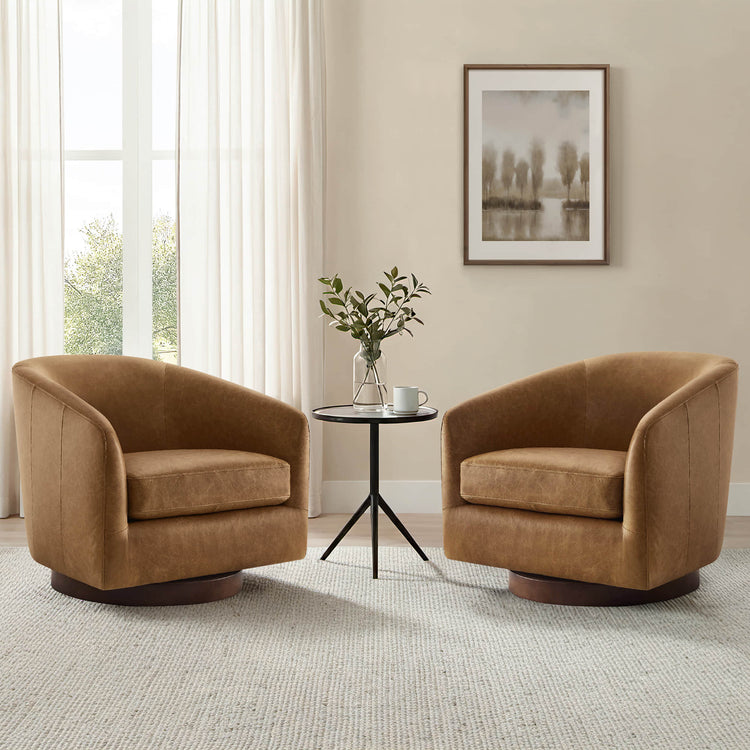













Nursery Glider Recliners Mistakes to Avoid in small nurseries

A nursery glider recliner can be a great choice for a small room, but only if you treat it as a fit problem first and a style choice second. The biggest mistakes are usually clearance, doorway, and circulation misses, not the chair's color or finish. In a tight nursery, the wrong chair can crowd a crib, block access to a dresser, or make feeding time feel cramped.

Why Small Nurseries Expose Buying Mistakes
Small nurseries leave very little margin for error. A nursery glider recliner that looks reasonable online can feel oversized once it is in the room, especially when you also need room for a crib, dresser, changing area, and a clear walking path.
The safest way to shop is to measure the whole placement zone, not just the chair's width. The American Academy of Pediatrics' nursery safety checklist also reminds parents to keep nursery furniture away from windows and dangling blind cords, which matters even more when every inch is already spoken for. And if a baby dozes off in a glider or recliner, the CPSC's safe sleep guidance is clear that inclined products are not meant for unsupervised infant sleep.
That is why the early decision should be simple: if the chair does not fit the room, the doorway, and the caregiving path, it is not the right chair yet.
Mistakes That Make a Nursery Feel Smaller
The most common nursery glider recliner buying mistakes for small nurseries usually come from treating the chair like a single footprint instead of a moving setup. In practice, the chair needs a parked space, a recline or glide zone, and enough room for you to walk past while holding a baby.
Ignoring wall clearance and recline space is the first trap. Many nursery recliners need meaningful rear clearance to tilt back fully, and a small room can lose usable walking space fast. A practical planning benchmark is that many models need roughly 10 to 18 inches behind them, while a clear walking path of about 30 inches in front of the chair is often recommended so a parent can move safely while carrying a baby. That does not mean every chair needs the same space, but it does mean rear clearance and front passage matter as much as the chair's listed width.
Buying by style before measuring the room is the second trap. A chair can be narrow on paper and still feel bulky if its swivel radius, footrest extension, or arm shape eats into the room. In compact layouts, the chair's operational footprint matters more than static width alone. The real question is not "Will it fit in the corner?" but "Will it still work when I recline, pivot, or reach for a diaper at 2 a.m.?"
Overlooking doorway and delivery fit causes a lot of regret because the chair may be orderable but awkward to bring in. Standard US interior doors are typically 32 inches wide, but the clear opening is often closer to 30 to 31 inches once the hinges and stops are factored in, according to standard interior door dimensions. If your hallway turns are tight or the packaging is bulky, the delivery path can become the real bottleneck.
Skipping multi-function features that actually save space can also backfire, but only if the feature solves a real room problem. A chair with charging or built-in controls may remove the need for a separate side-table charger, yet it does not automatically solve clearance, access, or doorway issues. The point is to match features to the layout, not to collect features because they sound smarter.
For a quick self-check, ask three questions before you buy: Can the chair recline without hitting a wall? Can you still reach the crib and dresser comfortably? Can the chair get into the room without a delivery fight? If the answer to any of those is shaky, keep shopping.

Which Features Matter in a Compact Nursery
For a small nursery, the best glider recliner features are the ones that reduce room stress, not the ones that simply sound premium. That usually means prioritizing space-saving geometry first, then deciding whether convenience features are worth the extra complexity.
| Feature | Small-Nursery Benefit | Trade-Off | Best For |
|---|---|---|---|
| Wall-hugger or low-clearance recline | Reduces rear clearance pressure | Still needs side and front access | Rooms with tight wall space |
| Swivel | Helps you turn without dragging the chair | Adds motion radius to plan around | Nurseries where access shifts often |
| Power recline | Easier one-handed adjustment | Needs power access and cord planning | Night feeding setups |
| USB charging | Can reduce clutter from extra chargers | Does not solve space fit by itself | Rooms with limited outlets or surfaces |
| Lumbar or headrest support | May improve comfort in longer sessions | Adds bulk or feature complexity | Parents who expect frequent, longer use |
The table below summarizes the space-versus-convenience trade-off in plain terms. If your room is already tight, a wall-hugger style is usually the first feature worth checking because it can reduce rear-clearance pressure. Swivel, power recline, and charging can still be helpful, but they should be treated as conditional upgrades, not automatic space savers.
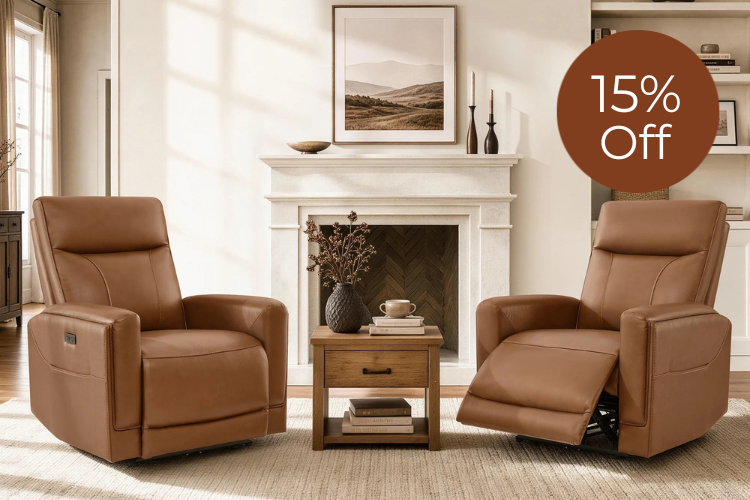
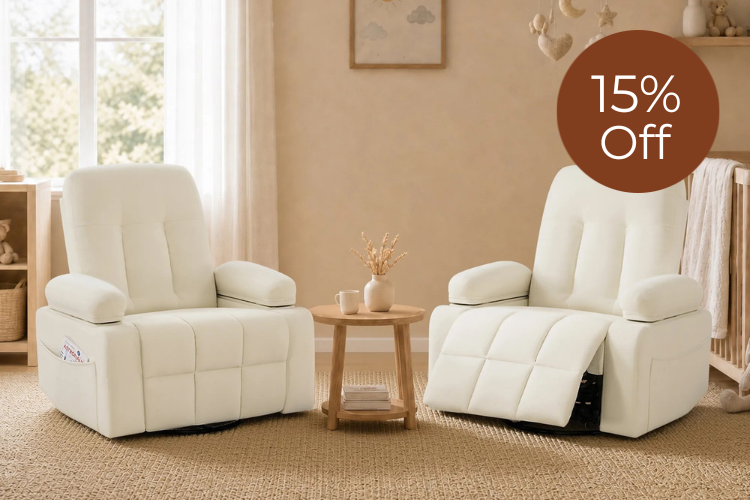
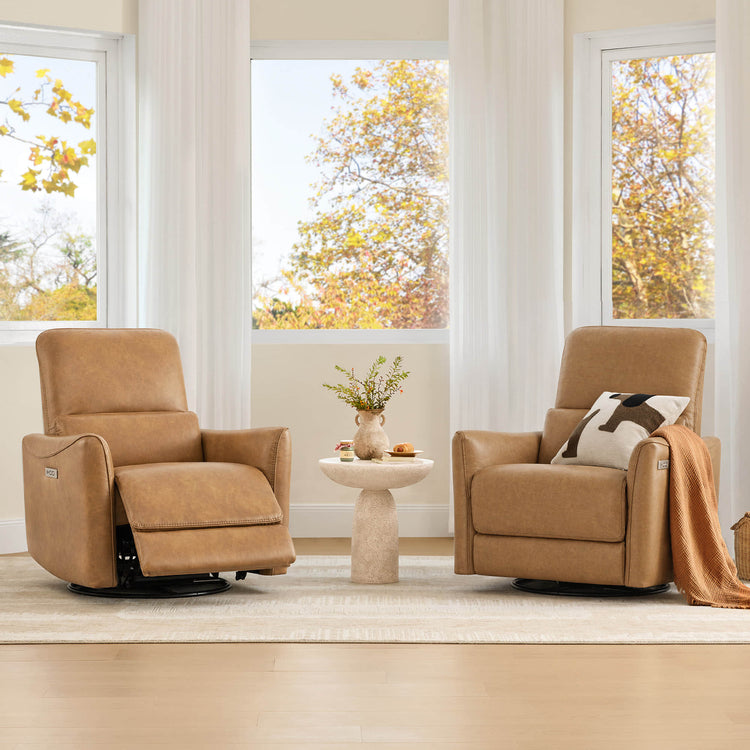
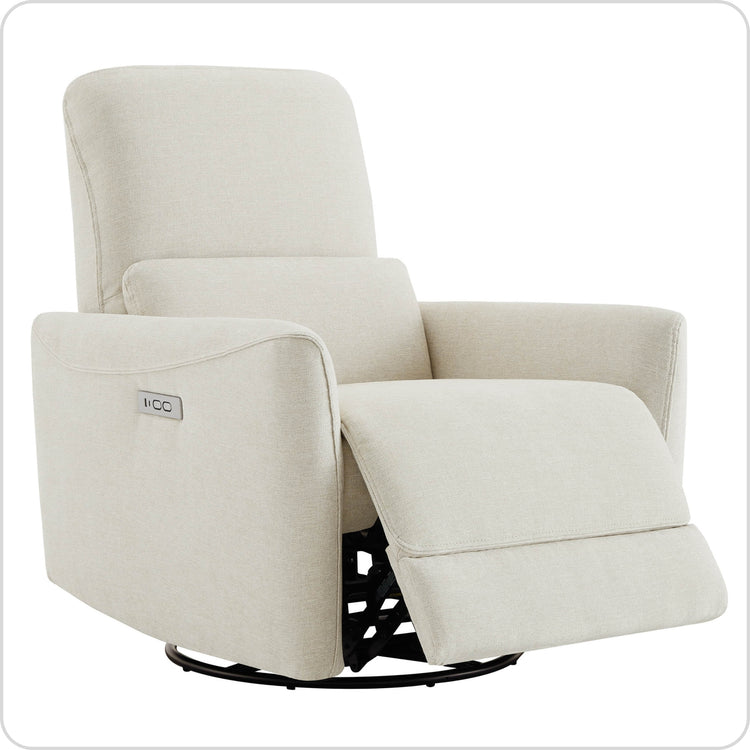
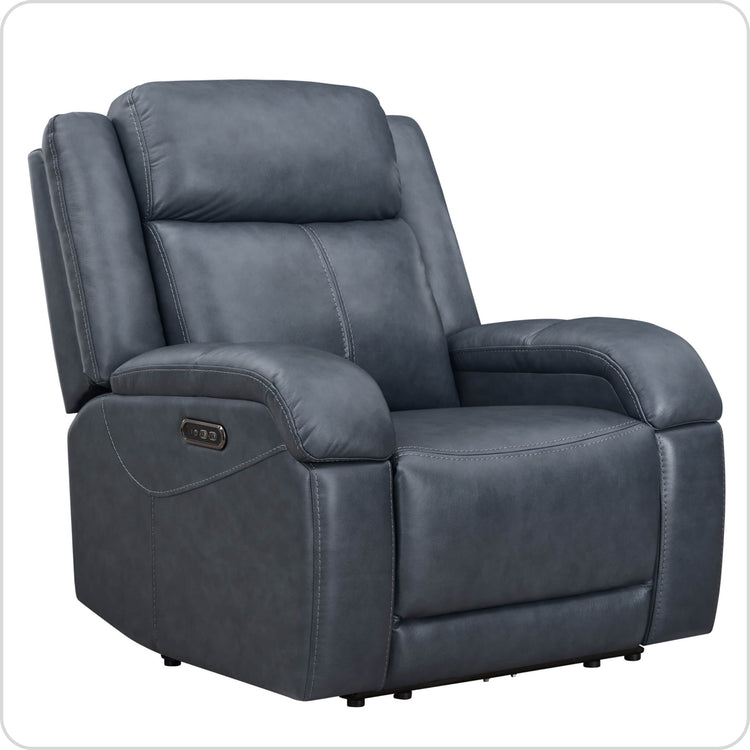
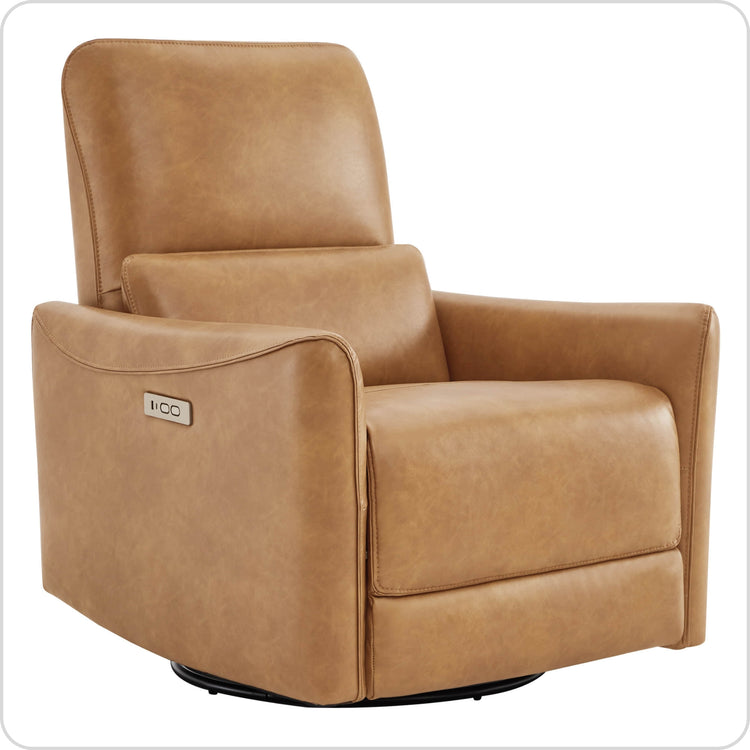
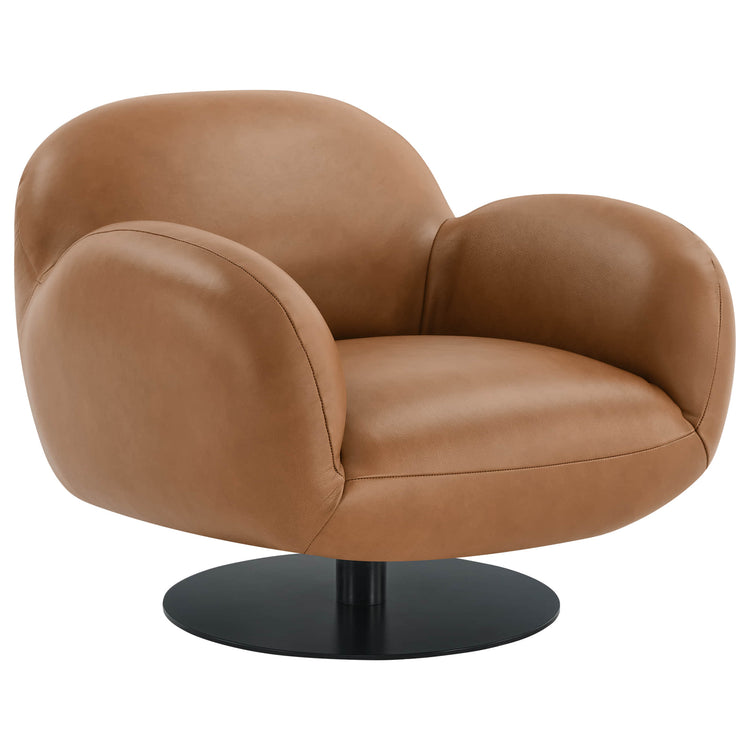
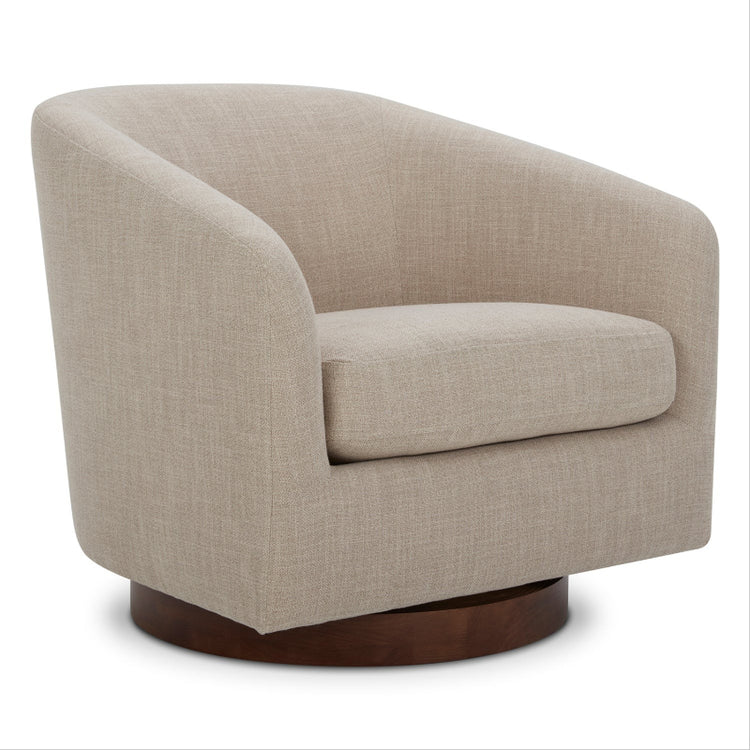
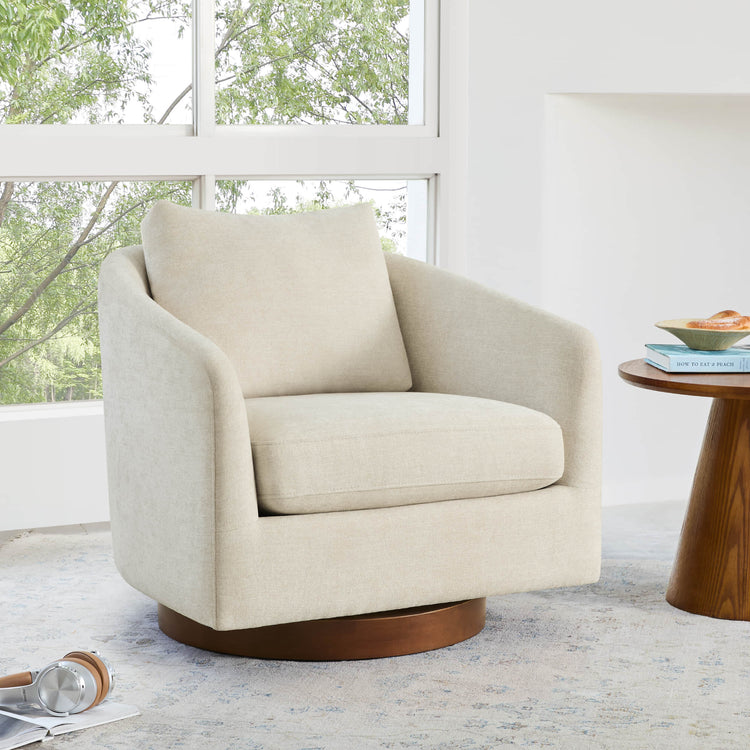
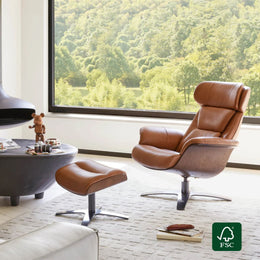
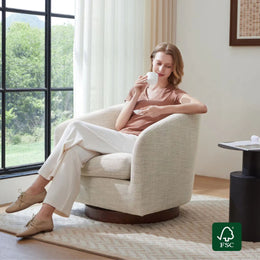
That same logic applies to the featured options. The Power Glider Recliner with USB makes sense when your nursery needs fewer cords and fewer loose accessories, but only if the chair still fits the room's motion envelope. The Errol Power Swivel Nursery Glider Recliner, Tracee Power Swivel Nursery Glider Recliner, and Vinca Power Swivel Nursery Glider Recliner with Power Lumbar & Headrest are best read as layout examples: useful when you want swivel or power features, but still worth verifying against your room dimensions before checkout.
Space-Saving vs Convenience-Only Features in a Small Nursery Glider
A qualitative decision aid for separating features that reduce spatial burden from features that mainly add comfort or convenience in a small nursery.
View chart data
| Scenario | Low | Moderate | High |
|---|---|---|---|
| Rear clearance demand | 1 | 2 | 3 |
| Motion envelope impact | 1 | 2 | 3 |
| Cord/accessory clutter reduction | 3 | 2 | 1 |
| Access/side-space complexity | 1 | 2 | 3 |
Use the chart as a simple filter: the more a feature increases motion or side-space complexity, the less it helps in a very small nursery. That is why feature-rich chairs are not automatically better than simpler ones. In a compact room, the best glider recliner for a small nursery is often the one that solves the layout problem you actually have.
Space-Saving Gliders That Fit the Room
Once the room-fit rules are clear, product browsing becomes easier. You are no longer looking for the fanciest nursery glider recliner; you are checking whether a chair supports the layout you already measured.
If your nursery is a spare bedroom or apartment setup with tight circulation, the more useful question is whether a chair can stay comfortable without demanding extra room around it. That is where a compact swivel or power model can make sense, because it may reduce the need for extra furniture, side-table charging clutter, or awkward repositioning after each feeding.
That said, do not let the feature list talk you into overconfidence. The Errol Power Swivel Nursery Glider Recliner, the Tracee Power Swivel Nursery Glider Recliner, and the Vinca Power Swivel Nursery Glider Recliner with Power Lumbar & Headrest may fit different comfort preferences, but each still needs a good delivery path, a workable wall distance, and a place in the room where swivel or recline motion will not block access to the crib or dresser.
A good rule is simple: if you are choosing between two similar chairs, favor the one that creates less layout friction, not the one with the longest feature list. In a small nursery, less friction usually means fewer regrets.
Final Checks Before You Buy
Before you place the order, slow down and run a final fit check. Measure the room as a whole placement zone, confirm the chair can turn and recline, and make sure the walkway still feels open when you imagine carrying a baby through it.
- Measure the parked footprint, then add the space the chair needs to recline or glide.
- Check the doorway, hallway, and stair turns. Standard interior doors are often tighter than the nominal size suggests, so delivery can fail even when the room itself looks fine.
- Keep the chair away from windows and dangling blind cords, and do not plan on using the chair as an infant sleep spot.
- If nearby dressers or other heavy nursery furniture need it, use wall anchoring so the whole room is safer as your baby starts pulling up.
- Review the return window, warranty, and delivery terms before checkout so a sizing miss does not become an expensive keep-it-anyway decision.
That last pass is what turns a cute listing into a workable nursery choice. If the chair clears these checks, you can buy with much more confidence.
Related Resources
- glider selection guide
- Decoding Upholstery Standards: The 2026 Guide to Performance Fabric Durability
FAQs
How Do I Measure a Small Nursery for a Glider Recliner?
Measure the chair's parked footprint, then mark the extra space needed for recline, swivel, or glide motion. After that, map the walkway you will use while carrying the baby, plus the space needed to open drawers or reach the crib. Measuring only the chair itself usually misses the real problem.
What Clearance Should I Leave Behind a Nursery Chair?
The right clearance depends on the model, but many recliners need meaningful room behind them to fully tilt back. In a small nursery, treat rear clearance as a functional zone, not a guess. If the chair is meant to sit near a wall, confirm that the back motion still leaves a comfortable walking path.
Can a Glider Recliner Work in a Bedroom Nursery?
Yes, if the room still works after the chair is placed. Bedroom nurseries usually fail when the chair blocks the door swing, crowds the crib, or makes nighttime movement awkward. If you can still move through the room easily, a glider recliner can be a practical hybrid-room choice.
How Do I Know If a Nursery Glider Is Too Big?
If it forces the crib, dresser, or changing area into a cramped corner, it is probably too big for the room. Another warning sign is when the chair fits only if you ignore recline space or delivery path. A chair that works on paper but not in motion is the wrong size.
What Features Matter Most in a Small Nursery Chair?
The most useful features are the ones that reduce layout friction, such as lower-clearance recline, swivel that helps you turn without dragging the chair, and charging that reduces extra cords. Features matter less if they add bulk or complexity that the room cannot absorb.
Final Takeaway
A nursery glider recliner can work beautifully in a small nursery when you choose it for clearance, delivery fit, and room flow first. If the chair still leaves a clear path, works near the crib and dresser, and does not create a cord or wall-clearance problem, it is much more likely to feel right day to day. Use the checklist, revisit the layout, and buy only after the room still makes sense.
Recommended Products


More to Read
 7 Sofa Trends That Actually Improve Comfort in 2026
Upgrade your living room with furniture that supports your body. Here are 7 modern sofa features designed to maximize your daily comfort...
7 Sofa Trends That Actually Improve Comfort in 2026
Upgrade your living room with furniture that supports your body. Here are 7 modern sofa features designed to maximize your daily comfort...
 Mother's Day Gift Guide: Cozy and Stylish Furniture Picks for Modern Moms
Make Mother's Day more meaningful with furniture gifts that bring comfort, smart features, storage, and quiet luxury into her everyday routine.
Mother's Day Gift Guide: Cozy and Stylish Furniture Picks for Modern Moms
Make Mother's Day more meaningful with furniture gifts that bring comfort, smart features, storage, and quiet luxury into her everyday routine.
 Performance Fabric Reality Check: Does It Really Repel Pet Hair and Stains?
Performance fabric is often marketed as a miracle solution for homes with pets and kids, but the reality is more nuanced. It...
Performance Fabric Reality Check: Does It Really Repel Pet Hair and Stains?
Performance fabric is often marketed as a miracle solution for homes with pets and kids, but the reality is more nuanced. It...