






















Reading Nooks Layout Ideas with recliners

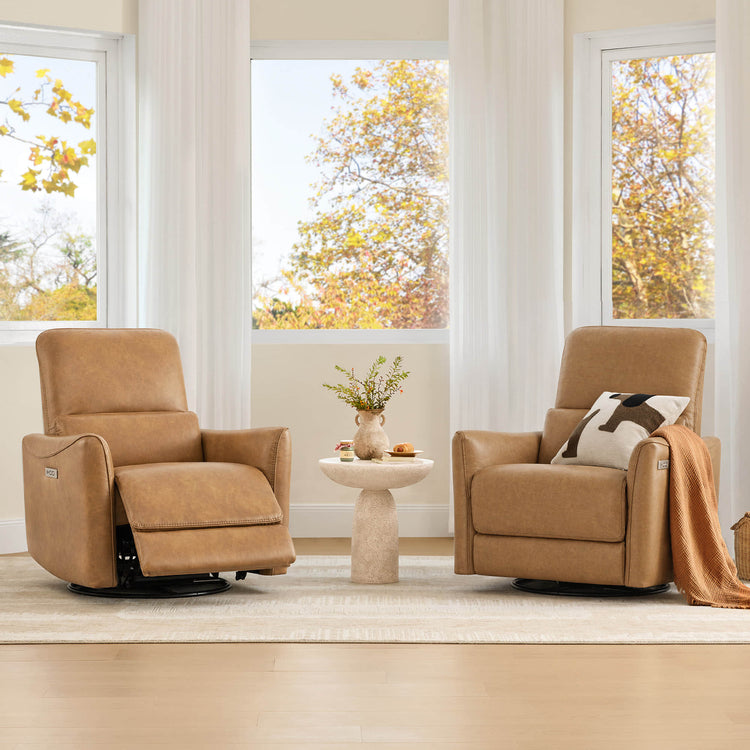
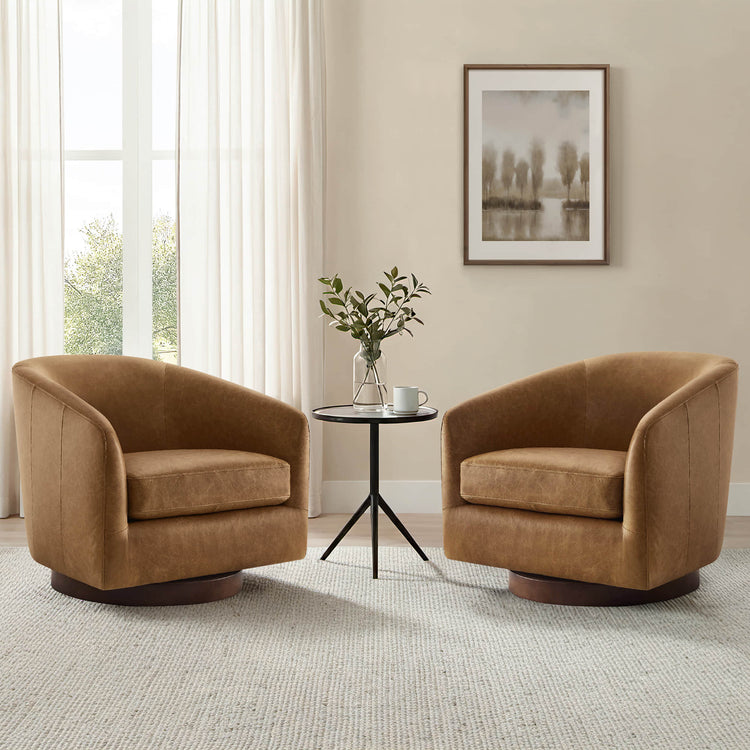
A well-planned reading nook layout ideas with recliners setup can feel cozy without looking crowded. Start with the footprint, then place the chair for flow and light, and keep the rest of the corner intentionally minimal so the recliner feels like part of the room, not an afterthought.
Start With the Space You Have
Measure the Footprint First
The biggest layout mistake is measuring only the seat and forgetting the full chair shape. For a recliner nook, you need to think about the chair itself, the space it needs to open, and the path you will use to sit down and stand up. That is especially true in a small reading nook with recliner, where one wrong placement can make the corner feel blocked.
A tape-measure test is worth doing before you buy or move anything. Mark the chair outline on the floor with painter's tape, then check whether you still have room for a side table and a normal walking path. If you are comparing recliner styles, use wall clearance basics as a starting point, but verify the model's full-open dimensions before you commit.
For very tight rooms, a wall-hugger style is usually the safer default. Standard recliners generally need more room to feel workable, so they are a weaker fit when the corner is already busy.
Choose the Best Corner or Wall
Natural light helps a reading nook feel lively, but the chair angle matters just as much as the window. Reading nook ideas note that a window seat only works well when you avoid glare on pages or screens, so do not point the chair straight into bright midday light if you plan to read often.
A dead corner, window edge, or wall break can define the nook without extra room dividers. The goal is to give the recliner a clear visual zone while still leaving room to move. If the chair sits too close to the busiest traffic line, the space will feel temporary no matter how nice the upholstery looks.
Match the Nook to the Room Type
A recliner placement in a reading corner should change with the room, not just the furniture. A small apartment corner needs the lightest possible setup. A bedroom nook can be a little deeper because privacy is built in. A living room reading zone should feel like a pause inside the room, not a second seating group competing with the sofa.
In lofts or home offices, keep the nook simpler than you think. One chair, one lamp, and one small table are often enough. If the space does not have a clear boundary, extra pieces usually make it feel less intentional, not more finished.

Place the Recliner for Easy Flow
A recliner works best when you choose placement for movement first and decoration second. The right spot depends on how people enter the room, where the light lands, and whether the nook needs privacy or flexibility. The comparison below helps show why the best cozy reading nook furniture layout changes by room shape.

| Placement option | Best for | Space tradeoff | Styling notes |
|---|---|---|---|
| Corner placement | Small rooms that need a defined reading zone | Can feel tight if the side table is too large | Keep the chair slightly off the wall and use one lamp or sconce |
| Window-side placement | Readers who want natural light | Glare can become a problem if the chair faces the window directly | Angle the chair so light lands from the side |
| Wall-adjacent placement | Bedrooms and alcoves with limited depth | Needs careful planning for recline motion and traffic flow | Choose a low-bulk table and keep the path open |
| Floating layout | Larger rooms that can absorb a visual pause | Uses more floor area, so it is not ideal for compact corners | Add a rug to anchor the zone and separate it from the main seating area |
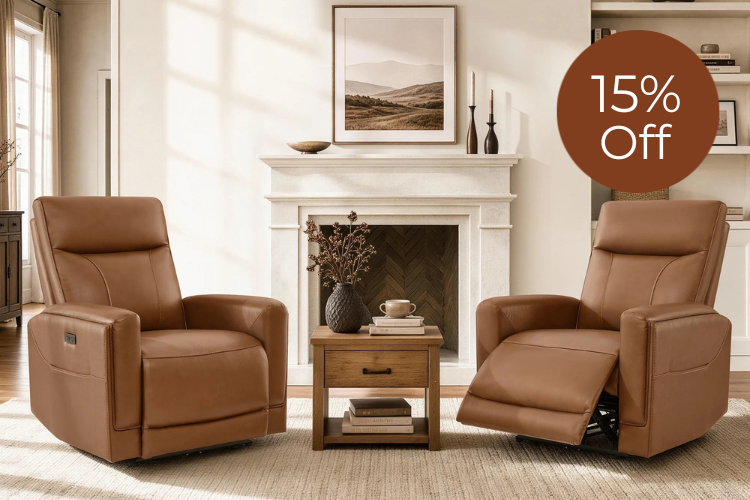
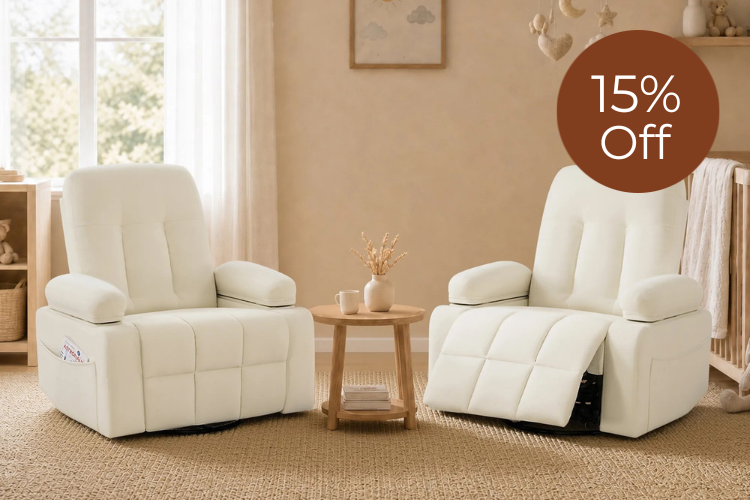
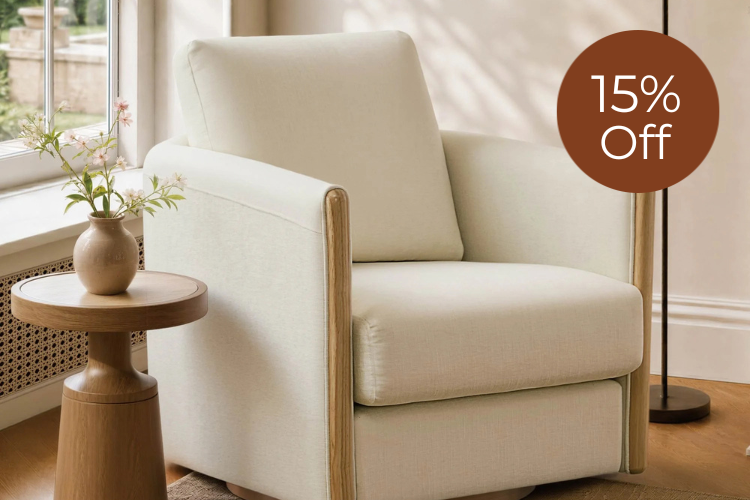
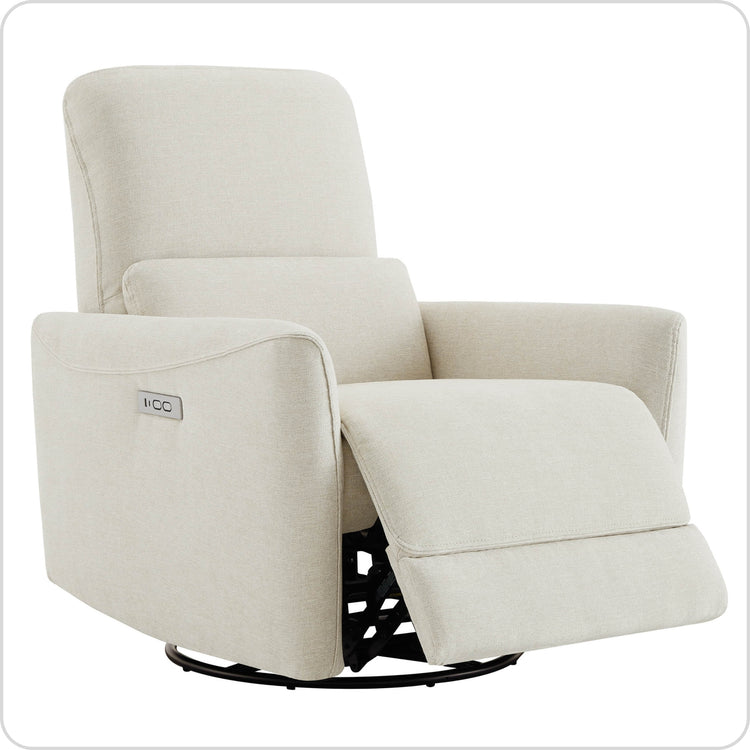
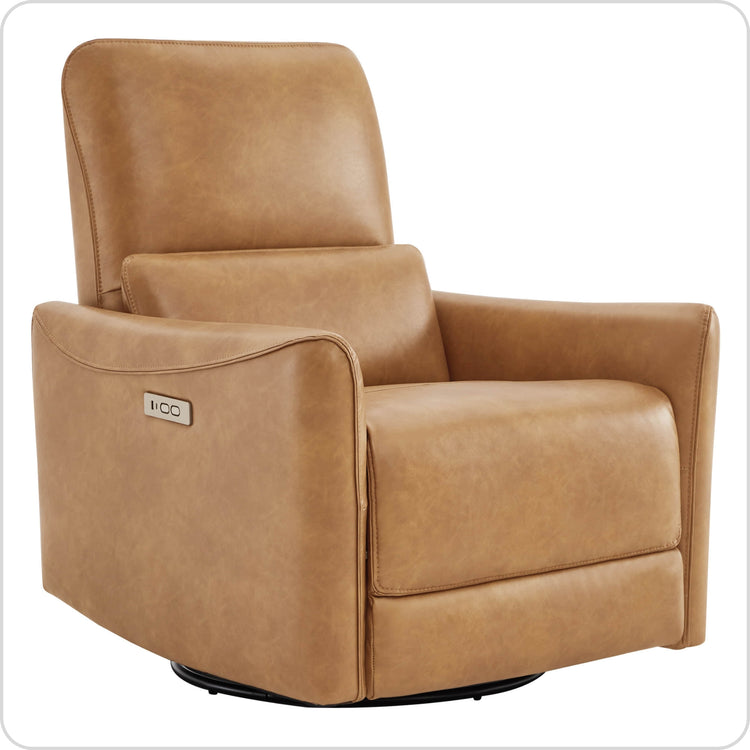
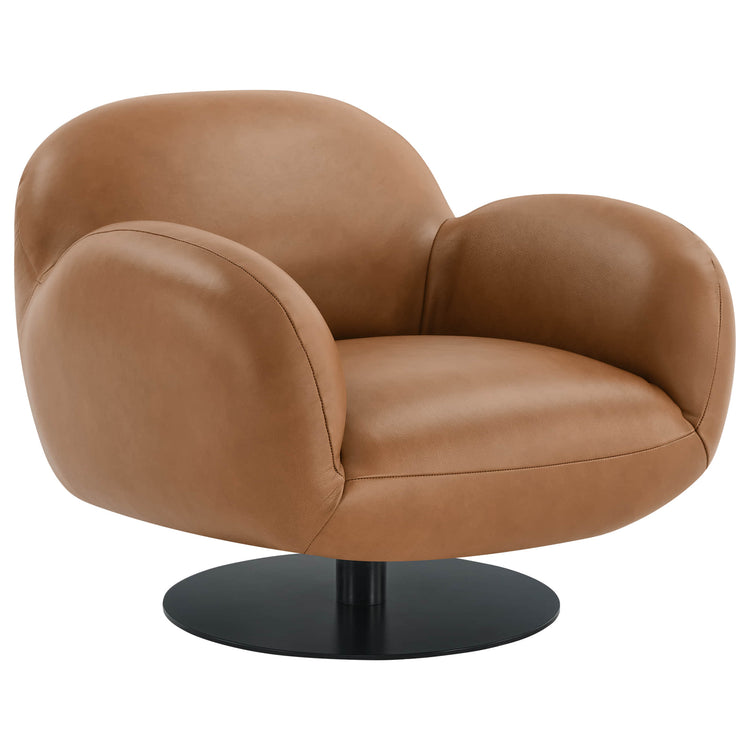
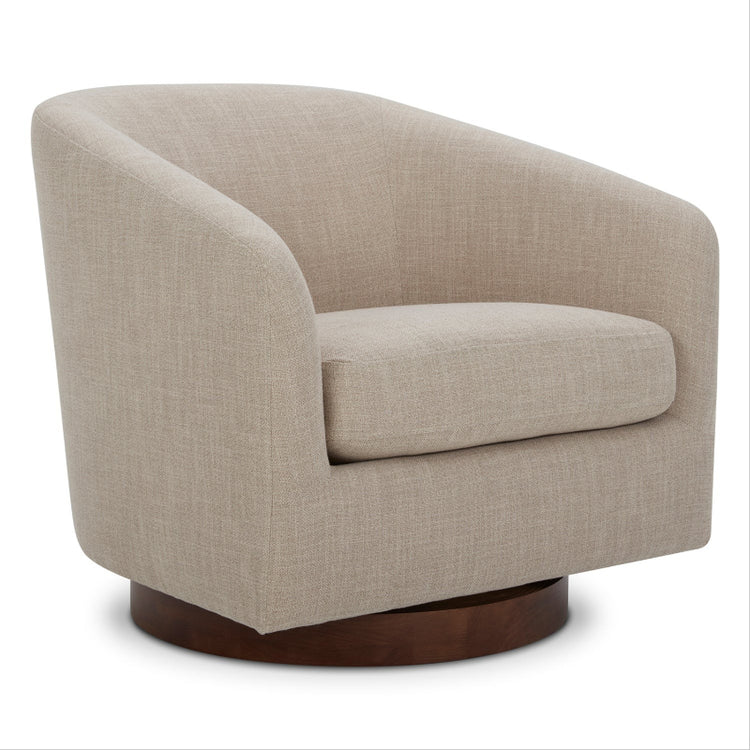
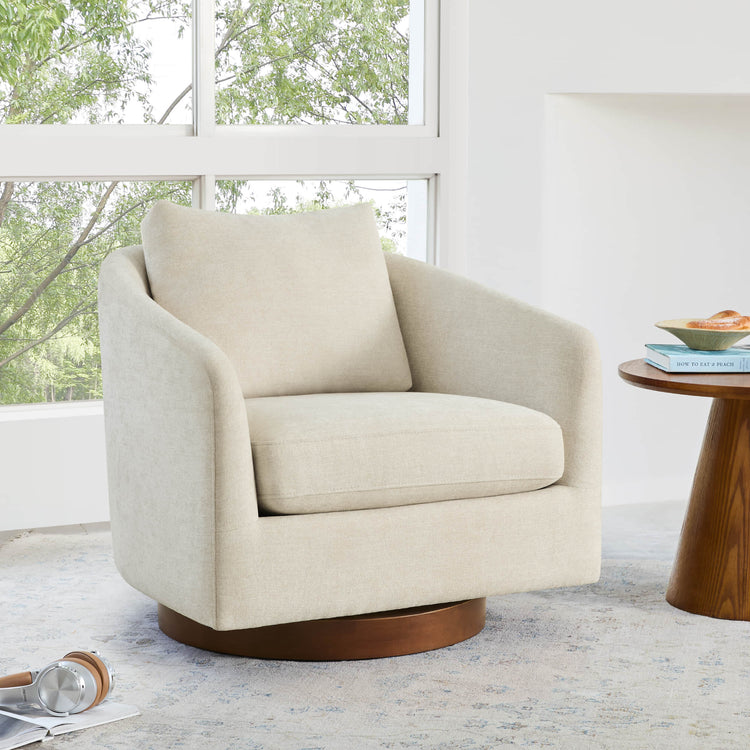
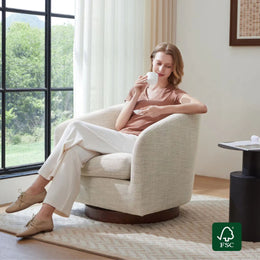
Swivel or rocker-style recliners can make a tight nook more forgiving because the reader can pivot toward light or conversation without moving the base. That flexibility does not solve every layout problem, but it can help when the room needs one seat to do more than one job.
If you want to keep browsing by placement style, a swivel-friendly recliner setup is worth comparing to a fixed wall-adjacent layout. It is most useful when the corner needs to feel open from more than one direction.
Style the Nook Without Adding Bulk
Layer Textiles for Softness
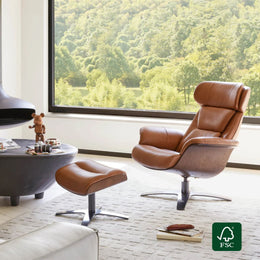
If the chair is the largest object in the nook, the rest of the styling should quiet it visually. A rug, throw, and one pillow can soften the recliner without making the corner look overdone. This is where modern recliner reading nook ideas usually work best: the shape stays simple, but the textures do the heavy lifting.
Try to keep the palette cohesive. If the chair, rug, and nearby wall decor all fight for attention, the nook starts to feel heavier. A restrained mix of linen, bouclé, wool, or soft weave can add warmth while keeping the room calm.
Use Light to Define the Corner
Lighting is part of the layout, not a last-minute add-on. Reading lamp lumen guidance puts task lighting in the rough 175 to 550 lumen range, which is a practical way to think about reading light: lower for a gentle glow, higher for focused page reading. That can help you choose a lamp that supports the nook without lighting the whole room like a work zone.
Place the lamp so the light reaches the page without creating glare or a harsh hotspot. In real rooms, that usually means testing it from the chair, not choosing it from across the store. If the nook sits near a window, the lamp should complement daylight instead of fighting it.
Choose a Side Table and Storage Pair
A side table should be useful first and decorative second. It needs enough surface for a book, glasses, and a drink, but it should not crowd the chair. In a how to style a reading nook with a recliner setup, compact storage is usually better than a big storage unit because it keeps the corner easy to enter.
If you need browsing inspiration, a cozy recliner style can help you compare softer, more design-forward shapes against boxier seating. Since product fact packs are limited, treat that as a place to check current specs and dimensions rather than a promise about fit.
Pick a Layout for Your Room Type
- Small apartment corner: Keep the layout tight and simple. A wall-hugger or swivel-friendly chair usually makes more sense than a deep, traditional recliner. Use one lamp, one small table, and one rug so the corner still feels open.
- Bedroom reading nook or master suite: You can add a little more depth because the space is usually more private. Place the chair where it does not block the bed path, closet access, or nightstand use, and keep the palette soft so the nook reads as restful.
- Living room corner: Treat the nook as a visual pause, not another seating cluster. A rug or floor lamp can define the zone, but avoid adding too many accessories that compete with the main furniture.
- Home office or loft: Use the simplest version of the nook. Because the room already has another purpose, the reading seat should stay clean, compact, and easy to separate from work activity.
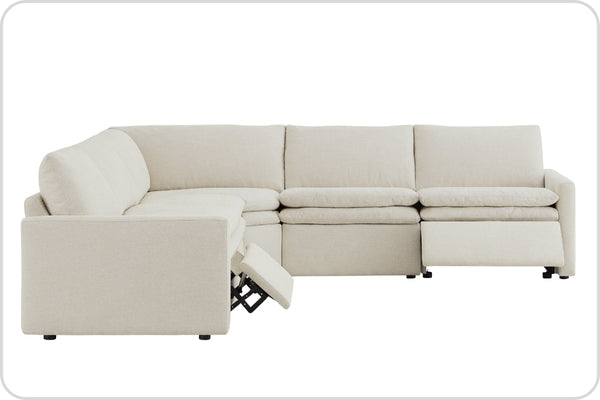
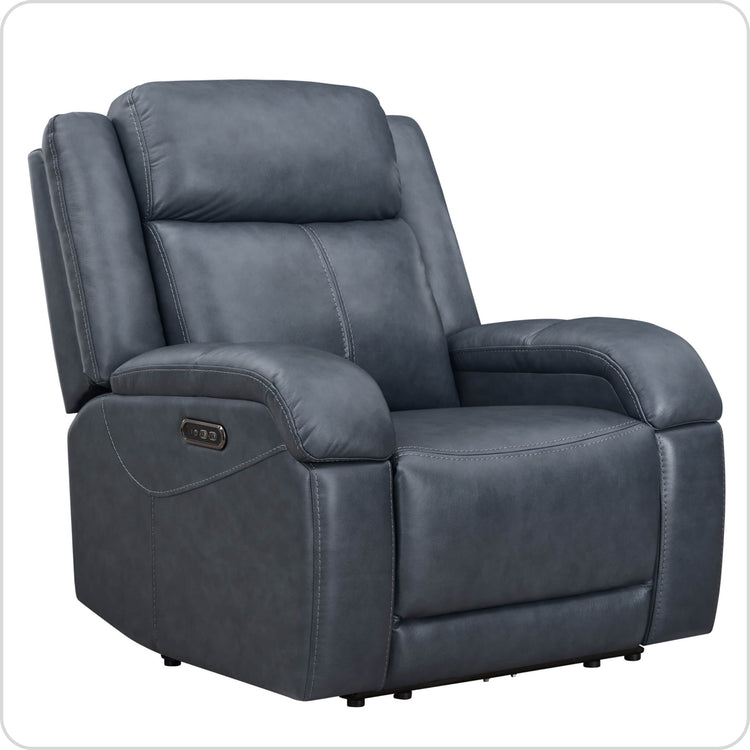
A wall-hugger recliner collection is a reasonable place to start if your room is tight and you want the layout to stay visually light. If you prefer a softer browsing path, the broader recliner collection can help you compare shapes before you settle on a footprint.
If the nook needs a more supportive back-and-forth motion, a swivel recliner option may be worth checking before you rule it out. For a room that wants a cleaner wall-facing profile, a wall-hugger model is usually the more practical browsing direction.
Finish With a Practical Setup Check
Before you call the nook done, sit in the chair and test the full experience. Make sure the recliner opens without hitting nearby furniture, the lamp lights the page from the seated position, and the table is easy to reach. Then stand up and walk out without squeezing past anything. That final check is often the difference between a corner that looks styled and one that actually works.
For a last pass, remove one accessory if the room feels crowded. A reading nook should feel intentional from the doorway and comfortable from the chair. If you still want to refine the setup, revisit the living room recliner basics for a broader look at how recliners fit into everyday rooms.
FAQs
How Much Space Do You Need for a Recliner Reading Nook?
There is no universal number because recliner style matters, but the full chair footprint, the recline motion, and a clear path in and out all need room. A wall-hugger layout usually works better in tighter corners, while a standard recliner needs more buffer.
Where Is the Best Place to Put a Recliner in a Small Reading Corner?
The best spot is usually the place with usable light and the least traffic. Window-side placement works when the chair is angled to avoid glare, while corner or wall-adjacent placement works better when you need to preserve movement through the room.
Can a Recliner Work in a Bedroom Reading Nook?
Yes, as long as the chair does not block door swing, closet access, or the path around the bed. Bedrooms can support a slightly deeper setup than a hallway or apartment corner, but the nook should still feel open enough to live with every day.
What Furniture Should Go Next to a Recliner in a Reading Nook?
Keep it simple: one side table, one lamp, and a small amount of storage if you really need it. In tighter rooms, extra pieces often make the corner feel busier than it needs to be.
How Do You Make a Recliner Reading Nook Look Less Bulky?
Use a calm palette, soft textiles, and only the accessories you will actually use. When the chair is the biggest piece, visual restraint matters more than adding more decor. A rug and a well-placed lamp usually do more than another decorative object.
Final Takeaway
The best reading nook layout ideas with recliners start with footprint, light, and movement, then finish with a simple styling plan. If the room is tight, lean toward a wall-hugger or swivel-friendly layout. If the space is larger, add depth slowly so the nook still feels calm, not crowded. Use the checklist, test the chair in place, and keep the corner visually light.
Recommended Products

More to Read
 7 Sofa Trends That Actually Improve Comfort in 2026
Upgrade your living room with furniture that supports your body. Here are 7 modern sofa features designed to maximize your daily comfort...
7 Sofa Trends That Actually Improve Comfort in 2026
Upgrade your living room with furniture that supports your body. Here are 7 modern sofa features designed to maximize your daily comfort...
 Mother's Day Gift Guide: Cozy and Stylish Furniture Picks for Modern Moms
Make Mother's Day more meaningful with furniture gifts that bring comfort, smart features, storage, and quiet luxury into her everyday routine.
Mother's Day Gift Guide: Cozy and Stylish Furniture Picks for Modern Moms
Make Mother's Day more meaningful with furniture gifts that bring comfort, smart features, storage, and quiet luxury into her everyday routine.
 Performance Fabric Reality Check: Does It Really Repel Pet Hair and Stains?
Performance fabric is often marketed as a miracle solution for homes with pets and kids, but the reality is more nuanced. It...
Performance Fabric Reality Check: Does It Really Repel Pet Hair and Stains?
Performance fabric is often marketed as a miracle solution for homes with pets and kids, but the reality is more nuanced. It...