































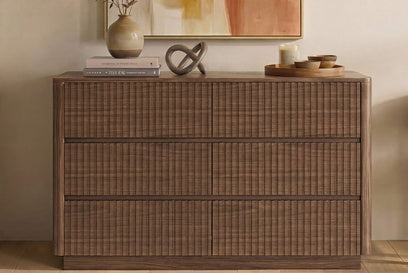









How to Remove Water Stains From Wood Furniture: Step-by-Step Guide

If you are figuring out how to remove water stains from wood, start by identifying the mark before you try to erase it. Water stains on wood furniture can look similar at first, but the fix depends on whether the moisture is trapped in the finish or has reached the wood itself. White rings and cloudy spots often point to moisture trapped in the finish, while darker stains usually mean the moisture reached the wood and reacted with the tannins. That difference matters because a gentle surface fix may help one type, but not the other.
Identify the Mark Before You Treat It
What White Rings Usually Mean
A pale ring on a table is often a moisture mark, not permanent wood damage. In many cases, the water sat in or under the finish and left the wood underneath intact. Dark brown or black stains are a different problem, because they usually mean the moisture got into the wood and reacted with the tannins there, which makes simple surface treatment much less likely to work. How water stains behave in wood helps explain that split.
Signs the Finish Is Damaged
Check the surface texture before you do anything else. Cracking, sticky patches, a rough edge around the mark, or a dull area that looks thin are warning signs that the finish may already be compromised. If the mark has a clear edge, or if the color change looks deeper than the top coat, do not scrub aggressively. That is how a repairable spot turns into a larger finish problem.
What to Check Before You Start
Use a hidden spot first, especially on veneer, lacquer, or a delicate finish. Look at how the surface reacts, not just whether the stain lightens. If the area starts to haze, lift, smell strong, or feel tacky, stop and switch to a more conservative path. For readers updating a room around an older table, the same caution applies whether you are restoring the piece or just trying to keep it presentable; a gentle dining room refresh often starts with protecting the finish you already have.

Try the Safest Fixes First
For most people, the safest first pass in how to remove water stains from wood is to start with the least disruptive method and stop fast if the finish reacts badly. Do not jump straight to sanding, scrubbing, or strong cleaners. The goal is to see whether the mark is still sitting in the finish, not to prove how much pressure the table can take.
-
Blot any remaining moisture and dry the area with a soft cloth. If the spot is still damp, do not rub in circles. Pressure can spread the mark or press moisture farther into the finish.
-
Let the surface rest and recheck it in good light. If the ring is already fading as it dries, the problem may be shallow enough to resolve without a stronger step. If nothing changes and the finish still looks intact, move to the next conservative option.
-
Try a low-risk oil-displacement method on a white ring. Oregon State University Extension notes that petroleum jelly or mayonnaise can help displace trapped moisture in a wood finish, which makes them a reasonable first attempt for light white rings. University guidance on wood furniture care supports that conservative approach.
-
Apply a small amount only to the affected area and leave it for several hours or overnight. Wipe it off completely, then inspect the spot again. If the mark has softened or faded, you can repeat cautiously. If it looks smeared, sticky, or more cloudy, stop there.
-
Use the result to decide whether to continue. If the ring improved, you likely had a surface-level moisture mark. If it stayed dark, textured, or unchanged after a careful try, the problem may be deeper than a simple household fix.
This is also where many people make mistakes. They move too fast, add more heat than needed, or keep trying after the finish starts to look worse. A safer rule is simple: if the surface is reacting badly, the method is no longer helping.

Know Which Household Method Fits the Finish
Before you choose the next method, identify the finish as best you can. Kentucky's finish identification guidance recommends a hidden-spot test with denatured alcohol and lacquer thinner as a practical screen. If alcohol softens the finish, shellac or lacquer is more likely. If alcohol resists but lacquer thinner softens, lacquer is more likely. If both resist, polyurethane is more likely.
| Method | Best fit | Main risk | Stop signal |
|---|---|---|---|
| Drying / blotting | Fresh water marks, damp surfaces, or moisture that has not fully settled into the finish | Rubbing can spread moisture or worsen the mark | If the spot is already dry and unchanged, or the finish looks cloudy or damaged |
| Oil displacement with petroleum jelly or mayonnaise | Light white rings or water marks on finished wood where a gentle first-pass treatment is appropriate | Can leave residue, attract dust, or affect the finish if left too long | If the mark does not improve after a cautious try, or the finish begins to look smeared, sticky, or dull |
| Hidden-spot solvent test | Before trying a solvent-based step on a finished surface | Solvent can dull, lift, or discolor the finish | If the test area shows any adverse change, or if the finish type is uncertain |
| Professional refinishing / repair | Deep stains, stubborn marks, damaged finish, or cases where the finish has been compromised | DIY escalation attempts can cause more visible damage or uneven results | If the stain remains after gentle methods, or the surface shows cracking, peeling, lifting, or widespread discoloration |
Use the table as a risk filter, not a promise. A method can be reasonable on one finish and risky on another. That is why the hidden-spot test matters so much in how to fix white marks on wood without creating a second problem.
If your table or accent piece has a mixed finish, veneer edge, or thin top coat, stay conservative. Readers who are comparing room styling choices can also use a broader wood and fabric styling guide to keep the rest of the space cohesive while they protect the furniture surface.
When a Stain Needs Professional Help
Some marks are no longer simple stains. If the finish is bubbling, lifting, peeling, or warping, or if the piece has loose joints, stop DIY and move to repair. A restoration professional would usually treat those as stop signals, especially on antiques or higher-value furniture. Water-damaged furniture repair criteria gives a useful rule: when structure or veneer is compromised, do not keep escalating.
Spot repair makes sense when the damage is small and the surrounding finish is still sound. Refinishing becomes the better path when the sheen is uneven across a larger area, the stain is persistent, or the top layer has clearly failed. If the mark is dark and has reached raw wood, oxalic acid is sometimes mentioned as a deeper restoration route, but that belongs in repair territory, not in a casual weekend fix.
For prevention, use coasters and trivets, lift glasses and planters instead of sliding them, and wipe spills dry quickly. If you are already planning a room update, a dining room refresh can be a good moment to add those habits and protect the piece long term.
FAQs
How Do You Remove White Rings From Wood Table Surfaces?
Start with drying and a gentle oil-displacement method rather than abrasion. White rings often mean moisture is trapped in the finish, so the best first move is usually the least aggressive one. If the mark changes after a cautious try, you may be dealing with a shallow surface issue rather than deeper wood damage.
Can Heat Marks Be Removed From Wood Furniture at Home?
Sometimes a warm mug or plate mark behaves like a moisture ring and improves with careful, low-risk treatment. But if the finish has already hazed, lifted, or changed texture, heat alone is unlikely to restore it fully. That is where the article's stop rules matter more than pushing for one more attempt.
What Should You Not Use on Water Stains on Wood?
Avoid heavy scrubbing, harsh abrasives, and repeated wetting. Those mistakes can turn a small mark into a larger finish defect. If a hidden-spot test shows the finish softening or dulling, stop using that method right away and do not assume the entire piece will react the same way.
How Can You Tell If a Wood Finish Is Too Damaged for DIY?
Look for bubbling, lifting, peeling, warping, or a mark that stays dark and rough after gentle treatment. Those signs suggest the problem has moved beyond a simple surface ring. On veneer or an older piece, it is usually smarter to protect the finish and consider repair than to keep testing stronger fixes.
Can You Prevent Water Rings on Wood Furniture?
Yes, usually with simple habits. Coasters, trivets, and quick wipe-dry routines go a long way, especially for dining tables and coffee tables that see daily use. The most important prevention step is to remove damp objects promptly, because standing moisture is what starts most rings in the first place.
Recommended Products


More to Read
 7 Sofa Trends That Actually Improve Comfort in 2026
Upgrade your living room with furniture that supports your body. Here are 7 modern sofa features designed to maximize your daily comfort...
7 Sofa Trends That Actually Improve Comfort in 2026
Upgrade your living room with furniture that supports your body. Here are 7 modern sofa features designed to maximize your daily comfort...
 Mother's Day Gift Guide: Cozy and Stylish Furniture Picks for Modern Moms
Make Mother's Day more meaningful with furniture gifts that bring comfort, smart features, storage, and quiet luxury into her everyday routine.
Mother's Day Gift Guide: Cozy and Stylish Furniture Picks for Modern Moms
Make Mother's Day more meaningful with furniture gifts that bring comfort, smart features, storage, and quiet luxury into her everyday routine.
 Performance Fabric Reality Check: Does It Really Repel Pet Hair and Stains?
Performance fabric is often marketed as a miracle solution for homes with pets and kids, but the reality is more nuanced. It...
Performance Fabric Reality Check: Does It Really Repel Pet Hair and Stains?
Performance fabric is often marketed as a miracle solution for homes with pets and kids, but the reality is more nuanced. It...