






















The 5-Year Sectional: Scaling Your Modular Sofa with Your Life

Why Modular Sofa Expansion Is a Strategic Seating Choice for 2025-2026
Modular systems address the "obsolescence problem" common in traditional furniture. Instead of replacing a sectional when your household grows or you move to a larger home, you add compatible pieces to a high-quality base. This approach can deliver better long-term value through cost-averaging: you invest in durable materials now, then spread the cost of additional seating over several years.
For renters, the advantage is practical. Individual modules navigate tight apartment hallways and stairwells more easily than bulky one-piece units. When relocating, you can reconfigure the system to fit a new floor plan. This flexibility makes modular expansion a resilient strategy as housing needs evolve.
The key is treating your sofa as a 5- to 10-year investment. Success depends on starting with a versatile configuration and respecting spatial limits to prevent "layout regret" later.

Year 1: The Versatile 3-Piece Starter Configuration
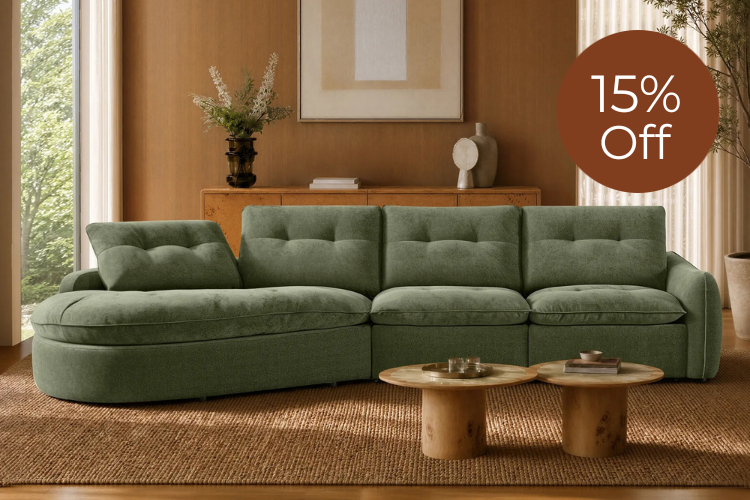
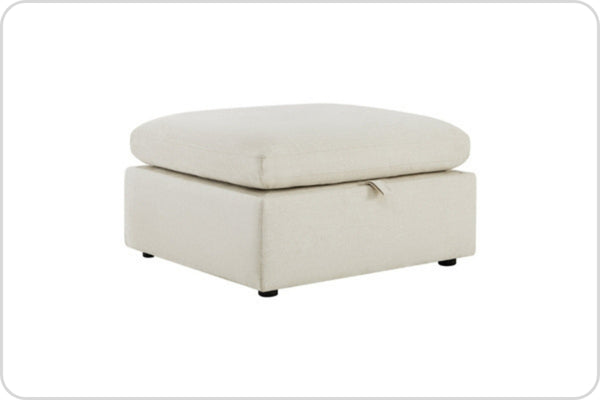
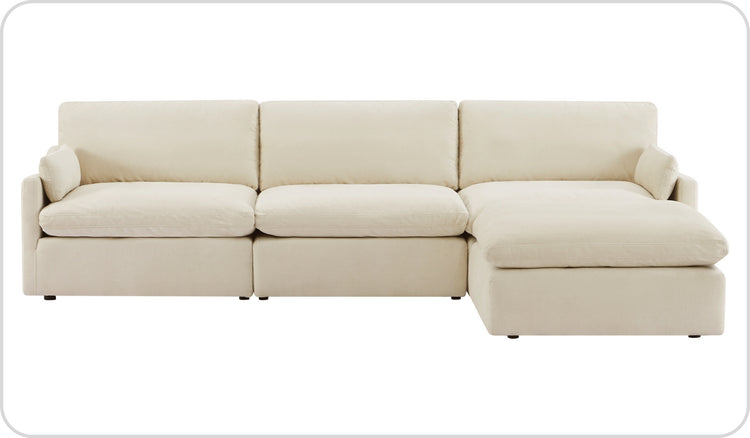
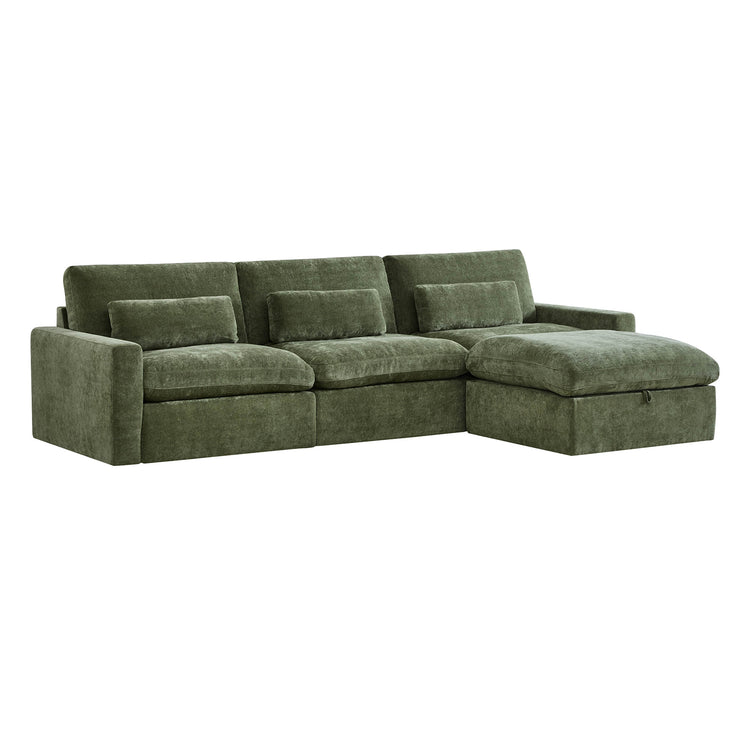
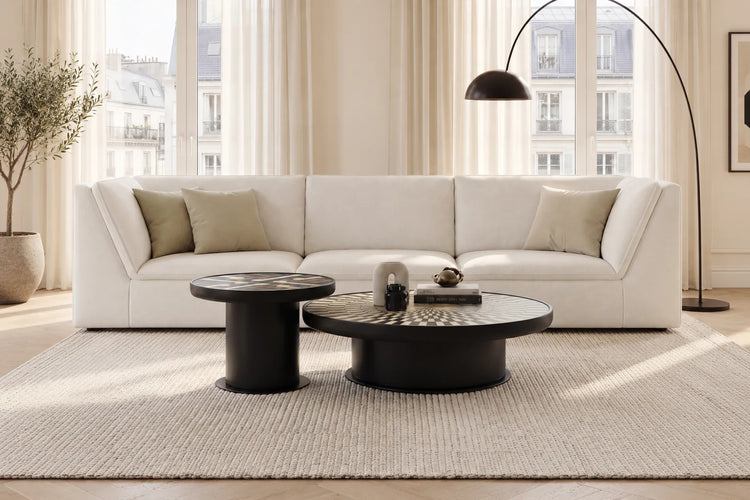
The most strategic starting point is usually a 3-piece setup that preserves future layout possibilities. Consider a corner, an armless chair, and an ottoman, or a 3-seat linear sofa like the Jonathan Modern Cozy Chenille 3-seat Modular Sofa with Hidden Storage.
Avoid pieces that lock you into a specific orientation too early, such as fixed L-shaped units with permanent arms. Instead, choose individual modules that can be mirrored or rearranged. This is especially vital for renters who may face different room shapes in their next home.
Prioritize durable, easy-care fabrics for your starter pieces. Performance bouclé or chenille options tend to resist stains and wear better during high-use years, ensuring the base remains attractive as you add new pieces. For a deeper dive into these choices, see Modular Sofas vs. Traditional Sofas: Which Is Right for Your Home?.
If you are still deciding between a fixed or flexible setup, our guide to Sofa vs. Sectional: Which is the Better Choice for Your Living Space? helps clarify when starting modular makes the most sense.
How to Plan Your Room Layout for Future Expansion
Before purchasing your first modules, map your current and anticipated traffic patterns.
- The 36-Inch Rule: Standard interior design heuristics, often cited in clearance guidelines for comfortable circulation, suggest maintaining a minimum of 36 inches for primary traffic arteries (Living Room Clearance & Circulation Guide). Mark these walkways with painter's tape before committing to a configuration.
- The 2/3 Rule: For visual balance, furniture should ideally occupy about two-thirds of the available floor space or wall length (Home & Personal Living Space - The Principles of Design). Measure your longest wall, multiply by 0.66, and treat that as your maximum sofa footprint—even after full expansion.
- Traffic Lanes: Establish clear paths that do not interfere with doors, windows, or natural movement (Furniture Grouping and Traffic Patterns).
These measurements are critical when planning for future pieces. Left-Facing vs. Right-Facing Sectionals: Which One Fits Your Room Layout? and How to Maximize Small Spaces with Smart Sofa Solutions for 2025 offer additional strategies for scaling your setup.

The 5-Year Growth Path: From Apartment L to Family U-Shape
A staged expansion approach shifts focus from what you want today to preserving future options. A typical roadmap looks like this:
- Phase 1 (Years 1-2): Begin with an "Apartment L" using three pieces. This compact footprint suits small spaces and couples.
- Phase 2 (Years 2-4): Add armless seats to create a longer linear run. This increases seating capacity without blocking new walkways.
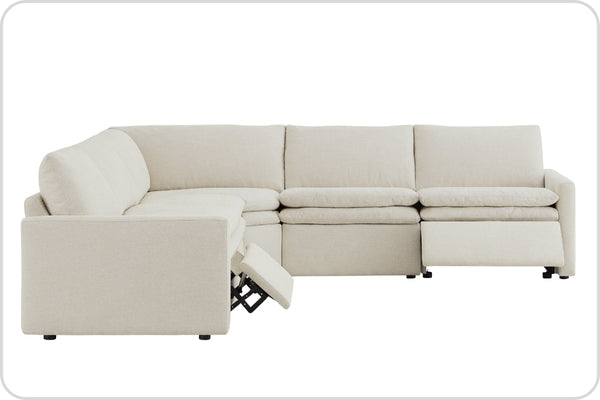
- Phase 3 (Year 5+): Complete the U-shape by adding a corner piece and ottoman once your permanent room orientation is settled. Collections like the Maisie 6-seat Modular Sofa with Storage Ottoman demonstrate successful end-stage results.
Safest Expansion Stage by Room Layout
Tiered comparison of expansion stages against conservative clearance and proportion rules.
View chart data
| Category | Orientation flexibility | Walkway clearance risk | Seating capacity | Visual balance score |
|---|---|---|---|---|
| Apartment L | 3.0 | 1.0 | 1.0 | 2.0 |
| Linear Expansion | 2.0 | 2.0 | 2.0 | 3.0 |
| Full U-Shape | 1.0 | 3.0 | 3.0 | 2.0 |
The chart above visualizes which stages remain safest for typical layouts. A practical “Dead-End” check applies at every step: if the next piece would reduce any walkway below 36 inches, pause expansion. For more on final configurations, see How U-Shaped Sectional Sofas Transform Living Rooms into Conversation Hubs or explore The 2026 Guide to Modular Power Reclining Sectionals.
The 5-Minute Compatibility Checklist: Before You Buy
To avoid the "discontinued line trap" or hardware mismatches, perform these checks before every purchase:
- Series Verification: Confirm the new module belongs to the exact same collection (e.g., Sophia vs. Miller). Hardware and seat heights are rarely cross-compatible between different series.
- Connector Match: Check if the collection uses alligator clips, U-brackets, or friction feet. Ensure your current base has compatible receiving points.
- SKU Continuity: Ask customer service if the collection is a "Core Series" intended for multi-year availability. While no brand can guarantee a line will never be discontinued, core collections have higher longevity.
- Batch Awareness: Acknowledge that fabric dye lots vary. If a perfect match is required, consider ordering all modules within a 12-24 month window rather than 5 years.
- Policy Review: Confirm current restocking fees. For example, Chita Living currently applies a 20% restocking fee for returns in the sofa category (subject to change; verify the latest Return Policy before ordering).
Managing the Risks of Multi-Year Expansion
Expansion carries inherent risks. Existing pieces may show UV fading or foam compression compared to new additions. Rotating cushions regularly and using UV-blocking window treatments can reduce visible differences, but a perfect color match after several years is not guaranteed.
Stick with established collections like the Sophia Feather Modular Sofa Collection that have demonstrated availability. Hardware also needs attention; inspect clips or brackets annually to keep modules securely connected.
These factors explain why spatial discipline and brand selection matter more than marketing promises. Not every room can support a 6-piece U-shape, and recognizing that limit early prevents disappointment.
Is a Scalable Modular System Worth the Investment?
A scalable system offers high long-term value for renters and growing families who prefer reconfiguring over replacing. When the base remains in use for 7–10 years, the lifetime value (LTV) can exceed that of repeated full sectional purchases, provided the core components are well-maintained.
This approach is less suitable for those who frequently overhaul their interior design style. If you change aesthetics every two years, the effort of modular expansion may not be justified.
Begin by measuring your room against the 36-inch and 2/3 rules, then explore the Modular Sectional Sofas collection to identify starter pieces that align with your long-term plan.
Frequently Asked Questions
How much does it cost to expand a modular sofa over 5 years?
Based on current pricing for individual modules, expect to spend an estimated 40-60% of the original 3-piece cost on subsequent additions. This varies by module type and current market pricing. Always factor in potential shipping or restocking fees (currently 20% at Chita Living, subject to policy updates) when planning your budget.
Can I mix modules from different collections?
Generally, no. Connector hardware, seat heights, and depth profiles are designed for specific collections. Mixing lines often results in unstable connections and visible mismatches. Stick to one core collection like Sophia or Miller for compatibility.
What should I measure first?
Measure your primary traffic lanes and longest wall. Ensure at least 36 inches of clearance for walkways and that your final planned footprint stays under two-thirds of the wall length. Also, verify that modules can fit through your current doorways and hallways.
How do I minimize color differences when adding pieces later?
Choose a core collection with proven longevity, rotate cushions regularly, and protect the sofa from direct sunlight. While these steps help, slight variations due to dye lots and natural aging are common in multi-year expansions.
Is modular expansion suitable for homes with children?
Yes, if you select performance fabrics and stable connectors. The staged approach allows you to add seating as your family grows. We recommend checking connection points periodically as children climbing on the furniture can cause modules to shift over time.
Recommended Products

More to Read
 7 Sofa Trends That Actually Improve Comfort in 2026
Upgrade your living room with furniture that supports your body. Here are 7 modern sofa features designed to maximize your daily comfort...
7 Sofa Trends That Actually Improve Comfort in 2026
Upgrade your living room with furniture that supports your body. Here are 7 modern sofa features designed to maximize your daily comfort...
 Mother's Day Gift Guide: Cozy and Stylish Furniture Picks for Modern Moms
Make Mother's Day more meaningful with furniture gifts that bring comfort, smart features, storage, and quiet luxury into her everyday routine.
Mother's Day Gift Guide: Cozy and Stylish Furniture Picks for Modern Moms
Make Mother's Day more meaningful with furniture gifts that bring comfort, smart features, storage, and quiet luxury into her everyday routine.
 Performance Fabric Reality Check: Does It Really Repel Pet Hair and Stains?
Performance fabric is often marketed as a miracle solution for homes with pets and kids, but the reality is more nuanced. It...
Performance Fabric Reality Check: Does It Really Repel Pet Hair and Stains?
Performance fabric is often marketed as a miracle solution for homes with pets and kids, but the reality is more nuanced. It...