








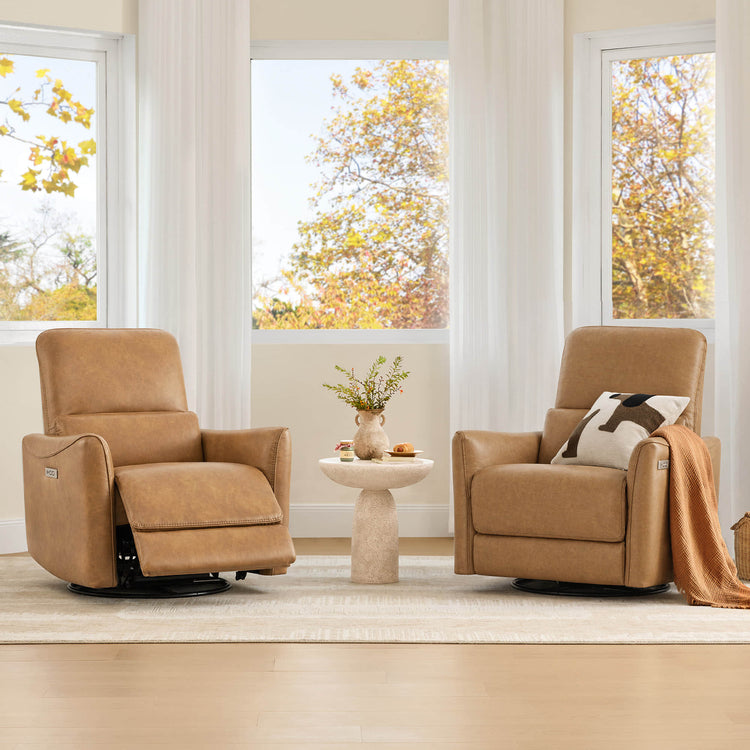
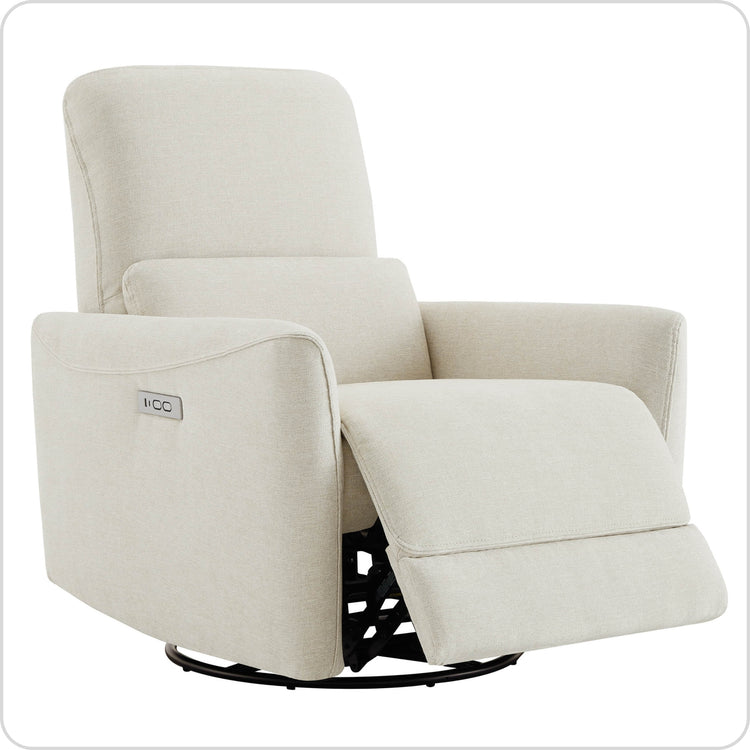
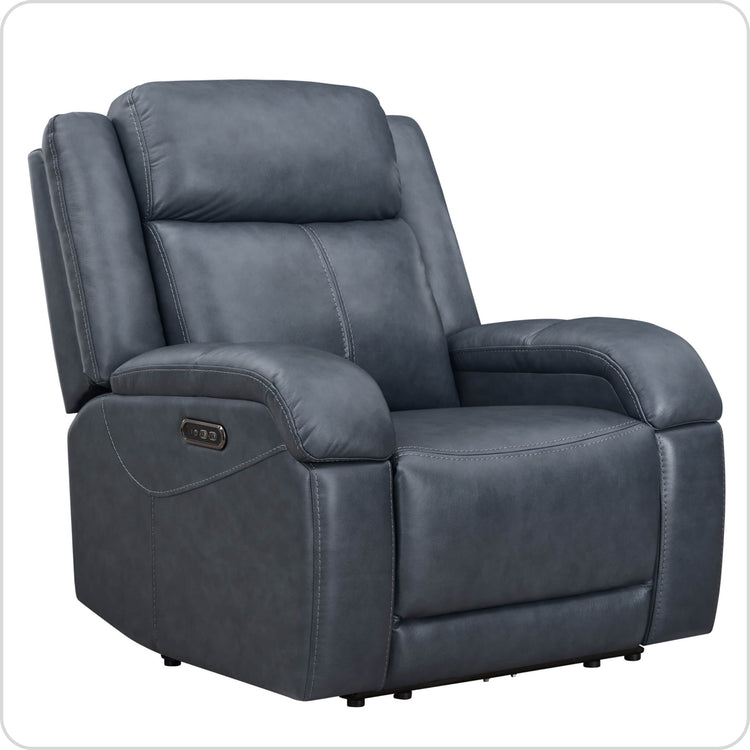
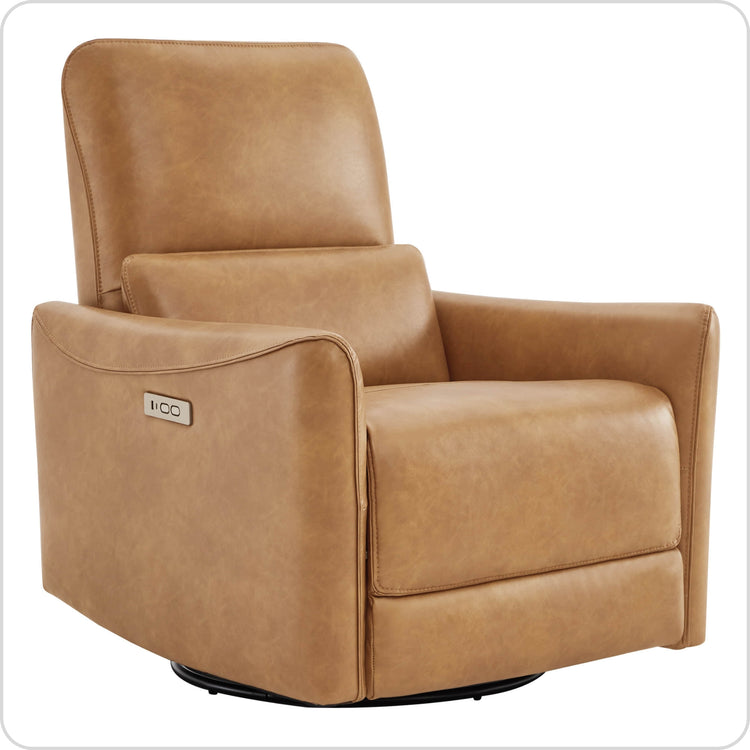

















Performance leather delivers the premium look and supple feel of genuine top-grain leather while adding a protective pigmented coating that stands up better to spills, scuffs, and everyday family wear. For pet owners and parents shopping for a high-traffic recliner in 2026, it solves the classic dilemma: you want luxury without constant worry about claw marks or stains. Choose it when surface scratches and quick cleanups matter most; opt for untreated aniline or semi-aniline top-grain instead if you prize natural aging and the softest possible hand-feel over easier recovery. Just remember it is not puncture-proof—deep claw damage that reaches the hide remains permanent.

What is Performance Leather? The 2026 Definition
Performance leather is real top-grain leather that receives an additional layer of opaque pigments and a polymer topcoat. This treatment creates a protective barrier while preserving the natural strength and breathability of the hide beneath. It is not a synthetic or vegan alternative such as PU or PVC; the base material is genuine leather.
In 2026, demand has shifted toward this hybrid because buyers want the luxury appearance of leather combined with the wipe-clean convenience once associated only with performance fabrics. As this technical overview of leather types explains, the added coating improves color consistency and resistance to daily wear without fully replacing the underlying hide structure.
For families with dogs, cats, or young children, this construction means fewer permanent stains from spills and better defense against light surface abrasion. The coating also helps the material resist fading from sunlight better than fully natural leathers.
The Science of Scratch Resistance: Coating vs. Hide
The key to understanding scratch resistance lies in distinguishing surface-level damage from structural damage. Surface scuffs stay within the pigmented topcoat and polymer layer. In many cases these can be minimized by gentle fingertip rubbing because warmth and friction help redistribute the finish. Deep punctures, however, that slice through the coating into the collagen fibers of the hide are permanent and cannot be buffed out.
This boundary matters for pet households. Light claw marks that remain in the finish are often manageable, yet sharp, repeated clawing that penetrates the protective layer turns into irreversible tearing. The insight here is to treat performance leather as finish-resilient rather than claw-proof. As noted in practical guidance on cat-friendly upholstery, pigmented leather absorbs impact at the surface level, but the mechanical limit appears once the hide itself is reached.
Performance Leather vs. Top-Grain: Durability in Real Use
Performance (pigmented) leather and traditional top-grain leather differ mainly in surface treatment. Standard aniline or semi-aniline top-grain offers a natural patina that deepens with age and the softest possible hand-feel. Performance leather trades some of that natural aging for uniform color, superior spill resistance, and better fade resistance.
In busy homes the practical advantages of performance leather become clear. It maintains its original appearance longer under repeated use and cleans more easily after accidents. The trade-off is that you lose the unique character aniline leather develops over years. For most pet owners and parents, the consistency and easier maintenance outweigh the loss of patina. This comparison of leather performance versus aesthetic aging shows how pigmented finishes hold up better in family rooms and pet-friendly spaces.
If your recliner will see heavy daily use with children or untrained pets, performance leather usually provides the more practical choice. When the priority is the softest possible feel and you are willing to accept more careful maintenance, untreated top-grain may suit better.
High-Traffic Recliner Friction Zones: Where Wear Happens First
Even durable leather experiences wear differently across a recliner. Three zones typically show problems first in high-traffic homes.
Footrest edges endure the highest abrasion because they combine constant movement, shoe contact, and occasional pet clawing. Headrests accumulate hair oils, skin acids, and body heat that can gradually dull the coating. Armrests suffer from “compression polish” where repeated hand pressure softens and glazes the surface rather than tearing it.
Reclining action stretches the leather, placing extra mechanical stress on the coating at pivot points. Performance leather delays visible wear in these zones thanks to its protective layer, but it does not eliminate zone-specific deterioration. Shoppers should look for reinforced stitching at high-stress edges and consistent coating thickness when comparing models. This guide on pet-proof power recliners offers additional tips for evaluating real-world durability.
Surface vs. Structural Scratch Thresholds in Recliner Leather
This chart helps visualize the likely pattern: surface scuffs in coated performance leather are more likely to be managed, while structural damage is more likely to be permanent. It also contrasts how performance leather and traditional top-grain leather typically fit pet and high-traffic homes.
View chart data
| Category | Recovery potential | Common in pet homes |
|---|---|---|
| Surface scuffs / Performance leather | 3.0 | 3.0 |
| Surface scuffs / Top-grain leather | 2.0 | 2.0 |
| Deep punctures / Performance leather | 1.0 | 3.0 |
| Deep punctures / Top-grain leather | 1.0 | 2.0 |
| High-traffic wear / Performance leather | 3.0 | 3.0 |
| High-traffic wear / Top-grain leather | 2.0 | 2.0 |
Testing for 2026: Technical Benchmarks for High-Traffic Homes
Durability is measured through standardized laboratory tests rather than marketing claims. The European standard BS EN 13336:2022 serves as the recognized benchmark for upholstery leather selection. It specifies minimum tear strength (≥20 N) and flexing endurance to reduce the risk of cracking or delamination in moving furniture such as power recliners.
The Taber Abrasion test (ASTM D7255) is commonly used to evaluate surface wear. Heavy-duty grades are expected to survive up to 1,000 cycles without significant finish failure. This metric helps shoppers identify leather that can handle the repeated abrasion typical of family rooms. Flex endurance testing further matters for recliners that change position many times per day.
These benchmarks do not guarantee zero damage from sharp claws, but they indicate which leathers are engineered for higher traffic. When comparing recliners, request the manufacturer’s test data or look for references to these standards. The official guide to BS EN 13336:2022 provides detailed selection criteria that remain relevant for 2026 purchases.
Care and Cleaning: Protecting the Performance Coating
The protective polymer layer that gives performance leather its resilience can be damaged by the wrong products. Always use pH-neutral cleaners specifically formulated for leather. Harsh chemicals, abrasive wipes, or all-purpose household cleaners can strip the coating and cause premature cracking or peeling.
A practical routine includes weekly dusting with a soft microfiber cloth and quarterly application of a leather conditioner that does not contain silicone. This keeps the hide flexible and helps the topcoat resist drying. Avoid placing the recliner in direct, unfiltered sunlight for long periods, as even protected leather benefits from UV protection.
Following these steps extends both appearance and lifespan. The FIRA guidance on specifying and caring for leather underscores why pH-neutral products are essential to preserve performance coatings.

The Comfort Check: Does Durable Leather Still Feel Luxurious?
Modern 2026 performance coatings are engineered for breathability and a soft hand-feel that avoids the stiff or plasticky sensation associated with older vinyl. The material still warms to body temperature, retains the characteristic leather scent, and offers the plush seating experience most buyers expect from genuine leather.
The “medical furniture” concern is understandable but largely outdated for current formulations. Performance leather in quality recliners feels supple rather than rigid and looks like natural leather rather than institutional material. Many owners report that the slight increase in surface firmness compared with naked aniline actually improves support during long lounging sessions without sacrificing comfort.
Choosing the Right High-Traffic Recliner in 2026
Match the recliner to your household’s dominant risks. Performance leather is usually the stronger option when spills, surface scuffs, and quick cleanup matter most. It excels in homes with pets that occasionally jump or with children who track in dirt. Traditional top-grain leather remains preferable when the softest possible feel and natural aging are higher priorities than stain resistance.
Before buying, inspect the product specifications for references to BS EN 13336 or Taber testing. Check seam reinforcement at footrest and armrest edges. Test the hand-feel in person if possible—rub the surface gently to gauge how the coating responds. Ask about the exact care products recommended by the manufacturer.
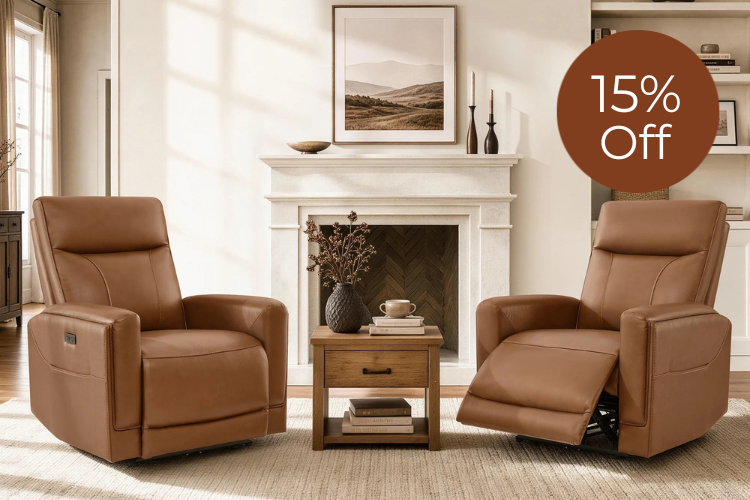
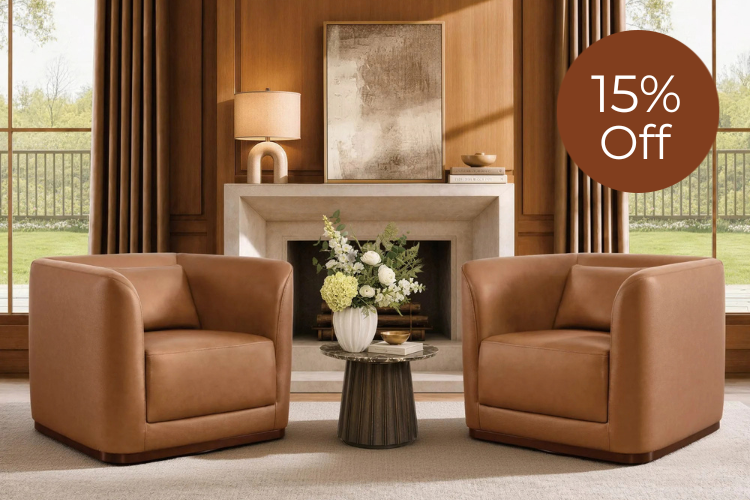
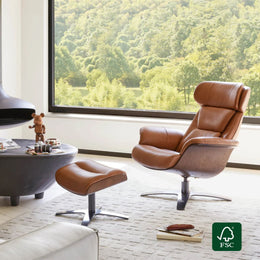
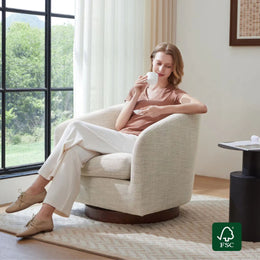
For reliable performance in pet-friendly or family settings, consider models from the power recliner collection that use top-grain performance leather. Specific standouts include the Noah Zero-Gravity Genuine Leather Recliner with Power Headrest or the Myles Genuine Leather Swivel Glider Power Recliner, both offering the durability profile discussed here. Read our companion guide on performance fabric versus leather recliners if you are still weighing material categories.
By focusing on realistic expectations, proper care, and zone-specific wear, you can enjoy a luxurious leather recliner that survives real family life in 2026.
Is Performance Leather Scratch-Resistant Enough for Cats and Dogs?
Performance leather resists surface-level claw marks better than untreated top-grain because the pigmented coating absorbs initial impact. However, it is not immune to deep punctures. Trim your pet’s nails regularly and provide scratching posts to reduce pressure on the furniture. Surface scuffs can often be minimized with gentle rubbing, but deep tears require professional repair or replacement.
How Does Performance Leather Compare to Top Grain for Families With Kids?
Performance leather offers superior stain resistance and color uniformity, making it easier to maintain in homes with frequent spills. Traditional top-grain develops a desirable patina but shows marks and stains more readily. For most families the performance version reduces daily stress, provided you follow pH-neutral cleaning protocols to protect the coating.
Can You Repair Scratches on Performance Leather Recliners?
Shallow marks confined to the topcoat can frequently be minimized at home with light circular rubbing. Deeper scratches that reach the hide cannot be fully repaired by buffing and may need leather filler or professional refinishing. Prevention through nail care and designated pet areas remains the most effective strategy.
What Cleaners Are Safe for Performance Leather in 2026?
Only pH-neutral leather cleaners formulated without solvents or abrasives should be used. Many manufacturers recommend specific kits that include a gentle cleaner and a conditioner free of silicone. Test any new product on an inconspicuous area first. Avoid baby wipes, disinfecting sprays, or saddle soap, which can degrade the protective layer over time.
Does Performance Leather Feel as Luxurious as Traditional Leather?
Current performance leather is designed to retain a soft, supple hand-feel and natural leather scent while adding durability. Most users notice only a slight increase in surface firmness compared with pure aniline, yet the material still breathes and conforms to body temperature. The luxurious appearance and tactile quality satisfy style-conscious buyers who also need practical performance.
Recommended Products


More to Read
 7 Sofa Trends That Actually Improve Comfort in 2026
Upgrade your living room with furniture that supports your body. Here are 7 modern sofa features designed to maximize your daily comfort...
7 Sofa Trends That Actually Improve Comfort in 2026
Upgrade your living room with furniture that supports your body. Here are 7 modern sofa features designed to maximize your daily comfort...
 Mother's Day Gift Guide: Cozy and Stylish Furniture Picks for Modern Moms
Make Mother's Day more meaningful with furniture gifts that bring comfort, smart features, storage, and quiet luxury into her everyday routine.
Mother's Day Gift Guide: Cozy and Stylish Furniture Picks for Modern Moms
Make Mother's Day more meaningful with furniture gifts that bring comfort, smart features, storage, and quiet luxury into her everyday routine.
 Performance Fabric Reality Check: Does It Really Repel Pet Hair and Stains?
Performance fabric is often marketed as a miracle solution for homes with pets and kids, but the reality is more nuanced. It...
Performance Fabric Reality Check: Does It Really Repel Pet Hair and Stains?
Performance fabric is often marketed as a miracle solution for homes with pets and kids, but the reality is more nuanced. It...