

























A sideboard can be an excellent design-first solution for home office storage, letting you conceal a printer, paperwork, and tech gear inside residential-looking furniture instead of a bulky metal filing cabinet. The key is choosing a model with enough working depth, proper ventilation, and load capacity while keeping the overall look clean and integrated into your living space.

The Sideboard Office: Why Design-First Storage Beats Bulky Cabinets
Many remote workers in apartments or open-plan homes struggle with visible office clutter that clashes with their living room aesthetic. Traditional filing cabinets and dedicated printer stands often look institutional and consume valuable floor space. A well-chosen sideboard solves this by providing ample storage while maintaining a furniture-like appearance that blends into residential settings.
The growing "fast-casual" furniture trend, exemplified by brands like Chita Living, delivers high-end finishes and thoughtful design at accessible price points. These pieces typically offer more usable surface area for both decor and occasional equipment compared to narrow office cabinets. For design-conscious homeowners, this approach hides everyday work tools without forcing a dedicated office zone.
Sideboards also support hybrid lifestyles where a living room corner doubles as a workspace. Instead of sacrificing style for function, you gain a multifunctional piece that works for both entertaining and focused tasks. This makes them particularly appealing for small homes where every piece of furniture must pull double duty.
The 'Working Depth' Rule: Choosing Between Internal and External Storage
Will your printer actually fit inside a sideboard? The answer depends on working depth rather than the printer's nominal (listed) depth. Working depth accounts for the printer body, rear cable bend radius, paper output tray extension, and required ventilation space. A typical 2026 laser printer around 14 inches deep may need roughly 17 inches of usable cabinet depth once all factors are included.
Printer fit: nominal depth vs usable cabinet depth
Compare nominal printer depth vs usable cabinet depth to judge whether a cabinet is likely deep enough.
View chart data
| Category | Depth (inches) |
|---|---|
| Printer nominal depth | 14.2 |
| Working depth needed | 17.0 |
| Cabinet depth 15.5 in | 15.5 |
| Cabinet depth 18.9 in | 18.9 |
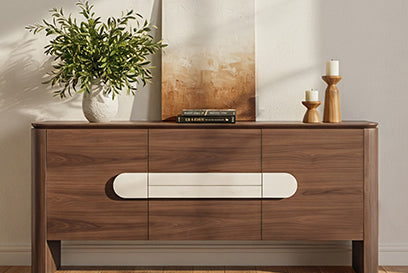
This visualization clarifies why nominal measurements can mislead. For enclosed storage, add at least 2 inches of rear clearance to prevent heat buildup, as noted in guidance on electronics in furniture. Models like the 63" Barry Mid-Century Sideboard with Sintered Stone Top at 18.9 inches deep offer better odds for internal concealment. Shallower options around 15.5 inches, such as certain configurations of the 63" Hazel Vintage Curved Edge Sideboard, are often safer with the printer on top.
If your sideboard's internal depth falls short of the printer's working depth, opt for top-surface placement rather than forcing a fit that could pinch cables or block airflow. Always verify exact model dimensions before purchase, as small variations in tray design or cable routing can change the outcome.

Beyond the Printer: Organizing Paperwork and Files without the Bulky Cabinet
Sideboards can replace bulky filing cabinets when you adapt their deep drawers for office use. Lateral filing inserts turn standard drawers into efficient systems for letter- and legal-size folders without needing dedicated office furniture. These organizers maximize the width of sideboard storage, which is typically deeper than narrow vertical files.
Adjustable internal shelves handle paper reams, toner cartridges, and stationery effectively. Keep frequently used items in upper drawers for easy access while reserving lower space for bulk supplies. This approach supports both daily printing and occasional large filing tasks without dedicating an entire piece to office gear.
The clean-top strategy keeps your sideboard surface free for lighting, books, or decor while the functional office stays hidden behind closed doors. For those seeking more inspiration on residential storage solutions, see our guide to fully assembled TV stands and storage, which shares similar principles for concealing tech.
Technical Foundations: Ventilation, Cable Management, and Load Capacity
Is it safe to store a printer inside a wooden cabinet? Safety depends on verifying load capacity, airflow, and cable routing rather than assuming any sideboard will work. Chita Living sideboards typically support 110-220 lbs on the top surface, which exceeds most 2026 printer weights of 5-32 lbs according to testing overviews like PCMag's best printers. However, internal shelves often have lower limits (commonly 22-50 lbs), so heavy printers belong on reinforced tops or verified lower shelves.
Ventilation follows a bottom-in, top-out principle to promote natural convection and prevent heat buildup. Maintain at least 2 inches of rear clearance for exhaust, and ensure the cabinet isn't fully sealed. As BIFMA standards outline for home office furniture, structural integrity matters when supporting equipment over time.
Cable management requires separating power cords from data cables by 3-4 inches to minimize electromagnetic interference (EMI) that could affect printers or connected devices. Many modern sideboards include pre-cut rear channels or grommets for clean routing without drilling, which is especially important for renters. For more on avoiding heat and cable issues in furniture, review this detailed furniture buying guide.
These checks prevent common regrets like pinched cords, overheating, or premature equipment failure. Always confirm your specific printer's requirements against the sideboard specs.
Design-First Styling: Blending Office Utility into Your Living Room
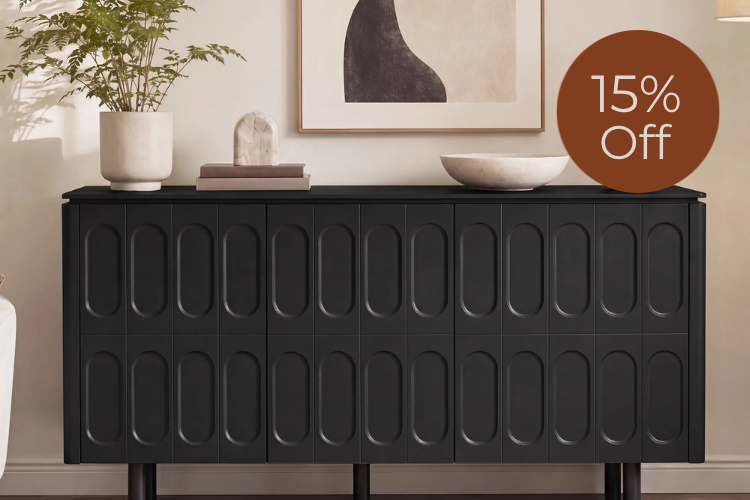
Making office storage look like real furniture starts with material and door choices. Sintered stone or ceramic tops on models like the Barry or 63" Todd Walnut Sideboard with Cylindrical Base resist heat and scratches better than wood alone, protecting against printer use while maintaining an elegant finish.
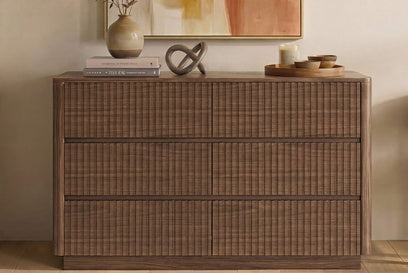
Balance functional items with residential touches: place a table lamp, decorative books, or a small plant alongside the printer to soften its presence. Doors with fluted panels, curved edges, or subtle textures—like those on the Hazel or 58" Hudson Mid-Century Arc-Shaped Sideboard—help conceal the equipment's silhouette when closed.
This invisible office approach works well in living rooms or hybrid guest spaces. Our article on the power of minimalism offers additional ideas for keeping multifunctional rooms visually calm.
The 2026 Buyer’s Guide: Which Chita Sideboard Fits Your Workflow?
Select based on your primary needs rather than size alone. For internal printer storage and heavier use, the Barry (18.9-inch depth) stands out with its durable sintered stone top and ample working depth. Those preferring a slimmer profile for top-surface printer display may favor the Hazel or Chad models, which maintain a compact footprint while offering strong surface capacity.
In tight corners, the Hudson's 58-inch arc shape provides an efficient small-space solution with rounded corners that soften the look in open apartments. All these pieces arrive fully assembled, reducing setup friction common with flat-pack office furniture.
Use this final checklist before buying:
- Measure your printer's working depth including cables and tray.
- Confirm at least 2 inches rear clearance and ventilation path.
- Verify top or shelf load rating exceeds your equipment weight.
- Check for cable routing options suitable for your space (especially if renting).
- Ensure the overall style complements your room rather than looking like office gear.
For broader options, explore the Fully-Assembled Storage collection or storage bestsellers.
FAQs
Can any sideboard safely hold a laser printer? No. You must verify the model's top-surface weight capacity (typically 110-220 lbs for quality pieces) exceeds your printer's weight, and ensure adequate ventilation clearance. Internal shelf ratings are often lower, so heavier units belong on tops. Always cross-check against your specific equipment rather than assuming residential furniture matches office standards.
How much rear clearance does a printer need inside a sideboard? At minimum, maintain 2 inches of open space behind the unit for exhaust. This prevents heat from building up in the enclosed space. Combine this with bottom-in, top-out airflow where possible, and avoid completely sealing the cabinet. Exact needs can vary by printer model and usage duration.
Do I need to drill holes for cables in a sideboard? Prefer models with existing grommets or channels to avoid modifying the piece. Drilling can void warranties and is often unnecessary with modern designs that route cables discreetly. For renters especially, seek pre-configured options that support clean cable paths without permanent changes.
How can I organize legal files in a sideboard drawer? Lateral filing inserts designed for standard drawers convert deep sideboard storage into efficient filing space for both letter and legal folders. Pair these with adjustable dividers for toner and paper reams. This approach keeps files accessible yet hidden, avoiding the industrial look of dedicated cabinets.
Will a sideboard office setup work in a shared living room? Yes, when you prioritize models with doors that fully conceal equipment and style the surface with lamps or decor. Curved or textured fronts help the piece read as residential furniture. The key is balancing visible elements so the workspace blends rather than dominates the room.
What if my printer doesn't fit inside the sideboard? Place it on the top surface instead, ensuring the top can support the weight and you have proper cable routing. Shallower sideboards (around 15.5 inches) often work better this way. Focus on models with durable, heat-resistant tops and use baskets or trays to organize accompanying supplies below.
Are sintered stone tops worth it for office use? They provide superior resistance to heat from printers and scratches from frequent use compared to standard wood or veneer. For sideboards that will regularly support equipment, this material reduces long-term wear while maintaining a polished, design-forward appearance suitable for living areas.
Recommended Products



More to Read
 7 Sofa Trends That Actually Improve Comfort in 2026
Upgrade your living room with furniture that supports your body. Here are 7 modern sofa features designed to maximize your daily comfort...
7 Sofa Trends That Actually Improve Comfort in 2026
Upgrade your living room with furniture that supports your body. Here are 7 modern sofa features designed to maximize your daily comfort...
 Mother's Day Gift Guide: Cozy and Stylish Furniture Picks for Modern Moms
Make Mother's Day more meaningful with furniture gifts that bring comfort, smart features, storage, and quiet luxury into her everyday routine.
Mother's Day Gift Guide: Cozy and Stylish Furniture Picks for Modern Moms
Make Mother's Day more meaningful with furniture gifts that bring comfort, smart features, storage, and quiet luxury into her everyday routine.
 Performance Fabric Reality Check: Does It Really Repel Pet Hair and Stains?
Performance fabric is often marketed as a miracle solution for homes with pets and kids, but the reality is more nuanced. It...
Performance Fabric Reality Check: Does It Really Repel Pet Hair and Stains?
Performance fabric is often marketed as a miracle solution for homes with pets and kids, but the reality is more nuanced. It...