






















Many people dream of sinking into a plush sofa for a long evening of lounging only to feel sticky and overheated after 20 minutes. In 2026, breathable performance fabric solves this by combining high air permeability with smart moisture management so you stay comfortable without sacrificing stain resistance or durability. The key decision factors are whether the fabric's air permeability (measured in CFM) stays high enough to prevent heat buildup, whether it uses fiber-level wicking instead of pore-blocking coatings, and whether the sofa's underlying construction supports airflow.

The Science of Airflow: Why Some Fabrics Feel Sticky
The discomfort many experience on performance sofas comes from the microclimate that forms between your skin and the upholstery during extended lounging. Body heat and moisture build up, and if the fabric cannot move air or vapor away quickly enough, you start to feel clammy. This is especially noticeable in warm or humid rooms after 30 minutes or more.
Air permeability, the volume of air that passes through the fabric, is a quantifiable metric measured by industry standards like ASTM D737. Premium upholstery typically ranges from 5 to 50 CFM (cubic feet per minute), while values below 5–10 CFM often create a noticeable heat-trap effect. This technical guide explains that breathability actually combines airflow with moisture vapor transmission rate (MVTR), the speed at which sweat evaporates.
Initial cool-touch feeling comes from thermal conductivity, but it fades once the material saturates. Sustained comfort depends far more on air permeability and the fabric's ability to wick moisture. In humid climates or for hot sleepers on a movie marathon, fabrics under roughly 10 CFM are likely to feel sticky regardless of marketing claims. Check the sofa's foam density too; dense foam can retain heat even under a breathable cover.
The chart below helps visualize how different fabric structures perform over time in typical long-lounging scenarios.
Air Permeability vs. Heat Retention for Long-Lounge Comfort
Comfort bands for fabric structure choices in long lounging, using conservative CFM ranges and heat-trap guidance.
View chart data
| Category | Air permeability (CFM band) | Heat retention risk |
|---|---|---|
| Heat trap (<10 CFM) | 5.0 | 90.0 |
| Mid-range comfort (10-50 CFM) | 30.0 | 55.0 |
| Premium breathable (5-50 CFM) | 27.0 | 45.0 |
| 3D spacer mesh (>100 CFM) | 100.0 | 10.0 |
Breathability vs. Stain Resistance: Can You Have Both?
A common worry is that choosing a highly breathable couch material means giving up easy cleaning, especially in homes with kids or pets. The good news is that modern performance fabrics separate the mechanisms of sweat transport (wicking) from liquid spill resistance (beading), so you do not have to sacrifice one for the other.
Traditional PFAS-based coatings often sealed pores and reduced airflow. In 2026, the shift to hydrophilic finishes and PFAS-free membranes lets moisture move through the textile for evaporation while still repelling larger liquid spills. As explained in this performance fabric overview, synthetic fibers are naturally hydrophobic, but hydrophilic treatments pull sweat away from skin and spread it for faster drying without creating a plastic-like barrier.
This distinction matters for daily use. Sweat management improves comfort during long sessions far more than perfect beading for rare big spills. Many performance fabric sofas now balance both using OEKO-TEX certified materials that avoid harmful chemicals. If your priority is warm-climate lounging, favor constructions that prioritize wicking and airflow over legacy heavy coatings. For more on balancing durability with other needs, see our guide on different material options for recliner chairs.

The 2026 Upholstery Shift: 3D Spacers and High-Airflow Weaves
The biggest advance for sweat-free lounging is the move toward 3D spacer fabrics. These warp-knitted textiles feature two outer layers connected by a monofilament spacer yarn that creates an internal air gap. The structure delivers exceptional airflow, often exceeding 100 CFM, compared with under 10 CFM for many dense traditional weaves.
Research published in Coatings shows these advanced 3D spacer fabrics can reduce local humidity by up to 30% compared with flat-woven materials. The internal buffer layer dissipates body heat and prevents the clammy feeling that develops during extended contact. This makes 3D spacers the gold standard for hot sleepers and anyone in warm climates who wants to lounge without constant readjusting.
Not every performance fabric needs to be a full 3D knit. High-airflow flat weaves with optimized yarn twist and lower density can still perform well when paired with hydrophilic finishes. The deciding factor remains whether the overall construction, including cushion fill, supports the fabric's breathability rather than trapping heat underneath. Avoid assuming every “performance” label delivers the same ventilation; always look for details on structure and CFM where available.
Best Sofa Fabrics for Hot Sleepers and Warm Climates
For warm climates or hot sleepers, rank your options by sustained airflow and moisture management rather than marketing terms. Top tier belongs to 3D spacer constructions that combine high CFM with an internal heat-dissipating gap. Natural fibers such as linen or cotton rank high in dry heat because they absorb and release moisture well, though they require more care than synthetics.
Performance synthetics using hydrophilic finishes sit in the medium-to-high category. They actively wick sweat and dry quickly without the heavy coatings of older generations. Legacy treated polyesters that rely on thick pore-blocking finishes usually rank lowest for long-term comfort in humid conditions.
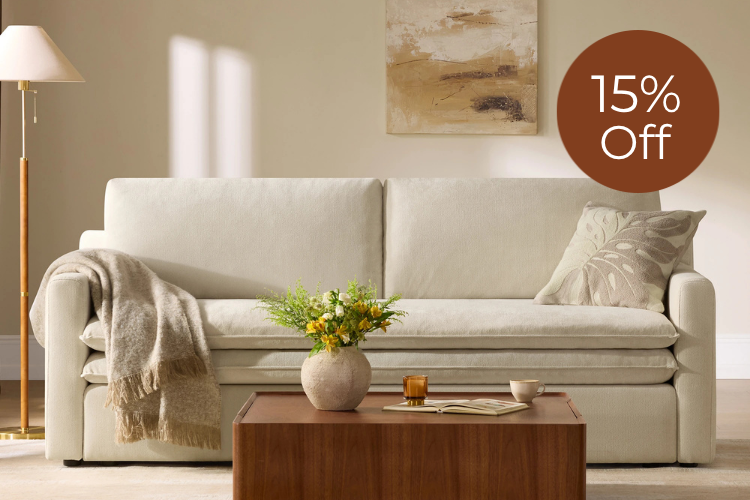
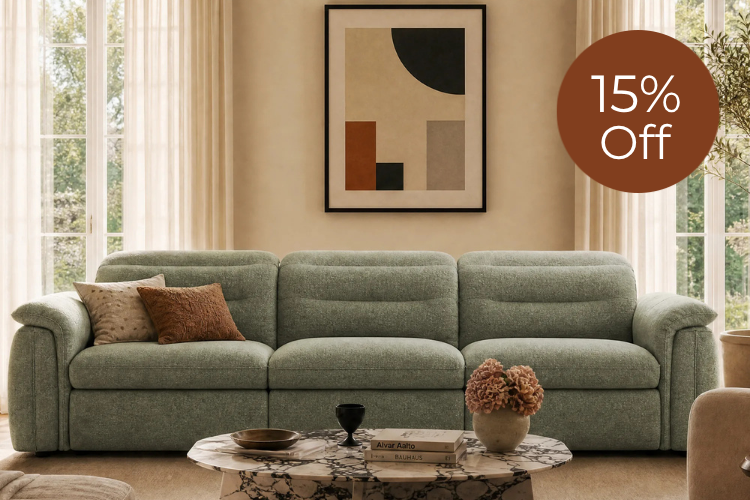
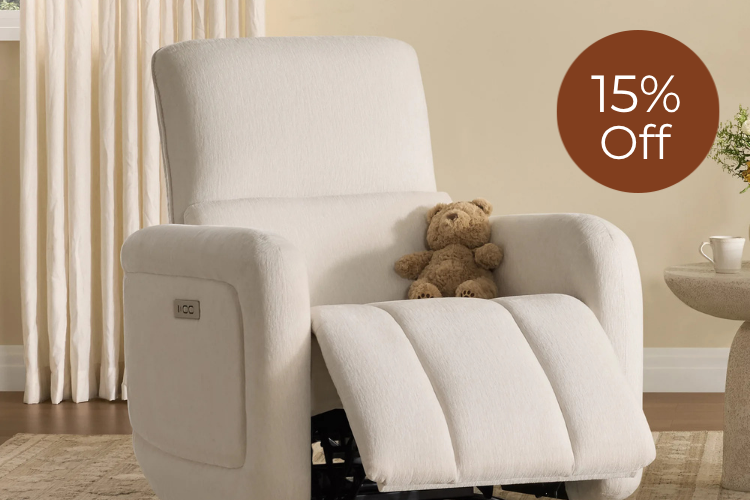
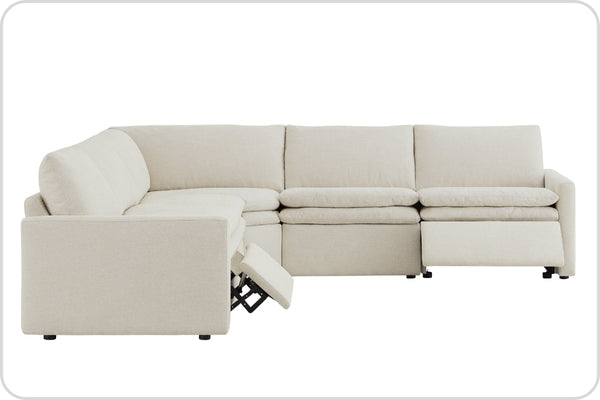
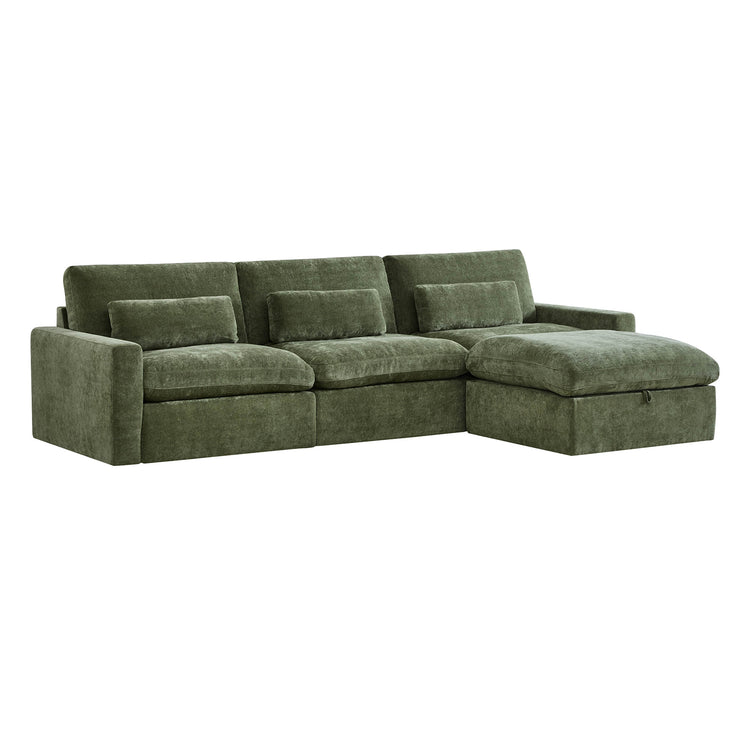
CHITA's Diya Soft & Breathable 3-Seater Reclining Sofa with Power Headrest and its 2-seater counterpart use fabrics specifically engineered for all-day cool comfort and are strong choices for hot sleepers. The Jonathan Modern Cozy Chenille 5-seat Modular Sofa offers a soft chenille that balances breathability with everyday durability, while the Ivy 2-Seat Performance Fabric Modular Sofa provides water-resistant performance in a modular format suitable for flexible spaces.
In very humid areas, prioritize open 3D or high-CFM weaves. In drier heat, breathable natural blends or treated performance fabrics often suffice. Always consider the full sofa construction; dense foam beneath even a good fabric can undermine the benefit. For help matching fabric to room layout, read how to choose a sofa for your living room.
The Showroom Breathability Test: How to Verify Comfort Before Buying
Online photos and in-store “sit and touch” moments rarely predict real long-term comfort. Use two quick checks plus one caution to screen options effectively.
The blow test is a practical proxy for very low air permeability. Hold a fabric swatch a few inches from your mouth and blow gently. If you cannot feel your breath on the back of your hand, the fabric likely measures under 5 CFM and may trap heat during extended use.
The light test reveals weave density. Hold the sample up to a window or bright lamp. Significant light passing through suggests open interstices that support airflow. Little or no light usually indicates a tight weave better suited for stain resistance than ventilation.
The back-of-hand test only measures initial thermal conductivity and can mislead. A fabric may feel cool at first but still build heat once saturated. Treat showroom impressions as a way to rule out obvious failures, not as final proof. Whenever possible, ask for CFM ratings, construction details (such as 3D spacer), or MVTR data in the product specifications.
These checks help you avoid the common regret of buying a beautiful “performance” sofa that feels sticky after the first long movie night. Combine them with the decision questions at the top of this article to narrow choices before purchase.
Choosing the Right Breathable Performance Fabric for Your Home
Start by matching the fabric to your climate, usage pattern, and tolerance for maintenance. If you live in a humid region or lounge for hours daily, prioritize 3D spacer or high-CFM constructions even if they cost more. For milder dry heat or lower daily use, a well-engineered hydrophilic performance fabric paired with supportive cushioning often delivers sufficient comfort at a better price.
Do not buy solely on stain-resistance ratings if breathability is your main concern. Conversely, do not dismiss every coated fabric; many 2026 options maintain respectable airflow. Always verify the full sofa system—fabric, cushion density, and frame—because a breathable cover over heat-trapping foam will still disappoint.
Look for OEKO-TEX certification for peace of mind on chemicals, and favor modular or reclining designs like those in CHITA's lineup when flexibility matters. With these filters, you can select upholstery that stays comfortable through long evenings instead of forcing you to get up and cool off.
Do Breathable Performance Fabrics Work Well for Families With Pets?
Yes, when the fabric combines high airflow with modern hydrophilic or nano-scale treatments. Many performance lines resist pet hair and light accidents while still allowing vapor to escape. However, very thick protective coatings can reduce breathability, so check construction details and test with the blow and light methods. Removable cushion covers make maintenance easier in pet households.
Is Linen a Good Alternative to Synthetic Performance Fabric in Hot Climates?
Linen excels at moisture absorption and release in drier heat and feels naturally cool. It lacks the stain resistance of performance synthetics, however, and wrinkles easily. For families who need both cleanability and cooling, a performance fabric with 3D structure or high-CFM weave usually offers a more practical balance than pure linen.
How Do I Clean a Breathable Performance Fabric Sofa Without Reducing Its Airflow?
Use mild soap and water or the manufacturer-recommended cleaner and avoid heavy sealants or fabric protectants that could clog pores. Regular vacuuming prevents dust from settling into the weave. Because many 2026 hydrophilic finishes are designed to be durable, gentle cleaning typically preserves both breathability and stain resistance. Always test any cleaner on an inconspicuous area first.
Can I Use a Throw Blanket on a Breathable Sofa Without Losing the Cooling Benefit?
A lightweight, breathable throw such as cotton or linen minimally affects performance during short use. Thick or synthetic throws that trap heat will counteract the fabric's airflow during long sessions. If you like throws, choose open-weave options and remove them when not needed so the upholstery can ventilate properly.
Does Modular Sofa Design Affect Overall Breathability?
Yes. Modular sofas often have more seams and cushion interfaces that can restrict airflow if the cushions are dense. Selecting models with high-airflow fabric and ventilated cushion cores, such as certain CHITA modular options, helps maintain comfort across the entire seating area rather than only on the main seat surfaces.
Recommended Products


More to Read
 7 Sofa Trends That Actually Improve Comfort in 2026
Upgrade your living room with furniture that supports your body. Here are 7 modern sofa features designed to maximize your daily comfort...
7 Sofa Trends That Actually Improve Comfort in 2026
Upgrade your living room with furniture that supports your body. Here are 7 modern sofa features designed to maximize your daily comfort...
 Mother's Day Gift Guide: Cozy and Stylish Furniture Picks for Modern Moms
Make Mother's Day more meaningful with furniture gifts that bring comfort, smart features, storage, and quiet luxury into her everyday routine.
Mother's Day Gift Guide: Cozy and Stylish Furniture Picks for Modern Moms
Make Mother's Day more meaningful with furniture gifts that bring comfort, smart features, storage, and quiet luxury into her everyday routine.
 Performance Fabric Reality Check: Does It Really Repel Pet Hair and Stains?
Performance fabric is often marketed as a miracle solution for homes with pets and kids, but the reality is more nuanced. It...
Performance Fabric Reality Check: Does It Really Repel Pet Hair and Stains?
Performance fabric is often marketed as a miracle solution for homes with pets and kids, but the reality is more nuanced. It...