






















Small Balcony Furniture Ideas

Small balcony furniture works best when you start with usable floor space, keep a clear walkway, and choose the smallest setup that matches how you actually use the balcony. For US homes, the balcony's structural baseline is often 60 psf in the IRC live-load guidance, but that is a safety context, not a DIY design target. The practical question is simpler: what can fit without making the balcony feel blocked?
Start With Balcony Size and Traffic Flow
The first step is not picking a style. It is figuring out how much open floor you want to keep after the furniture is in place. For a small balcony, the layout should protect the path from the door to the railing and leave enough space to sit, stand, and pull a chair back without bumping into everything.
A useful planning benchmark is about 36 inches of clear width for comfortable movement, which the ADA clear-width standard treats as a walking-surface reference, not a legal balcony rule. If you cannot keep anything close to that after placing furniture, scale the setup down before you buy. That usually means fewer pieces, slimmer frames, or one multipurpose item instead of several small ones.
This is where many balcony furniture ideas fail in real use. A set can look fine in photos and still make the space annoying to cross. If the balcony is rented, flexible pieces matter even more because you may need to move them often or store them seasonally. If you want more layout inspiration for tight spaces, a small living room layout can also teach the same fit-first mindset.

Best Small Balcony Furniture Types
The best small balcony furniture usually does one job well instead of trying to do everything. In a tight footprint, compact seating, one small surface, and optional storage tend to work better than a full patio set.
Compact Seating Options
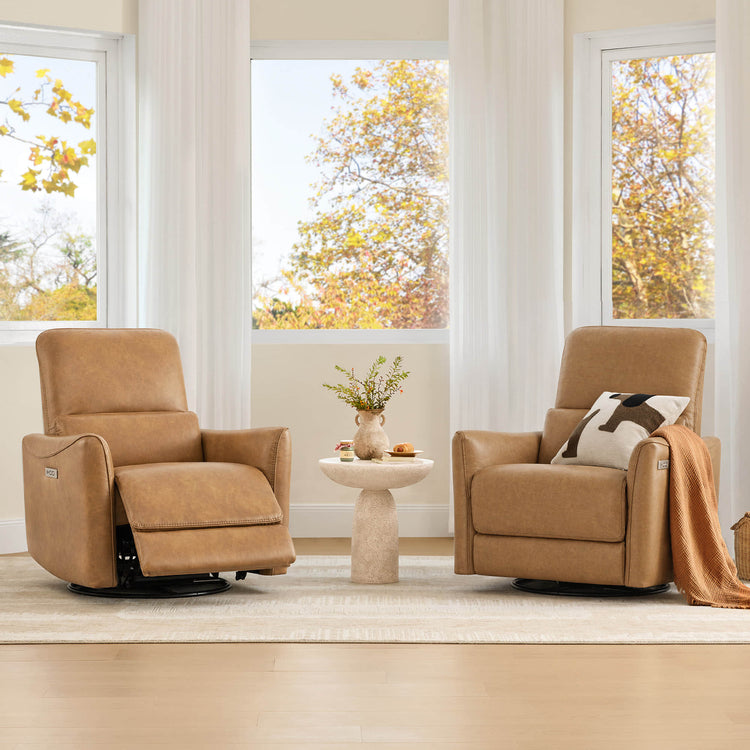
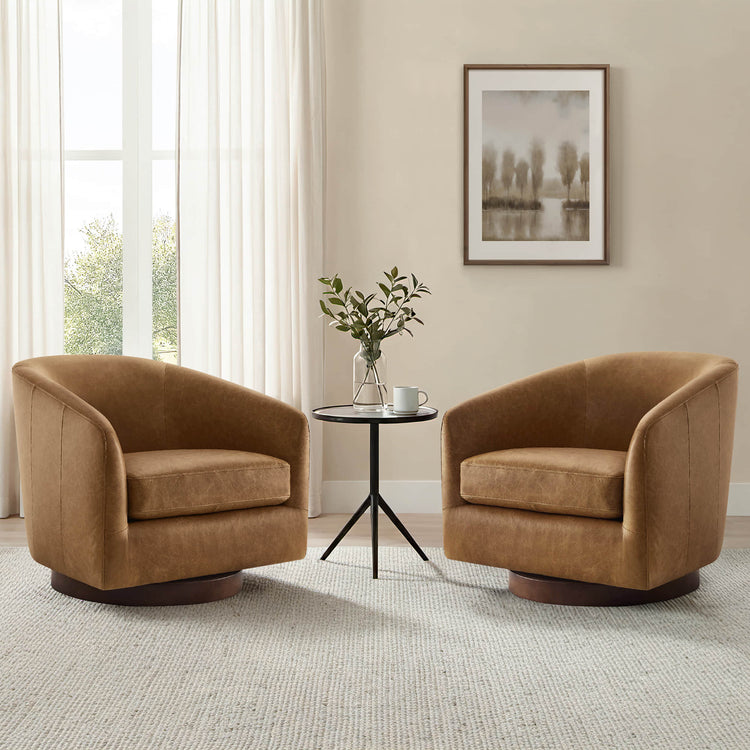
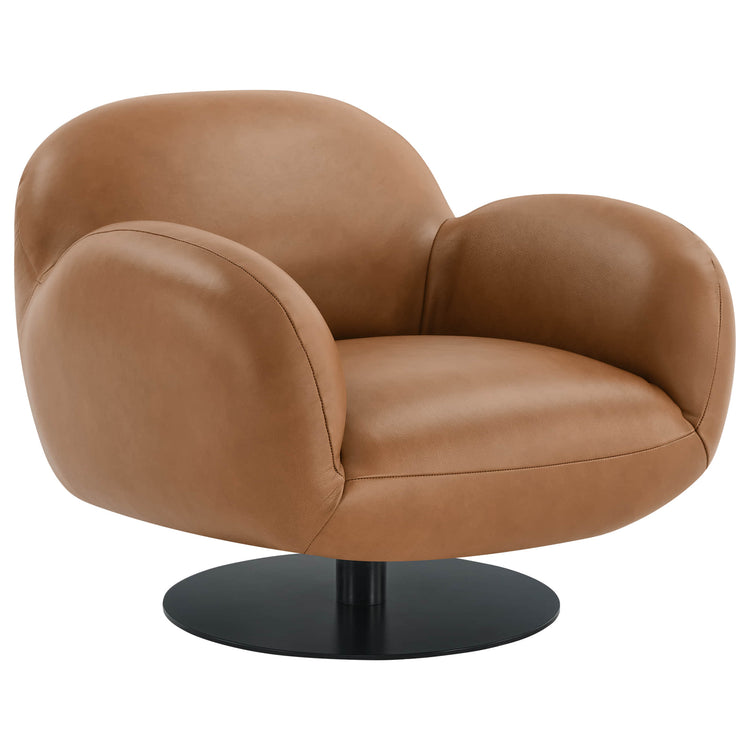
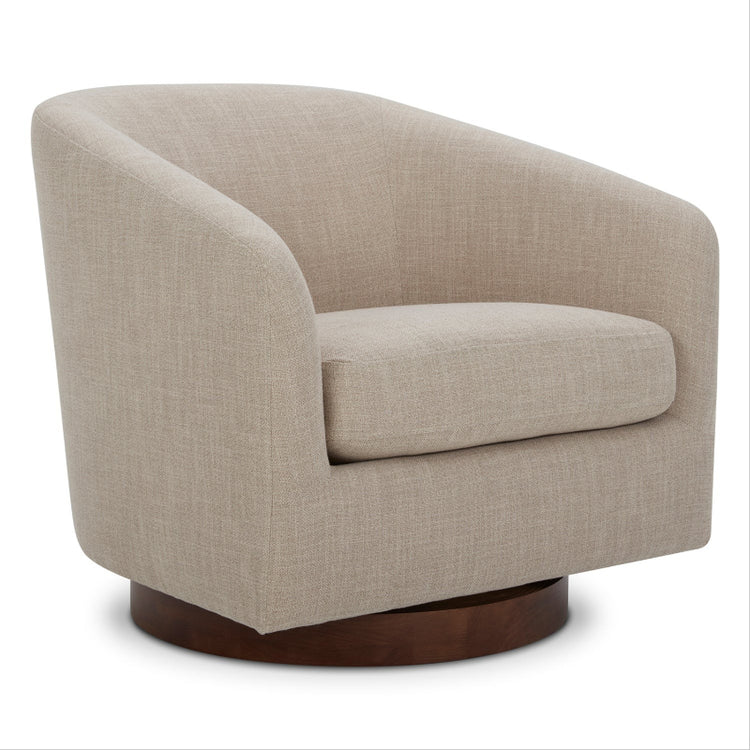
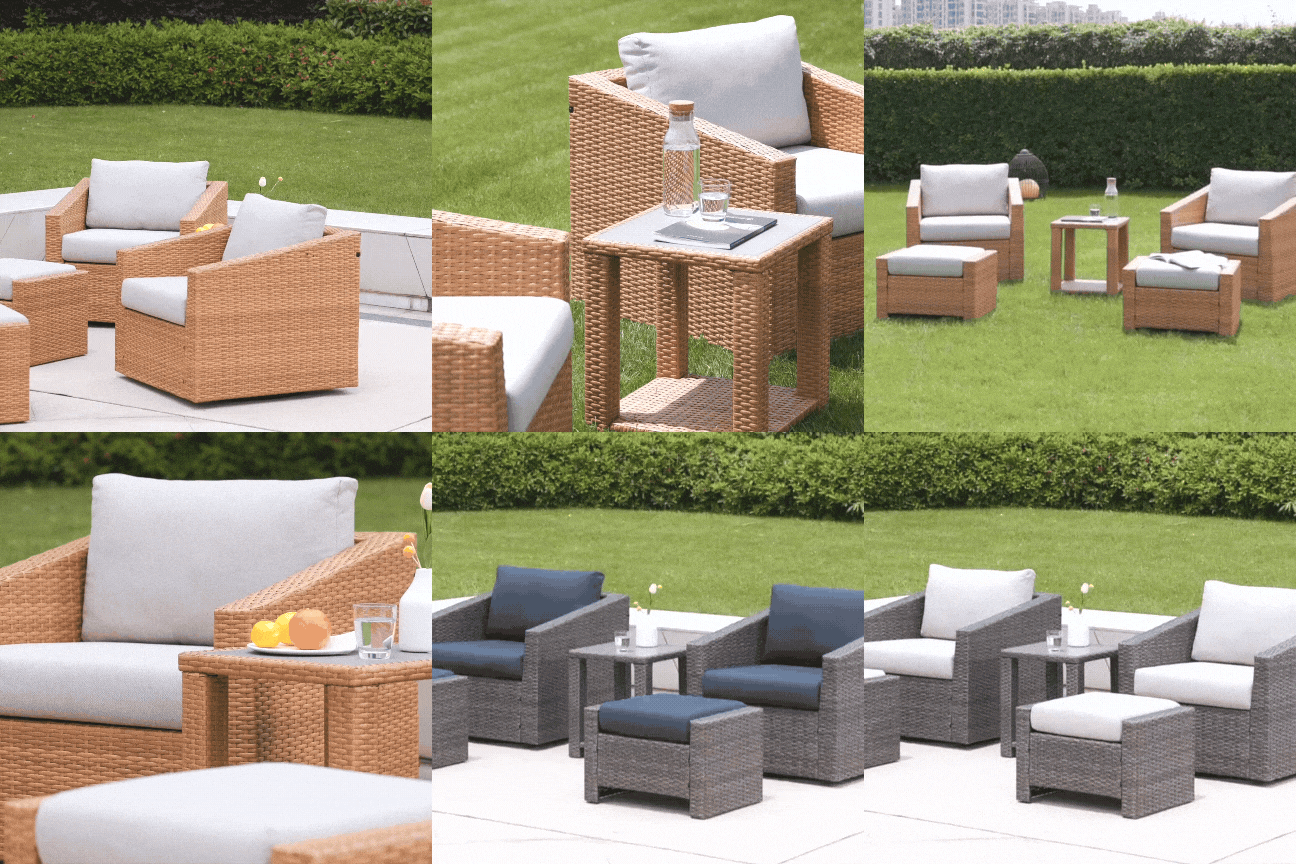
For most apartment balcony furniture ideas, start with one or two slim chairs, a compact loveseat, or a small conversation set. These usually fit better than bulkier sectionals because they keep the visual profile lighter and leave more open floor around them.
What matters most is footprint, not the style name on the listing. A chair with a deep seat but a wide frame can crowd the balcony faster than a smaller-looking piece with cleaner lines. If the balcony is narrow, look for seating that keeps the edges open so the space does not feel boxed in.
A pair of compact chairs can be enough for coffee, reading, or a quick evening sit-down. If you want a browsing path for that kind of setup, compare outdoor armchair options only as a navigation step and check the current dimensions before buying.
Space-Saving Table Choices
A small round table, a narrow side table, or nesting tables usually works better than a bulky square table. Round and slim-profile tables are easier to work around, which matters when the balcony also has to support walking space.
In many small balcony furniture setups, one good surface is better than three tiny ones. That single surface can hold a drink, a book, or a plant without forcing you to thread around extra furniture. If you want a more styled look, a small side table can add utility without taking over the whole footprint.
A table should support the routine you actually want on the balcony. If the balcony is mostly for morning coffee, one small table is enough. If you plan to eat outside, the table should fit both plates and chair clearance, not just look balanced from indoors.
Storage-Friendly Pieces
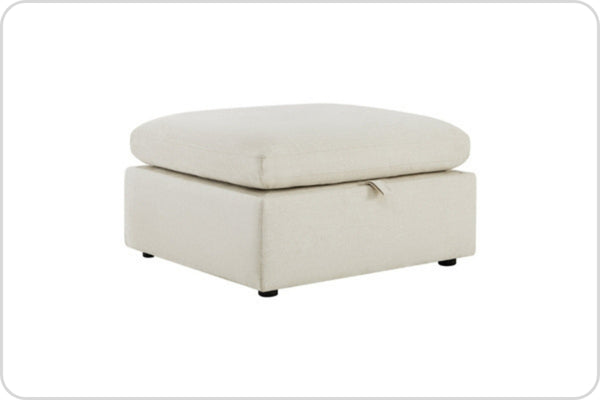
Storage-friendly pieces can help, but only when they do not crowd the walking path. An ottoman with storage, a bench with hidden space, or a table with an enclosed shelf can be useful if you need a place for cushions or small accessories.
The trade-off is simple: storage only helps when the piece still feels compact. If the item becomes the largest object on the balcony, it defeats the point. For that reason, choose storage only when it solves a real problem, not just because the listing sounds efficient.
If you are browsing by category, a compact outdoor conversation set may be worth checking only when you want a ready-made seating layout and can verify that the footprint still leaves room to move.
Choose a Layout by How You Use the Balcony
The right layout depends on the balcony's job. A space used for coffee, lounging, storage, or mixed use should not all be furnished the same way. The best setup is the one that fits the routine without forcing you to sacrifice movement space.
| Balcony Use Case | Best Furniture Mix | Biggest Space Risk | Best Fit For |
|---|---|---|---|
| Narrow coffee balcony | Wall-hugging chairs and one small table | Too many surfaces | People who want a simple place to sit with a drink or book |
| Rental balcony | Foldable or easy-to-move pieces | Heavy or fixed furniture | Renters who may rearrange or store furniture often |
| Mixed lounging and storage balcony | Small lounge seating plus one hidden-storage piece | Storage taking over the whole footprint | Balconies that need comfort and a place for extras |
| Flexible multipurpose balcony | One compact seat, one small table, minimal extras | Buying for style instead of routine | Shoppers who want the simplest workable arrangement |

For a narrow coffee balcony, the best choice is usually a wall-hugging layout with one or two seats and a single table. That keeps the space easy to cross and avoids the "furniture island" effect.
For a rental balcony, foldable or lightweight pieces usually make more sense. They are easier to move, easier to store, and less likely to create regret if your needs change. For a mixed lounging and storage balcony, the best setup is often a small lounge piece paired with one storage-friendly item, but only if the storage does not eat the open floor.
If you want to think about balcony layout the same way you would think about a room with mixed uses, a seamless indoor-outdoor setup can help you keep the same comfort-and-flow mindset.
Materials, Weather Care, and Rental-Friendly Choices
Small balcony furniture should be easy to live with, not just easy to buy. In a compact outdoor space, materials, finish, and weight matter because every piece is more visible and harder to ignore.
- Choose finishes that are simple to clean if the balcony gets dust, pollen, or city grime.
- Favor pieces you can lift or slide without a struggle if you rent or expect to rearrange often.
- Keep cushions and soft goods in mind only if you have a dry place to store them.
- Treat weather resistance as product-specific, not automatic, unless the listing clearly supports it.
If you are considering balcony accessories that involve heat or flame, check the rules first. The NFPA cooking-on-balconies guidance notes that open-flame cooking devices may be restricted on apartment balconies or near combustible construction, so those items deserve a separate check before they ever become part of the plan.
If you are choosing between a few finishes or frame styles, look for the one that fits your maintenance routine, not the one that sounds toughest. A piece you can actually move and clean is usually more useful than a bigger item that feels impressive at first.
Finish With a Balcony Layout Checklist
Before you buy, run a quick fit check. Measure the usable floor area, confirm the door still opens comfortably, and make sure you can move through the balcony without turning sideways. Then choose the smallest arrangement that still supports the way you want to use the space.
- Measure the open area after accounting for door swing and railing clearance.
- Decide the balcony's main job, such as coffee, lounging, or storage.
- Pick the smallest seating option that fits that job.
- Add only one surface unless you truly need more.
- Leave enough room to shift chairs and walk through without frustration.
If the layout passes those checks, it is probably small-balcony furniture that will stay useful instead of becoming clutter. If it fails, cut one piece before you buy, not after it arrives.
FAQs
How Do I Measure a Small Balcony for Furniture?
Measure the usable floor area, then subtract the space needed for doors to open and for you to walk comfortably. It helps to sketch the balcony before shopping so you can see whether a chair, table, or bench will leave enough room to move.
What Furniture Works Best on a Narrow Balcony?
Slim chairs, a small round table, a narrow side table, and foldable pieces usually work best on a narrow balcony. The main goal is to keep the walkway clear, so avoid sets that need a lot of chair pull-back or extra clearance around every edge.
Can I Use Indoor Furniture on a Balcony?
Sometimes, but it is usually not the best choice unless the material and finish can handle outdoor exposure. Check whether the piece is easy to clean, easy to move, and suitable for the balcony's conditions before you rely on it outdoors.
How Do I Make a Small Balcony Feel Cozy Without Crowding It?
Limit the number of pieces, keep the profiles visually light, and use one or two finishing touches instead of filling every corner. A compact chair, one table, and a cushion or plant often feel cozier than a crowded mix of too many small items.
What Should I Prioritize First When Buying Balcony Furniture?
Start with fit and daily use, then look at comfort and maintenance. If the piece does not leave room to move or does not match how you actually use the balcony, style alone will not make it a good purchase.
Recommended Products

More to Read
 7 Sofa Trends That Actually Improve Comfort in 2026
Upgrade your living room with furniture that supports your body. Here are 7 modern sofa features designed to maximize your daily comfort...
7 Sofa Trends That Actually Improve Comfort in 2026
Upgrade your living room with furniture that supports your body. Here are 7 modern sofa features designed to maximize your daily comfort...
 Mother's Day Gift Guide: Cozy and Stylish Furniture Picks for Modern Moms
Make Mother's Day more meaningful with furniture gifts that bring comfort, smart features, storage, and quiet luxury into her everyday routine.
Mother's Day Gift Guide: Cozy and Stylish Furniture Picks for Modern Moms
Make Mother's Day more meaningful with furniture gifts that bring comfort, smart features, storage, and quiet luxury into her everyday routine.
 Performance Fabric Reality Check: Does It Really Repel Pet Hair and Stains?
Performance fabric is often marketed as a miracle solution for homes with pets and kids, but the reality is more nuanced. It...
Performance Fabric Reality Check: Does It Really Repel Pet Hair and Stains?
Performance fabric is often marketed as a miracle solution for homes with pets and kids, but the reality is more nuanced. It...