






















How to Choose Wood Types for Furniture (Oak, Walnut, Ash)

When comparing types of wood for furniture, start with the decision that matters most to you: look, durability feel, maintenance comfort, or budget. Oak, walnut, and ash can all work well, but they solve different shopping problems. The best choice is usually the one that fits the room and the piece, not the one with the biggest-sounding reputation.

What Matters Most When Choosing Furniture Wood
If you want the simplest way to narrow down the best wood for furniture, compare four things first: appearance, durability expectations, maintenance comfort, and budget. That order helps because the same species can feel very different once the finish, joinery, and furniture design are part of the picture.
A useful way to think about durability is Janka hardness, which measures how much force it takes to indent wood. It helps compare dent resistance, but it is not a universal quality score for furniture. A wood that tests harder is not automatically the better buy if the style, finish, or construction is wrong for your room. For a plain-language explanation of the metric, see the Janka hardness scale.
If you are buying for a dining room, the question is often less "Which wood is best?" and more "Which wood fits how I live?" That is why a solid wood dining table can be a smart long-term purchase when you want a table that feels substantial and you plan to keep it for years.
Oak, Walnut, and Ash at a Glance
| Wood | Color Tone | Grain Pattern | Style Impression | Value And Maintenance Feel | Often Fits Best When... |
|---|---|---|---|---|---|
| Oak | Light to medium brown, sometimes warm and golden | Visible, confident grain | Classic, versatile, familiar | Often feels practical and easy to place in many rooms | You want a dependable everyday look that does not chase trends |
| Walnut | Medium to dark brown with richer depth | Usually more subdued than oak | Refined, elevated, statement-friendly | Often reads as higher-end, but that is a style signal more than a guarantee of better performance | You want the furniture to stand out visually |
| Ash | Light to pale brown, sometimes airy in tone | Open, clear grain | Clean, modern, lighter-feeling | Often feels flexible and bright rather than heavy or formal | You want a lighter visual footprint in the room |
That quick view is useful because wood names are easy to oversimplify. Oak usually gives the most classic, broadly adaptable read. Walnut often feels richer and more furniture-forward. Ash usually feels lighter and airier, which can be a good fit if you want grain detail without the darker mood of walnut.

How the Three Woods Differ in Daily Use
Oak Furniture: Warm, Visible Grain, and Broad Versatility
Oak is often the safest starting point when you want a familiar wood look that works in many spaces. Its visible grain gives it character without making the piece feel too delicate or too flashy. That is why oak often works well for family dining tables, storage pieces, and rooms that need a straightforward classic anchor.
Oak also tends to be easy to style because stain and finish can push it in different directions. A lighter finish can keep it relaxed, while a deeper finish can make it feel more formal. If you want one wood that usually plays nicely with changing decor, oak is often the most flexible of the three.
Walnut Furniture: Rich Color and a More Refined Look
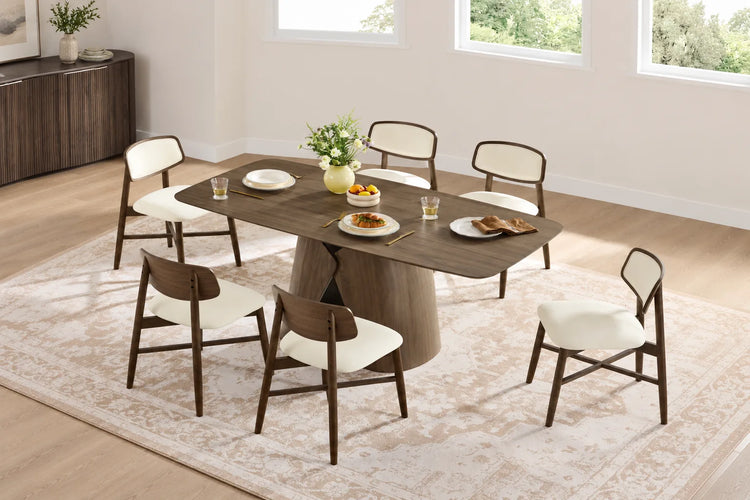
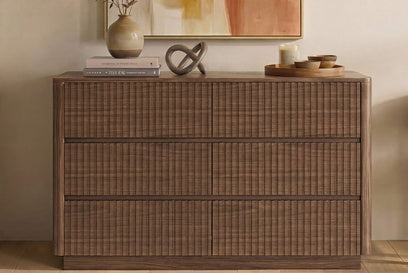
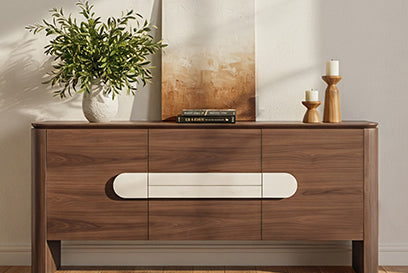
Walnut is usually the wood people choose when they want the furniture to feel more elevated right away. Its deeper tone and smoother-looking grain often read as richer or more refined, especially on a dining table or a statement cabinet. That makes it a strong option for buyers who care as much about visual impact as they do about everyday function.
The trade-off is mostly about priority, not quality. Walnut can be a great fit if the piece is supposed to be the focal point of the room. It is less compelling if you want the wood to quietly disappear into the background or if you are trying to keep the budget in check.
Ash Furniture: Lighter Tone and Clean, Open Grain
Ash is a good match when you want the room to feel lighter, calmer, or more open. Its pale tone and clear grain can look especially good in modern and Scandinavian-leaning spaces. Compared with walnut, ash usually feels less formal. Compared with oak, it often looks a little brighter and less visually dense.
That makes ash a smart choice for buyers who want visible grain but do not want a heavy or dark presence in the room. It can work for chairs, tables, and storage pieces, especially when the goal is a clean look rather than a dramatic one.
In short, if you are comparing types of wood for furniture by daily feel, oak is the practical classic, walnut is the richer statement choice, and ash is the lighter, more open option. The finish can shift the mood further than many shoppers expect, so always look at the full product photo, not just the species name.
Which Wood Fits Each Furniture Piece
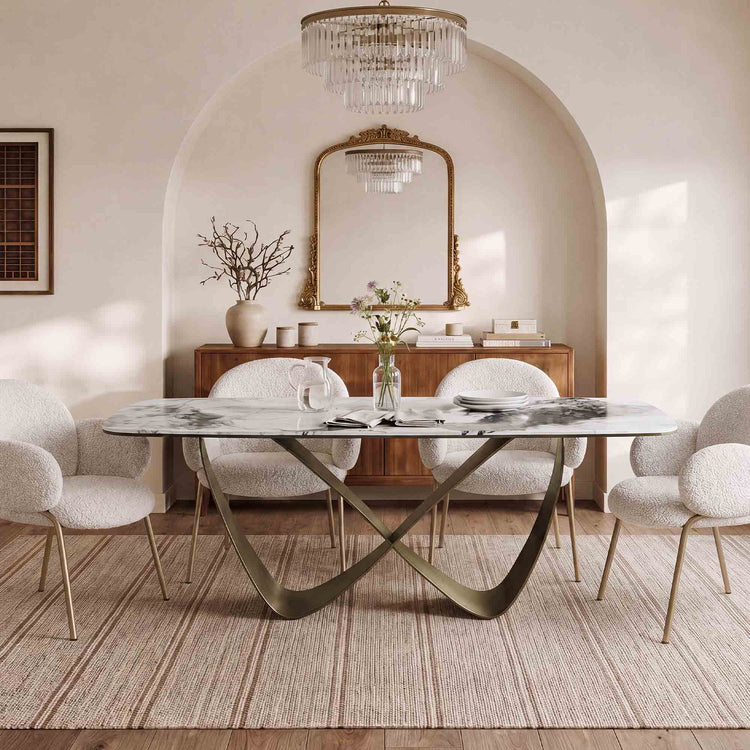
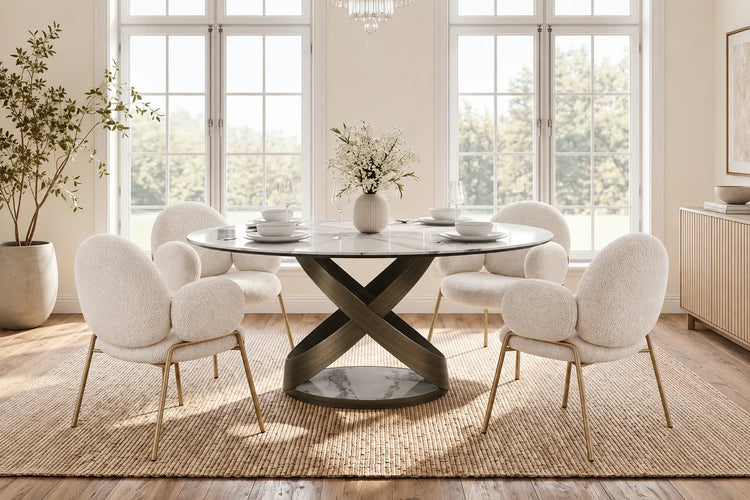
Dining tables deserve the most attention because they usually do double duty as a visual centerpiece and a hard-working surface. If you want the table to feel dependable and easy to live with, oak is often the conservative default. If the table is meant to anchor the room visually, walnut can be worth the higher visual priority. If the room already feels dark or busy, ash may be the better balance.
For dining chairs, style and room cohesion often matter more than trying to crown one species as the strongest. Chairs are touched constantly, but the bigger decision is whether the wood supports the look of the table and the room. Oak keeps things grounded, walnut looks more finished, and ash keeps the set lighter.
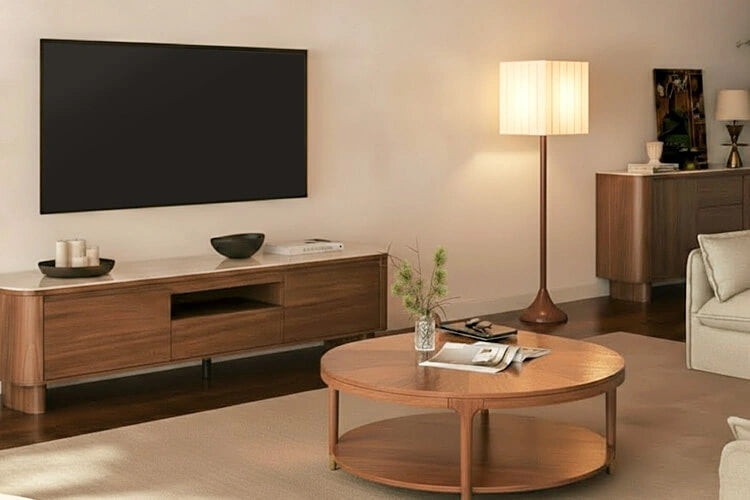
Coffee tables are usually about visual balance and day-to-day convenience. Walnut can make a coffee table feel intentional and design-forward. Oak is the easiest all-around choice if you want the table to blend into different decor changes. Ash is useful when the room needs a lighter, less bulky-looking surface.
For storage pieces, think about whether the furniture should blend in or stand out. Oak is the easiest match for a lot of homes because it reads as familiar and steady. Walnut works well when the storage piece is part function, part display. Ash is a good choice when you want storage to feel less heavy in the room.
If you are still browsing, the dining tables collection is a practical place to compare how different wood tones change the look of a room. You can also compare a wood dining table option against more formal or more casual room styles before narrowing your shortlist.
Solid Wood Versus Veneer or Engineered Options
Solid wood usually means the visible wood is the real material through most of the piece, which matters if you want something that can often be refinished more than a layered surface can. By contrast, veneer is a thin layer of real wood over a stable core such as plywood or MDF. That core can help with stability, but it is harder to repair if deep scratches or damage reach through the surface. The difference is explained clearly in this solid wood vs. veneer guide.
That does not mean veneer or engineered construction is automatically a bad buy. It can be a smart value choice when you care more about the look, the price, or a specific design than about all-solid construction. In other words, the better option depends on whether the piece will get heavy everyday use or mostly serve a visual role.
A simple value check helps: pay more for solid wood when the furniture will be used hard, kept for a long time, or moved through several room styles. Stay flexible when you mainly want a specific look at a lower price. The solid wood dining table investment angle matters most when the piece is a long-term anchor, not a temporary placeholder.
How to Choose the Right Wood for Your Room
- Start with the room job. If the furniture is a centerpiece, walnut may be worth the premium look. If it needs to blend easily, oak or ash may be the safer fit.
- Match the tone to the room. Lighter rooms often benefit from ash or lighter oak. Darker or more formal rooms can handle walnut well.
- Decide how much maintenance comfort matters. For long-term furniture care, simple habits like using coasters and avoiding direct sunlight help across all three woods.
- Compare solid wood, veneer, and engineered construction before you lock in the species name. The build can change value more than the label alone.
- Check finish and construction details before buying. A good finish can make the wood easier to live with and more consistent with your room.
If you want a simple shortlist, use oak when you want the most versatile everyday answer, walnut when you want a richer focal piece, and ash when you want a lighter, more open feel. If you are shopping with sustainability in mind, the FSC certified furniture collection is a useful place to keep browsing while you compare wood tone and construction.
FAQs
Is Oak, Walnut, or Ash Better for a Dining Table?
The better choice depends on what you want the table to do in the room. Oak is usually the safest practical pick, walnut is stronger when the table should feel like a focal piece, and ash works well if you want a lighter visual tone. Construction and finish still matter a lot.
Which Wood Type Looks Most Premium in Furniture?
Walnut often reads as the most refined or elevated visually, especially on statement pieces. That said, premium feel also depends on the design, finish, hardware, and overall proportions. A well-made oak piece can look more expensive than a poorly designed walnut one.
How Do I Tell Solid Wood From Veneer When Shopping Online?
Look for clear material language, edge photos, and descriptions that explain whether the surface is solid wood or a real-wood veneer over a core. If the listing is vague, assume the build is not fully self-explanatory and check the product details before you buy.
Is Ash a Good Choice for Everyday Furniture?
Yes, ash can be a practical everyday choice when you want a lighter look and a clean grain pattern. It is especially appealing for rooms that should feel airy. As always, the finish and construction matter more than the wood name alone.
How Should I Maintain Oak, Walnut, or Ash Furniture?
Keep care simple: use coasters, wipe spills quickly, and avoid prolonged direct sunlight when you can. Those habits help preserve the finish and appearance across all three woods. If the piece will see heavy use, choose a finish that looks easy to live with, not just attractive in photos.
Can Veneer Be a Good Value?
Yes, veneer can be a good value when you want the look of wood at a lower price or in a lighter construction. It is often less forgiving after deep damage than solid wood, so it makes the most sense when the piece will not take constant abuse.
In the end, the best types of wood for furniture come down to fit, not status. Oak is the broad everyday default, walnut is the richer statement choice, and ash is the lighter, more open option. If you want the shortest path to a good decision, start with the room, then the piece, then the finish. After that, compare the construction details and pick the wood that fits how you actually live.
Recommended Products

More to Read
 7 Sofa Trends That Actually Improve Comfort in 2026
Upgrade your living room with furniture that supports your body. Here are 7 modern sofa features designed to maximize your daily comfort...
7 Sofa Trends That Actually Improve Comfort in 2026
Upgrade your living room with furniture that supports your body. Here are 7 modern sofa features designed to maximize your daily comfort...
 Mother's Day Gift Guide: Cozy and Stylish Furniture Picks for Modern Moms
Make Mother's Day more meaningful with furniture gifts that bring comfort, smart features, storage, and quiet luxury into her everyday routine.
Mother's Day Gift Guide: Cozy and Stylish Furniture Picks for Modern Moms
Make Mother's Day more meaningful with furniture gifts that bring comfort, smart features, storage, and quiet luxury into her everyday routine.
 Performance Fabric Reality Check: Does It Really Repel Pet Hair and Stains?
Performance fabric is often marketed as a miracle solution for homes with pets and kids, but the reality is more nuanced. It...
Performance Fabric Reality Check: Does It Really Repel Pet Hair and Stains?
Performance fabric is often marketed as a miracle solution for homes with pets and kids, but the reality is more nuanced. It...