























Small Bedrooms Layout Ideas with bedroom furniture

Small bedrooms layout ideas with bedroom furniture work best when you start with circulation, not shopping. Measure the room, door swing, closet clearance, and window placement first, then choose pieces that preserve a clear path. In compact rooms, the right layout can create a calmer visual effect, but the real win is making the room easier to enter, use, and clean.

Start With the Room's Real Constraints
The first question is not what fits online, but what the room can actually support. A compact bedroom can look fine on paper and still feel awkward if the door hits a bed corner or the closet becomes hard to reach. Before you place anything, map the path from the door to the closet and any window or radiator you need to access.
A useful rule of thumb from small-bedroom layout guidance is to measure wall lengths, door swings, window placement, and closet clearance before choosing a layout. That same guidance also treats the bed as the anchor piece, because it affects every other decision around it. Background reading on circulation-first planning is helpful here because it keeps the focus on movement instead of decoration.
For most rooms, the best fit is the one that keeps the main walkway clean and leaves enough room to pull drawers or open closet doors. If the bedroom has to serve a second purpose, such as work or guest seating, that should be decided early, because it changes how much furniture the room can absorb without feeling crowded.
A good decision sentence to keep in mind: if the room cannot keep a clear door-to-closet path, the layout is too full even if every piece technically fits. Another boundary is that a low-profile arrangement is usually better when you want a quieter, more open visual feel, but it is not a substitute for preserving walking space.
Choose Furniture That Earns Its Footprint
In small bedrooms, every piece should solve a real problem. That usually means prioritizing the bed first, then using the smallest practical storage and accent pieces around it. If a side table, bench, or chair does not improve daily use, it is probably just taking up circulation space.
Low-Profile Bed Frames That Preserve Sightlines
Low-profile beds are useful because they keep more wall visible above the frame and reduce visual bulk. In practice, that can make the room feel less top-heavy, especially in apartments with standard ceiling heights. Background reading on compact-room planning also points to slimmer frames and nightstands as a way to preserve sightlines.
That does not mean every low bed is the right choice. If the room already has limited storage or the mattress is high, the frame still has to support the bed comfortably and leave enough space for movement. The buying question is simple: does the lower profile help the room function, or does it only change the look?
Storage Beds and Hidden Capacity
Storage beds make the most sense when the room needs hidden capacity for bedding, seasonal clothing, or extra pillows. They are useful because they can reduce the need for a second dresser or bulky storage chest, which is often the first thing that makes a small room feel overfilled. Background guidance on bedroom dimensions supports that trade-off in bounded terms.
The trade-off is access. If you need the space under the bed to stay clear for bins or vacuuming, a storage base may not be the best fit. The best version of this choice is the one that replaces a larger storage unit instead of simply adding another furniture layer on top of it.
Compact Accents That Add Function Without Bulk
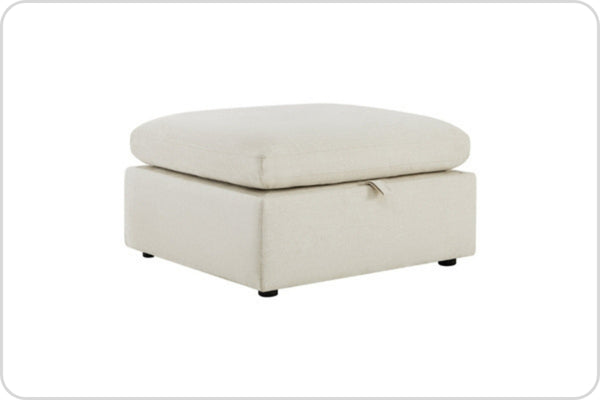
Accent pieces should be treated as problem-solvers. A small chair can create a reading corner, a bench can help with dressing, and a compact ottoman can add flexible seating or hidden storage. Ottomans are worth browsing when the room needs a seat that can also handle clutter, blankets, or temporary staging.
That said, a small bedroom usually does not need both a chair and a bench unless it has unusually generous floor space. If a decorative piece cannot earn its footprint, it is better left out. The room benefits more from open floor area than from a crowded furniture mix.

Place the Bed to Open Up Traffic Flow
The bed should usually claim the best wall available, then everything else should work around it. In many rooms, that means the longest uninterrupted wall or the wall that keeps the main path from the door to the closet most open. Background guidance on furniture placement is a useful reference for this basic logic, even though the final answer still depends on your room shape.
A Simple Placement Order
- Mark the door swing and closet access first.
- Place the bed on the wall that leaves the cleanest walking path.
- Add only one nightstand if two would squeeze the room.
- Use the foot of the bed only if it does not block movement.
- Add a secondary piece only after the main path still feels open.
That order matters because people often overestimate how much room remains after a bed is centered. A queen or full bed may fit, but the room can still feel tight if the path to the closet becomes narrow. That is why a small bedroom layout should be judged by movement, not just by whether the furniture clears the walls.
When to Break Symmetry
Symmetry looks polished, but it is not always the best choice in a compact room. If one side of the bed needs to stay open for access, a single nightstand can be the smarter option. If the room has a window, radiator, or awkward corner, moving the bed off-center may improve daily use more than a centered arrangement would.
A useful boundary: if centering the bed makes the closet harder to reach or shortens the main walkway too much, the centered layout is the wrong layout. In small bedrooms, the better-looking option is not always the better-fitting one.
Use a Zoning Plan for Sleep, Storage, and Seating
Once the bed is placed, the room should be assigned a role. A sleep-only room can stay visually lighter. A sleep-plus-storage room needs furniture that hides capacity efficiently. A sleep-plus-work or seating room needs the strictest discipline because every extra piece competes with circulation.
| Room Setup | Best Use Case | Key Furniture | Space-Saving Benefit | Main Trade-Off |
|---|---|---|---|---|
| Sleep-Only | Guest rooms, simple primary bedrooms, minimalists | Bed, one nightstand, small lighting layer | Keeps the floor open and the room visually calmer | Least storage and fewest extra functions |
| Sleep + Storage | Apartments under 150 sq ft, downsizers, shared rooms | Bed with built-in storage, slim nightstand, vertical storage | Reduces the need for a bulky dresser | Access to storage can be less convenient |
| Sleep + Work/Seating | Studios, multiuse rooms, spare bedrooms | Bed, compact desk or chair, vertical storage | Creates one room for more than one job | Highest risk of crowding and visual clutter |
The zoning table above helps clarify the trade-off. The more functions the room has to carry, the more careful you need to be with furniture scale and open floor area.
A small bedroom usually feels easiest to live with when storage moves vertical or built-in instead of spreading outward. That is why a slim chest, wall shelf, or bed-integrated storage can beat one more wide cabinet. The moment you need to squeeze past furniture to reach a drawer, the room has become too congested for comfort.
Finish With Proportions, Lighting, and a Final Walkthrough
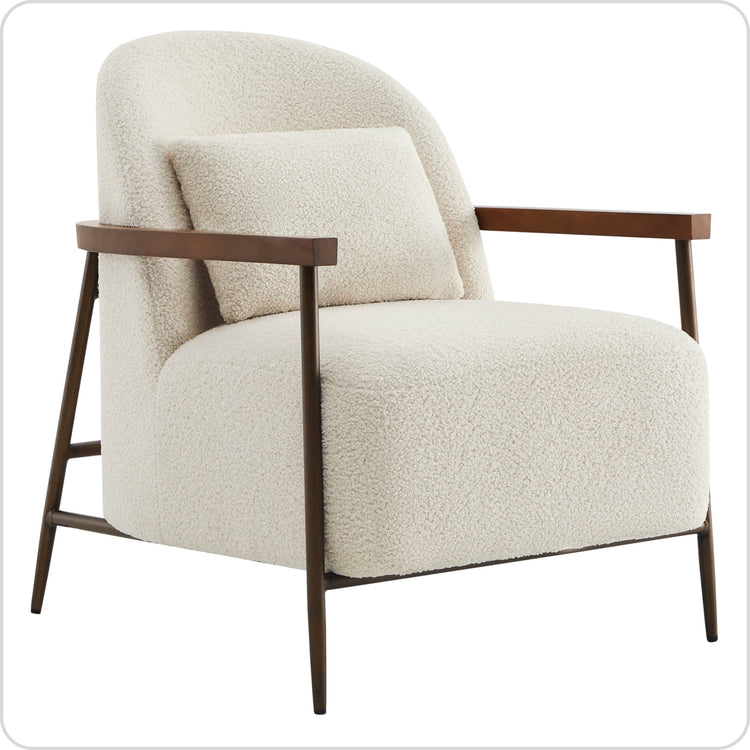
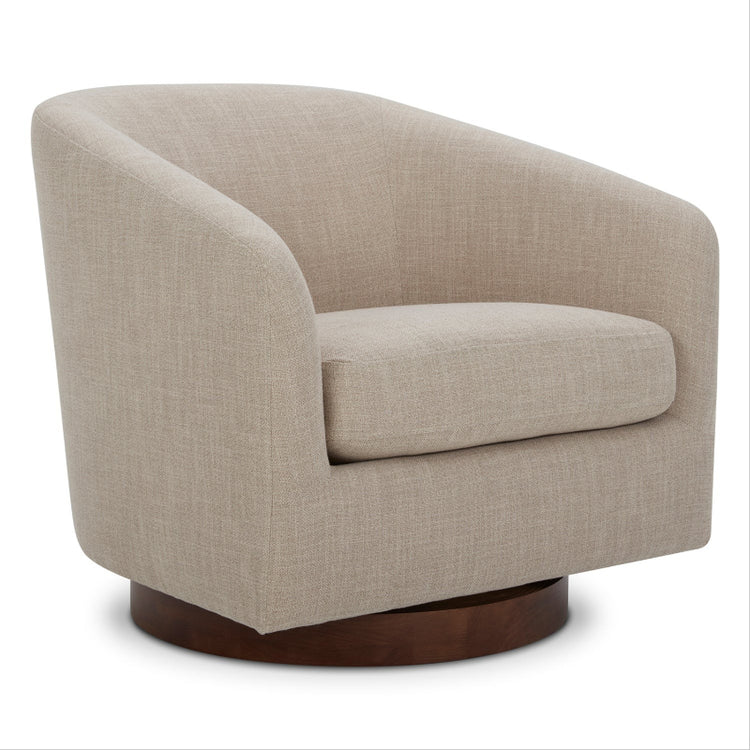
After the main furniture is in place, step back and check proportions. One or two slim accent pieces can finish the room, but too many small items create the same clutter as a few large ones. If the room needs seating, Accent Chairs are the safer browsing path than adding an oversized lounge piece that may crowd the bed.
Lighting matters because it can reduce the need for extra surface furniture. A wall lamp or compact lamp often works better than a large table lamp in a small room. The goal is to keep surfaces usable and paths clear.
Before you call the layout done, stand in the doorway and look for blocked corners, awkward dead space, and any place where opening a door or drawer feels annoying. If the arrangement still feels easy to enter, easy to clean, and easy to rest in, the layout is doing its job. For a quick styling-friendly option, the Bedroom Bundle | Serene Queen-size Bed & Vault Ottoman is a reasonable place to check whether built-in storage matches your room's needs.
Small Bedroom Layouts That Stay Livable
The best small bedroom layout ideas with bedroom furniture protect circulation first and style second. Choose fewer pieces, keep storage slim, and use the bed as the anchor so the room feels calmer in daily use. When the layout blocks the door, closet, or drawers, remove a piece rather than forcing the fit.
Related Resources
- small-space furniture balance
- Big Comfort, Small Footprint: The 2026 Guide to Wall-Hugger Recliners
- The Power of Minimalism: How Minimalist Design Can Transform Your Home
- Kelda Contemporary Upholstered Platform Bed
- Decoding Upholstery Standards: The 2026 Guide to Performance Fabric Durability
FAQs
Q1. How Do You Make a Small Bedroom Look Bigger With Furniture?
Use fewer pieces, lower profiles, and clearer sightlines. A bed with a slimmer frame, one compact nightstand, and vertical storage usually creates a cleaner visual field than a full suite of bulky furniture. The effect is visual, not magical, but it often makes the room feel less crowded.
Q2. What Bedroom Furniture Works Best in a 10x12 Room?
A 10x12 room often works best with a bed, one or two compact nightstands, and either vertical storage or a storage bed. The key is to leave enough space for door swing, closet access, and a comfortable walking path. If the walkway gets tight, reduce the number of pieces before increasing them.
Q3. Can a Queen Bed Fit in a Small Bedroom Without Feeling Crowded?
Sometimes, yes, if the room has enough wall length and the bed placement protects circulation. A queen usually becomes a better fit when you simplify the rest of the furniture and avoid deep dressers or oversized side tables. If the closet path narrows too much, a smaller bed or slimmer storage usually works better.
Q4. Why Does a Storage Bed Help in a Small Bedroom?
A storage bed can replace some of the storage that would otherwise require a dresser, chest, or bins. That is especially helpful in apartments where floor space is already limited. The trade-off is access, so it works best when you want hidden storage and do not need open space under the frame.
Q5. How Many Pieces of Bedroom Furniture Should a Small Room Have?
As few as the room can support comfortably. For many compact bedrooms, that means the bed, one nightstand, and one additional storage solution, with seating only if the room still has a clean path. If every new piece makes cleaning or movement harder, the room is overfurnished.
Recommended Products

More to Read
 7 Sofa Trends That Actually Improve Comfort in 2026
Upgrade your living room with furniture that supports your body. Here are 7 modern sofa features designed to maximize your daily comfort...
7 Sofa Trends That Actually Improve Comfort in 2026
Upgrade your living room with furniture that supports your body. Here are 7 modern sofa features designed to maximize your daily comfort...
 Mother's Day Gift Guide: Cozy and Stylish Furniture Picks for Modern Moms
Make Mother's Day more meaningful with furniture gifts that bring comfort, smart features, storage, and quiet luxury into her everyday routine.
Mother's Day Gift Guide: Cozy and Stylish Furniture Picks for Modern Moms
Make Mother's Day more meaningful with furniture gifts that bring comfort, smart features, storage, and quiet luxury into her everyday routine.
 Performance Fabric Reality Check: Does It Really Repel Pet Hair and Stains?
Performance fabric is often marketed as a miracle solution for homes with pets and kids, but the reality is more nuanced. It...
Performance Fabric Reality Check: Does It Really Repel Pet Hair and Stains?
Performance fabric is often marketed as a miracle solution for homes with pets and kids, but the reality is more nuanced. It...