






















2026 Recliner Trends: Wellness Seating, Hidden Power, and Small-Space Comfort

2026 recliner trends are shifting toward hidden power and smaller footprints, so the best chairs now look more like modern lounge seating while doing more work. If you want wellness-style comfort without a bulky look, focus first on how the recliner fits your room, then on how it reclines, charges, and closes up in daily use.

Wellness Seating Gets Hidden Power
For most buyers, the big change in 2026 is not a louder feature set, it is a quieter one. Recliners are moving from visibly mechanical pieces to furniture that keeps the comfort features tucked away. That matters if your room has to work as a living space, a remote-work backdrop, and a relaxation zone all at once.
Zero-gravity styling is part of that shift. In one study that references NASA neutral body posture benchmarks, the reclined posture was evaluated around 128° at the trunk-to-thigh angle and 133° at the thigh-to-calf angle, which helps explain why this position feels more "weightless" to many people without making a medical promise.
That is why the first decision sentence for 2026 recliner trends is simple: if you want the cleanest modern look, hidden power is the better fit; if you care more about a classic manual feel and lower complexity, a simpler recliner may still make more sense.
Hidden power also changes how you judge the chair closed. A good fit is not just the reclined position, it is the silhouette when the chair is upright, the way the controls disappear, and whether the room still feels intentional when the recliner is not in use.
For a deeper look at that styling shift, the hidden-power recliner guide is a useful follow-up if you are comparing modern silhouettes.
Zero-Gravity Positioning Moves Into Everyday Seating
Zero-gravity used to sound like a specialty feature. In 2026, it is becoming a mainstream comfort cue for people who want a lounge-ready chair that still feels current in a small living room.
What matters to buyers is not the label alone. What matters is whether the recline angle and footrest position actually feel comfortable for your body and your room. If the chair looks good but leaves your feet too high or your head unsupported, the feature becomes more style than substance.
A practical way to judge it is to ask whether the recliner lets you relax without forcing you into a fully flat posture. That is usually the better fit for reading, streaming, and evening downtime than a dramatic lay-flat style.
Quiet Motors and Integrated Charging Go Invisible
Power features are moving into the background. Quiet operation, hidden switches, USB or USB-C charging, and cleaner control placement are now part of what makes a recliner feel premium.
That does not mean every power chair is equally good in an apartment. If a recliner hums loudly, places its controls awkwardly, or adds visual clutter to the arms, the "smart" feature stops feeling smart. The right one should reduce friction, not add another thing to manage.
This is also where buyers should separate convenience from hype. Charging ports are useful, but they matter most when the chair is placed near where you actually sit for long periods. Otherwise, they are a nice spec that does little for daily use.
Ergonomic Support Starts Looking Like Lounge Furniture
Remote workers and hybrid workers are driving a different kind of demand: seating that supports recovery as well as relaxation. That is pushing recliners to borrow cues from ergonomic seating without looking like office furniture.
The useful question is not whether a chair is "ergonomic" in the abstract. It is whether the back support, headrest, arm height, and recline controls match your most common sitting positions. If you mostly read, watch TV, or work with a laptop for short stretches, a recliner with better posture support may feel more helpful than a deeply padded but slouchy chair.
Wall Hugger Designs Solve Small Rooms
If your room is tight, the most important trend is not the motor or the fabric, it is how much space the chair needs to recline. Wall-hugger designs are the clearest answer for apartments, open-plan corners, and layouts where every inch behind the chair matters.
The practical rule is straightforward: if you cannot spare deep rear clearance, a wall-hugger or zero-wall design is usually the safer fit; if you have generous floor space and want the simplest mechanism, a standard recliner can still work. That is the main flip in 2026 recliner trends.
For room planning, many wall-hugger mechanisms are described as needing only a few inches of wall clearance, while zero-wall styles aim for even less. Treat that as a starting point, not a promise, because the exact requirement depends on the model and the way the chair moves as it reclines.

Why Wall-Hugger Fit Matters More Than the Brochure
A small-space recliner is not just about width. It is about what happens to the chair when the footrest rises and the back moves back. In a tight room, the chair can look compact in a product photo and still feel intrusive once it is open.
That is why you should measure the wall behind the chair, the walkway in front of it, and the side space needed to enter or exit the seat. If any of those are tight, a visually slim chair can still become annoying fast.
When the room is under pressure, the best choice is usually the one that stays functional in both positions, not the one that looks smallest in the catalog.
Modular Reclining Seating Works Best When the Room Changes Jobs
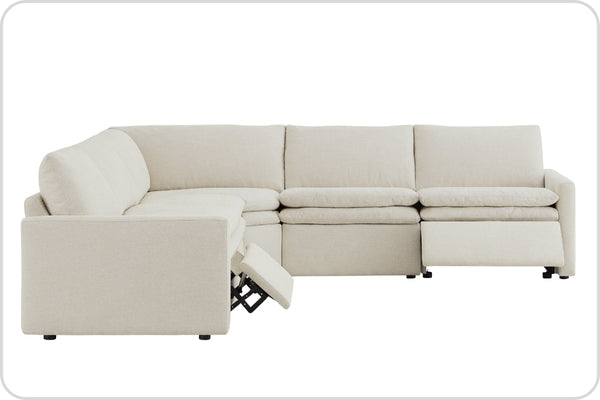
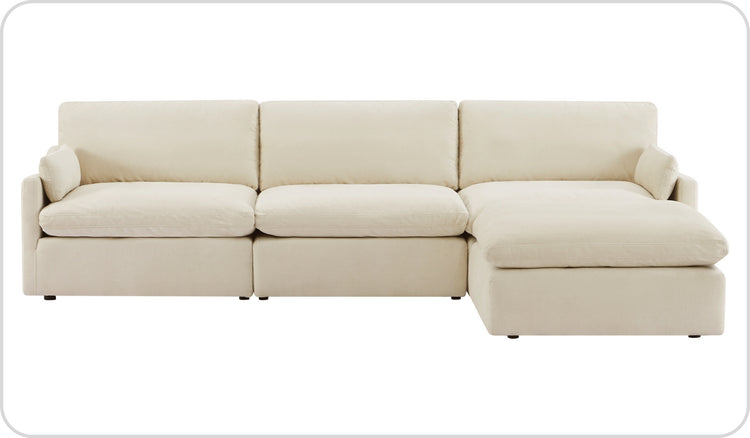
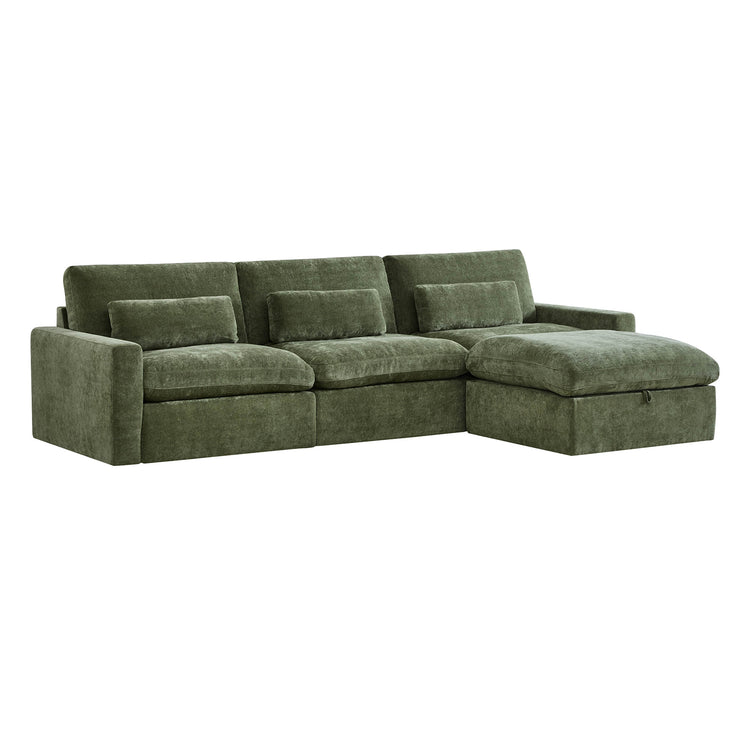
Modular reclining seating is the better fit when the room has to do more than one thing. If you host often, shift seating around, or use the same area for work and downtime, modularity can make the room easier to live with.
That said, modular does not automatically mean compact. A modular setup can spread out visually, so it works best when the layout benefits from flexibility more than from a single fixed footprint.
If you are deciding between a modular option and a wall-hugger chair, ask one question first: do you need one seat that disappears neatly, or a seating system that can change shape with the room? The answer usually points you in the right direction.
For browsing, the Wall Hugger Recliners collection is the most direct place to compare small-space shapes, while the big comfort, small footprint guide helps explain the trade-offs.
When a Standard Recliner Still Makes Sense
A standard recliner is not outdated. It is just less forgiving in smaller rooms. If you have plenty of clearance, a standard chair can still deliver the motion and comfort you want without forcing you into a more specialized mechanism.
The downside is simple: once the room gets tight, the standard chair is often harder to place, harder to walk around, and more likely to feel like the room was built around it instead of the other way around.
That makes standard recliners best for larger living rooms, media spaces, or rooms where the chair is allowed to be the main furniture anchor.
Performance Materials Keep the Look Clean
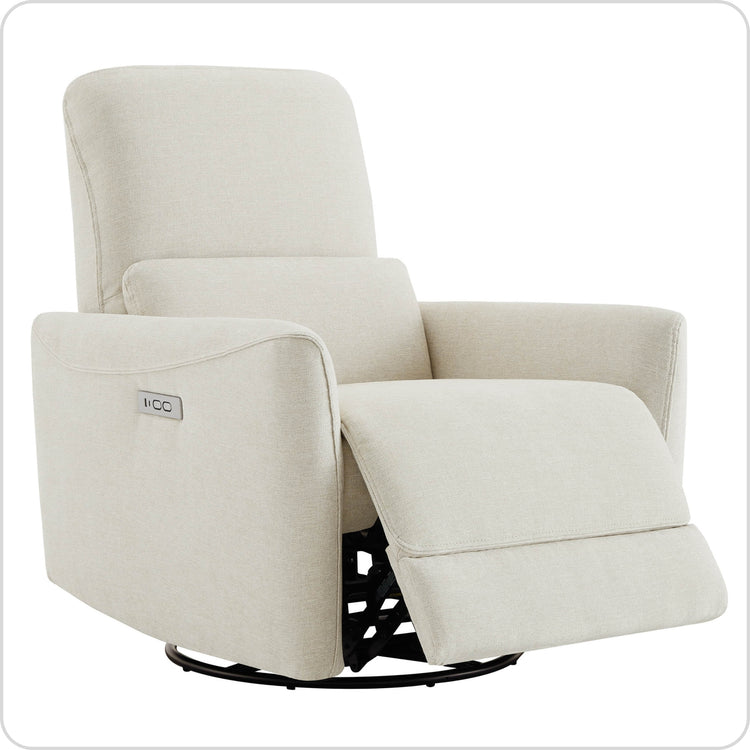
Material choice is becoming a bigger part of 2026 recliner trends because buyers want durability without a heavy or overly technical look. Performance fabrics are attractive for that reason: they are designed with easier cleaning and wear resistance in mind while still coming in modern colors and textures.
A useful external reference is this performance fabric overview, which explains why stain resistance and abrasion durability have become common buying filters for busy homes. The point for recliners is not that every performance fabric is equal, but that upholstery now has to pass both the style test and the daily-use test.
If the room is small, the material can change the visual weight of the chair just as much as the shape does. Matte textures, lighter tones, and cleaner stitching usually help a recliner look less dominant.
Performance Fabric for Daily Use
Performance fabric is often the safest default if your recliner will get regular use, especially in a living room that also sees snacks, pets, or guest traffic. It is easier to justify when you want the chair to stay looking fresh without constant special care.
The trade-off is that "performance" is a broad label. You still need to check the specific cleaning instructions, finish, and texture before you buy. Two chairs can both be performance fabric and still feel very different in the room.
If you want the least fussy option for everyday use, this is usually the best starting point.
Leather for a More Tailored Look
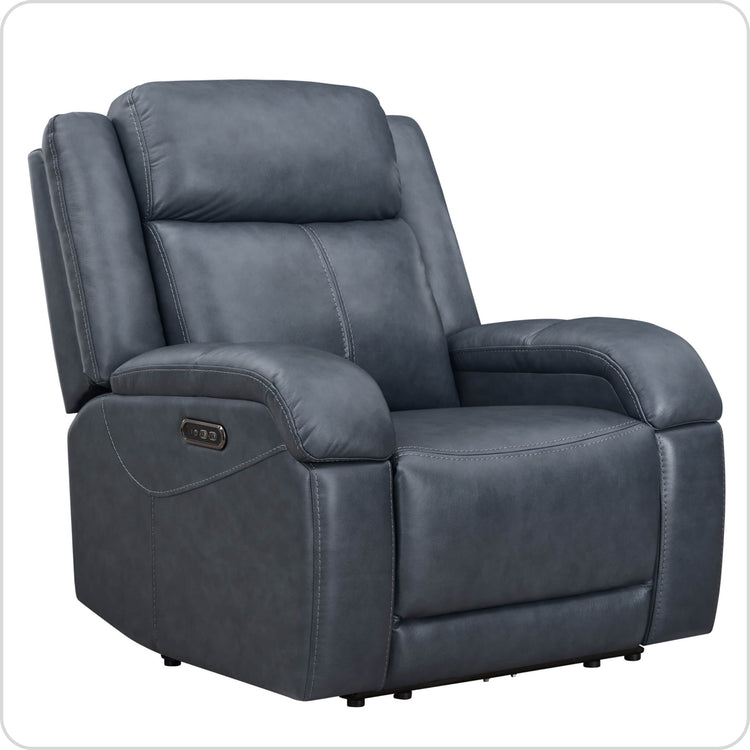
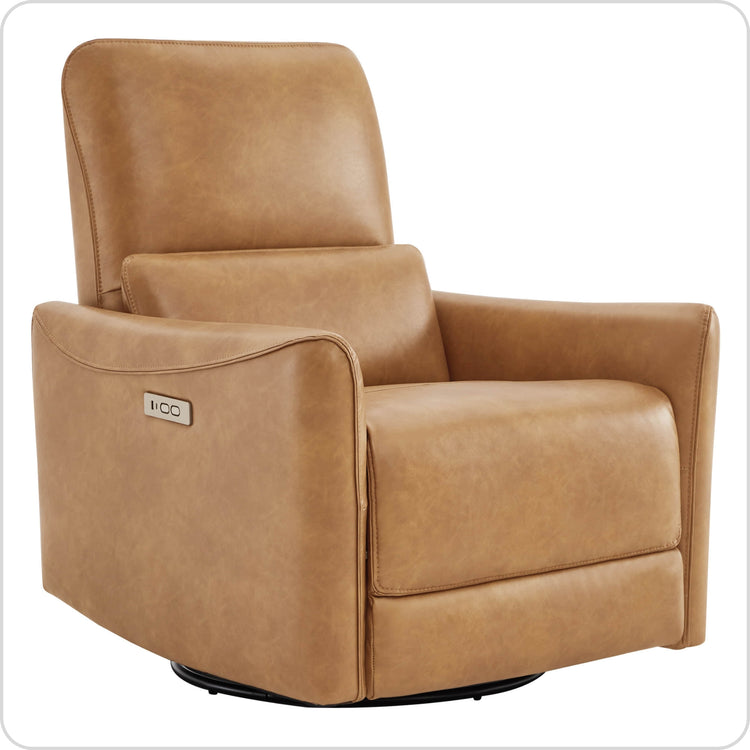
Leather can be the better choice when the goal is a cleaner, more polished presence. It often reads as more intentional in a modern room, especially when the recliner has hidden controls and a slim silhouette.
The downside is practical, not theoretical. Leather can feel warmer or cooler depending on the season and the room, and it asks you to think more carefully about maintenance. In other words, it can look more elevated, but it only stays that way if you are comfortable with the upkeep.
That is why leather works best when style is a top priority and the room conditions are predictable.
Easy-Care Textures Hide Wear Better
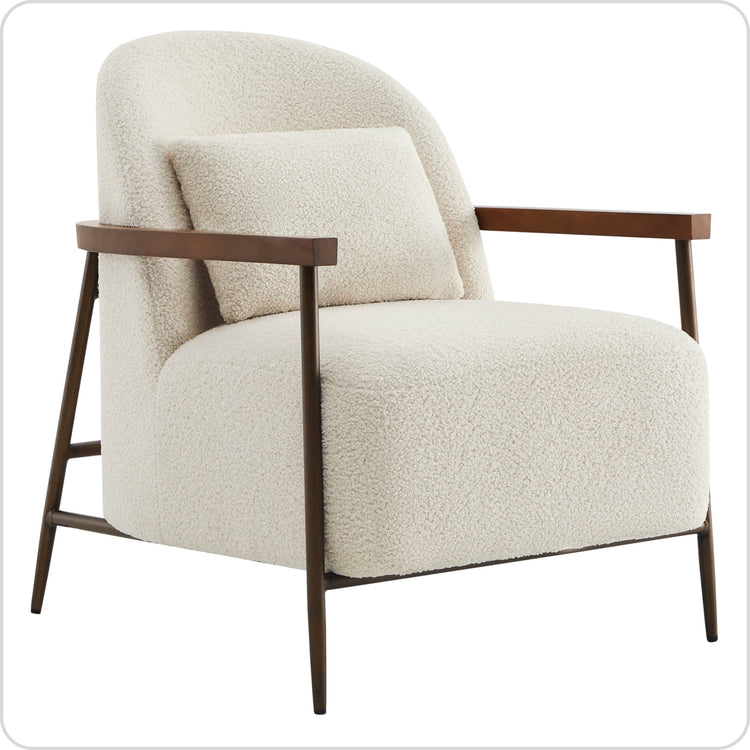
Textured upholstery can be a strong middle ground. It often hides small marks better than a very smooth finish, which is useful if the chair will be used every day.
For buyers comparing 2026 recliner trends, this is a good reminder: the best-looking fabric on a screen is not always the easiest fabric to live with. Ask how the material will look in daylight, not just in a studio photo.
If you want to compare material-driven options, the Leather Recliners collection is a useful browse path.
A Simple Buyer Checklist for 2026
Use this checklist when the trend story is interesting but you still need a purchase decision. It turns the category into a room-fit problem instead of a style-only choice.
- Measure the wall clearance first. If the space behind the chair is tight, start with wall-hugger or zero-wall designs.
- Check the walking path. A recliner that fits against the wall can still block traffic when open.
- Test the closed look. The chair should still feel like part of the room when it is upright.
- Review the controls. Hidden power is only helpful if the buttons, ports, and motion feel easy to use.
- Match the material to your cleaning habits. If upkeep matters, prioritize the upholstery you will actually maintain.
- Compare recline style to use case. Reading, watching TV, and napping usually need different positions.
What to Check Before You Click Buy
The most common mistake is shopping by the reclined look alone. A chair can seem perfect in a product shot and still be wrong if the room needs more clearance, the controls are awkward, or the upholstery is too visually heavy.
The better approach is to buy for the state you will see most often: closed, in daylight, and placed next to the rest of the room. If the chair only looks right when fully reclined, it probably is not the best everyday choice.
That is the real buyer filter behind 2026 recliner trends: comfort has to work in motion, but style has to work when the chair is still.
| Chair Type | Best Fit | Main Trade-Off | What To Verify |
|---|---|---|---|
| Zero-Gravity Hidden-Power Recliner | Wellness-leaning lounge use | Usually more feature-rich | Recline feel, controls, and closed silhouette |
| Wall-Hugger Recliner | Small rooms and apartments | Less flexible than modular seating | Rear clearance and open-path space |
| Modular Reclining Sofa | Rooms that change functions | Can look visually larger | Layout flexibility and footprint |
| Standard Recliner | Larger rooms | Needs more room to open | Clearances in both positions |
What Future Buyers Should Verify Next
The next step is not picking the prettiest chair, it is confirming the details that affect daily living. Verify the actual wall clearance, the closed silhouette, and the motion path before you order. Then check whether the controls, charging ports, and upholstery care match how you really use the room. If a chair only works on paper, it is not the right fit.
For shoppers comparing styles, the Zero Gravity & Wall-Hugger Recliners: Ultimate Comfort for Small Spaces guide is a useful companion piece for room-fit decisions. The Rise of the Wellness Recliner offers additional context on zero-gravity benefits.
Related Resources
- Maximizing Comfort in Minimal Square Footage
- Decoding Upholstery Standards: The 2026 Guide to Performance Fabric Durability
FAQs
Q1. How Much Wall Clearance Do I Need for a Wall-Hugger Recliner?
It depends on the mechanism, the chair's frame, and how far the seat shifts as it reclines. As a planning rule, check the product's exact clearance requirement and give yourself a little extra space for cords, trim, and walking room. That is safer than relying on the photo.
Q2. Are Hidden Power Recliners Usually Louder Than Regular Recliners?
Not necessarily. Noise depends more on build quality, motor design, and how the chair is used than on the fact that it is powered. If you share the room, look for descriptions that emphasize smooth operation and test the controls for ease of use, not just the motion itself.
Q3. How Do I Verify a Recliner's Zero-Gravity Angle?
Check the product details for the reclining position and compare it with your comfort goals. The important question is whether the angle supports how you read, stream, or rest, not whether it sounds technical on the spec sheet. If the angle is not stated clearly, ask before buying.
Q4. Which Fabrics Work Best for Small-Space Recliners?
Performance fabrics are usually the easiest starting point because they balance upkeep and style. Leather works well when you want a more tailored look, but it should be chosen with cleaning habits and room temperature in mind. Texture also matters because it can make the chair feel visually lighter.
Q5. Can a Power Recliner Still Look Good in a Modern Living Room?
Yes, if the silhouette stays clean and the controls stay discreet. The best modern power recliners do not announce the mechanism first; they blend into the room until you need the comfort. That is why hidden power is such a strong 2026 trend.
The Best 2026 Recliner Is the One Your Room Can Live With
The strongest 2026 recliner trends focus on hidden power, tighter room fit, and materials that hold up without extra upkeep. Choose the option that matches your actual clearance, daily use, and maintenance habits for lasting comfort.
Recommended Products


More to Read
 7 Sofa Trends That Actually Improve Comfort in 2026
Upgrade your living room with furniture that supports your body. Here are 7 modern sofa features designed to maximize your daily comfort...
7 Sofa Trends That Actually Improve Comfort in 2026
Upgrade your living room with furniture that supports your body. Here are 7 modern sofa features designed to maximize your daily comfort...
 Mother's Day Gift Guide: Cozy and Stylish Furniture Picks for Modern Moms
Make Mother's Day more meaningful with furniture gifts that bring comfort, smart features, storage, and quiet luxury into her everyday routine.
Mother's Day Gift Guide: Cozy and Stylish Furniture Picks for Modern Moms
Make Mother's Day more meaningful with furniture gifts that bring comfort, smart features, storage, and quiet luxury into her everyday routine.
 Performance Fabric Reality Check: Does It Really Repel Pet Hair and Stains?
Performance fabric is often marketed as a miracle solution for homes with pets and kids, but the reality is more nuanced. It...
Performance Fabric Reality Check: Does It Really Repel Pet Hair and Stains?
Performance fabric is often marketed as a miracle solution for homes with pets and kids, but the reality is more nuanced. It...