




























Pet owners want sofas that reflect their values without falling apart under claws, hair, and muddy paws. In 2026, sustainable pet-proof fabrics can deliver strong performance when you focus on verifiable specs like rub counts, snag resistance, and tear strength rather than vague green marketing. The key is matching material type to your household: recycled polyester often provides the best overall balance for mixed pet homes, while traditional performance leather edges out bio-based options for cat households where puncture risk is highest.

Performance vs. Planet: The 2026 Upholstery Conflict
Eco-conscious families increasingly seek upholstery that lowers environmental impact while surviving daily pet use. Yet many remain skeptical of “sustainable” labels because real-world failures—snagged threads, permanent stains, or premature wear—undermine the promise. The conflict is real: recycled ocean plastics and bio-based leathers sound ideal until a cat’s kneading or a dog’s muddy paws reveal weaknesses that conventional performance fabrics often handle better.
A true no-sacrifice choice exists when buyers prioritize lab-backed metrics over marketing. Materials that achieve high abrasion resistance, effective snag ratings, and responsible certifications can reduce long-term waste by lasting longer. The decision frame comes down to trade-offs: fiber origin (rPET) versus surface texture for hair management, and bio-leather flexibility versus traditional leather’s superior tear resistance in cat-heavy homes. Checking these early prevents the common regret of replacing a sofa every two to three years.
Decoding the 2026 Performance Specs: Proof Over Promises
Lab numbers on a spec sheet can mislead without context. High-traffic upholstery generally needs at least 30,000 Wyzenbeek double rubs or 50,000 Martindale cycles for residential durability, according to ACT performance guidelines. These abrasion tests simulate repeated rubbing but do not fully predict pet claw damage.

The Mace Snag Test (ASTM D3939) provides a more relevant proxy for cats. A Class 3 rating or higher is the practical minimum for pet households because it measures resistance to the kind of pulls that cause runs in looser weaves. Lower ratings often lead to visible damage within months.
The industry is also shifting from topical DWR (durable water repellent) coatings—frequently PFAS-based—to inherent fiber-level resistance or C0 (PFAS-free) treatments. These newer finishes can require more immediate blotting after spills, so plan for slightly stricter habits. Brands meeting 100,000-rub standards, such as certain performance velvets and tight weaves, sit well above typical heavy-residential benchmarks and better tolerate frequent cleaning.
For more on reading these ratings, see our guide to decoding upholstery standards.
Recycled Textiles vs. Traditional Performance: The rPET Reality Check
Modern recycled polyester (rPET) achieves tensile strength and abrasion resistance nearly identical to virgin polyester when produced through advanced chemical recycling, according to a 2026 optimization study. This parity removes the assumption that recycled content is inherently weaker.
What actually determines pet performance is weave structure rather than recycled content. Smooth, tightly woven rPET releases hair easily and resists pilling, while looped textures like bouclé trap fur and invite snags regardless of fiber origin. The “fuzzy myth” leads many buyers to dismiss rPET prematurely when the real variable is texture choice.
C0 PFAS-free treatments maintain reasonable water repellency but may not bead liquids as aggressively as older coatings. In practice this means blotting spills within minutes rather than seconds, yet the environmental gain justifies the adjustment for most households. Overall, rPET performance fabrics deliver comparable longevity to traditional options when selected for tight weaves and high rub counts.
Learn how light-colored options hold up in our article on durable performance fabrics for light sofas.
Bio-Leather vs. Protected Leather: The Claw-Puncture Conflict
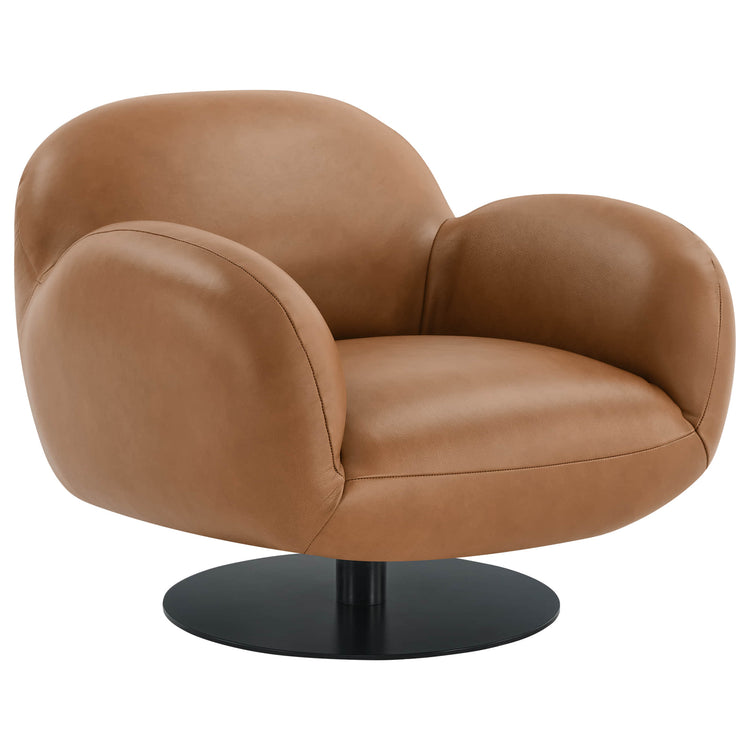
Bio-based leathers made from cactus, mycelium (such as Reishi), or apple offer impressive flex endurance—often exceeding 100,000 cycles—and strong colorfastness. However, they frequently show lower tear and puncture strength than top-grain animal leather because they lack the natural collagen fiber network that stops a snag from becoming a long tear.
This gap matters most for cat owners. A single deep claw catch in bio-leather can propagate more readily than in protected traditional leather. For dog-only homes focused on scratches and stains, many bio-leathers perform adequately when treated with protective topcoats and chosen in darker shades.
When comparing the two, prioritize published tear-strength data over flex-cycle numbers alone. OEKO-TEX certified protected leather remains the safer default for high-risk cat households, while bio-leather suits lower-scratch environments where sustainability credentials carry more weight. Always request full spec sheets rather than relying on marketing highlights.
For additional context on material trade-offs, read our comparison of performance fabric vs leather for recliners.
The Pet-Specific Guide: Choosing by Household Need
Different pets create distinct failure modes, so material choice should follow household realities rather than general green rankings.
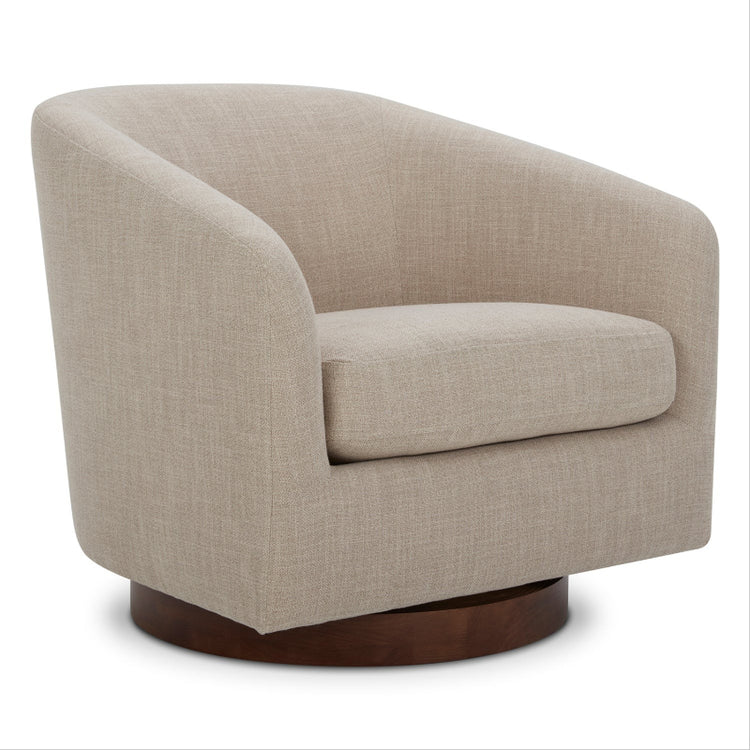
Cat owners should favor flat-weave recycled polyester or tight performance velvet. These textures minimize snagging from kneading and scratching. Avoid bouclé entirely—the looped surface creates both a hair trap and an inviting target for claws. Our dedicated test on performance bouclé for cats shows why many regret this trendy choice within the first year.
Dog owners benefit from fabrics carrying a Code W (water-based cleaner safe) rating and smooth surfaces that release hair with regular vacuuming. High hair-release ratings reduce the “Velcro effect” common with chenille or loose weaves. Recycled polyester again performs well here when it meets the 30,000+ rub threshold and includes a C0 repellent.
In multi-pet, high-traffic rooms, the safest path combines high snag resistance (Class 3+ Mace), strong abrasion numbers, and easy-clean finishes. Sustainable options meet these criteria when the manufacturer publishes complete test data rather than selective highlights.
Sustainable Fabric Comparison for Pet Households
Tiered performance matrix showing likely fit for snag resistance and stain resilience across common pet scenarios. Higher tiers indicate better typical outcomes based on weave, treatment, and material structure. Use this to identify where recycled and bio-based options meet or fall short of traditional performance fabrics.
Show Data Table
| Material | Snag Resistance | Stain Resilience | Hair Release | Tear Strength | Cleaning Ease |
|---|---|---|---|---|---|
| rPET | Good | Good | Good | Good | Good |
| Bio-Leather | Fair | Fair | Fair | Limited | Fair |
| Traditional Performance | Good | Excellent | Good | Excellent | Excellent |
This radar chart visualizes the likely patterns across typical home use. It clarifies where sustainable choices hold up well and where traditional performance fabrics still provide a durability margin.
How to Verify 'Green' Without Being Misled
Look for the 2026 certification trinity: OEKO-TEX (harmful substances), FSC (responsible sourcing where applicable), and NSF/ANSI 336 (multi-attribute sustainability for commercial textiles). The latter is the strongest “proof over promises” standard because it evaluates fiber, chemicals, water use, and energy across the supply chain, as outlined on the Contract Textiles site.
Greenguard Gold certifies low VOC emissions—important for indoor air quality—but does not address stain resistance or durability. Treating it as a performance rating leads to disappointment.
The explicit denial rule helps spot hidden PFAS: if marketing says “non-toxic” or “safe for pets” without naming the exact treatment chemistry or providing C0 certification, assume standard fluorochemicals may still be present. Request the full chemical disclosure or third-party test results before purchase.
Our broader guide to sustainable furniture choices expands on these verification steps.
Making the No-Sacrifice Choice: A 2026 Decision Framework
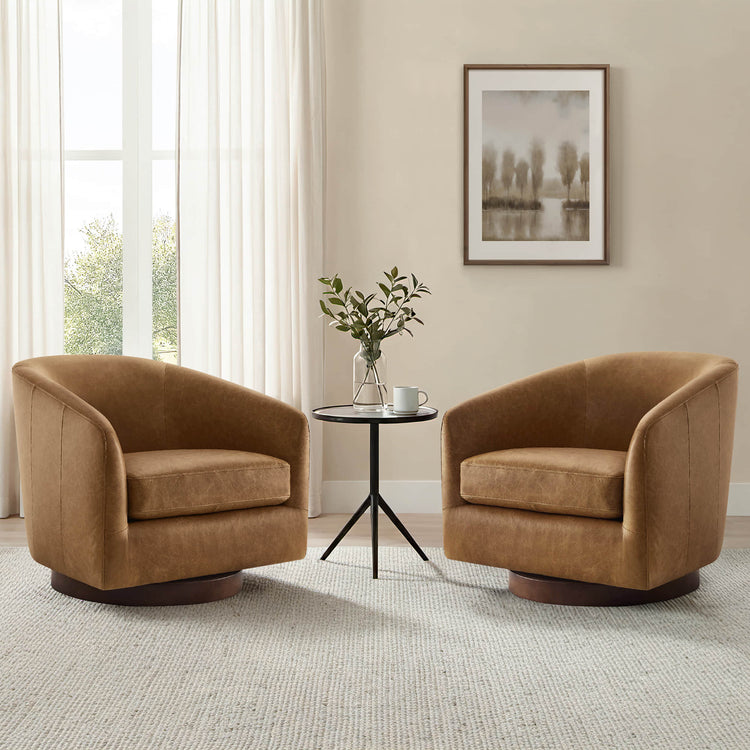
Rank materials by your dominant pet challenge. Recycled polyester currently offers the strongest balance of sustainability, durability, and pet compatibility for most households. Bio-leather works when scratch risk is low and you value its unique texture. Traditional protected leather remains the benchmark for cat-heavy homes needing maximum tear resistance.
Sustainable fabrics still require immediate blotting of spills and weekly vacuuming. No treatment eliminates maintenance entirely. Choose modular designs that allow future fabric updates to further reduce waste.
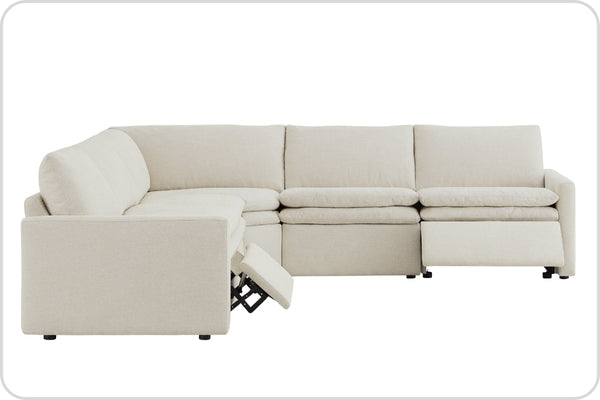
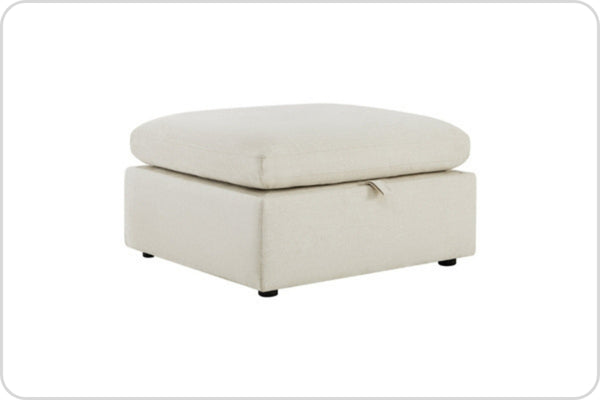
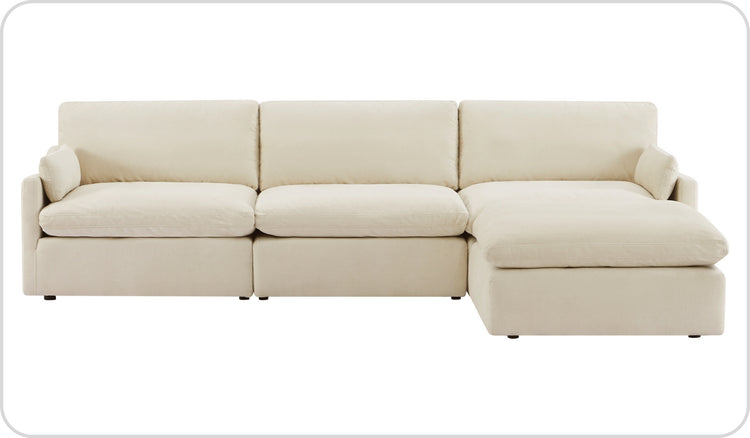
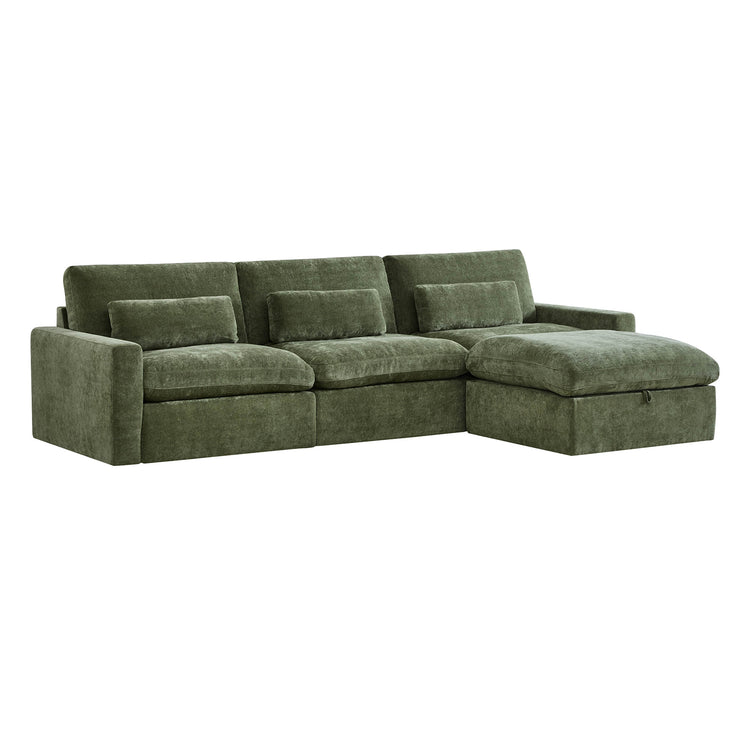
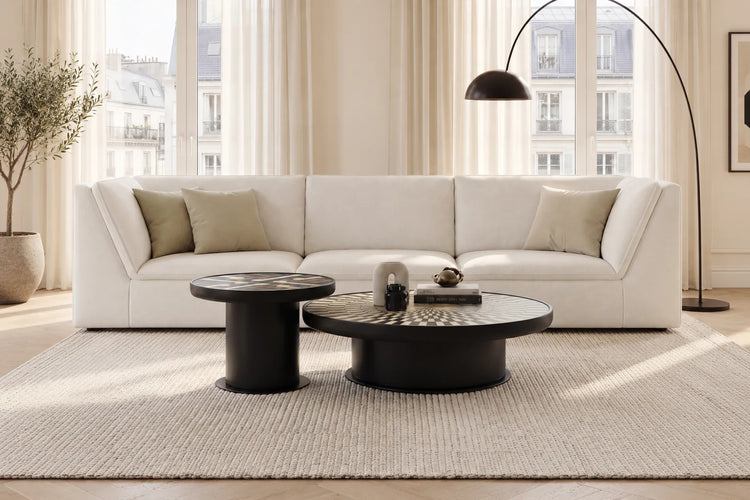
Chita Living’s performance collections meet these criteria with high rub counts, responsible certifications, and pet-focused textures. The Ivy 5-Seat Performance Fabric Modular Sectional Sofa with Storage Ottoman pairs recycled-content options with 100,000-rub fabrics and easy-clean finishes. The Maisie 3-Seat Modular Double-Layer Armrest Sofa offers OEKO-TEX certified tight weaves ideal for cat households. For leather-style protection, explore protected options within the Modular Sofas or Sofas collections and request swatches to test against your pets first.
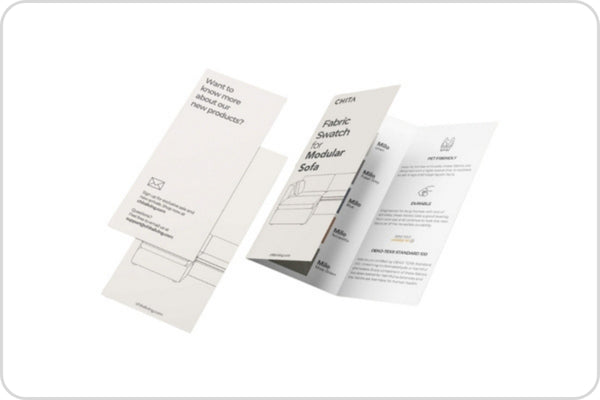
Start by ordering free swatches to compare texture and color under your lighting. Match the material to your specific pet mix, then verify the published snag class, rub count, and full certifications. This evidence-first approach delivers both planetary benefit and a sofa that actually lasts.
Are Sustainable Fabrics Truly Pet-Proof?
No material earns a universal pet-proof label. Even high-performing recycled polyester or protected leather can show wear under extreme clawing or repeated soiling. Class 3+ Mace snag resistance and 30,000+ double rubs greatly reduce risk, but immediate cleanup and choosing the right texture for your animals remain essential. Treat any claim of “pet-proof” as marketing rather than a guarantee.
How Can I Check a Fabric’s Real Durability Before Buying?
Request the complete spec sheet showing Wyzenbeek or Martindale results, Mace Snag class, and tear strength where available. Cross-reference against ACT guidelines and look for consistent third-party testing rather than house claims. Swatching the exact fabric and exposing it to your pets’ typical behavior for a week provides the most reliable preview.
Does Recycled Polyester Trap More Pet Hair Than Virgin Fabric?
Not when the weave is tight and smooth. Hair trapping stems primarily from texture—loops and loose chenille trap fur far more than fiber origin. Well-engineered rPET with performance finishes often releases hair as easily as virgin equivalents.
Is Bio-Based Leather a Good Choice for Cat Households?
It depends on the specific product’s published tear and puncture data. Many bio-leathers achieve excellent flex endurance but can be more vulnerable to propagating tears once a claw pierces the surface. For untrained cats or heavy scratchers, traditional top-grain leather with a protective finish usually offers a safer margin.
What Certifications Actually Matter for Both Sustainability and Pet Safety?
Prioritize NSF/ANSI 336 for overall sustainability, OEKO-TEX for chemical safety, and clear performance ratings (abrasion, snag, cleanability) for pet durability. A single certification rarely covers every concern, so look for the combination that matches your priorities.
Do PFAS-Free Treatments Perform as Well as Traditional Stain Repellents?
They often require faster action on spills but have improved significantly by 2026. Many C0 treatments now achieve good water and oil resistance when applied to tight weaves. Expect a modest trade-off in beading speed for the environmental benefit, and plan to blot promptly.
Recommended Products


More to Read
 7 Sofa Trends That Actually Improve Comfort in 2026
Upgrade your living room with furniture that supports your body. Here are 7 modern sofa features designed to maximize your daily comfort...
7 Sofa Trends That Actually Improve Comfort in 2026
Upgrade your living room with furniture that supports your body. Here are 7 modern sofa features designed to maximize your daily comfort...
 Mother's Day Gift Guide: Cozy and Stylish Furniture Picks for Modern Moms
Make Mother's Day more meaningful with furniture gifts that bring comfort, smart features, storage, and quiet luxury into her everyday routine.
Mother's Day Gift Guide: Cozy and Stylish Furniture Picks for Modern Moms
Make Mother's Day more meaningful with furniture gifts that bring comfort, smart features, storage, and quiet luxury into her everyday routine.
 Performance Fabric Reality Check: Does It Really Repel Pet Hair and Stains?
Performance fabric is often marketed as a miracle solution for homes with pets and kids, but the reality is more nuanced. It...
Performance Fabric Reality Check: Does It Really Repel Pet Hair and Stains?
Performance fabric is often marketed as a miracle solution for homes with pets and kids, but the reality is more nuanced. It...