
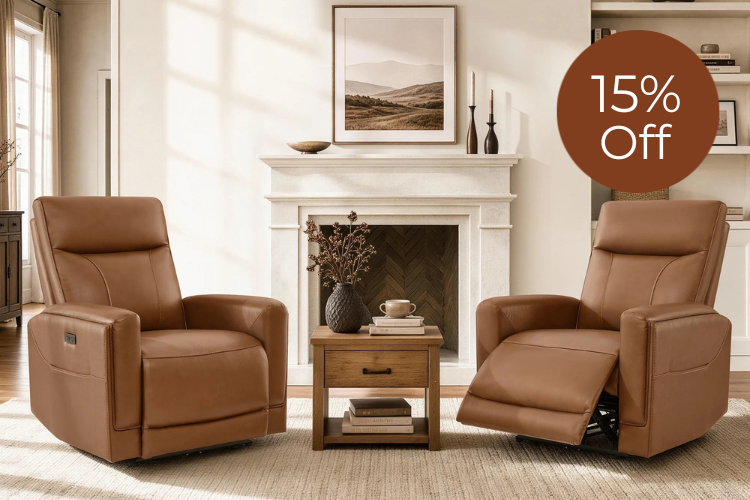








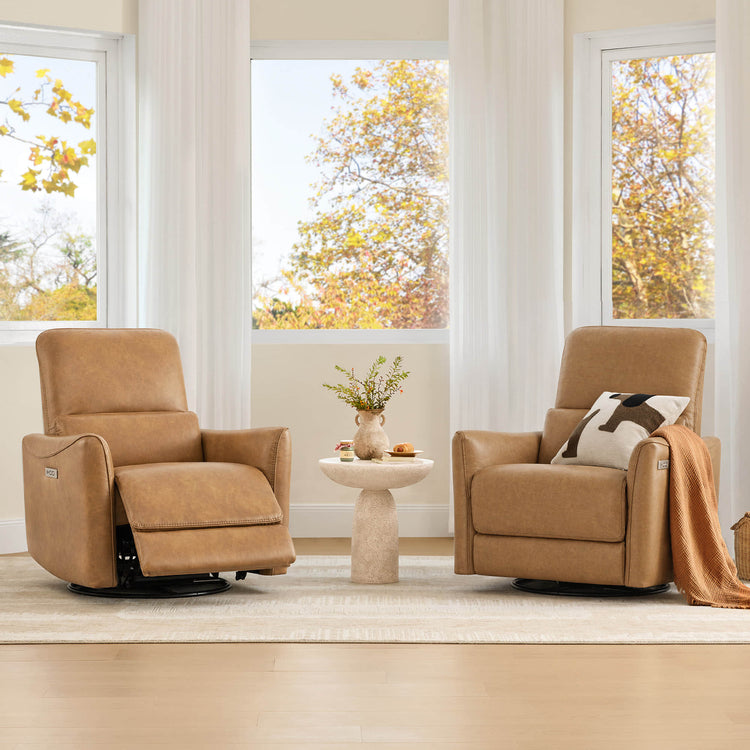
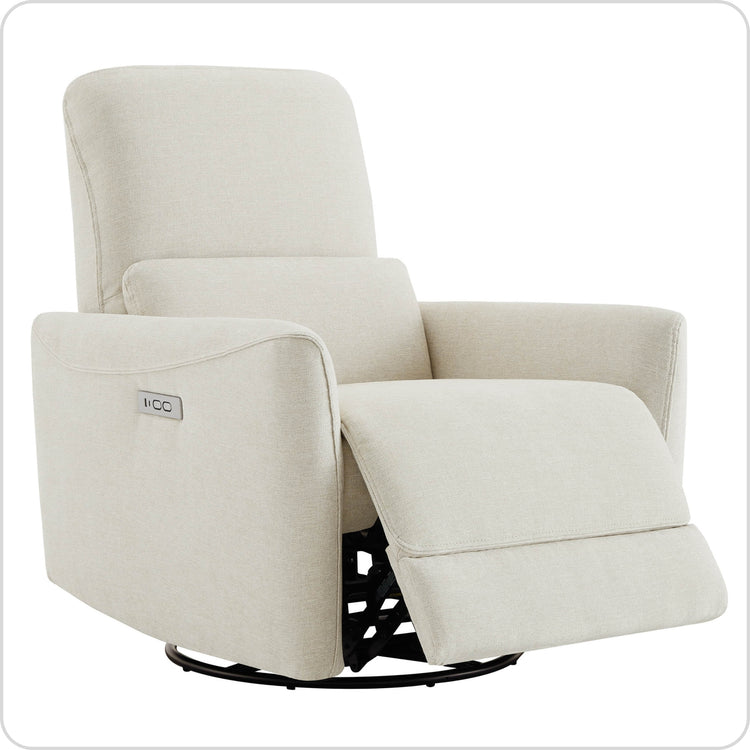
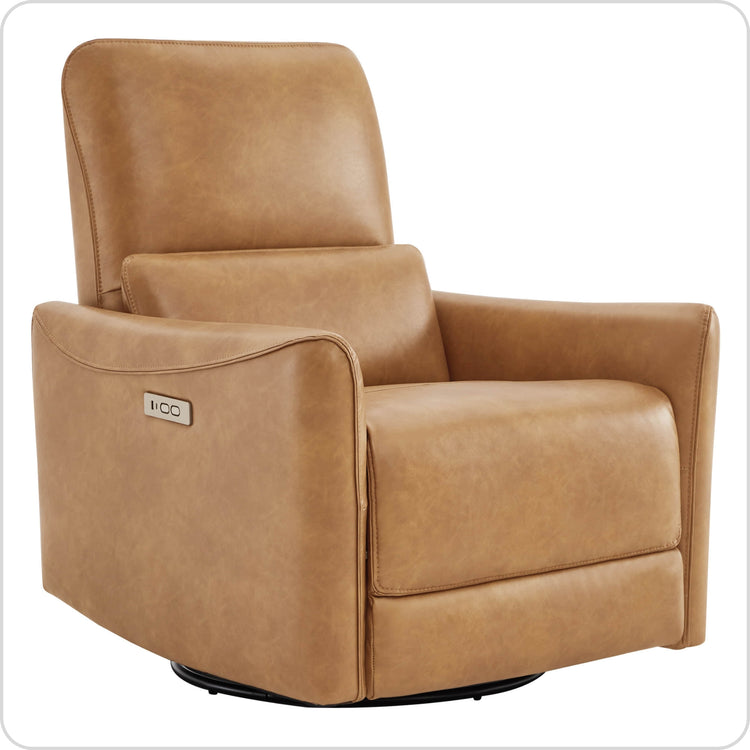


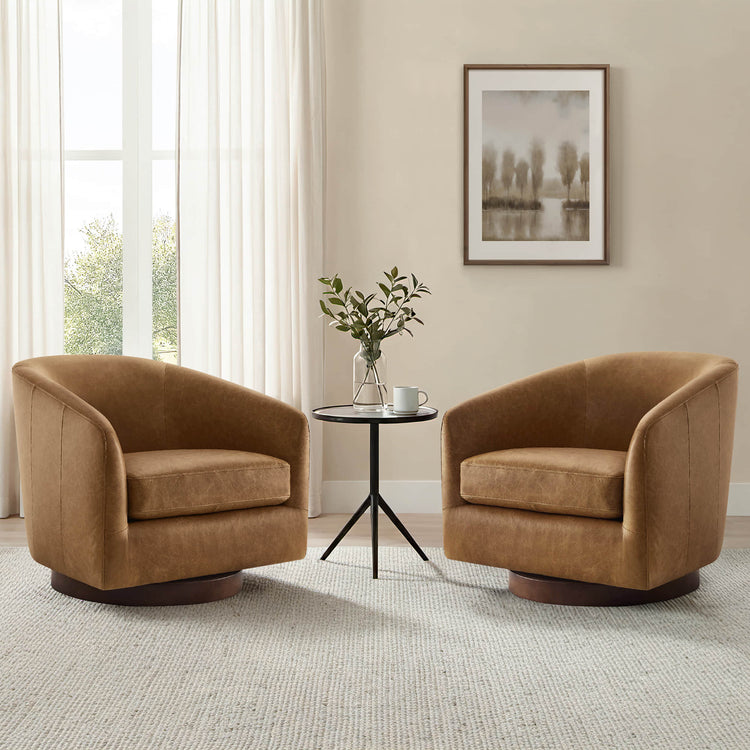
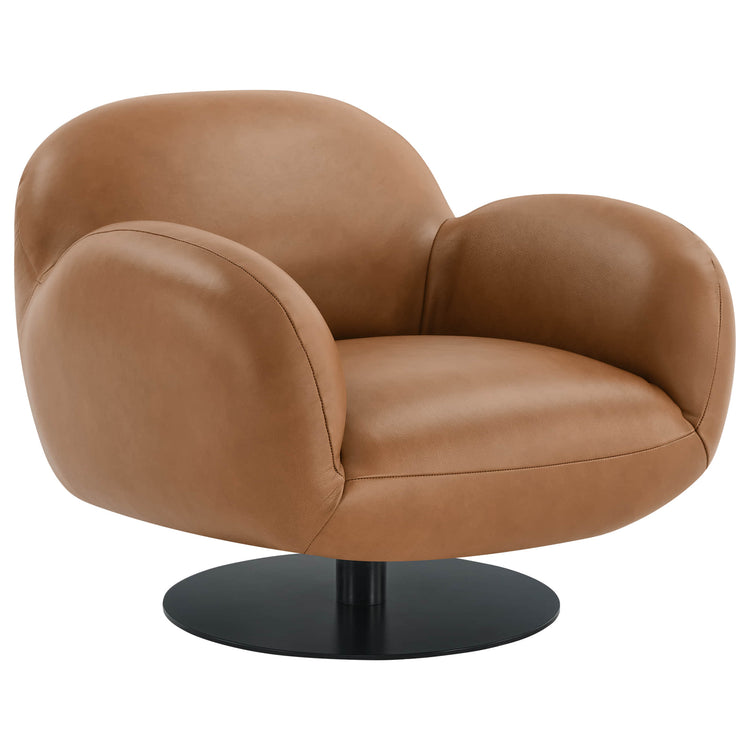
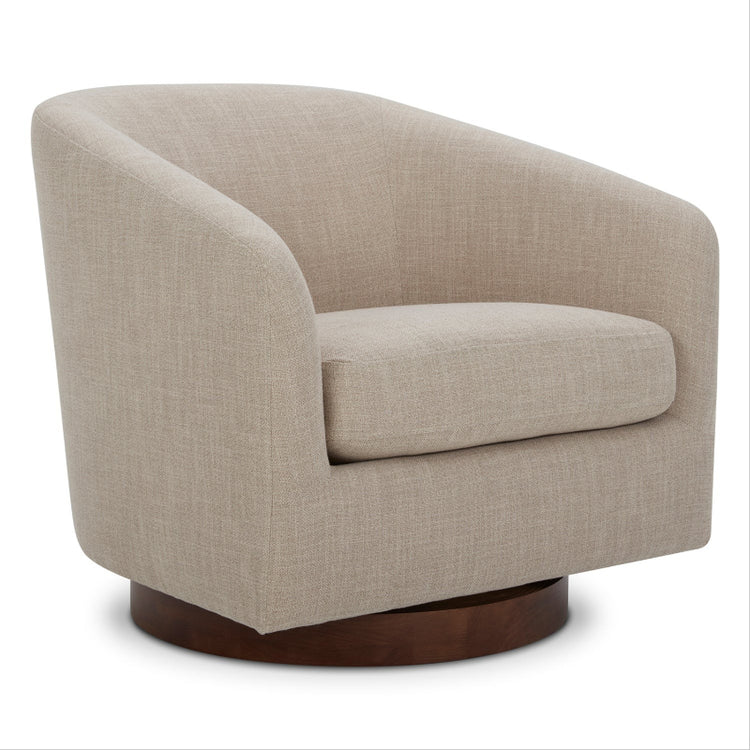














Design-conscious buyers in 2026 no longer have to choose between mechanical comfort and a clean, modern aesthetic. The rise of minimalist power recliners with invisible power technology delivers high-spec recline functionality through hidden capacitive sensors and whisper-quiet motors, all wrapped in slim, low-profile silhouettes that blend seamlessly into contemporary living rooms and apartments.

The 2026 Shift: Why Invisible Tech is Redefining Luxury
The design world is embracing 'Invisible Wellness Integration,' where smart features enhance daily life without visual clutter. This movement, highlighted in 2026 interior trends, allows what designers call aesthetic arbitrage: capturing the mechanical benefits of power reclining while investing in a refined, stationary-chair appearance that suits Instagram-ready or open-plan spaces (Invisible Wellness Integration: The 2026 Movement).
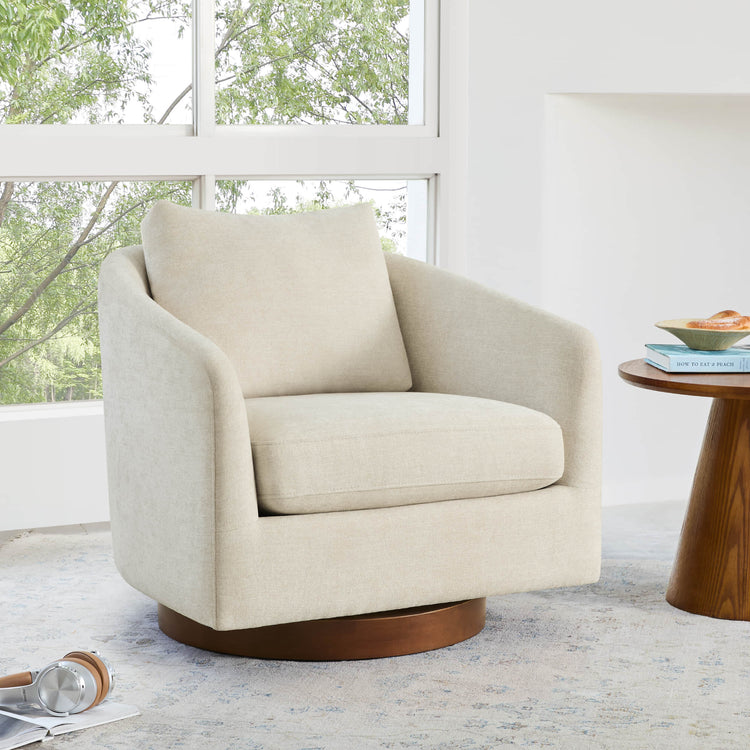
For apartment dwellers and style-led shoppers, the minimalist power recliner solves a long-standing conflict. Traditional models often looked oversized or dated due to bulky mechanisms and obvious controls. Today's versions use hidden technology to maintain sculptural lines and low profiles that feel like high-end accent furniture rather than mechanical seating.
This shift matters because your living room furniture now needs to perform on camera and in daily life. A sleek reclining chair for modern living room setups can deliver full power recline without dominating the visual balance of minimalist or Scandinavian-inspired interiors. The key is understanding where the real trade-offs lie before you buy.
The Engineering of Invisibility: How Hidden Controls Work
Hidden controls in a minimalist power recliner rely on capacitive touch technology. These sensors detect a finger's electrical field through up to one inch of wood, fabric, or veneer without any physical button or seam that would disrupt the clean upholstery (Capacitive Touch Sensing Through Wood and Plastic Veneers).
This differs from older 'hidden button' designs that still required small upholstery cuts or visible seams. Instead, modern invisible implementations place the sensing area on the inner armrest or a subtle zone along the frame edge. A light tap or long press activates recline, headrest adjustment, or USB charging ports.
The technology feels premium when well executed because the chair surface remains uninterrupted. However, the placement must balance invisibility with everyday usability. Purely seamless designs can sometimes frustrate first-time users who cannot quickly locate the control zone.
Recliners That Don't Look Like Recliners: Blending High-Tech Comfort with Modern Design explores similar aesthetic integration approaches that prioritize clean lines in contemporary spaces.
Beyond the Buzz: The Science of Whisper-Quiet Motors
Motor noise often undermines the minimalist aesthetic more than any visual element. High-quality whisper-quiet motors in power recliners operate below 50 dBA—roughly the level of a quiet office or soft rainfall—making them far less disruptive than typical conversation at 60 dBA (Decibel Level Comparison Chart).
This acoustic performance matters in open-plan apartments or media rooms where even moderate humming can break the calm. UL-certified actuators help maintain consistent, low-noise operation over years of use. Look for this certification as a reliable indicator that the motor has been engineered for residential quietness rather than just marketed as silent.
When the motor stays unobtrusive, the entire piece feels like sophisticated stationary furniture until you choose to adjust it. This invisible performance is central to the 2026 invisible tech furniture trends that prioritize lived experience over obvious gadgetry.
Space Arbitrage: Solving the Apartment Clearance Conflict
Standard recliners typically demand 12 to 18 inches of rear clearance to fully recline, which often conflicts with apartment walls or high-traffic walkways. In contrast, wall-hugger or zero-wall mechanisms in minimalist power recliners slide forward on a track, requiring only 3 to 5 inches of clearance behind them (What is a Wall Hugger Recliner? Clearance and Mechanism Guide).
This space arbitrage transforms usability in small rooms. A low profile power recliner for apartments can sit close to the wall yet still deliver near-full recline without obstructing pathways. The design also helps maintain visual openness in open-concept layouts where bulky furniture would feel oppressive.
Minimalist Power Recliners: Space and Noise Advantage
Shows the typical fit advantage of minimalist power recliners in small rooms and the usual noise advantage of quieter motors.
View chart data
| Scenario | Minimalist power recliners | Traditional recliners |
|---|---|---|
| Space arbitrage | 2.0 | 2.0 |
| Acoustic arbitrage | 0.0 | 0.0 |
The chart above illustrates the typical pattern: minimalist power models usually deliver stronger space and acoustic fit for compact modern living rooms. Use these ranges as planning guidance rather than absolute guarantees, since exact clearance still depends on full recline depth and room layout.

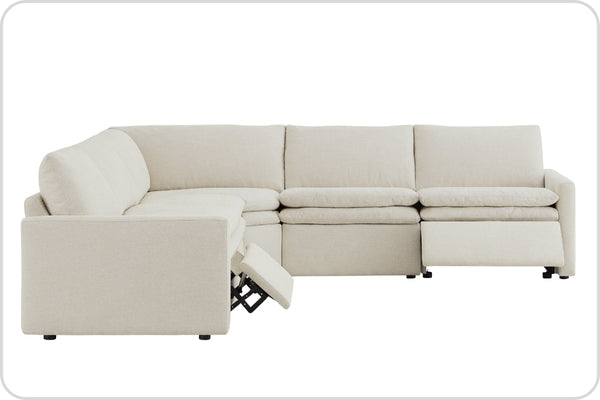
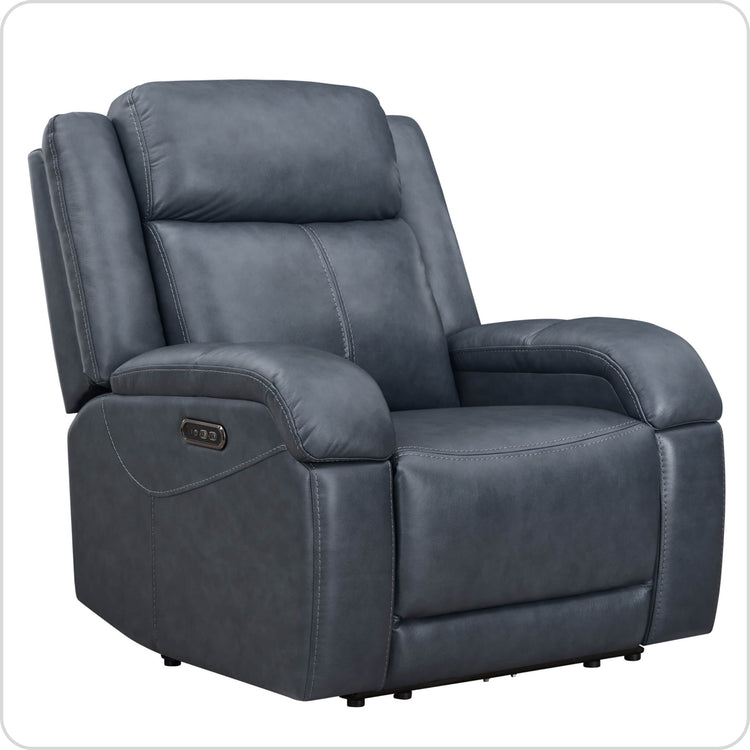
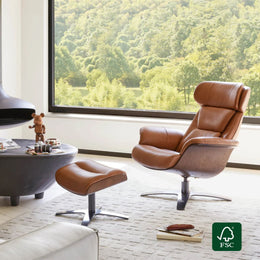
Models like the Hadley Modern Zero Wall-hugger Power Recliner and Oliver Power Recliner Sofa Chair exemplify this approach with zero-wall design and integrated charging that keeps cords minimal. For more on fitting these into tight footprints, see our Wall-Hugger Recliner Clearance: The Small Space Guide and Zero Gravity & Wall-Hugger Recliners: Ultimate Comfort for Small Spaces.
The Slouch Trap: Balancing Minimalist Form with Mechanical Durability
Slim silhouettes can sometimes sacrifice ergonomic support. The slouch trap occurs when manufacturers reduce foam density or lumbar shaping to achieve a lower, more sculptural profile. Over time, this leads to inadequate back support that feels comfortable in the showroom but disappointing after weeks of use.
BIFMA standards provide a reliable floor for structural integrity and durability, ensuring the frame and mechanism can withstand repeated use without early failure (BIFMA Standards for Seating Durability and Safety). Prioritize chairs that disclose hardwood or steel frames and higher-density foam rather than assuming all minimalist designs maintain the same support.
The aesthetic arbitrage only succeeds when you refuse to trade away mechanical durability. Check for these details early: frame construction, foam specifications, and independent testing certifications. Doing so prevents the common regret of a beautiful chair that loses its supportive feel within a year.
Invisible UX: Where Hidden Controls Stop Feeling Premium
Hidden controls create new usability considerations. The ultimate test is the guest test: can a visitor locate and operate the recline function without instructions? Pure invisibility sometimes crosses into frustration, especially in multi-user households or when hosting frequently.
Budget implementations of hidden buttons often suffer from accidental activation or overly sensitive zones. Premium designs use subtle tactile markers or standard placement on the inner armrest so that regular users develop muscle memory while guests can still discover the feature quickly.
This friction matters because the aesthetic win evaporates if the chair becomes a daily puzzle. Balance remains key: the controls should disappear visually yet remain discoverable through thoughtful engineering. Many modern aesthetic recliner with hidden power options now include a small LED indicator that activates only during use, preserving the clean look while solving the locatability problem.
Selection Guidelines: How to Verify Your Aesthetic Arbitrage
Choosing the right minimalist power recliner requires a short checklist that protects both your design goals and long-term satisfaction. Start with frame disclosure—hardwood or steel construction signals better durability in slim profiles. Next, verify foam density or ergonomic shaping to avoid the slouch trap. Confirm wall-hugger or zero-wall capability if your room has limited clearance.
Plan for power access in open layouts; many pieces include USB-C and standard outlets, but you will need a nearby receptacle. Performance fabrics in this category often require dry cleaning, so factor maintenance into your decision rather than assuming easy care.
Prioritize pieces that meet BIFMA standards while delivering the 2026 invisible look. Test in person when possible, or use the restocking fee reality as motivation to measure twice. The Wall Hugger Recliners collection and Recliners New Arrivals offer current options engineered for exactly these trade-offs.
When the chair passes these checks, the aesthetic arbitrage delivers: mechanical comfort that remains visually invisible, letting your room feel curated rather than compromised.
Do Hidden Controls Work for Guests and Families?
Hidden capacitive controls can work well once users learn the tap pattern, but they often require a brief demonstration for guests or older family members. Look for models with subtle tactile texture or a momentary indicator light to improve discoverability without ruining the seamless aesthetic. In multi-user homes, this small detail prevents daily frustration.
How Much Wall Clearance Do Minimalist Power Recliners Actually Need?
Most wall-hugger minimalist power recliners need only 3 to 5 inches of rear clearance, compared with 12 to 18 inches for standard models. Always measure your specific chair's full recline footprint plus walkway space, as front extension can still affect traffic flow in tight apartments.
Will a Slim Recliner Sacrifice Lumbar Support?
Slim designs can reduce lumbar depth if foam density is lowered to maintain the profile. Check for high-density foam ratings or adjustable lumbar features. BIFMA-certified frames help ensure the structure lasts, but only proper cushioning prevents the slouch trap over time.
Are Whisper-Quiet Motors Truly Silent in Real Homes?
Motors rated below 50 dBA blend into normal conversation and will not disturb sleep or quiet activities. Real-world noise still varies with installation and flooring, so UL-certified actuators provide the most consistent performance. Treat 'whisper-quiet' as a strong reduction rather than complete silence.
What Maintenance Should You Expect With Performance Fabrics on These Chairs?
Most performance fabrics on minimalist power recliners carry a Code S (solvent/dry clean only) rating. They resist stains better than standard textiles but typically cannot be machine washed. Factor professional cleaning costs into your long-term ownership calculation.
Recommended Products

More to Read
 7 Sofa Trends That Actually Improve Comfort in 2026
Upgrade your living room with furniture that supports your body. Here are 7 modern sofa features designed to maximize your daily comfort...
7 Sofa Trends That Actually Improve Comfort in 2026
Upgrade your living room with furniture that supports your body. Here are 7 modern sofa features designed to maximize your daily comfort...
 Mother's Day Gift Guide: Cozy and Stylish Furniture Picks for Modern Moms
Make Mother's Day more meaningful with furniture gifts that bring comfort, smart features, storage, and quiet luxury into her everyday routine.
Mother's Day Gift Guide: Cozy and Stylish Furniture Picks for Modern Moms
Make Mother's Day more meaningful with furniture gifts that bring comfort, smart features, storage, and quiet luxury into her everyday routine.
 Performance Fabric Reality Check: Does It Really Repel Pet Hair and Stains?
Performance fabric is often marketed as a miracle solution for homes with pets and kids, but the reality is more nuanced. It...
Performance Fabric Reality Check: Does It Really Repel Pet Hair and Stains?
Performance fabric is often marketed as a miracle solution for homes with pets and kids, but the reality is more nuanced. It...