























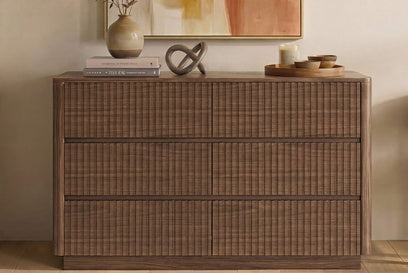









Banish Clutter: TV Stands with Hidden Cable Management

Why Cable Clutter Ruins the Designer Media Wall Aesthetic
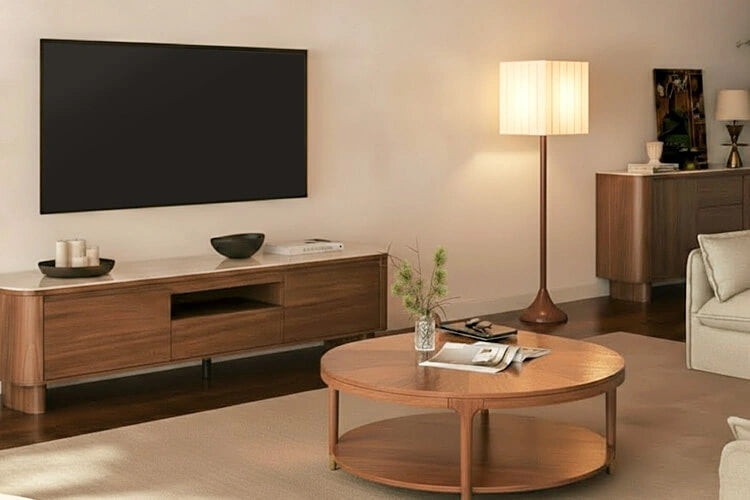
Visible cables can instantly make even the most expensive TV setup look messy and unfinished. A TV stand with hidden cable management solves this by routing power, HDMI, and accessory cords out of sight while keeping devices organized and accessible. The right stand reduces visual clutter without requiring risky DIY wall modifications that violate electrical codes.

Tangled wires create visual noise that undermines a carefully styled living room. What looks like a high-end media wall on a furniture catalog page often becomes a cable nest in real life, especially when multiple devices such as game consoles, soundbars, and streaming boxes are added. Many homeowners consider running cords through the wall to achieve a clean look, but this approach carries real safety risks. National electrical codes generally prohibit using standard flexible power cords inside walls because their insulation is not rated for the heat buildup that can occur in enclosed spaces.
Instead of risky DIY hacks, a purpose-built TV stand with integrated cable management offers a code-compliant and practical alternative. These stands move beyond basic shelving to actively organize and conceal cords while still providing storage for media components.
Choosing a TV Stand: Safety Standards and Weight Capacity
Safety should come before aesthetics when selecting a TV stand, particularly for larger screens. The UL 1678 standard establishes requirements for stability and weight capacity to help prevent tip-over accidents. As a rule of thumb, look for stands that clearly display their maximum TV weight and size ratings, as recommended by the American Home Furnishings Alliance.
Match the stand width to your TV size using the overhang rule: the stand should be at least as wide as the TV base or slightly wider for visual balance and stability. This is especially important in homes with children or pets. Checking the label for UL 1678 compliance helps ensure the stand can safely support your television rather than relying on looks alone.
TV Stand Fit by Heat Load and Design Type
Shows which stand type is usually the safer fit as device heat output rises, using broad tiers rather than exact temperature thresholds.
View chart data
| Category | Open design | Closed design |
|---|---|---|
| Low heat load | 3.0 | 2.0 |
| Moderate heat load | 3.0 | 1.0 |
| High heat load | 3.0 | 1.0 |
Essential Features: What Makes a TV Stand Great for Cable Management?
Effective cable management relies on specific design elements that let you route and conceal wires without sacrificing access or stability.
- Rear Grommets and Pass-throughs: These serve as the foundation, allowing cords to move cleanly from the TV down into the stand interior.
- Adjustable Shelving: Dedicated wire channels or notched shelves accommodate bulky receivers and gaming consoles of varying heights.
- Removable Rear Panels: These make initial setup and future maintenance far easier than wrestling with a fully enclosed back.
- Internal Storage: Some models, such as those with internal drawers, provide additional hidden storage for smaller accessories like remotes and cables.
As noted in our guide on low-profile media consoles, these thoughtful details contribute to an overall minimalist aesthetic while delivering real functionality.
Quick Selection Guide: Matching Your Gear to the Right Stand
To help you move from a list of devices to the right furniture choice, use the following decision framework based on typical heat loads and cable density.
| Setup Type | Typical Devices | Recommended Stand Style | Minimum Cable Features |
|---|---|---|---|
| Minimalist / Streaming | Apple TV, Roku, Soundbar | Fully Enclosed / Solid Doors | 1-2 Rear Grommets |
| Gaming / High-Performance | PS5, Xbox, AV Receiver | Open Shelving or Slatted Doors | 2"+ Rear Clearance + Wide Pass-throughs |
| Hybrid Media Center | Switch, Blu-ray, Cable Box | Semi-Open / Adjustable Shelves | Removable Back Panels + Internal Wire Channels |
The Ventilation vs. Concealment Trade-off
Hiding electronics completely can create a thermal trap. High-performance devices like the PS5 or Xbox generate significant heat and need consistent airflow to operate reliably. Enclosed cabinets without adequate ventilation may increase thermal stress on internal components, potentially impacting long-term performance.
This creates a clear decision threshold: treat full enclosure as suitable primarily for low-heat setups such as basic streaming boxes. Active media stacks benefit from open shelves, mesh or slatted fronts, or designs that maintain rear clearance. Always refer to your device’s manufacturer manual for specific ventilation and clearance requirements.
The Rex Curved Fluted Wooden TV Stand with Drawer and Bennett 62" Modern Arched Wood TV Stand illustrate balanced approaches that combine clean lines with practical airflow.

How to Hide Wires in a Media Console for Multiple Devices
Organizing cables for several devices follows a logical sequence:
- Power First: Place the power strip inside the stand or mounted to the back.
- Route the TV: Run the main TV power cord through the primary grommet.
- Layer Components: Route HDMI and accessory cables last.
- Secure and Label: Use Velcro ties rather than zip ties for better long-term flexibility.
Expert Tip on Interference: While modern digital cables (like HDMI) are generally well-shielded, it is still a best practice to separate power cords from data lines where possible. This minimizes the risk of electromagnetic interference, which can occasionally affect analog audio signals or unshielded network cables.
Final Checklist: Achieving a Seamless Media Wall Look
Before purchasing, perform these final checks to ensure your stand meets your technical needs:
- Measure Depth: Measure your largest device including the space needed for cable heads (usually an extra 2-3 inches).
- Verify Capacity: Check the stand’s weight capacity against your TV specifications.
- Plan for Expansion: Ensure there is at least one empty "slot" or grommet path for future upgrades.
- Logistics: Consider modular or flat-packed options if moving the furniture through tight apartment hallways is a concern.
Frequently Asked Questions
Can a TV stand completely hide all wires? No. While a quality TV stand with hidden cable management significantly reduces visible cords, some ventilation gaps and access points remain necessary for safe operation and device cooling. The goal is a "clean" look rather than a 100% wireless appearance.
Is it safe to run power cords through the wall behind a TV stand? Generally no. Most local electrical codes prohibit using standard flexible power cords inside walls due to heat buildup and fire risks. A TV stand with built-in management provides a safer, code-compliant way to organize cables.
How do I choose between open and closed TV stands for cable management? Choose based on your device heat load. Open or ventilated designs work best for gaming consoles and receivers that run hot, while closed cabinets suit lower-heat streaming setups. Always prioritize airflow over total concealment for active electronics.
Do TV stands with cable management require special tools or skills to set up? Most models use simple grommets and channels that require no special tools. The main effort involves planning cable routes and using reusable ties. Labeling cords during installation makes future troubleshooting much easier.
Will a TV stand with hidden cable management work in a small apartment? Yes. Many compact and low-profile designs offer effective cable management while fitting limited spaces. Measure carefully and look for models with adjustable shelving to accommodate your specific device collection.
Recommended Products



More to Read
 7 Sofa Trends That Actually Improve Comfort in 2026
Upgrade your living room with furniture that supports your body. Here are 7 modern sofa features designed to maximize your daily comfort...
7 Sofa Trends That Actually Improve Comfort in 2026
Upgrade your living room with furniture that supports your body. Here are 7 modern sofa features designed to maximize your daily comfort...
 Mother's Day Gift Guide: Cozy and Stylish Furniture Picks for Modern Moms
Make Mother's Day more meaningful with furniture gifts that bring comfort, smart features, storage, and quiet luxury into her everyday routine.
Mother's Day Gift Guide: Cozy and Stylish Furniture Picks for Modern Moms
Make Mother's Day more meaningful with furniture gifts that bring comfort, smart features, storage, and quiet luxury into her everyday routine.
 Performance Fabric Reality Check: Does It Really Repel Pet Hair and Stains?
Performance fabric is often marketed as a miracle solution for homes with pets and kids, but the reality is more nuanced. It...
Performance Fabric Reality Check: Does It Really Repel Pet Hair and Stains?
Performance fabric is often marketed as a miracle solution for homes with pets and kids, but the reality is more nuanced. It...