

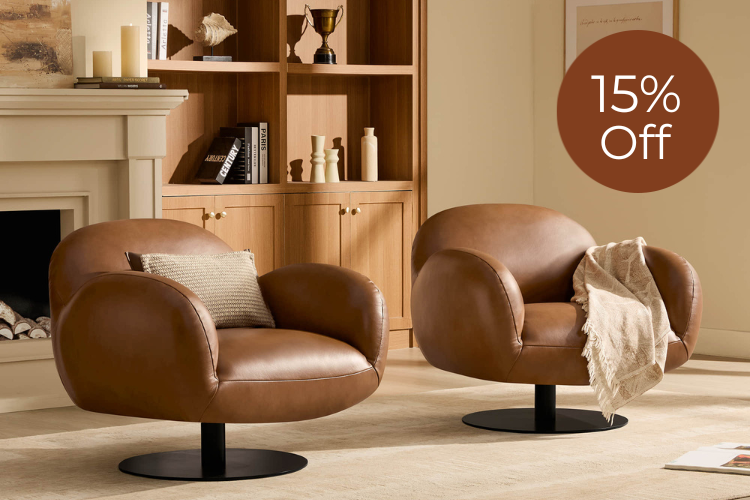
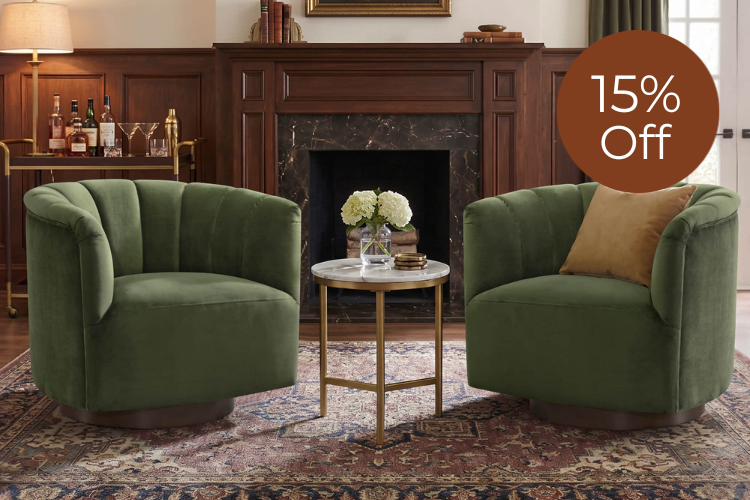
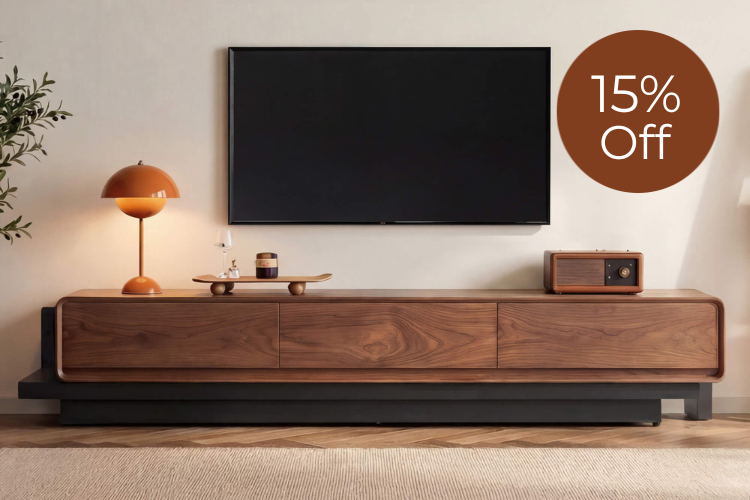


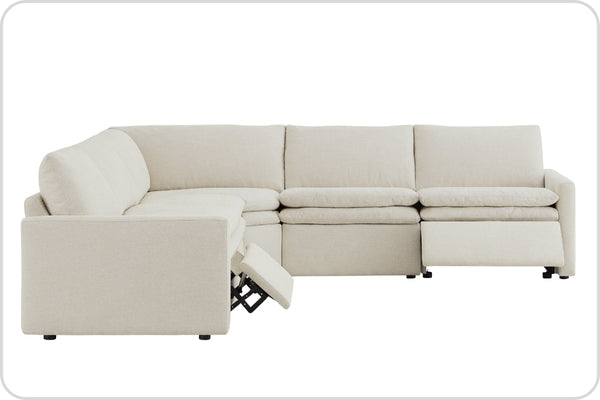











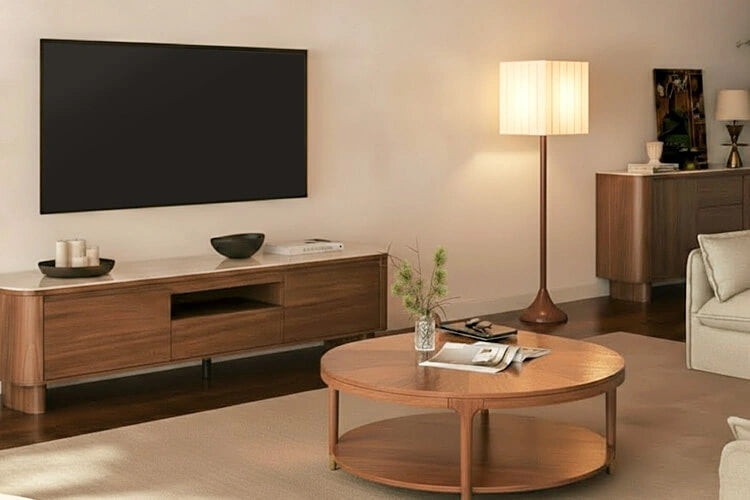


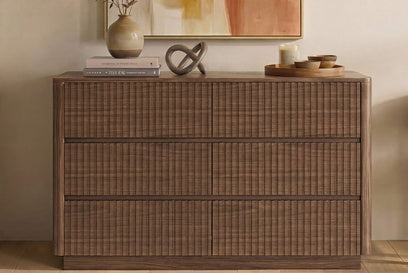
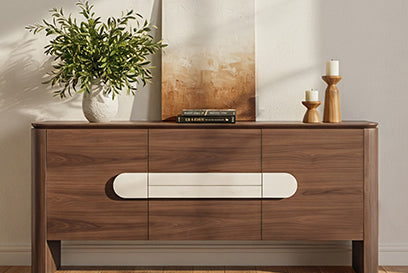









A credenza is usually a long, low storage piece with a flat top and enclosed storage. In everyday furniture shopping, the credenza meaning often overlaps with sideboard and buffet, so the label matters less than the room, the storage job, and the look you want.

What a Credenza Is
In plain US-English, a credenza is a low storage cabinet or storage table with a flat top and doors, drawers, or both. Retailers often use the word for pieces that feel furniture-like rather than purely utilitarian, which is why you may see it used for dining room, living room, or office storage.[^1]
That loose naming is the important part. A credenza is more about form and function than a fixed style rule, so two similar pieces can be labeled differently depending on where they are sold or how they are meant to be used. If you see a long, low piece with concealed storage and a usable top, you are probably looking at something credenza-like, even if the tag says sideboard or buffet.[^1]
If you want the quick history, the word credenza is often linked to trust or belief, but that detail is just a bit of context. For shopping, the practical definition is enough.[^2]
Where Credenzas Fit in the Home
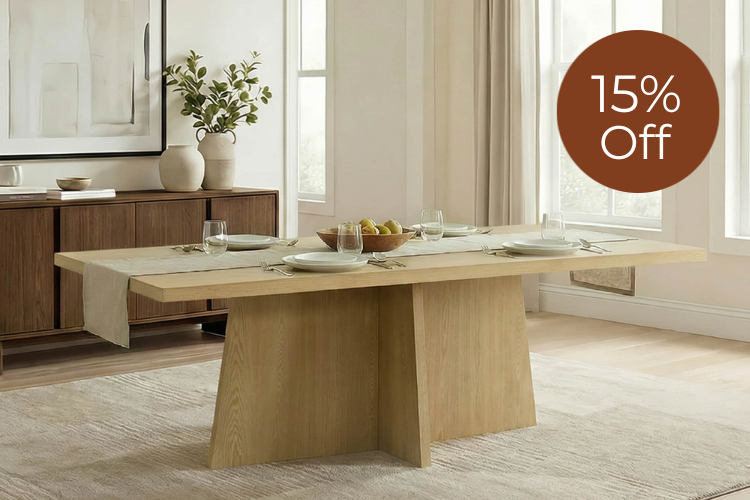
A credenza earns its keep when a room needs hidden storage and a surface that still feels intentional. In dining spaces, it can hold serveware, linens, candles, or seasonal table items, while the top gives you extra space for serving or staging. That is why dining-room shoppers often see buffet and sideboard used in the same conversation as credenza.[^3]
In living rooms and entryways, the same shape works more like a tidy landing zone. You can use the top for lamps, framed art, baskets, or a catchall tray, while the enclosed storage helps reduce visual clutter. The lower profile also makes the piece easier to place along a wall without dominating the room.
For home offices and media areas, a credenza is often chosen because it looks like furniture first and storage second. In those setups, shoppers commonly use it for files, supplies, or other everyday items they do not want out in the open.[^4] 
What a credenza solves is simple: it gives you storage, surface space, and a low visual profile in one piece. That makes it useful when a room needs order, but a tall cabinet would feel too heavy.
Credenza vs Sideboard vs Buffet
The easiest way to compare the three is by use, room context, and how loosely stores apply the label. The differences are real enough to help you shop, but they are not strict rules.[^5][^3]
| Term | Typical use | Common room | What shoppers should notice |
|---|---|---|---|
| Credenza | Low storage with a furniture-like look | Dining room, living room, office, media area | Usually a lower-profile piece with concealed storage and a flat top |
| Sideboard | Flexible storage and display | Dining room, living room, entryway | Often treated as the most versatile label of the three |
| Buffet | Serving-oriented storage | Dining room | Usually the most dining-focused label, especially for serving and staging |
In practice, a buffet is the term you are most likely to see when the piece is tied to dining and serving, while sideboard usually reads as more flexible. Credenza often lands in between, especially when the piece is low, long, and styled to blend into a room rather than look like a formal serving cabinet.[^3][^5]
A useful visual cue is the overall profile. Comparison sources often describe credenzas as lower and more floor-hugging than many sideboards or buffets, while buffets are more likely to feel formal or serving-focused.[^5][^6] But do not treat height or leg style as a universal rule. Similar pieces can still show up under different labels depending on the store.
If you are choosing between names, ask which label best matches the room job. For a dining room serving piece, buffet is often the clearest term. For flexible living-room or entry storage, sideboard may be the easiest search term. For a low, polished storage piece that could live in an office or media room, credenza is usually the best fit.[^5]
How to Tell Which Piece You Need
Before you get stuck on terminology, work through the room first:
- Decide what the piece must store. If you need serveware, linens, or dining items, a buffet-style search makes sense. If you need everyday clutter control or mixed storage, sideboard and credenza searches are usually broader.
- Check how the top will be used. If you want a serving surface, display zone, or lamp space, the piece needs a top that fits that job.
- Look at the wall and the visual weight. A long low piece can anchor a room without blocking sightlines, but it still needs enough wall length to breathe.
- Compare doors, drawers, and shelves, not just the name. Cabinet layout matters more than the label if you need hidden storage, adjustable shelves, or a specific internal split.
- Search with more than one term. Many shoppers find the right style faster by comparing credenza, sideboard, and buffet results together instead of assuming one word is the only correct one.[^7]
If you want a practical shopping shortcut, this is it: use the room job first, the label second, and the cabinet layout last. A piece can be called a buffet in one store and a credenza in another, so the tag should confirm your choice, not make it for you.
For readers who want a deeper look at the dining-room version of this decision, the sideboard vs. buffet guide is a useful follow-up. If you are choosing storage for a work area, the home office storage guide can help you think through layout and clutter control.
How to Choose the Right Label for Your Space
Use this quick check before you buy or describe the piece:
- If it is mainly for dining and serving, buffet is usually the clearest label.
- If it needs to work in more than one room, sideboard is often the broadest and safest search term.
- If it is low, polished, and meant to read like furniture first, credenza is usually the best fit.
- If the store label conflicts with the cabinet layout, trust the layout and use case first.
- If two names both seem to fit, search both. That is often the fastest way to find the right style.
The main takeaway is simple: what is a credenza? It is a low storage piece that overlaps with sideboards and buffets more than it separates cleanly from them. Shop by room, storage job, and visual profile, then use the label that best matches how the piece will actually live in your space.
FAQs
What Is the Difference Between a Credenza and a Sideboard?
A credenza is usually understood as a long, low storage piece with a flatter, more furniture-like profile, while a sideboard is often treated as the more flexible label. In real retail use, the two terms overlap a lot, so room fit and cabinet layout usually matter more than the name alone.[^1][^7]
Can a Credenza Be Used in a Dining Room?
Yes. A credenza can work well in a dining room if you want concealed storage and a surface for serving or staging. The term buffet may sound more dining-focused, but many stores and shoppers use these labels loosely for similar pieces.[^3]
What Makes a Piece More Likely to Be Called a Buffet?
Buffet is usually the dining-oriented label, especially when the piece is meant to support serving, staging, or tableware storage. If the same shape is placed in a living room or office, it may be labeled differently even if the furniture looks almost the same.[^3][^7]
How Do I Know If I Need a Credenza or a Console?
Choose a credenza if you need more enclosed storage and a cabinet-like feel. Choose a console if you mostly need a slimmer surface for display or a hallway spot with less storage. The biggest difference is usually depth and storage capacity, not just the name on the tag.
Why Do Furniture Stores Use Different Names for Similar Pieces?
Retail naming often follows how a piece is styled, where it is placed, and how the store wants shoppers to search for it. That is why a dining-room piece may be called a buffet in one listing and a sideboard or credenza in another.[^7]
Final Takeaway
A credenza is best understood as a low storage piece with a flat top and enclosed storage, not as a rigid category with one universal name. If you shop by room use, storage needs, and visual profile first, you will usually end up with the right piece even when the store uses a different label. When in doubt, compare credenza, sideboard, and buffet listings side by side, then choose the one that fits the space best.