






























Where Is Chita Living Furniture Made? What Buyers Should Know

CHITA furniture is not publicly traced to a named factory country on its main brand pages. What buyers can verify is narrower: the brand says products are warehoused in the U.S. and made by certified partners, while exact factory locations are not disclosed. That makes the core question, where is Chita furniture made, partly answered and partly still open.
Where Chita Furniture Is Made
The clearest answer is that CHITA does not publicly list a specific manufacturing country or factory address on its main About page. It says the brand uses U.S. warehouses and works with certified partners, but it stops short of naming the production site itself. For buyers, that means the verified claim is about warehousing and partner manufacturing, not a disclosed factory location.
That distinction matters. A furniture brand can have U.S. inventory, U.S. fulfillment, and still manufacture elsewhere. If you are comparing mid-market DTC brands, look for the exact wording on the product page and policy pages rather than assuming the warehouse location tells you where the piece was built. This is the first filter for transparency.
If a listing only says "in stock" or "ships from the U.S.," that does not answer the origin question by itself. A stronger listing tells you how the item is made, what materials are used, and whether the origin statement is tied to the specific model you want. CHITA's About Us page is useful for the brand's own framing, but it does not substitute for a named factory disclosure.
How the Factory-Direct Model Works
Factory-direct usually means the brand controls more of the path from production to customer than a reseller or marketplace seller does. In practice, that can reduce some handoffs, make product information more consistent, and keep the listing closer to the item the brand actually intends to sell.
That does not mean factory-direct automatically equals domestic manufacturing, better materials, or faster delivery. It only means the brand has a more direct relationship to sourcing and fulfillment than a loose marketplace model would. For buyers, that is helpful only if the listing is specific enough to verify materials, construction, and policy terms.
A direct model is strongest when the brand pairs its supply chain story with exact product-page details. If the page tells you the frame material, foam type, fabric type, and delivery method, you can judge the product on evidence instead of marketing tone. If it does not, the direct model may still be real, but the transparency is thinner than it looks.
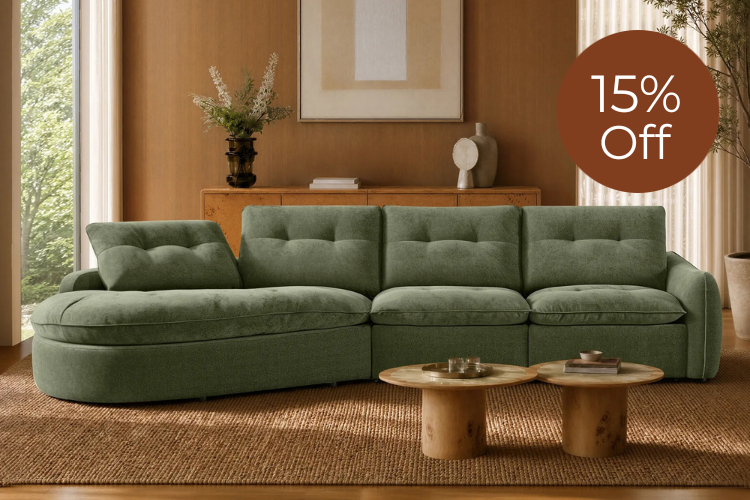
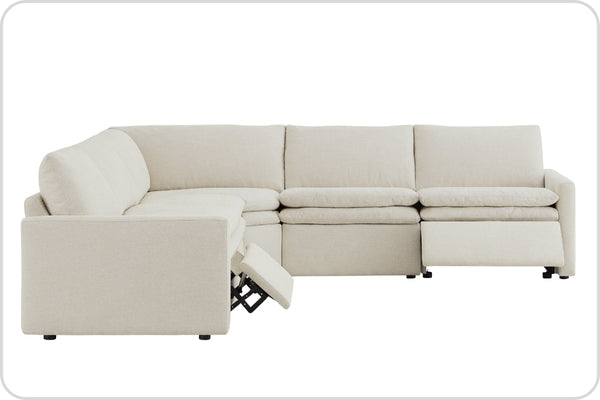
For shoppers comparing modular seating, a collection like Modular Sectional Sofas is a useful place to check how much detail the brand gives before checkout. If the same model family is described consistently across pages, that usually makes the sourcing story easier to evaluate.
Production Standards Buyers Can Actually Check
The practical way to judge production standards is to focus on what the brand lets you inspect without visiting a factory. The most useful signals are usually the materials list, construction language, and any certification references on the individual product page. CHITA's product and spec pages reference things like FSC wood, CertiPUR-US foam, and EPA TSCA Title VI compliance, which gives buyers more to work with than a vague "premium quality" claim.
Those labels do not prove every aspect of build quality, but they do tell you something important about the materials being used. For example, CertiPUR-US is a foam certification program, so it matters most if you care about what is inside the cushions rather than only the outer upholstery. The EPA's TSCA Title VI overview explains the formaldehyde-emission rules for composite wood products.
The other standards question is how the piece will behave once it arrives. Assembly complexity, packaging quality, and shipping damage risk all shape the ownership experience. A sofa can look excellent online and still become frustrating if setup is awkward, components are mispacked, or the delivery process is unclear. That is why the best product pages are the ones that answer the boring questions upfront.
If you want a deeper read on material and upholstery language, the brand's spec-sheet guide is a useful follow-up. It helps translate foam, fabric, and frame terms into a real buying decision instead of a spec dump.
How It Compares With Traditional Luxury Brands
Here is the simplest way to compare CHITA's model with traditional luxury retail: CHITA appears to offer a more direct buying path, while traditional luxury brands may offer more storefront handholding, but neither model automatically guarantees clearer origin disclosure.
| Comparison Point | CHITA-Style Direct Model | Traditional Luxury Retail |
|---|---|---|
| Origin transparency | Can be clear if the product page is specific, but the brand may still leave factory location unnamed | Can be clear or vague, depending on the brand and retailer |
| Supply-chain handoffs | Usually fewer visible middle steps | Often more layers between manufacturer, distributor, and showroom |
| Pricing logic | Often aims to reduce retail markup and emphasize direct fulfillment | Often includes showroom, retail, or distributor overhead |
| What buyers should verify | Materials, construction, shipping, and policy terms on the exact listing | Same checks, plus retailer-specific return and delivery rules |
| What not to assume | Direct model does not mean domestic production | Luxury price does not guarantee better disclosure |
The takeaway is not that one model is always better. It is that price and prestige are poor shortcuts for transparency. If the direct model gives you stronger product-page detail, that may be enough for your decision. If you need named factory locations, a more open-source brand may suit you better.
A helpful comparison point is CHITA's broader mid-market positioning. The brand's designer sourcing playbook shows how a direct model can be used for spec verification and timeline control, which is useful context if you are evaluating value rather than showroom prestige.
Buyer Checks Before You Add to Cart
Before you order, use a short verification routine instead of relying on brand tone alone. If any one of these checks fails, the item may still be fine, but it is a weaker fit for a buyer who cares about transparency.
- Confirm the exact product page language for materials, assembly, and delivery method.
- Check whether shipping, returns, and warranty terms fit your risk tolerance.
- Compare the listed specs with your room size, use case, and durability expectations.
- Look for wording that separates warehouse fulfillment from manufacturing origin.
- Save screenshots of the listing details before checkout so you can compare them later.
That checklist matters most for larger items like sectionals and recliners, where delivery frustration is often what turns a promising purchase into regret. If a product page is detailed and the policies are clear, the risk is lower. If the origin story is vague and the policies are hard to find, the product may still be attractive, but your confidence should be lower.
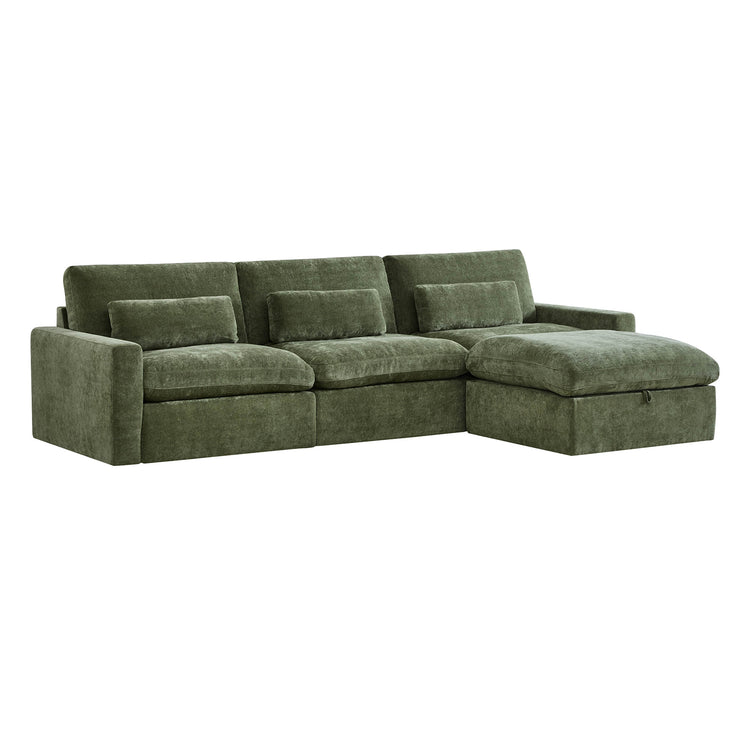
For browsing, the High-end Furniture collection is a straightforward way to see how the brand presents its upper-end range. If you prefer a modular layout, the Maisie 6-seat Modular Sofa with Storage Ottoman is one model worth checking for listing detail, while the Haley Buttery-Soft 3-Seat Modular Power Reclining Sofa with Power Headrests is a useful example of how the brand presents power seating information.
CHITA Origin Transparency: What The Brand States vs. What Buyers Still Verify
| Scenario | Warehoused in U.S. | Designed and manufactured by certified partners | Factory locations named on brand pages | Certifications listed on product pages | Brand-wide country-of-origin claim |
|---|---|---|---|---|---|
| Publicly stated | Yes | Partial | No | Yes | No |
| Still needs verification | No | Yes | Yes | No | Yes |
Related Resources
Explore these targeted guides to deepen your checks on materials, sourcing, and long-term ownership before you decide where is Chita furniture made fits your needs:
- Decoding Upholstery Standards: The 2026 Guide to Performance Fabric Durability
- CHITA Signature Edition
- Best Sellers
FAQs
Q1. How Can I Verify Where Chita Furniture Is Made?
Start with the product page, About Us page, and any shipping or policy notes that mention fulfillment. That helps you separate warehouse location from manufacturing origin. If the listing does not name a factory country or address, treat the origin as undisclosed rather than assumed.
Q2. What Does Factory-Direct Mean for Furniture Buyers?
Factory-direct usually means fewer intermediaries between the maker and the shopper. It can improve consistency and reduce markup, but it does not guarantee domestic production, higher durability, or faster delivery. The product page still needs to do the heavy lifting.
Q3. Can a Brand Be Transparent Without Naming Every Factory?
Yes, but only to a point. A brand can still be helpful if it clearly lists materials, construction details, and policy terms. If you need full supply-chain visibility, though, unnamed partner manufacturing is still a real gap.
Q4. What Should I Check Before Ordering a Chita Sofa?
Check dimensions, materials, assembly effort, shipping method, return terms, and warranty coverage. For larger sofas, the real question is not just fit in the room, but fit in your tolerance for delivery friction and setup time.
Q5. Does U.S. Warehousing Mean the Furniture Was Made in the U.S.?
No. Warehousing only tells you where inventory is stored or shipped from. It does not identify the manufacturing country. If a brand wants to make that point clearly, it should say so on the specific listing or policy page.
What Buyers Should Take Away
If you came here asking where is Chita furniture made, the safest answer is that CHITA does not publicly name a factory country or address on its main pages. What it does disclose is U.S. warehousing, partner manufacturing, and product-page certifications. That is useful, but not the same as full origin transparency. For buyers, the deciding question is whether that level of disclosure is enough for your comfort. Always cross-check the exact model page for the clearest signals before purchase.
Recommended Products




More to Read
 7 Sofa Trends That Actually Improve Comfort in 2026
Upgrade your living room with furniture that supports your body. Here are 7 modern sofa features designed to maximize your daily comfort...
7 Sofa Trends That Actually Improve Comfort in 2026
Upgrade your living room with furniture that supports your body. Here are 7 modern sofa features designed to maximize your daily comfort...
 Mother's Day Gift Guide: Cozy and Stylish Furniture Picks for Modern Moms
Make Mother's Day more meaningful with furniture gifts that bring comfort, smart features, storage, and quiet luxury into her everyday routine.
Mother's Day Gift Guide: Cozy and Stylish Furniture Picks for Modern Moms
Make Mother's Day more meaningful with furniture gifts that bring comfort, smart features, storage, and quiet luxury into her everyday routine.
 Performance Fabric Reality Check: Does It Really Repel Pet Hair and Stains?
Performance fabric is often marketed as a miracle solution for homes with pets and kids, but the reality is more nuanced. It...
Performance Fabric Reality Check: Does It Really Repel Pet Hair and Stains?
Performance fabric is often marketed as a miracle solution for homes with pets and kids, but the reality is more nuanced. It...