






















The 2026 Modular Expansion Playbook: Scaling Your Living Space from Studio to Estate

The 'Forever Home' Strategy: Why Modular Seating Expansion Wins in 2026
The disposable furniture trap occurs when a high-quality static sofa no longer fits your next home or family size, leaving you with expensive disposal fees and the hassle of starting over. Urban renters often face narrow hallways and no freight elevators, while growing families discover their loveseat cannot accommodate multi-generational gatherings. In both cases, the 20% restocking fee many retailers charge on large returns turns a seemingly sensible purchase into a costly mistake.
Modular seating expansion changes this equation. You begin with a compact system and add compatible pieces later, reconfiguring without structural renovation. This reduces waste compared with the buy-and-toss cycle and treats furniture as long-term infrastructure. The 2026 mindset shifts from shopping for a single item to building a scaling platform that adapts across decades.
However, modular systems are not automatically "forever" solutions. They require active planning around connector compatibility, fabric batches, and layout math. Renters in particular should verify building rules on large deliveries and cardboard disposal before committing. When these factors align, modular expansion offers one of the strongest paths to a true forever-home seating setup.

From Studio to Estate: A Step-by-Step Guide to Modular Seating Expansion
A modular expansion path typically unfolds in three phases that match changing square footage and lifestyle needs.

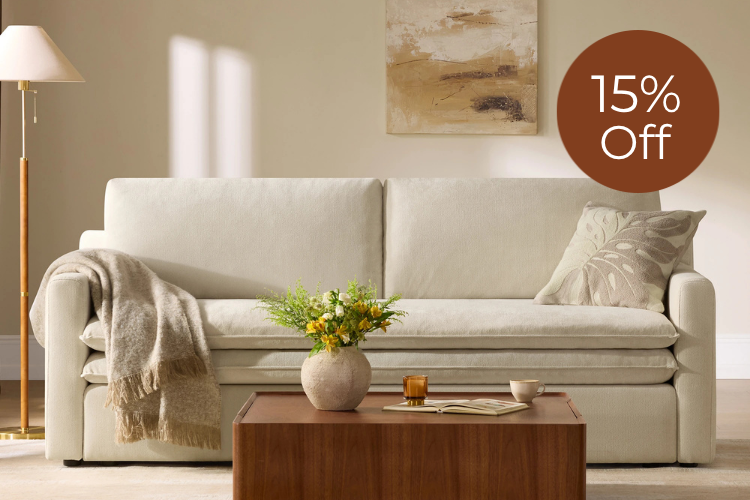
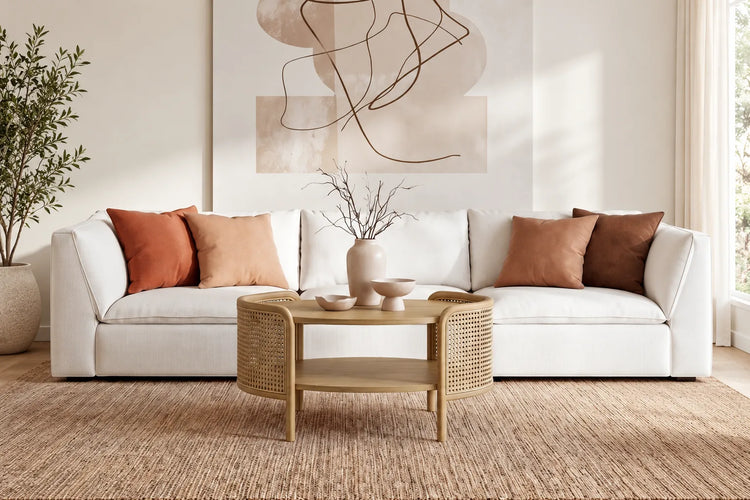
In the studio starter phase, focus on narrow, lightweight pieces that maneuver through tight spaces. A Delaney 2-Seat Modular Sofa works well here because its compact footprint fits small living rooms while offering future add-on potential. Renters appreciate the ease of moving individual modules rather than wrestling a single oversized sofa.
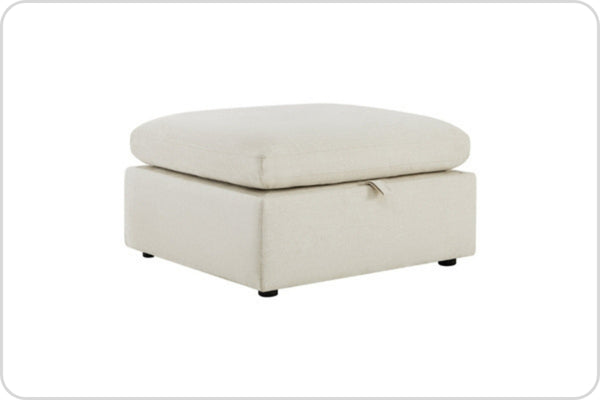
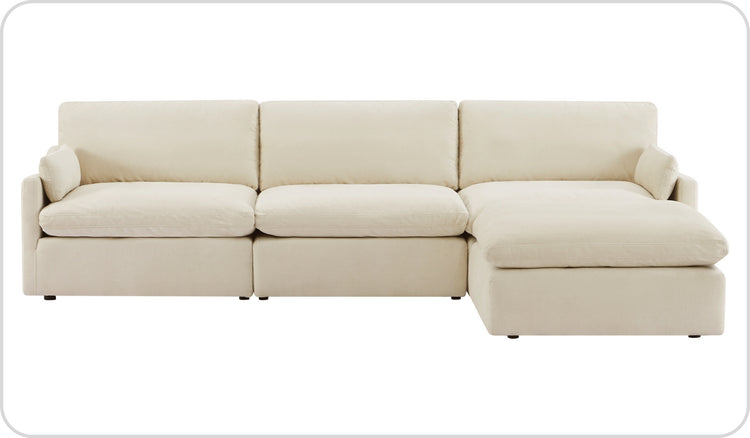
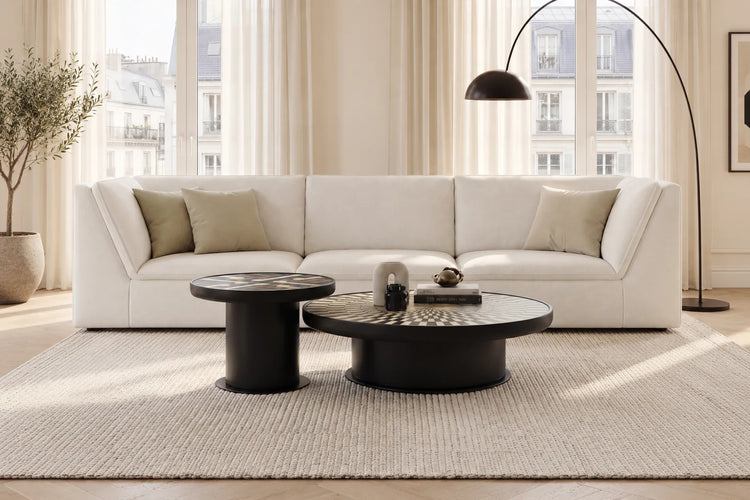
The suburban upgrade phase often involves reconfiguring that starter into an L-shaped sectional to create a family-friendly layout. Adding a chaise or corner piece turns the original loveseat into a practical gathering spot. Many families at this stage choose collections like Delaney Modular Sofas because the consistent frame heights allow seamless expansion.
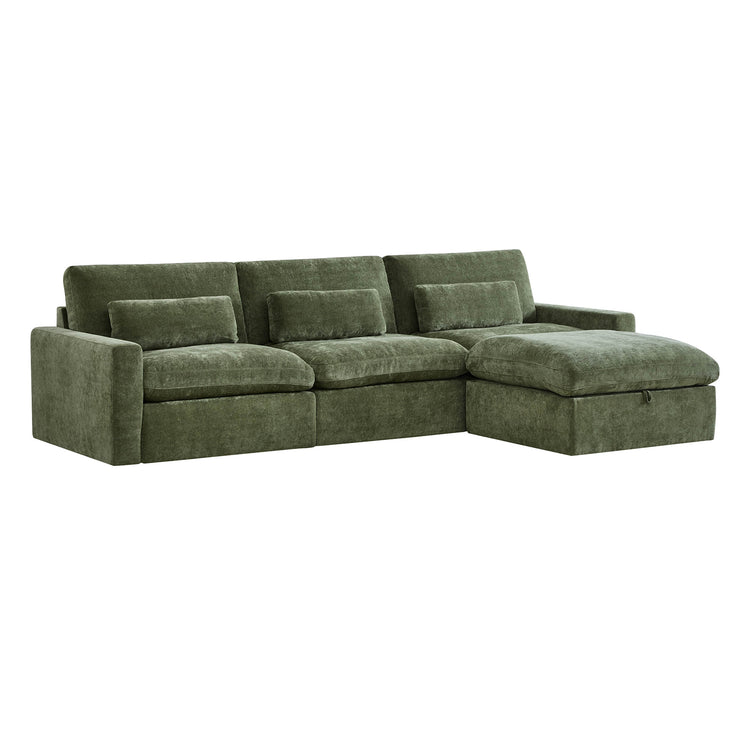
The estate masterpiece phase scales further into U-shaped pits or multi-zone arrangements. A Miller 6-Piece Modular Sofa, U Shape & Pit Chaise Sectional or Jonathan Modern Cozy Chenille 6-seat Modular Sofa with Hidden Storage can define distinct lounging, media, and conversation areas within open floor plans. At this scale, the system becomes architectural furniture that anchors the room.
Throughout these phases, expect real-world friction. The cardboard mountain from multiple module deliveries can overwhelm small apartments, and discontinued pieces may block future expansion. Checking collection continuity early helps avoid these regrets.
The Spatial Math of Scaling: How to Calculate Your Module Count
Room size determines how many modules your layout can support before it feels cramped. While every floor plan is unique, we recommend using these experience-based ranges to plan your expansion.
The Calculation Formula
To estimate how many modules will fit along a primary wall, use this simple formula: [Wall Length - (Required Clearance × 2)] ÷ Module Width = Maximum Modules
Example: If you have a 150-inch wall and want to maintain a standard 30-inch clearance on both sides for walkways: (150" - 60") ÷ 35" (average module width) = 2.57 modules. In this scenario, a 2-seat sofa with a small side table is the optimal fit.
Common Reference Rules
- The 2/3 Proportion: A common design reference suggests a sofa should span roughly two-thirds of the wall it faces. This keeps the piece from dominating a small room or "floating" in a large one. As this Apartment Therapy guide to the two-thirds rule explains, the guideline helps furniture feel anchored.
- The 30-36 Inch Clearance: For primary traffic paths, aim for a 30–36 inch clearance. In tighter urban apartments, you might squeeze this to 24–28 inches, but daily comfort usually suffers.
- The Estate Zone: In large open-concept rooms, you can comfortably scale to 8–10 modules by creating secondary circulation paths (24 inches) between modular clusters.
Note: Always verify your specific brand's module dimensions, as "standard" widths can vary between 30 and 42 inches.
Technical Compatibility: What Must Match for a Successful Add-On
Not all modular pieces are "plug and play." To ensure your expansion is structurally sound and visually seamless, use this compatibility checklist before adding new modules to an existing set.
| Feature | Compatibility Requirement | Why It Matters |
|---|---|---|
| Connector System | Must Match | Alligator clips or slide-locks must align vertically and horizontally to prevent "sofa drifting." |
| Frame Height | Must Match | Even a 1-inch difference creates a visible "step" in the backrest and can cause structural strain on connectors. |
| Seat Depth | Must Match | Mismatched depths create uneven leg support and break the clean lines of the sectional. |
| Fabric Batch | High Risk | Dye lots vary by production date. New modules may look slightly brighter or darker than older ones. |
| Power Modules | Check Clearance | Power recliners require "wall-hugger" specs or extra rear clearance that static modules don't need. |
Many systems, such as the Delaney Modular Sofas, maintain consistent engineering across the line to ensure a chaise added in year three sits flush with a sofa bought in year one.
The Aesthetic Challenge: Managing Fabric and Wear Over Time
Fabric dye lots—production batches dyed at the same time—introduce visible risk when expanding years later. Subtle shifts in humidity, temperature, or dye age can make new modules look slightly different from older ones.
This StitchDesk article on upholstery fabric order mistakes details why reordering the identical fabric later often produces noticeable variation. To minimize mismatch:
- Order core modules together: Buy the primary seating block at once.
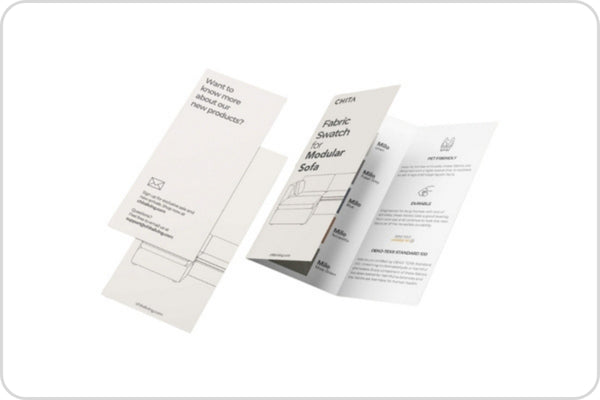
- Request annual swatches: Track if the current fabric offering has shifted before you buy an add-on.
- Rotate modules: If your layout allows, periodically swap the positions of older and newer modules to even out sunlight exposure and cushion compression.
The "slouch trap" is another factor. Over years, original modules may compress more than newer ones. Planning for occasional fluffing or insert replacement helps preserve a cohesive appearance across the entire system.
Scaling for Luxury: Designing Sprawling Pit Sectionals
At the estate scale, modular systems move beyond basic seating into architectural elements. A six-piece or larger pit configuration, such as the Miller 6-Piece Modular Sofa, U Shape & Pit Chaise Sectional, creates an immersive environment. These deep, low profiles suit multi-generational households because consistent seat heights accommodate both toddlers and seniors.
In open-concept homes, the "back-to-back" technique lets you position two modular units against each other to form a physical divider. One side faces a fireplace while the other faces a media wall. The Designer's Secret: Using Modular Systems for a Bespoke Aesthetic shows how strategic anchoring produces high-end results.
Frequently Asked Questions
Can I add modules from different collections without structural issues?
Generally, no. Frame heights, seat depths, and connector placements vary significantly between collections. Mixing lines often creates uneven joints or unstable connections. Stick to a single collection for reliable expansion. If you must combine pieces, request detailed spec sheets to compare the "deck height" and connector locations.
How often should I tighten modular connectors?
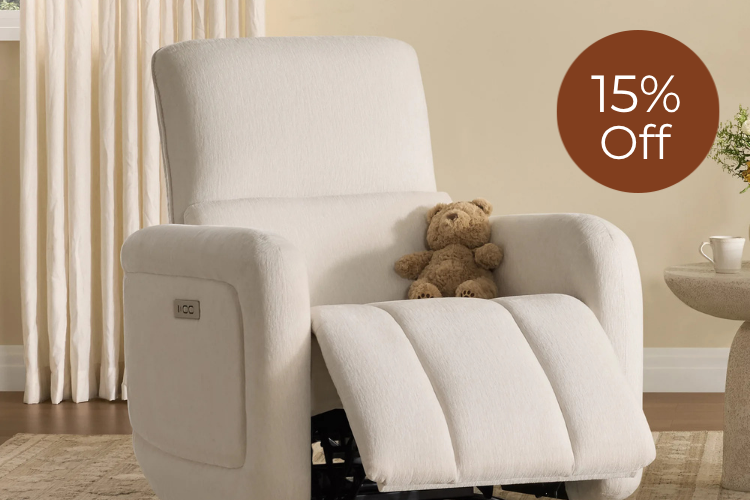
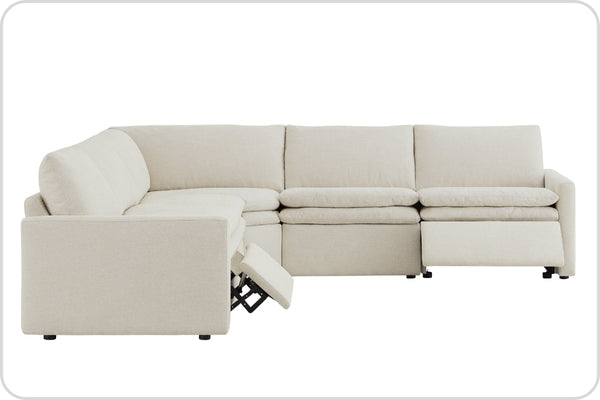
A common reference is to inspect and tighten alligator clips or slide-locks every 12 months, or whenever you notice "gapping" between seats. Power reclining modules, such as the Haley Modular Power Reclining Sofa, may need checks every 6–9 months because motor torque can accelerate hardware loosening.
What should I do if my fabric color no longer matches current production?
If a new module arrives with a slight dye-lot variation, try placing it in a corner or at the end of a run where lighting changes naturally. You can also use coordinating throw pillows or a sheepskin rug to bridge the visual gap between old and new sections.
How many modules can I safely add before a room feels overcrowded?
This depends entirely on your square footage and traffic flow. As a rule of thumb, if your primary walkways drop below 28–30 inches, you have reached the limit for that room. Always mock the layout with painter’s tape on the floor before purchasing additional pieces to ensure you haven't blocked natural movement.
Does modular expansion work well for homes with pets?
Yes, provided you select performance fabrics. However, be aware that pets often favor one specific "spot," which can lead to uneven wear compared to a brand-new add-on module. Regular cushion rotation is essential in pet-friendly modular homes.
Recommended Products

More to Read
 7 Sofa Trends That Actually Improve Comfort in 2026
Upgrade your living room with furniture that supports your body. Here are 7 modern sofa features designed to maximize your daily comfort...
7 Sofa Trends That Actually Improve Comfort in 2026
Upgrade your living room with furniture that supports your body. Here are 7 modern sofa features designed to maximize your daily comfort...
 Mother's Day Gift Guide: Cozy and Stylish Furniture Picks for Modern Moms
Make Mother's Day more meaningful with furniture gifts that bring comfort, smart features, storage, and quiet luxury into her everyday routine.
Mother's Day Gift Guide: Cozy and Stylish Furniture Picks for Modern Moms
Make Mother's Day more meaningful with furniture gifts that bring comfort, smart features, storage, and quiet luxury into her everyday routine.
 Performance Fabric Reality Check: Does It Really Repel Pet Hair and Stains?
Performance fabric is often marketed as a miracle solution for homes with pets and kids, but the reality is more nuanced. It...
Performance Fabric Reality Check: Does It Really Repel Pet Hair and Stains?
Performance fabric is often marketed as a miracle solution for homes with pets and kids, but the reality is more nuanced. It...