













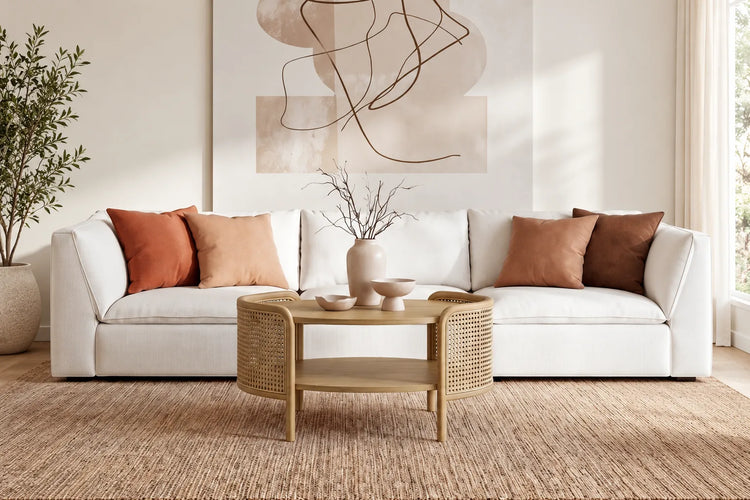
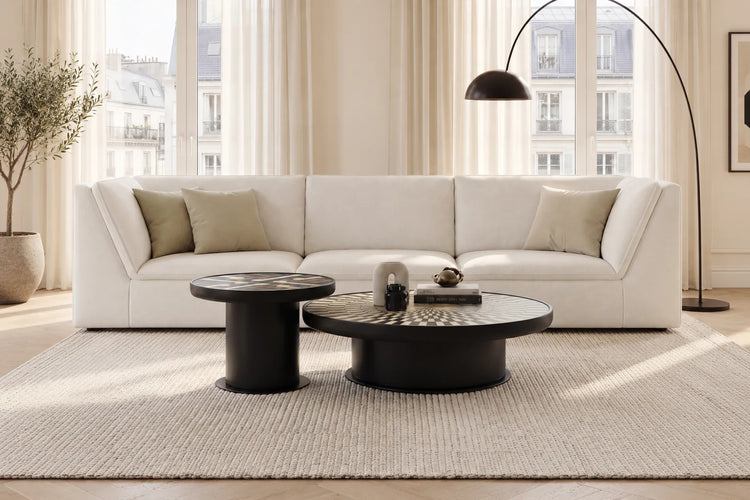
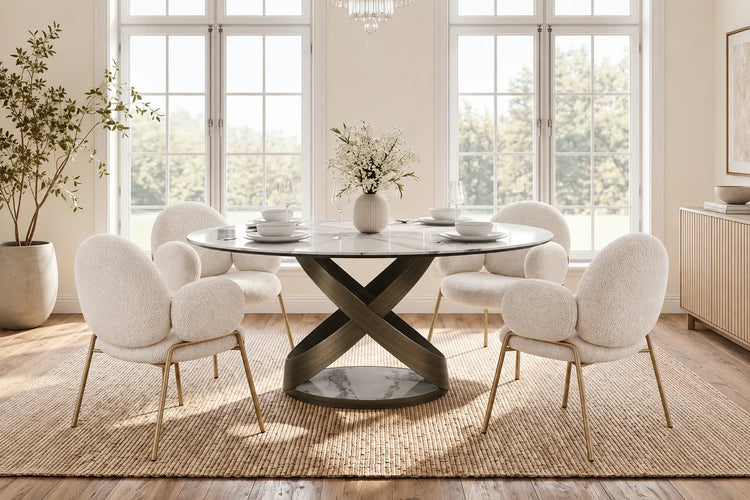
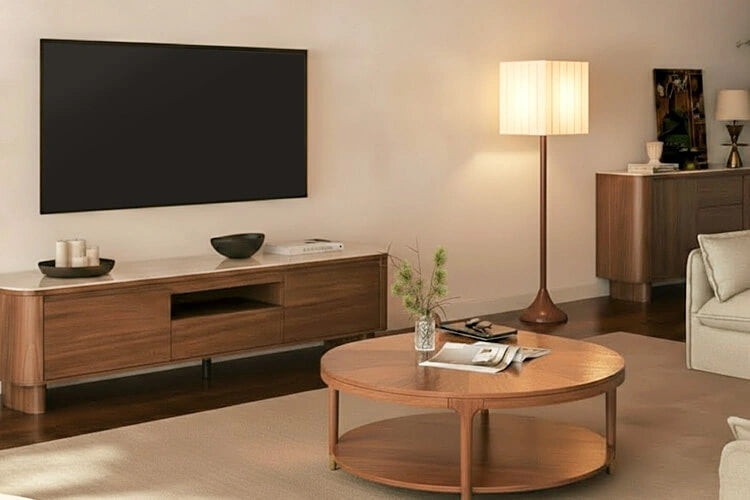


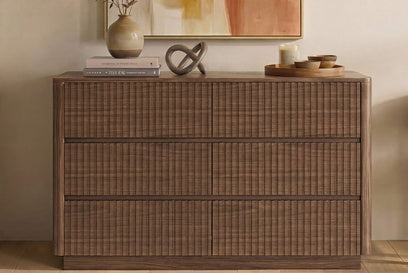
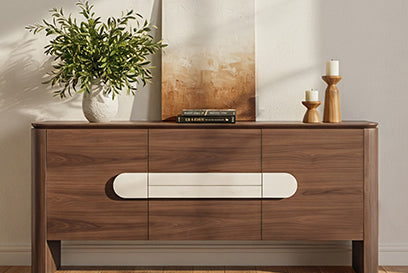








Modern sideboards deliver hidden organization that keeps open-concept homes visually calm while still providing practical storage for everyday items across living and dining zones. The key is choosing a piece that prioritizes fit and circulation over pure capacity so the cabinet supports the room instead of competing with it.

Why Hidden Storage Matters In Open-Concept Homes
Open-concept layouts expose every surface across living and dining areas, which makes visible clutter feel more pronounced. According to a Graphic Guide To Residential Space Planning, open-concept layouts work better when you define distinct zones for living, dining, and storage. Sideboards serve this role effectively by acting as subtle boundaries while concealing items that would otherwise disrupt the shared sightlines.
Research on home environments also shows that keeping visible rooms minimally cluttered helps shared spaces feel calmer and more intentional (Home sweet home? Home physical environment and ...). In practical terms, this means using closed storage furniture for open-concept homes to hide high-frequency items such as remotes, board games, blankets, and serving pieces. The result is a room that supports multiple uses without looking busy.
This approach goes beyond generic decluttering. It treats storage as part of the architectural plan, helping renters and homeowners maintain a minimalist aesthetic even when the same wall serves dining, living, and occasional entry functions. When the sideboard blends into the background, the space itself feels larger and more purposeful.
What Can A Modern Sideboard Store?
A modern sideboard works best for items that are useful yet visually noisy. In the living room, this often includes board games, remotes, extra throws, and small decor that would otherwise accumulate on open surfaces. In the dining area, it stores tableware, serving dishes, linens, and seasonal entertaining pieces that benefit from being close at hand but out of sight.
Multifunctional furniture with hidden storage can help a living room stay useful without looking busy, as noted in practical decluttering resources (IDEAS TO DECLUTTER YOUR HOME). The guiding rule is to store items you need frequently but prefer hidden: shared, frequently used, and visually distracting objects. This keeps the open-concept flow clean across zones.
Avoid turning the sideboard into a catch-all cabinet. When mixed-use household items have a clear home inside, the piece supports intentional organization rather than hiding overflow. Closed storage furniture for open-concept homes performs best when it holds the everyday objects that tend to pile up in shared sightlines, not random household clutter.
Many homeowners also link to our guide on Sideboard vs. Buffet: What's the Real Difference? (2026 Guide) to clarify which height and depth profile best matches their storage goals.
How Do You Choose The Right Sideboard Size And Layout?
Fit must come before finish in open-concept homes. Measure wall length, cabinet depth, door swing or drawer pull clearance, and the main walking path together before buying. A beautiful sideboard becomes a problem if it narrows the primary route between living and dining areas.
The AARP HomeFit Guide and manufacturer guidance both emphasize checking walkway and depth so the piece fits without crowding the room. In open plans, circulation clarity is the first filter. Even a compact modern storage furniture for open-concept home can feel oversized if it interrupts traffic flow or blocks natural movement between zones.
Use this chart to visualize how clearance needs shift across room types and traffic levels. It maps conservative fit tiers rather than exact inch rules, helping you see when a sideboard supports the layout versus when it creates congestion.
Sideboard Fit by Open-Concept Clearance Tier
Use this to compare whether a sideboard feels appropriate as circulation gets tighter or more open.
View chart data
| Category | Tight fit | Practical fit | Comfortable fit |
|---|---|---|---|
| Compact room | 1.0 | 0.0 | 0.0 |
| Standard room | 0.0 | 1.0 | 0.0 |
| Open-concept path | 0.0 | 1.0 | 0.0 |
| High-traffic path | 0.0 | 0.0 | 1.0 |
Built from planner guidance on sideboard depth bands and clearance tiers, with room-fit mapped to the most conservative walkway requirement in each scenario.
Capacity still matters, but usable volume per inch of depth usually delivers more value than sheer visual bulk. In smaller apartments or multi-use walls, favor pieces that preserve floor space while still delivering concealed organization. Our Selecting Furniture Colors That Work Well In An Open-Plan Space: Tips & Tricks offers additional perspective on how color and scale influence perceived openness.
Which Storage Features Matter Most Inside The Cabinet?
Interior layout should match the items you actually store. Drawers work well for small loose objects such as remotes, game pieces, candles, and charging cables because they reduce rummaging and keep the front of the cabinet tidy. Doors paired with shelves suit bulkier items like blankets, serving platters, tableware, and seasonal linens because they accommodate greater volume and hide visual clutter from multiple angles.
Adjustable shelves provide the most flexibility when one cabinet serves both living-room overflow and dining needs. A mixed configuration often proves ideal for open-concept homes: a few drawers for quick-grab items, open or door-covered shelving for larger objects, and at least one adjustable bay for rotating seasonal storage.
These choices prevent the sideboard from becoming a catch-all. When internal features align with real usage patterns, the cabinet stays organized and supports the minimalist aesthetic instead of hiding disarray. Many of our modern sideboards, such as the 58" Hudson Mid-century Arc-Shaped Sideboard and 70" Bowen Fluted Wood Sideboard, incorporate adjustable shelves and soft-close mechanisms that make this mixed layout practical.

How Do You Style A Sideboard Without Making The Room Feel Heavier?
Finish, silhouette, and contrast determine whether a sideboard blends into the open plan or draws unwanted attention. Restrained colors that coordinate with the room’s architecture usually keep the piece visually quiet. Curved, fluted, or rounded profiles can soften the overall feel, but only when the overall scale remains appropriate for the space.
In larger open-concept rooms, a slightly more sculptural form may help anchor a zone. In smaller or narrower layouts, the same presence can make the room feel congested. The safest minimalist storage cabinet for living room tends to favor low visual weight: clean lines, neutral or light finishes, and enough restraint that the cabinet supports the room rather than becoming its focal point.
When a room already contains strong furniture shapes or limited floor area, choose quieter profiles and finishes. This prevents the sideboard from competing with the open flow. Our The Power of Minimalism: How Minimalist Design Can Transform Your Home explores related principles for keeping storage intentional rather than decorative.
How Do You Decide If A Sideboard Is Right For Your Space?
Run a short fit-first checklist before focusing on style. Confirm that the chosen sideboard leaves adequate circulation after accounting for depth, door swing, pulls, and chair clearance. Verify that the interior layout matches your actual item types rather than generic storage volume. Finally, assess whether the finish and silhouette will remain visually quiet from the main living and dining vantage points.
A sideboard is the right choice when it hides your real everyday clutter without blocking movement or adding visual weight. It becomes the wrong choice when it crowds the primary path, lacks usable internal organization, or creates a new focal point that fights the minimalist intent. In those cases, a different scale, layout, or even an alternative storage solution may serve the open-concept home better.
Shoppers often find strong options among our Storage Bestseller collection or explore versatile new designs in Storage New Arrivals. The best modern sideboard storage solution ultimately supports how you live in the space rather than simply matching a mood board.
Frequently Asked Questions
How much clearance should I leave around a sideboard in an open-concept room? Leave enough space for comfortable passage after the cabinet depth, open doors or extended drawers, and any dining chairs are considered. In high-traffic paths, prioritize at least 36–48 inches of clear walkway; in lower-traffic zones, 24–36 inches often suffices. Always test the layout with tape on the floor before purchasing.
Are drawers or shelves better inside a minimalist sideboard? Drawers excel for small, loose items that you access often, while adjustable shelves behind doors handle bulkier objects such as serving pieces or folded blankets. A mixed layout usually provides the most practical balance for open-concept homes that serve multiple zones.
Can a sideboard replace a buffet in a small open dining area? Yes, provided the height and depth fit the available wall and leave adequate circulation. Many modern sideboards offer comparable storage capacity in a lower profile that integrates more quietly with living-room furniture. Check our Sideboard vs. Buffet guide for detailed height and function comparisons.
How do I keep a sideboard from looking too heavy in a minimalist space? Choose lighter or neutral finishes, curved or fluted silhouettes, and restrained scale. Avoid high-contrast dark pieces against light walls if the room is compact. The goal is for the cabinet to recede visually so that the hidden storage benefit remains the primary contribution to the room.
What items should I avoid storing in a sideboard? Skip oversized appliances, rarely used bulk holiday décor, or items that belong in climate-controlled closets. Reserve the sideboard for frequently accessed, moderately sized household goods that benefit from being close to living or dining activity without remaining on display.
Recommended Products

More to Read
 7 Sofa Trends That Actually Improve Comfort in 2026
Upgrade your living room with furniture that supports your body. Here are 7 modern sofa features designed to maximize your daily comfort...
7 Sofa Trends That Actually Improve Comfort in 2026
Upgrade your living room with furniture that supports your body. Here are 7 modern sofa features designed to maximize your daily comfort...
 Mother's Day Gift Guide: Cozy and Stylish Furniture Picks for Modern Moms
Make Mother's Day more meaningful with furniture gifts that bring comfort, smart features, storage, and quiet luxury into her everyday routine.
Mother's Day Gift Guide: Cozy and Stylish Furniture Picks for Modern Moms
Make Mother's Day more meaningful with furniture gifts that bring comfort, smart features, storage, and quiet luxury into her everyday routine.
 Performance Fabric Reality Check: Does It Really Repel Pet Hair and Stains?
Performance fabric is often marketed as a miracle solution for homes with pets and kids, but the reality is more nuanced. It...
Performance Fabric Reality Check: Does It Really Repel Pet Hair and Stains?
Performance fabric is often marketed as a miracle solution for homes with pets and kids, but the reality is more nuanced. It...