








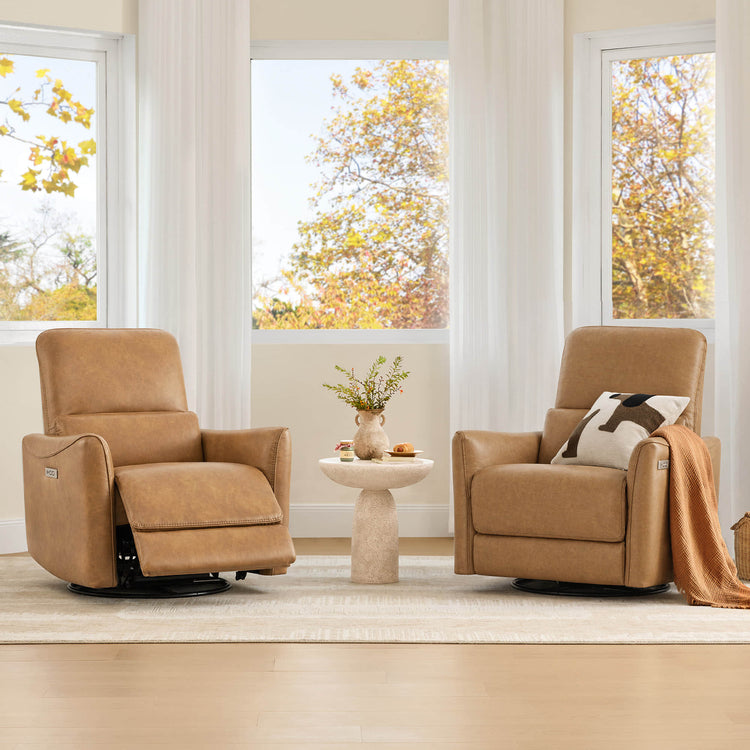
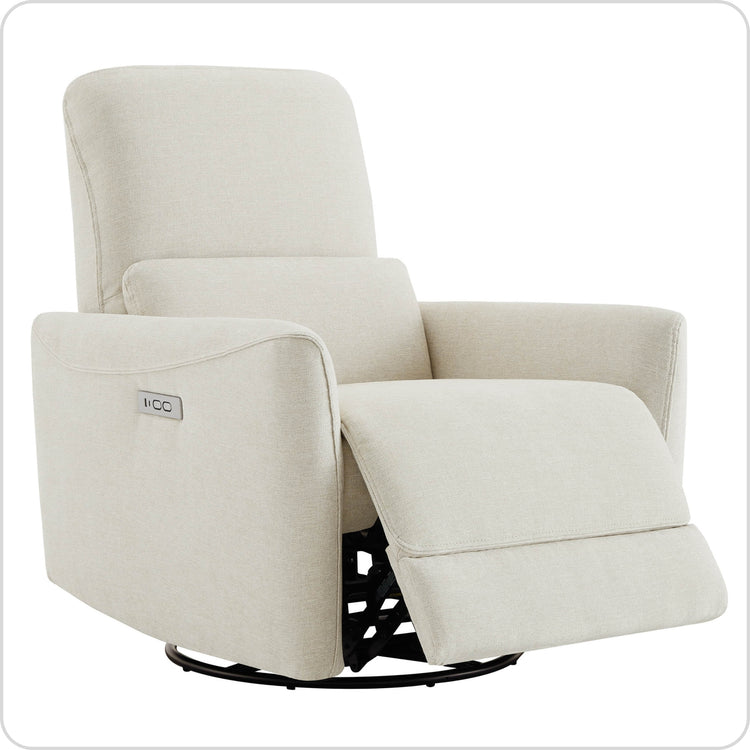
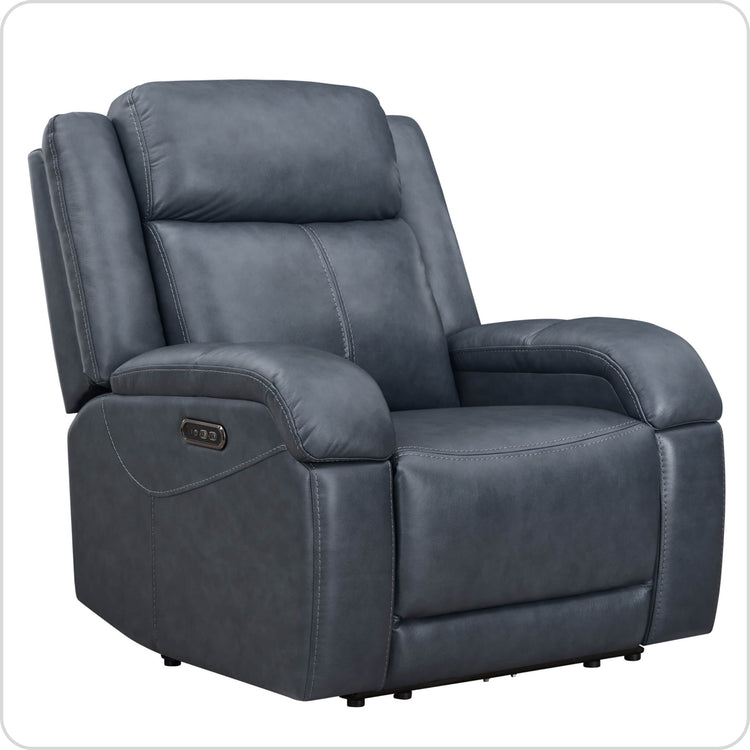
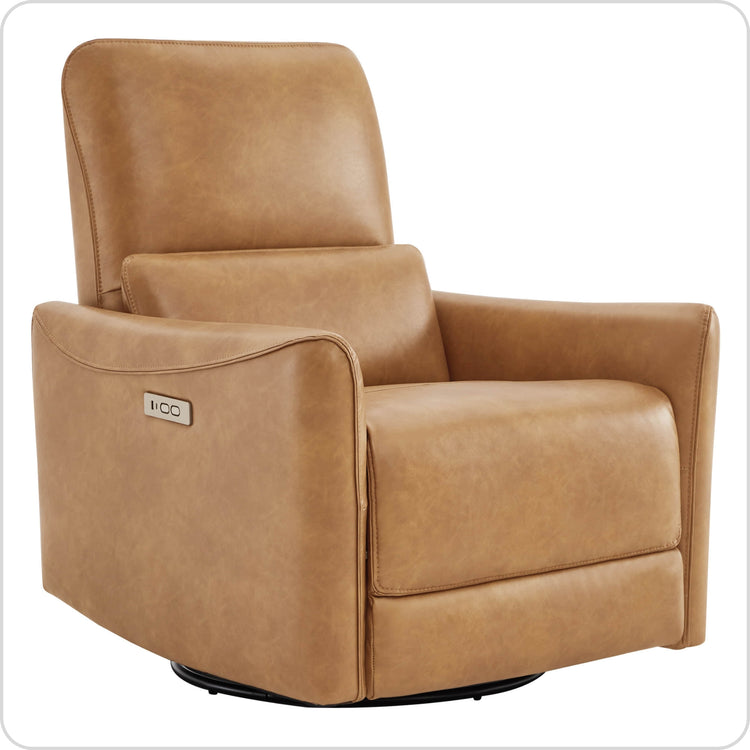
















Why Modular Power Reclining Sectionals Matter in 2026
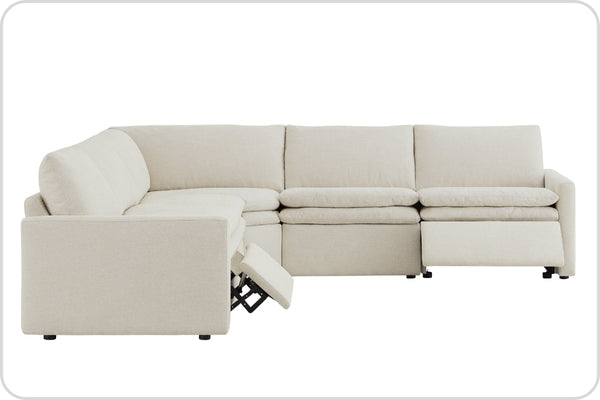
Living spaces in 2026 continue to trend toward multifunctional, high-density environments. For apartment dwellers and homeowners with open-plan layouts, the modular power reclining sectional has become a primary solution for balancing footprint with premium comfort. Unlike traditional fixed-frame sofas, modular systems allow you to scale seating up or down, making them a sustainable choice for transitional living.
The current market emphasizes "engineered comfort"—a shift toward quiet, dual-motor systems and integrated tech like USB-C charging and hidden storage. However, the complexity of these pieces means that "one size fits all" is a myth. Success in a small space depends on precise measurement and a clear understanding of how mechanical clearances affect room flow.
Pre-Purchase Checklist: The "Will It Fit and Work?" Audit
Before browsing styles, use this checklist to verify the technical feasibility of a power sectional in your home.
- Delivery Path Clearance: Measure the narrowest point of your entry (doorway, hallway, or elevator). Most modular boxes require a minimum of 30 inches of width.
- The "Wall-Hugger" Reality Check: Identify if the model is a "wall-hugger" (forward-gliding) or a standard recliner. Standard units often require 10–12 inches of rear clearance, while wall-huggers typically need 5–8 inches.
- Power Source Proximity: Power recliners require a standard outlet. Check if your preferred layout places the power cord across a high-traffic walkway, which may require a rug cover or floor outlet.
- Module Connector Type: Look for "all-metal" or "heavy-duty" connectors. In modular setups, the stability of the entire sectional depends on these points to prevent "drifting" on hard floors.
- Port Compatibility: If you use modern devices, verify the console modules include USB-C or Type-C ports, as many older-spec models only offer USB-A.
Measuring for Room Fit and Delivery in Small Living Rooms
A common mistake is measuring only the assembled dimensions of the sofa. For apartments, the "delivery path" is often the ultimate constraint. Even compact modular pieces arrive in large, heavy boxes designed to protect the internal motors.
As this Ashley Furniture delivery complaint resource illustrates, overlooking the clearance needed for maneuvering boxes through tight turns can lead to failed deliveries. We recommend a minimum 30-inch clearance for all doorways.
The Clearance Decision Rule
To determine if a model fits your layout, apply these thresholds:
- Rear Clearance (Wall to Backrest): Allow 5 to 12 inches. While "wall-hugger" designs minimize this, they are rarely "zero-clearance." The seat glides forward, but the headrest still needs a small arc of space to tilt back.
- Front Clearance (Footrest Extension): Measure from the edge of the seat to the nearest obstacle (like a coffee table). You typically need 20–25 inches of open space for the footrest to deploy fully without hitting furniture.

Evaluating Motor Noise and Mechanical Stability
For apartment living, motor noise is more than a nuisance—it can be a disturbance in quiet environments. While no power recliner is completely silent, the "quality of sound" is a key indicator of build integrity.
- Dual-Motor Systems: These allow independent control of the headrest and footrest. They generally offer smoother, more controlled movement, which can reduce the "grinding" sound often found in single-motor, high-tension mechanisms.
- Decibel Expectations: High-spec motors are designed for low-decibel operation. If a unit creaks or pops during the initial test, it may indicate a frame alignment issue rather than a motor defect.
- Stability: Modular pieces can shift over time. Prioritize models with weighted bases or robust interlocking brackets to ensure the sectional feels like a single, solid unit during operation.
Hidden Features: Mapping Utility to Your Lifestyle
Modern modular sectionals often serve as a "tech hub" for the living room. However, these features are usually tied to specific "console" modules rather than being universal across all seats.
- Storage Consoles: Ideal for hiding remotes and charging cables. Some 2026 models include deep-well storage that can accommodate tablets or small laptops.
- Charging Ports: Availability varies. Always confirm the mix of USB-A and USB-C. If you plan to use the sectional for "work-from-sofa" sessions, ensure the ports are located in the console or the side-arm of your primary seat.
- Power Headrests: This is a high-value feature for ergonomic support while watching TV in a reclined position. It prevents neck strain by allowing you to tilt your head forward while your body is reclined.

Choosing the Right Configuration for Apartments
Modular reclining sofas excel in apartments because they can be tailored to awkward "long and narrow" rooms or tight corners.
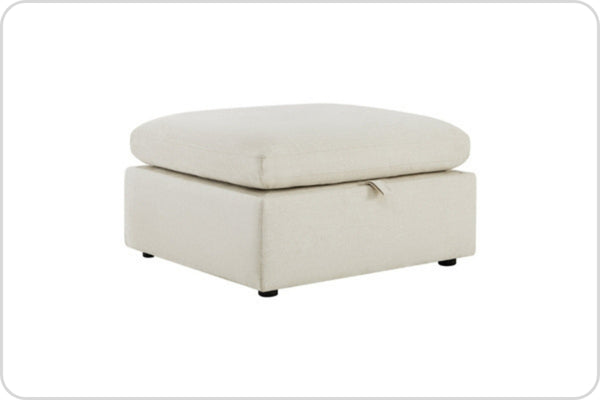
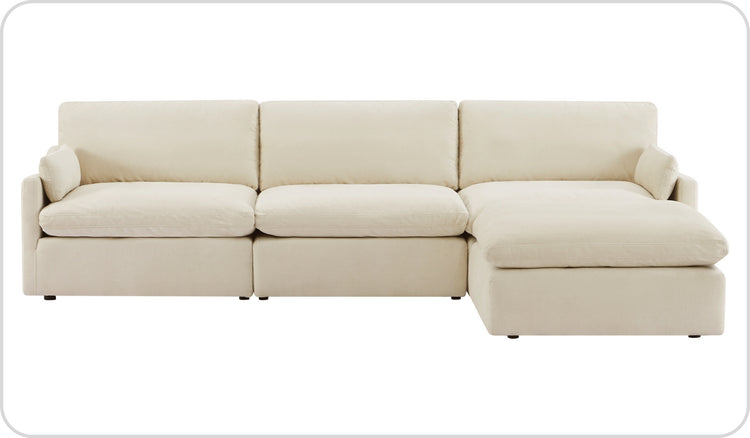
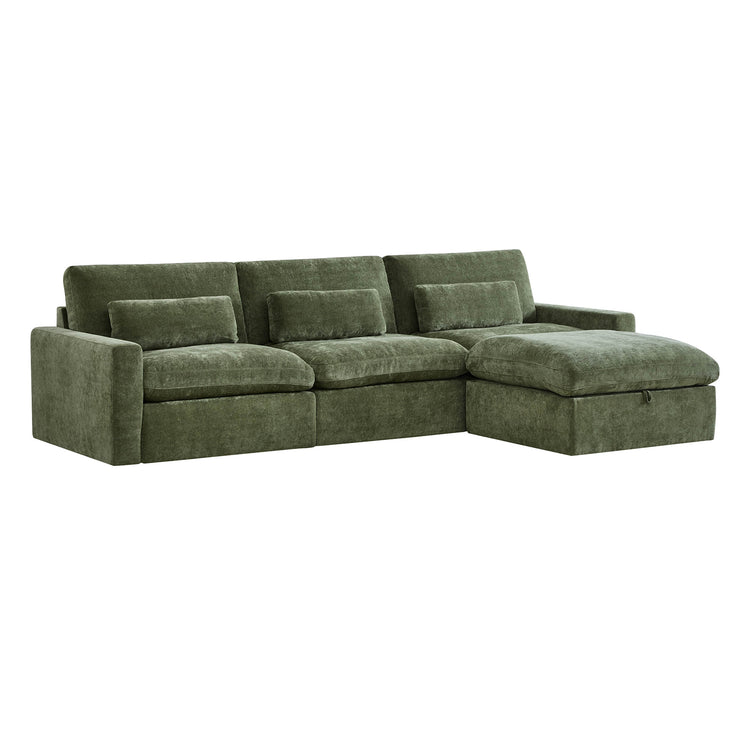
- The L-Shape (Chaise + Recliner): Best for corner placement. It provides a lounging area without requiring the mechanical clearance of a second recliner.
- The Linear 3-Seater: Ideal for narrow rooms. Placing a console in the middle provides "armrest equity" and storage for two people.
- The U-Shape: Generally reserved for larger open-plan apartments. It creates a defined "room within a room."
Consider future-proofing your purchase. While modular designs allow you to add pieces later, matching fabric dye lots and motor specs can be difficult after a year or two. It is often more cost-effective to buy the full configuration upfront.
Our modular sectional sofas collection includes several power reclining options suited for apartments. For layout inspiration, see our small space sofas guide.
Materials and Build Quality for Long-Term Comfort
The durability of a power sectional is a combination of upholstery strength and frame rigidity.
- Performance Fabrics: Look for high Martindale or Wyzenbeek ratings (30,000+ rubs) if you have pets or children. Our guide on decoding upholstery standards provides a deep dive into these metrics.
- Frame Construction: Kiln-dried hardwoods or reinforced steel frames are essential for power units. The added weight of the motors puts more stress on the frame than a standard sofa.
Feature Versus Price: A Decision Matrix
When comparing models, use this heuristic to determine where to invest your budget. Generally, prioritizing the "Core Mechanics" (motors and frame) yields higher long-term satisfaction than chasing "Add-ons" (like ambient lighting or heated seats).
Tradeoffs in Modular Power Reclining Sectionals
Heuristic tradeoff map for typical modular power reclining sectional configurations
View chart data
| Series | Wall Clearance (lower is better) | Noise (lower is better) | Storage/USB Presence | Price Tier (lower is better) |
|---|---|---|---|---|
| Small-space configuration | 3.0 | 3.0 | 3.0 | 2.0 |
| Standard configuration | 2.0 | 2.0 | 2.0 | 3.0 |
Note: This matrix is for planning guidance. Actual performance and feature sets vary by manufacturer and specific model configuration.
Final Steps: Configuring Your Setup
- Audit Your Outlets: Ensure you have a power source within 4–6 feet of the sectional's motor location.
- Verify Connector Quality: If shopping in person, check that the modules don't "wiggle" when joined.
- Test the Recline Path: Physically move the unit to its maximum recline to confirm it doesn't hit the wall.
Explore our Haley modular power reclining sofa for a compact, feature-rich example, or the Ohana zero gravity options for maximum ergonomic support. For more on space-saving tech, visit our wall hugger recliners guide.
FAQs
How much clearance is actually required behind a "wall-hugger"? While often marketed as "zero-clearance," most wall-huggers require 5 to 8 inches of space to allow the headrest to tilt and the backrest to clear the wall during the gliding motion.
Are power recliners too noisy for shared-wall apartments? High-quality dual-motor systems are generally quiet enough (similar to a low hum) that they won't disturb neighbors. However, placing the sectional directly against a shared thin wall may vibrate slightly; using a thick rug underneath can dampen this.
Can I add a console module to any modular sectional? No. Consoles must be compatible with the specific interlocking system and power harness of the base model. Always check if the series you are buying is "expandable."
What happens if the power goes out while I'm reclined? Many modern power recliners include a battery backup option or a manual emergency release. If your area is prone to outages, look for models with "battery pack compatibility."
How do I prevent modular pieces from sliding apart on wood floors? Ensure the interlocking brackets are fully engaged. If sliding persists, use non-slip furniture pads or a large area rug to "anchor" the modules in place.
This article discusses comfort and setup considerations for modular power reclining sectionals. It does not constitute medical advice. Furniture comfort varies by individual and room conditions. Consult professionals for persistent discomfort or existing conditions.
Recommended Products

More to Read
 7 Sofa Trends That Actually Improve Comfort in 2026
Upgrade your living room with furniture that supports your body. Here are 7 modern sofa features designed to maximize your daily comfort...
7 Sofa Trends That Actually Improve Comfort in 2026
Upgrade your living room with furniture that supports your body. Here are 7 modern sofa features designed to maximize your daily comfort...
 Mother's Day Gift Guide: Cozy and Stylish Furniture Picks for Modern Moms
Make Mother's Day more meaningful with furniture gifts that bring comfort, smart features, storage, and quiet luxury into her everyday routine.
Mother's Day Gift Guide: Cozy and Stylish Furniture Picks for Modern Moms
Make Mother's Day more meaningful with furniture gifts that bring comfort, smart features, storage, and quiet luxury into her everyday routine.
 Performance Fabric Reality Check: Does It Really Repel Pet Hair and Stains?
Performance fabric is often marketed as a miracle solution for homes with pets and kids, but the reality is more nuanced. It...
Performance Fabric Reality Check: Does It Really Repel Pet Hair and Stains?
Performance fabric is often marketed as a miracle solution for homes with pets and kids, but the reality is more nuanced. It...