














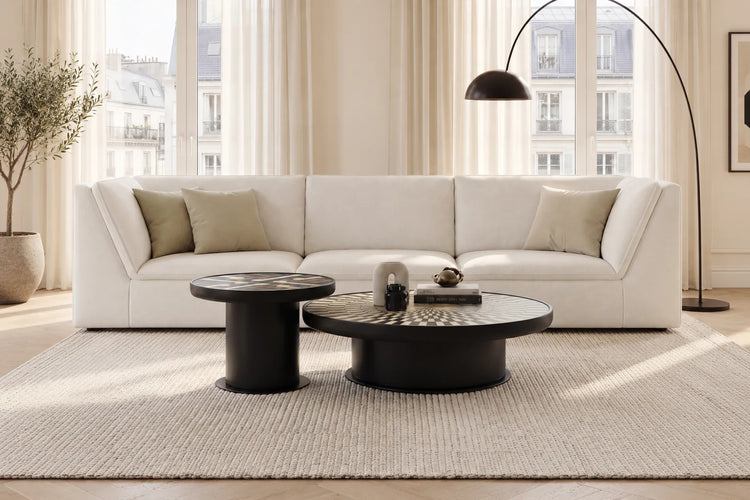


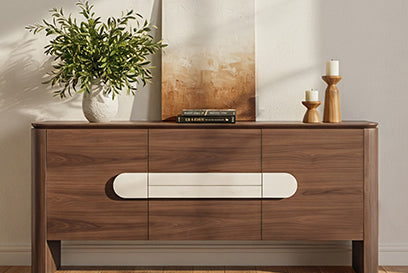









The smartest way to arrange a recliner, sofa, and TV stand is to measure your seated viewing distance first, then place the TV stand on the best wall, position the sofa for comfortable sightlines, and finally add the recliner where it supports both viewing and conversation without blocking traffic. This order prevents common mistakes like cramped walkways or awkward neck angles that make the room feel uncomfortable every day.

Why the Order of Placement Matters in Living Room Arrangement
Starting with the TV stand and viewing distance sets the foundation for everything else. A common rule of thumb is to start by measuring the seated viewing distance first, then choose the TV size and placement around that distance. This approach, drawn from practical consumer guidance, helps you avoid buying or positioning a screen that forces everyone to sit too close or too far.
Once the TV stand location is fixed, bring in the sofa as the main seating anchor. Furniture placement should protect circulation paths so people can move through the room without weaving around large pieces. Placing the largest pieces first, then adding smaller accents, creates a practical flow that works in real homes rather than just on paper.
Recliners come last because their full recline footprint and swivel range can change how much clearance you actually need. In small rooms especially, test the recliner position after the sofa and TV stand are set so you do not accidentally block the main walkway.
Key Spacing Rules and TV Viewing Distance Guide
Comfortable layouts depend on three practical checks: viewing distance, recliner clearance, and walkway width. There is no single perfect TV distance for every room; the ideal setup depends on screen size, seating distance, and the viewing angle you can comfortably hold.

Use these conservative guidelines as judgment boundaries rather than strict formulas:
- Sofa-to-TV distance: Match the distance to your TV size and resolution so the screen fills your view without strain. Start from seated eye level and adjust the TV stand position accordingly.
- Recliner clearance: Standard recliners often need 10 to 14 inches behind them to open fully, especially non-wall-hugger models. Always allow extra space in front of the footrest so people can walk past safely.
- Traffic paths: Keep primary walkways at least 30 to 36 inches wide. If anyone must turn sideways or step over furniture, the layout is too tight.
These rules help balance TV viewing comfort with everyday movement. Furniture should be arranged around the room’s primary use, with seating positioned for TV viewing when that is the main activity.
Modeled layout priorities and spacing ranges by room shape
Heuristic comparison for planning only; ranges reflect layout order, viewing-distance bands, and circulation priority across room shapes.
View chart data
| Category | Viewing distance range | Circulation priority | Rear clearance need | TV stand flexibility |
|---|---|---|---|---|
| Narrow rectangular | 5.0 | 5.0 | 4.0 | 3.0 |
| Square | 6.0 | 4.0 | 4.0 | 5.0 |
| Open-concept | 7.0 | 3.0 | 4.0 | 6.0 |
Modeled from provided viewpoint-insighter modules (constraint-first filter, scenario matrix, threshold table, reverse recommendation), writer evidence (viewing distance first, preserve paths, open-plan zoning), and research memory noting a typical 10-14 in rear clearance allowance for recliners in compact layouts. Values are illustrative comparison scores and relative bands, not measured room specs.
How to Arrange Living Room With Recliner in Different Room Shapes
Room shape changes the best placement sequence. In narrow rectangular rooms, place the TV stand on the short wall so the sofa can face it directly across the longer dimension. Keep the recliner on the side or in a corner where it does not pinch the walkway. This preserves both viewing angles and traffic flow.
Square rooms give more flexibility. Anchor with the sofa against one wall, center the TV stand opposite, and angle the recliner slightly toward the conversation zone. This setup works well when the room serves both streaming and socializing.
In open-concept living room layout, treat the sofa, recliner, and TV stand as a defined zone rather than pushing pieces against every wall. Group them to create soft boundaries while leaving clear routes around the seating area. A wall hugger recliner often performs best here because it needs less rear space and can sit closer to traffic paths.
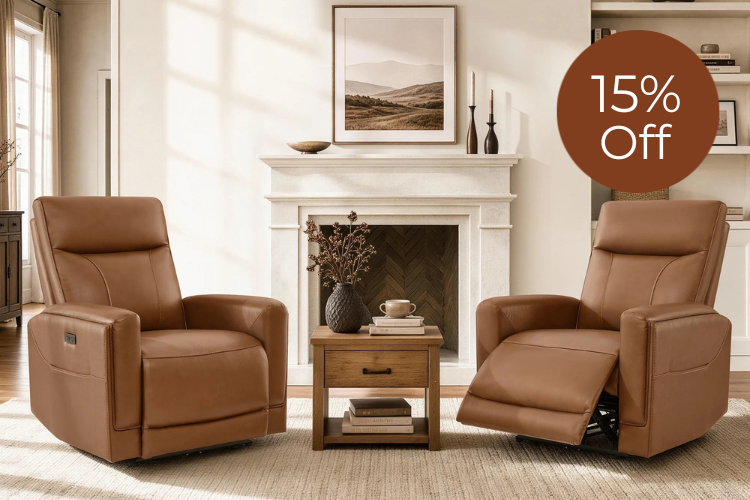
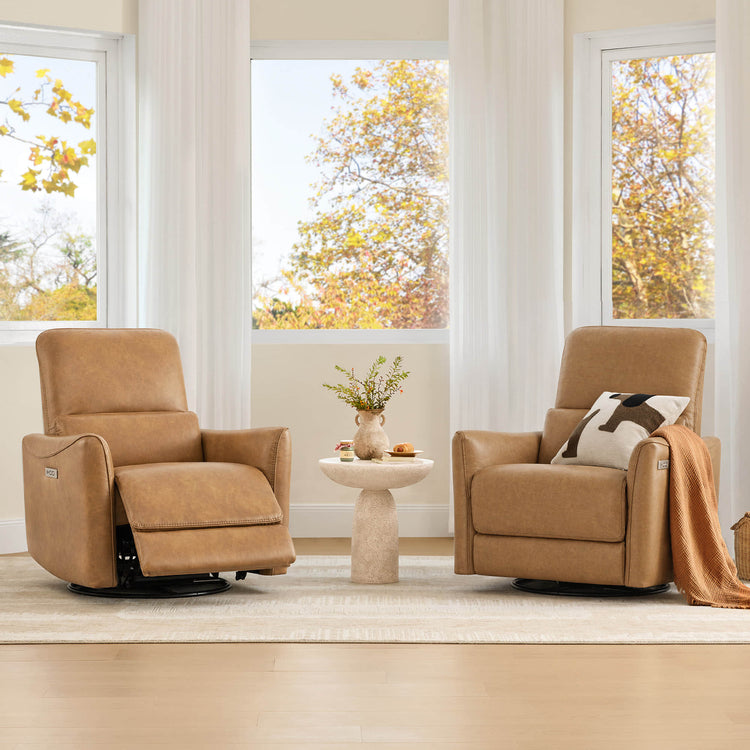
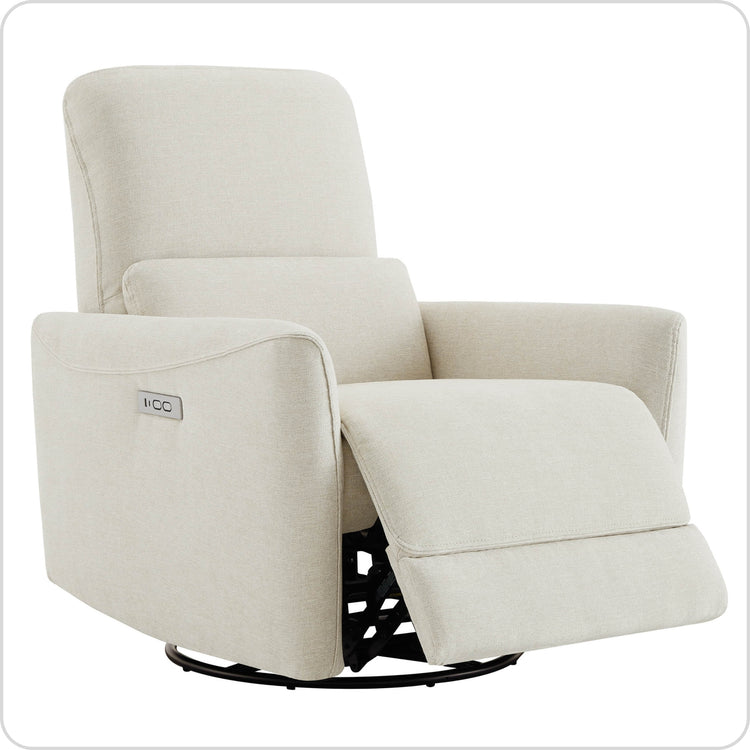
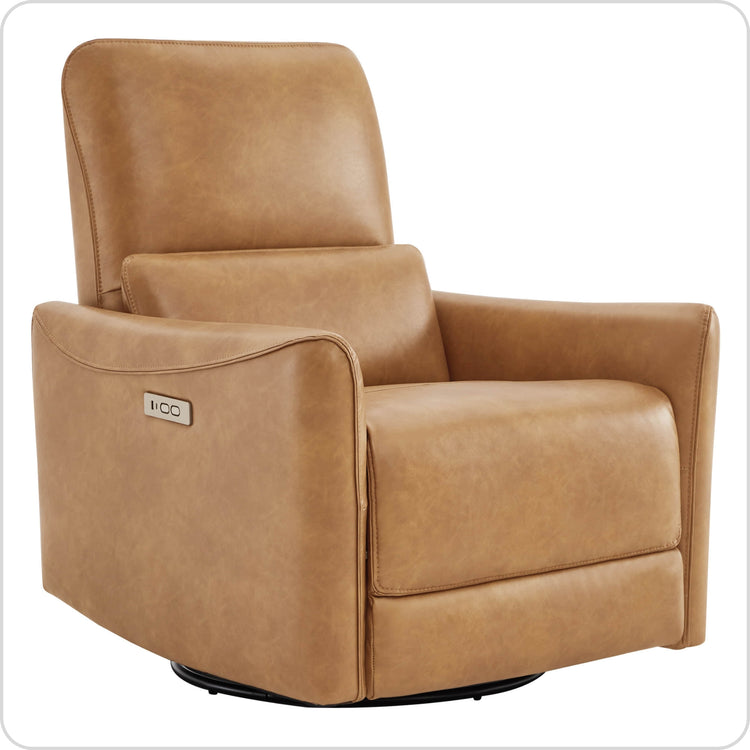
For small living rooms, every inch counts. Choose compact pieces and test the full recline before final placement. Our Keni Wall Hugger Power Recliner with Power Headrest is designed exactly for these tight footprints.
Placing the Recliner for Conversation and Smooth Traffic Flow
The recliner should support conversation without becoming an obstacle. Position it at an angle to the sofa so users can talk comfortably while still seeing the TV with a slight turn of the head. This arrangement maintains social flow even during streaming.
Always leave enough clearance for the footrest to extend fully and for someone to walk past without bumping it. In high-traffic areas, a zero-clearance or wall-hugger model reduces the risk of blocked paths. As a sanity check, borrow accessible-design thinking and keep routes clear enough that people can pass without squeezing past furniture.
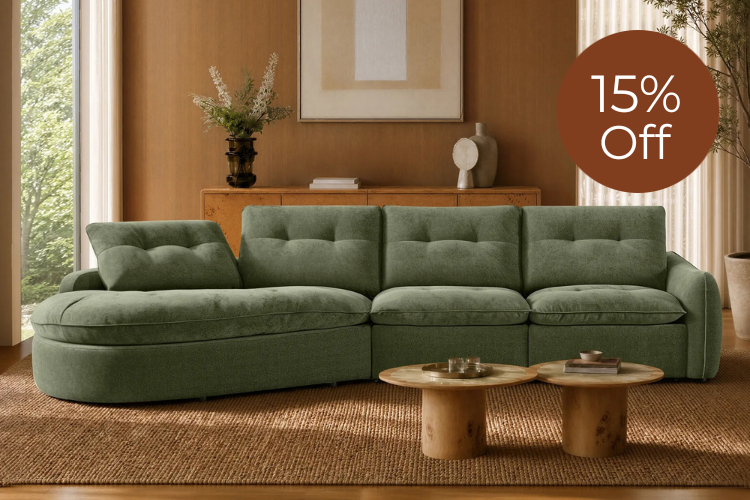
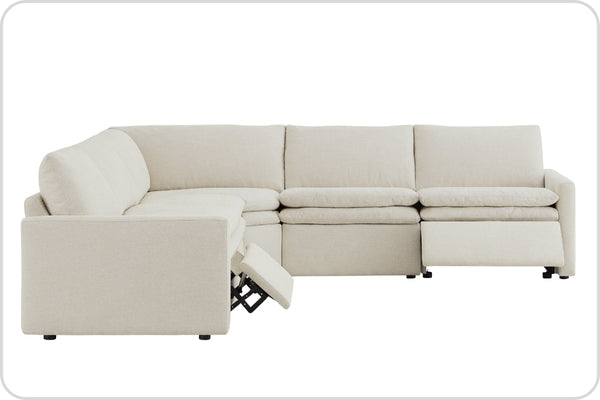
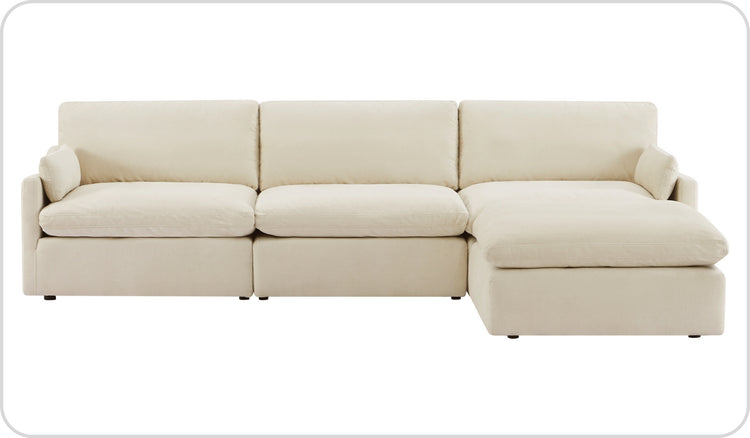
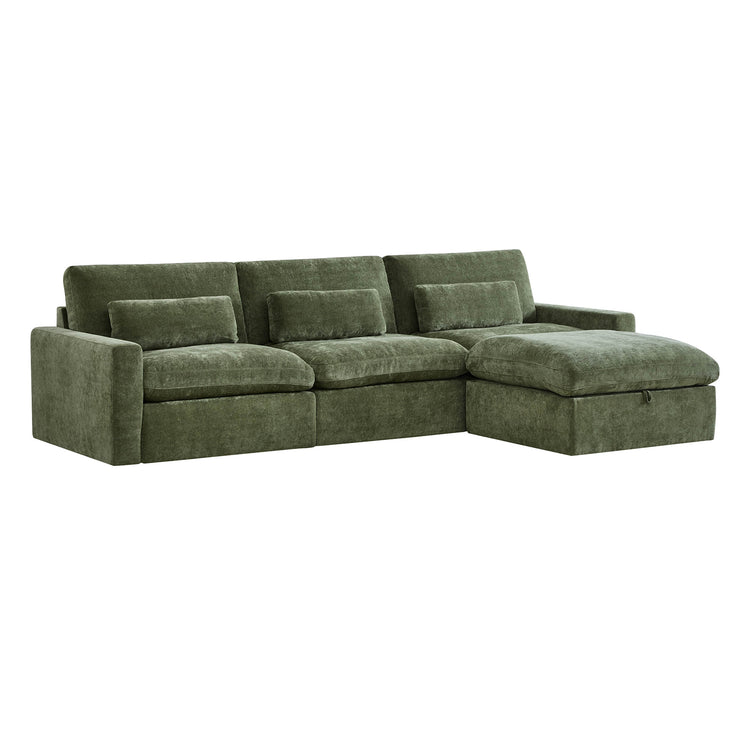
If your room already feels cluttered, consider modular options that let you reconfigure easily. Our Oliver Wall-hugger Reclining Sectional Sofa Collection combines sofa and recliner functions in one space-saving piece.
Furniture Layout for TV Stand and Sofa in Small Living Rooms
Small spaces require prioritizing function over perfect symmetry. Start by placing the TV stand against the longest uninterrupted wall, then position the sofa at the ideal viewing distance. Add the recliner only if it fits without narrowing the main entrance or walkway.
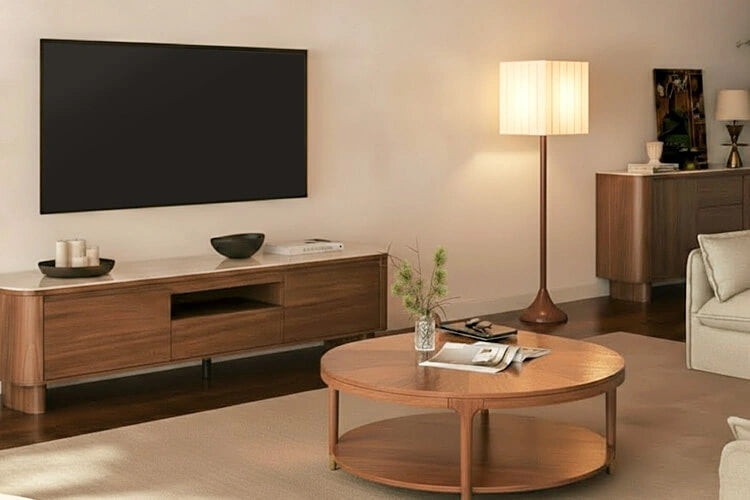
Use multi-functional TV stands with storage to reduce visual clutter. The Bennett 62" Modern Arched Wood TV Stand offers cable management and clean lines that keep the room feeling open.
When the room doubles as a passage to other areas, keep one side of the seating group completely clear. This prevents the common regret of a beautiful layout that is frustrating to live with daily.
For more ideas on making small spaces work, see our guide on Big Comfort, Small Footprint: The Best Power Recliners for Apartments and Cozy Rooms. You can also explore additional inspiration in How to Position Accent Chairs in Living Room? and Top Sofa Shapes for Open-Plan Living Room Layouts (With Zoning Tips).
Room-Fit Checklist: Test Your Living Room Arrangement Before Finalizing
Use this practical checklist to verify your layout:
- Measure seated eye level to the planned TV center and confirm it matches your screen size.
- Walk every primary path with all pieces in place, including the recliner fully extended.
- Sit in every seat and check TV viewing angles plus conversation sightlines.
- Ensure no piece blocks doors, windows, or heating vents.
- Test lighting and glare on the screen from different times of day.
If any item fails, adjust the recliner or sofa position first before considering different furniture. This quick test helps you catch issues that look fine on paper but feel wrong in daily use.
Comfort and Layout Disclaimer
This article discusses practical comfort and setup advice for living room furniture arrangement. It does not constitute medical advice, diagnosis, or treatment. Layouts that reduce perceived eye strain or neck discomfort depend heavily on room conditions, device quality, and personal factors. If you experience persistent discomfort or have existing eye or mobility conditions, consult qualified professionals.
Frequently Asked Questions
What Is the Ideal Sofa to TV Distance in a Living Room?
The ideal distance depends on your TV screen size and resolution. A practical starting point is to sit in your normal position and measure to the planned TV location. Adjust so the screen fills your view comfortably without forcing constant head movement. Larger screens generally allow greater distances, but always prioritize clear circulation paths over perfect centering.
How Much Clearance Does a Recliner Need Behind It?
Most standard recliners require 10 to 14 inches of rear clearance to recline fully. Wall-hugger or zero-clearance models need far less, sometimes as little as 3 to 6 inches. Always test the specific model in your space because swivel range and footrest extension also affect usable room.
Should the TV Stand or Sofa Be Placed First?
Place the TV stand first after measuring your seated viewing distance. This anchors the focal point and prevents having to rearrange heavy furniture later. Once the TV location is set, position the sofa for optimal viewing and conversation, then add the recliner last.
How Do You Create Zones in an Open Concept Living Room Layout?
Group the sofa, recliner, and TV stand into a defined seating area that acts as a visual boundary. Use the back of the sofa or a low console to separate the zone from traffic paths. Leave at least one clear walkway around the entire group so the space still feels connected to the rest of the home.
Can a Recliner and Sofa Face Each Other in a Small Living Room?
Yes, but only if you maintain clear walkways on at least two sides. Angling the recliner slightly toward the sofa improves conversation while still allowing TV viewing with a gentle head turn. In very tight rooms, choose a compact wall-hugger recliner to preserve circulation space.
What Should I Do If My Living Room Feels Cluttered After Arranging Furniture?
Remove one piece temporarily and test the flow again. Often the recliner or an oversized TV stand is the culprit. Consider slimmer profiles or multi-functional storage pieces. Revisit your primary use, whether TV-focused or social, and rearrange to support that function first.
Recommended Products

More to Read
 7 Sofa Trends That Actually Improve Comfort in 2026
Upgrade your living room with furniture that supports your body. Here are 7 modern sofa features designed to maximize your daily comfort...
7 Sofa Trends That Actually Improve Comfort in 2026
Upgrade your living room with furniture that supports your body. Here are 7 modern sofa features designed to maximize your daily comfort...
 Mother's Day Gift Guide: Cozy and Stylish Furniture Picks for Modern Moms
Make Mother's Day more meaningful with furniture gifts that bring comfort, smart features, storage, and quiet luxury into her everyday routine.
Mother's Day Gift Guide: Cozy and Stylish Furniture Picks for Modern Moms
Make Mother's Day more meaningful with furniture gifts that bring comfort, smart features, storage, and quiet luxury into her everyday routine.
 Performance Fabric Reality Check: Does It Really Repel Pet Hair and Stains?
Performance fabric is often marketed as a miracle solution for homes with pets and kids, but the reality is more nuanced. It...
Performance Fabric Reality Check: Does It Really Repel Pet Hair and Stains?
Performance fabric is often marketed as a miracle solution for homes with pets and kids, but the reality is more nuanced. It...