






















How to Choose the Right Dining Set for Your Home Size

Choosing the right dining set starts with your room, not the showroom. Measure your space, plan clearance, and match the table size and shape to your daily routine and hosting habits.

Key Takeaways
The right dining set should fit your room, provide enough elbow room, and leave space for chairs and walking paths. Start by measuring your dining area, then choose seating capacity and table shape based on your space. As a starting point, allow about 24 inches of table edge per person and at least 36 inches of clearance around the table. For smaller rooms, round or compact tables can work well. For larger rooms or frequent hosting, consider a rectangular or extendable table.
A dining table can look perfectly sized in a showroom or online photo and still feel too large once it reaches your home. The right choice depends on more than how many people you want to seat. Your room dimensions, chair size, table shape, and daily habits all affect how well a dining set works. A table should give everyone enough room to eat comfortably without making the rest of the room hard to use. This simple approach can help you choose a dining table size that fits both your home and your lifestyle.
Start by Measuring Your Dining Space
Measuring your dining area first gives you a realistic limit for the table. It also helps prevent problems with chairs, walkways, doors, and nearby furniture.
Measure the Usable Floor Space
Measure the length and width of the area where the dining table will actually sit. In an open-concept home, focus on the dining zone rather than measuring the entire kitchen and living area. Also note anything that takes up floor space, such as:
- Kitchen islands
- Sideboards and buffets
- Cabinets
- Doorways
- Large windows or sliding doors
- Walkways between the kitchen and living room
For example, a 10-by-12-foot dining area does not provide 120 square feet of completely usable space. Part of that area needs to remain open for chairs and movement.
Your dining table dimensions should fit the usable area, not simply the empty space measured from wall to wall.
Leave Enough Clearance Around the Table
A common planning rule is to leave at least 36 inches between the table edge and nearby walls or furniture. This gives diners room to pull out their chairs and provides a basic walking path.
A busy walkway may need closer to 42–48 inches. This is especially helpful in an open floor plan where people regularly pass behind seated diners.
To estimate the largest tabletop your room can handle, subtract about 72 inches from both the room length and width when you need clearance on all sides.
For example, a 10-by-12-foot room could potentially accommodate a table around 48 by 72 inches, assuming there is no other furniture taking up that clearance.
Match Your Dining Set to Your Seating Needs
After measuring your room, decide how many people you actually need to seat. Daily use should guide your choice, while occasional guests can be handled with a little extra flexibility.
For Everyday Family Dining
- A dining table for 4 can work well for couples, roommates, or smaller households. Depending on the shape and design, a rectangular table around 48–60 inches long can provide comfortable seating for four.
- For a family that regularly needs more room, a dining table for 6 is a common middle-ground choice. Rectangular tables around 60–72 inches long are often used for six diners, though the exact capacity changes with chair width and leg placement.
- A dining table for 8 generally requires a larger room. Rectangular tables around 84–96 inches long are common starting points for eight diners.
A useful starting point is about 24 inches of table edge per person. This gives each diner enough space for plates, utensils, and comfortable elbow room.
For Frequent Hosting
Your household size is only part of the decision. If you regularly host friends or extended family, think about your typical gathering rather than buying a large table for rare occasions.
An expandable dining table can solve this problem. A smaller everyday footprint can work for family meals, while a dining table with an extension can provide additional seating during holidays, dinner parties, or weekend gatherings.
For example, extendable dining tables can range from around 60 inches to 96 inches in length, depending on their everyday and expanded configurations. They can serve a smaller group during the week and accommodate more guests when needed. This type of setup can be more practical than keeping a large table fully extended every day.

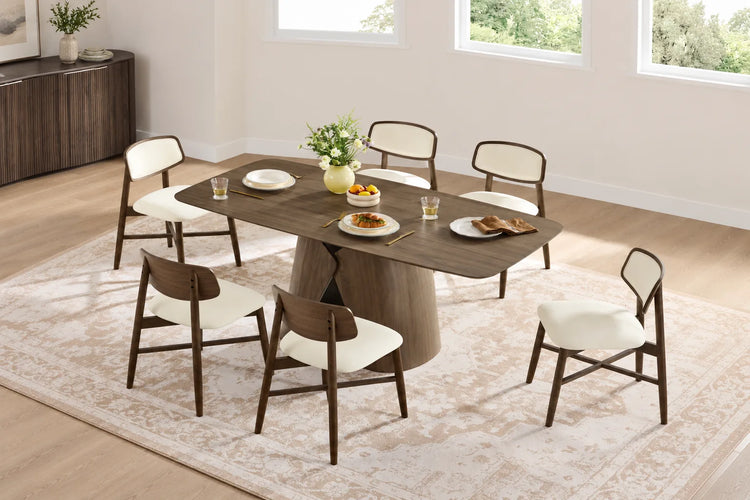
Margie U-Shaped Wood Base Extendable Dining Table
Choose a Dining Table Shape That Works With Your Room
Table shape affects both seating and movement. The best choice should match your room's proportions rather than simply following your preferred style.
Rectangular Dining Tables
A rectangular dining table is a practical choice for long or narrow dining rooms. Its straight edges make good use of the room's length, and it can usually accommodate more people without requiring a very wide footprint.
A 71-inch dining table, for example, can provide a useful middle ground for households that need seating for several people without moving into the footprint of a much larger table.
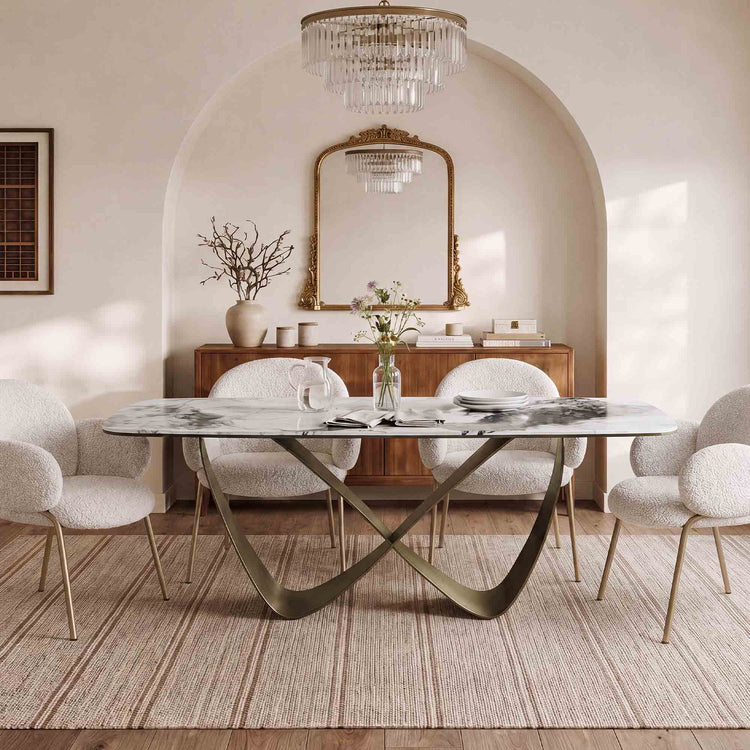
Rectangular tables also offer plenty of surface area for family meals, serving dishes, and table settings. A marble dining table or sintered stone dining table with a rectangular profile can add a polished look while maintaining a familiar layout.

71” Layla Rectangular Sintered Stone Dining Table
Round Dining Tables
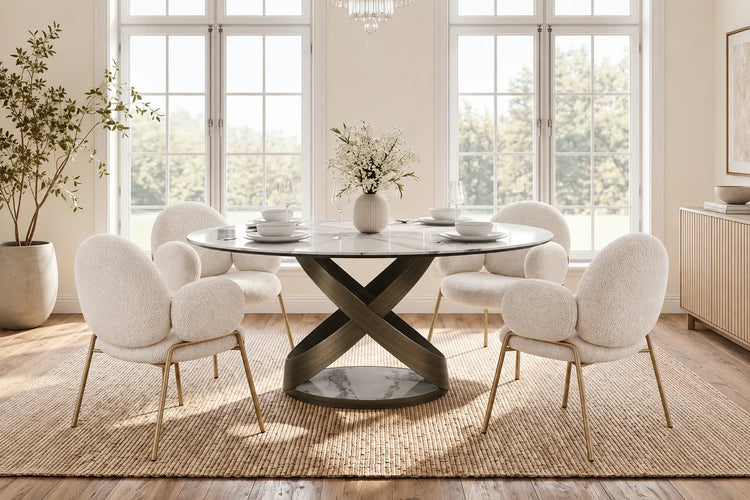
A round dining table can work particularly well in square rooms, breakfast nooks, and compact dining areas. Its curved edge removes sharp corners and can make movement around the table feel easier.
A small round dining table around 42–48 inches in diameter can suit four to six people, depending on the chair width and table base. Current sizing references commonly place 44–54-inch round tables in the four-to-six-person range.
A round expandable table can add another layer of flexibility. A compact design that expands from roughly 33 to 51 inches, for example, can stay relatively small for daily meals and provide more surface area when guests arrive.
A pedestal dining table can also make it easier to position chairs around a round top because there are fewer table legs competing for foot and chair space.
Oval and Other Flexible Shapes
Oval tables can provide some of the seating efficiency of rectangular designs while giving the room softer corners. They can work well in longer rooms where a full rectangle feels too visually rigid.
For a smaller room, compare the table's full footprint with the available walking space. The best dining table shape for small space is the one that leaves enough room to move comfortably after chairs are added.
Consider How Your Dining Set Will Be Used
Room size tells you what can fit, but your daily habits help determine what is worth buying. Think about meals, homework, work, holidays, and guests when choosing the final configuration.
Everyday Dining
For everyday use, prioritize comfortable seating and easy movement instead of maximum capacity. A table that seats eight may sound useful, but it can take up valuable floor space if only four people use it most days.
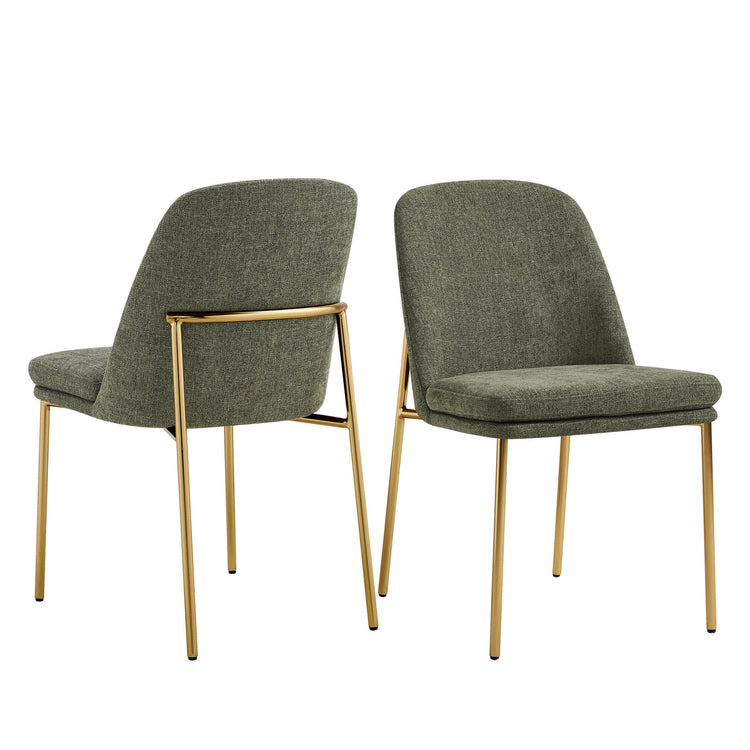
Also check the chairs that come with the table. Wide upholstered chairs or armchairs need more space than slim, armless chairs. The table base matters too, since large corner legs or a wide pedestal can affect where chairs can sit.
A space-saving dining table can be useful in apartments, condos, and open kitchens where every few inches matters.
Entertaining and Family Gatherings
If your home frequently hosts family dinners, choose a table that gives you room to grow.
A dining table for entertaining does not need to stay at its maximum size every day. An extension leaf lets you keep a smaller footprint during normal meals and add seating when guests arrive.
For larger households, a large dining table can also become a central gathering spot for meals, celebrations, and family activities. A large extendable dining table provides extra capacity without requiring its full length at all times.

Sean Extendable Pandora Sintered Stone Dining Table,55"-79"
Choose the Right Dining Set for Your Space
With your room measurements, seating needs, and preferred shape in mind, you can narrow your choices to a few useful configurations.
| Your Situation | Recommended Dining Table | Typical Size / Capacity |
| Couple or small household | Compact round or rectangular table | 42–48" round or 48–60" rectangular / 2–4 people |
| Family of 4–6 | Medium rectangular or extendable table | 60–72" / 4–6 people |
| Small space with occasional guests | Compact extendable table | Around 33–51" / 4–6+ depending on design |
| Frequent hosting | Extendable rectangular table | Around 60–96" depending on configuration |
| Regular 6–8 person dining | Full-size rectangular table | Around 71–96" / 6–8 people |
| Large dining room and frequent gatherings | Large extendable table | Around 78–96" or larger / 6–8+ people |
For Compact Dining Areas
A compact round table is a strong option for smaller kitchens, breakfast nooks, and square dining areas. A design that starts at about 33 inches and extends to around 51 inches can provide flexibility without taking up the full footprint every day.
Look for a narrow base or pedestal design that gives chairs enough legroom. A round table can also help avoid sharp corners in tight walkways.

Camila Round Extendable Sintered Stone Dining Table,33.4"-51.1"
For Medium-Sized Dining Areas
A rectangular extendable table can work well in a medium-sized dining area. A table that starts around 55 inches and extends to nearly 79 inches gives you a smaller everyday setup with additional room for guests.
This configuration works well for households that need four to six seats most days but want the option to accommodate a larger group.
For 6–8 Person Dining
A full-size rectangular table around 71 inches long can suit a dining area with enough clearance for six to eight diners. Check the table depth as well as its length, since a wider tabletop can take up more room than expected.
This setup is a good fit for households that regularly eat together and need a stable, full-size dining surface.
For Larger Dining Rooms and Gatherings
A larger dining area gives you more flexibility with both table size and seating. A table that extends from around 78 to 96 inches can provide enough space for larger family meals and gatherings.
For households that regularly host guests, an extension design with a built-in leaf can make it easier to switch between everyday and entertaining layouts. A butterfly leaf dining table is particularly convenient because the extension is stored within the table instead of requiring a separate piece.
7 Common Dining Set Sizing Mistakes to Avoid
Keep these common mistakes in mind while shopping.
- Choosing the table first: Measure your room and determine your available footprint first.
- Ignoring chair space: Your dining table clearance needs to include pulled-out chairs, not just the tabletop.
- Using seat count as the only measurement: Two tables with the same advertised capacity can have very different footprints.
- Forgetting nearby furniture: A sideboard or buffet reduces the usable clearance beside the table.
- Buying for rare occasions: An oversized table may waste space during everyday meals.
- Ignoring the table base: Legs and pedestals affect where chairs can be placed.
- Skipping a floor test: Use painter's tape to mark the tabletop footprint on your floor, then place chairs around it. Pull the chairs out and walk around the layout to see how it feels.
This simple test can reveal problems that measurements alone may miss.
Make Your Dining Set Work for Your Home
The right dining set should give you enough seating without taking over the room. Start with your available floor space, leave enough clearance for chairs and walking paths, then choose a table size and shape that match your household.
Think about your normal routine as well. A compact table may be the smarter choice for a small household, while an extendable design can provide extra seating for guests without taking up maximum space every day.
Most importantly, choose a table that fits comfortably rather than simply choosing the largest table your room can technically hold. A well-sized dining area should leave enough room to sit, stand, serve food, and move around without bumping into furniture.
FAQs About Choosing a Dining Set
Q1: How Much Space Should You Leave Around a Dining Table?
Plan for at least 36 inches between the table edge and nearby walls or furniture. If people regularly walk behind seated diners, 42–48 inches can provide a more comfortable path.
Q2: How Many People Can a Dining Table Comfortably Seat?
A practical starting point is about 24 inches of table edge per person. A 60–72-inch rectangular table often works for six, while an 84–96-inch table can work for eight. Actual seating also depends on chair width, table legs, and the table's design.
Q3: What Dining Table Shape Is Best for a Small Dining Area?
Round tables often work well in small or square rooms because they have no corners and can create a smoother path around the table. A compact rectangular table may be a better choice for a narrow room where the available floor space is longer than it is wide.
Q4: Is an Extendable Dining Table Worth It?
It can be a practical choice if you need fewer seats for everyday meals but regularly host additional guests. You can keep the table compact most of the time and extend it for larger meals, which can save valuable floor space.

Recommended Products
 Recommended
Margie U-Shaped Wood Base Extendable Dining Table, 78"-95.9" Set for 4-6
$1,499.99
Recommended
Margie U-Shaped Wood Base Extendable Dining Table, 78"-95.9" Set for 4-6
$1,499.99
 Recommended
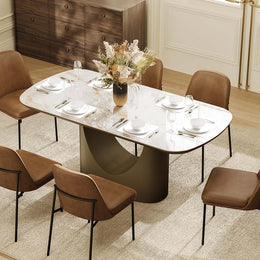
71” Layla Rectangular Sintered Stone Dining Table
$1,199.00
Recommended
71” Layla Rectangular Sintered Stone Dining Table
$1,199.00
 Recommended
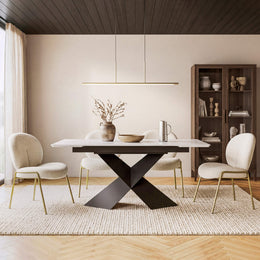
Sean Extendable Sintered Stone Dining Table,55"-74"
$1,149.00
Recommended
Sean Extendable Sintered Stone Dining Table,55"-74"
$1,149.00
 Recommended
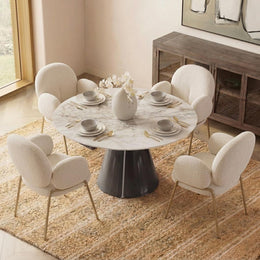
Camila Round Extendable Sintered Stone Dining Table,33.4"-51.1"
$1,249.00
Recommended
Camila Round Extendable Sintered Stone Dining Table,33.4"-51.1"
$1,249.00
More to Read
 7 Sofa Trends That Actually Improve Comfort in 2026
Upgrade your living room with furniture that supports your body. Here are 7 modern sofa features designed to maximize your daily comfort...
7 Sofa Trends That Actually Improve Comfort in 2026
Upgrade your living room with furniture that supports your body. Here are 7 modern sofa features designed to maximize your daily comfort...
 Mother's Day Gift Guide: Cozy and Stylish Furniture Picks for Modern Moms
Make Mother's Day more meaningful with furniture gifts that bring comfort, smart features, storage, and quiet luxury into her everyday routine.
Mother's Day Gift Guide: Cozy and Stylish Furniture Picks for Modern Moms
Make Mother's Day more meaningful with furniture gifts that bring comfort, smart features, storage, and quiet luxury into her everyday routine.
 Performance Fabric Reality Check: Does It Really Repel Pet Hair and Stains?
Performance fabric is often marketed as a miracle solution for homes with pets and kids, but the reality is more nuanced. It...
Performance Fabric Reality Check: Does It Really Repel Pet Hair and Stains?
Performance fabric is often marketed as a miracle solution for homes with pets and kids, but the reality is more nuanced. It...