










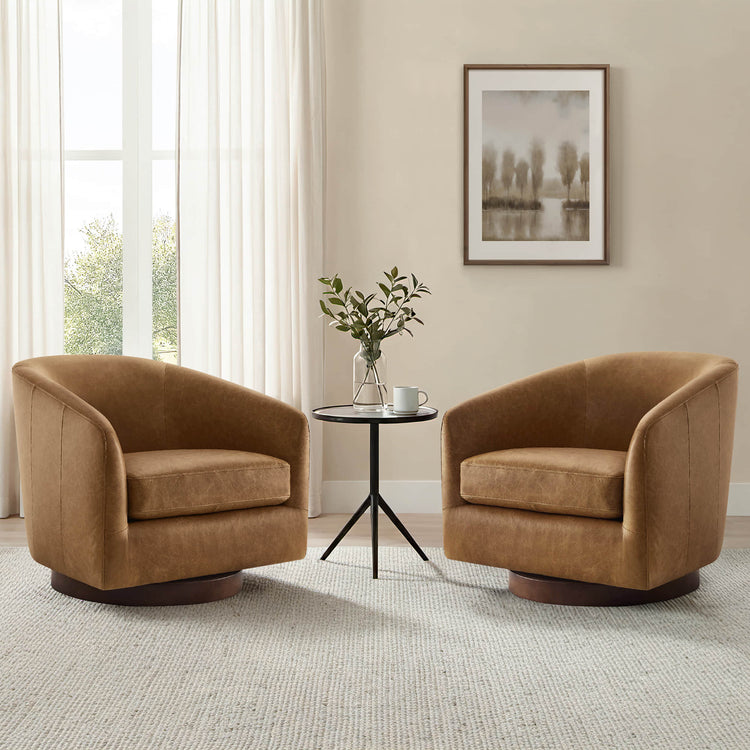
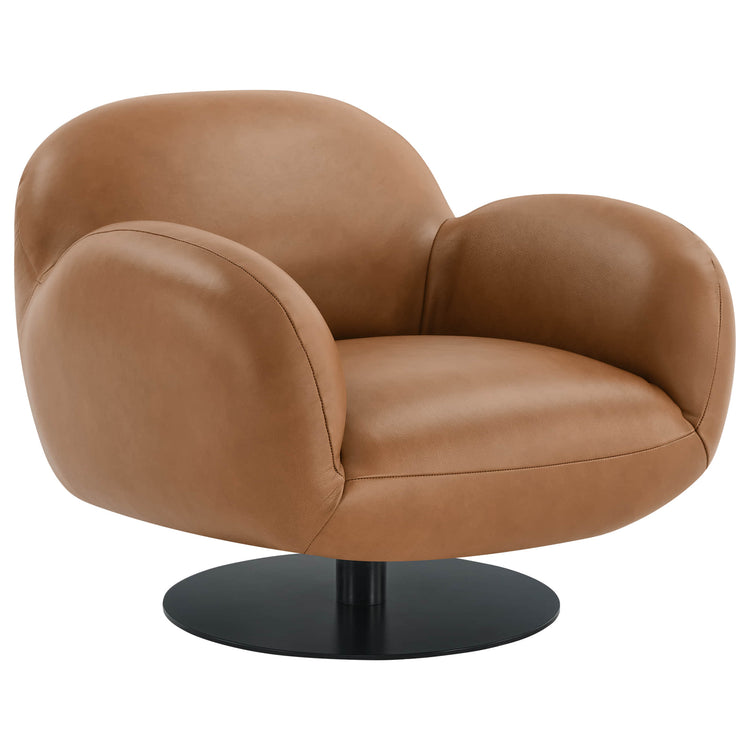
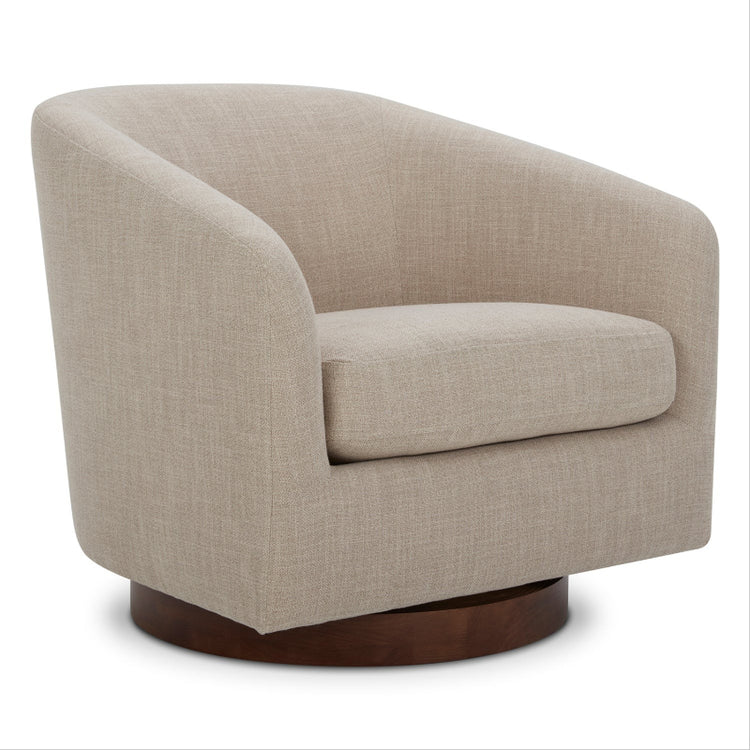













Why Choosing a Nursery Glider Recliner Matters for 2026 Parents
The nursery has evolved into a wellness-focused space where furniture is expected to support both baby soothing and caregiver comfort. A standard living-room recliner frequently fails the nursery test because it may produce noticeable operational noise, require significant rear clearance, or lack the targeted lumbar support needed for the forward-leaning posture common during late-night feeds.
In contrast, a purpose-built nursery glider recliner with silent power mechanisms and adjustable support is designed to facilitate calmer feeding sessions. By providing ergonomic alignment, these chairs help caregivers avoid the common "slouch trap" that can lead to musculoskeletal strain. For many families, this makes the right chair a practical multi-year utility piece—often used for 3 to 5 years through toddlerhood—rather than just a temporary nursery fixture.
When planning your space, consider your room layout and expected daily use. In smaller nurseries (a common pattern for rooms under 100 square feet), a compact power model with "wall-hugger" capability is often more practical than a bulky manual glider that requires a wide radius to operate.

Supporting Postpartum Recovery and Ergonomics
Disclaimer: The following suggestions are for informational purposes regarding furniture ergonomics and do not constitute medical advice. Please consult your healthcare provider for specific postpartum recovery concerns.
Postpartum recovery involves significant physical demands, and maintaining a supportive posture during repeated feeding is a key factor in daily comfort. Research, such as a study published in PMC, suggests that adopting unsupported postures while breastfeeding or bottle-feeding often contributes to back and neck strain.

A nursery glider recliner with adjustable lumbar and headrest support helps maintain natural spinal alignment. Integrated power lumbar is particularly useful because it allows caregivers to make micro-adjustments one-handed while a baby is latched. This is a distinct advantage over traditional throw pillows, which can shift or require two hands to reposition.
This feature is most beneficial for those planning frequent contact naps or extended feeding sessions. If your primary need is occasional use, a simpler glider with high-quality static cushioning may be sufficient. Regardless of the model, prioritize chairs that allow for easy entry and exit to support your mobility during the recovery phase.
Why Quiet Motor Operation Matters in the Nursery
Noise control is a top practical concern for parents. The American Academy of Pediatrics suggests keeping infant sleep environments below 50 decibels to minimize sleep disruption. While most modern motors are relatively quiet, the type of noise matters as much as the volume.
In a quiet nursery, sudden "clunks" or high-frequency motor whines can disturb a baby during light sleep transitions. High-quality power recliners utilize soft-start and soft-stop technology to eliminate these abrupt sounds. When shopping, look for "silent-glide" or "whisper-quiet" descriptions.
Note that a single decibel rating doesn't always tell the whole story; the smoothness of the motion is what prevents the "startle reflex" in a sleeping infant. If your home typically has background white noise or you primarily use the chair during active daytime hours, ultra-silent motor operation may be less of a priority.
Lumbar Support: Real-Use Benefits for Feeding
Maintaining the natural curvature of the lower back helps reduce the neck and shoulder tension that many new parents experience. A physical therapist's guide to comfortable breastfeeding emphasizes how proper lower-back support prevents the forward slump that often develops during long sessions.
A triple-motor system (controlling the footrest, headrest, and lumbar independently) offers a clear practical edge. It allows for dynamic correction on the fly. This is especially helpful for parents with preexisting back sensitivity or those who find themselves sitting for several hours a day. For lighter use, a model with well-contoured manual lumbar support can still provide a comfortable experience at a lower price point.
Performance Fabric and Cleanability
Nursery furniture must withstand frequent spills, from milk and formula to diaper creams. Performance fabrics with tight mechanical weaves are designed to resist liquid penetration, allowing for immediate blotting before a stain sets.
GREENGUARD Gold certification is another important factor for 2026 parents. This certification verifies that the product has low chemical emissions (VOCs), contributing to cleaner indoor air. However, it is important to manage expectations: GREENGUARD Gold focuses on air quality, not stain resistance.
Pro Tip: Choose tighter-weave performance options labeled as "wipeable." Even with advanced textiles, no fabric is 100% stain-proof; prompt cleaning with mild soap and water remains the most reliable approach to maintaining your investment.
Choosing Between Gliding, Swiveling, and Power Reclining
Modern nursery chairs typically offer three core movements:
- Gliding: A smooth, linear motion for soothing.
- Swiveling: Usually 270 to 360 degrees, allowing you to reach for a bottle or pacifier on a side table without standing up.
- Power Reclining: Effortless position changes at the touch of a button.
The swivel function is particularly helpful during postpartum recovery as it reduces the need for twisting the torso. For those in tight quarters, "wall-hugger" designs are essential—these models typically require only 4–7 inches of rear clearance, compared to the 10–14 inches required by traditional recliners.
One trade-off to consider is the "electronics factor." Power systems add immense convenience but require proximity to an outlet (or a battery pack). Always check the warranty; many mid-tier brands offer only one year on motors, while premium models may offer more robust coverage.
For more on motion types, see our guide to Recliner Bases Decoded: What Makes Rockers and Gliders Different?. You may also find Choosing the Right Fabric for Your Power Glider Recliner helpful when narrowing down upholstery choices.
The 2026 Nursery Essential Checklist
Use this framework to evaluate your options:
- Noise Level: Does the motor operate smoothly without "clicking" sounds? (Target: effectively silent in a room with a white noise machine).
- Safety & Health: Is the chair GREENGUARD Gold certified?
- Support: Does it offer adjustable lumbar support for one-handed use?
- Footprint: Does the rear clearance (wall-hugger capability) fit your nursery dimensions?
- Durability: Does the fabric weave feel tight and durable for 3+ years of use?
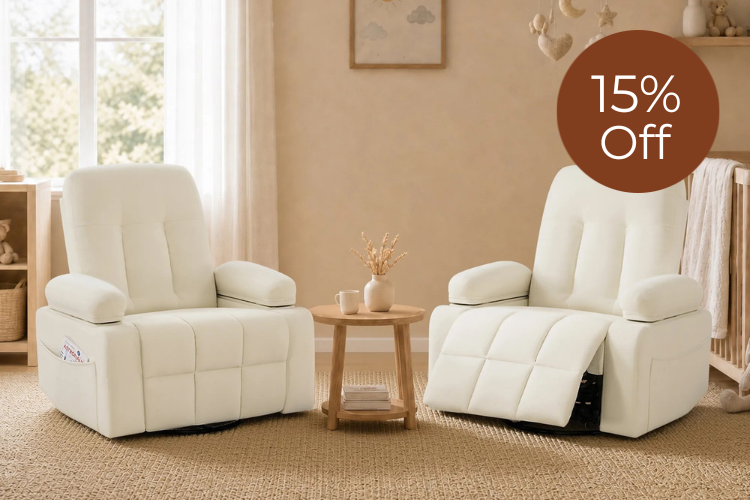
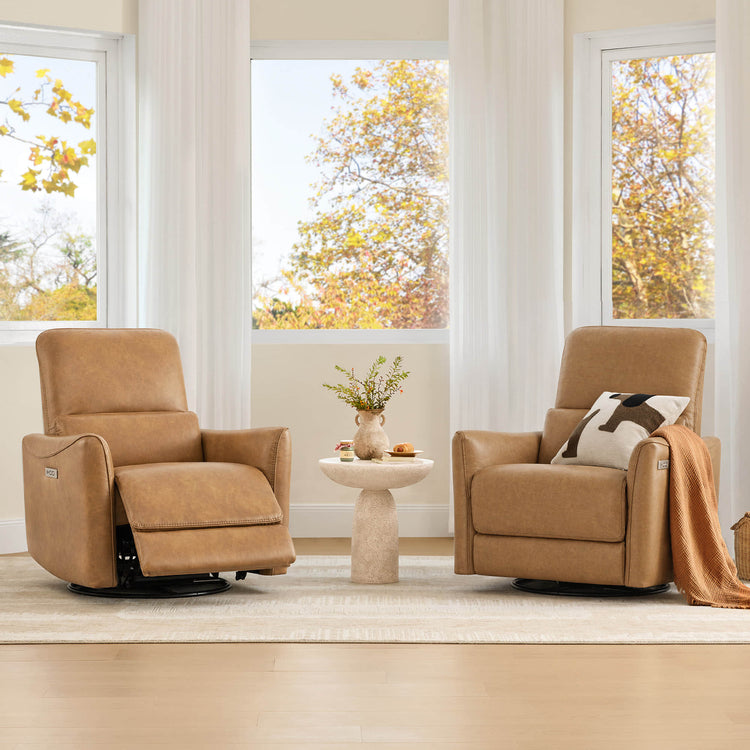
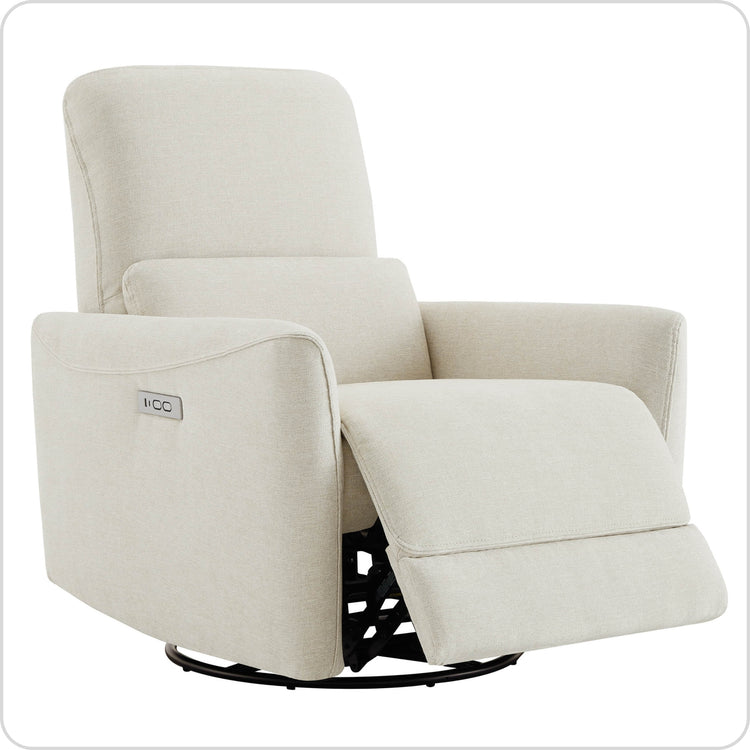
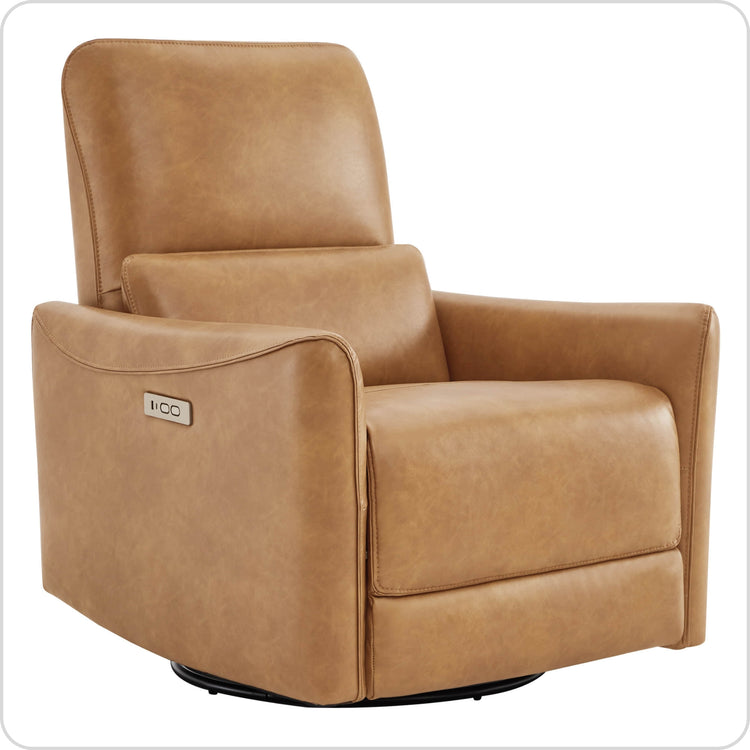
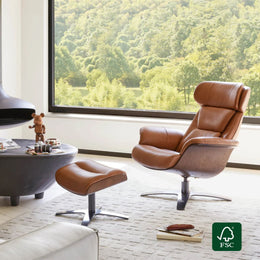
Based on our feature analysis of current 2026 models, the Vinca Power Swivel Nursery Glider Recliner stands out for its comprehensive triple-motor system, which includes both power lumbar and headrest adjustments. While the Elysian model offers excellent comfort and silent operation, it lacks the specific power lumbar feature found in the Vinca. Basic manual models are often more budget-friendly but may lack the necessary ergonomic support for long-term postpartum comfort.
When these core criteria are met, the Vinca Power Swivel Nursery Glider Recliner with Power Lumbar & Headrest is a top-tier choice for most parents. You can view it here. For a variety of styles, browse the Popular Nursery Glider Recliners collection.
Additional reading:
Recommended Products


More to Read
 7 Sofa Trends That Actually Improve Comfort in 2026
Upgrade your living room with furniture that supports your body. Here are 7 modern sofa features designed to maximize your daily comfort...
7 Sofa Trends That Actually Improve Comfort in 2026
Upgrade your living room with furniture that supports your body. Here are 7 modern sofa features designed to maximize your daily comfort...
 Mother's Day Gift Guide: Cozy and Stylish Furniture Picks for Modern Moms
Make Mother's Day more meaningful with furniture gifts that bring comfort, smart features, storage, and quiet luxury into her everyday routine.
Mother's Day Gift Guide: Cozy and Stylish Furniture Picks for Modern Moms
Make Mother's Day more meaningful with furniture gifts that bring comfort, smart features, storage, and quiet luxury into her everyday routine.
 Performance Fabric Reality Check: Does It Really Repel Pet Hair and Stains?
Performance fabric is often marketed as a miracle solution for homes with pets and kids, but the reality is more nuanced. It...
Performance Fabric Reality Check: Does It Really Repel Pet Hair and Stains?
Performance fabric is often marketed as a miracle solution for homes with pets and kids, but the reality is more nuanced. It...