






















The Aesthetic Recliner: Hidden Power for Modern Living Rooms

The Aesthetic Recliner: Hidden Power for Modern Living Rooms
Design-conscious homeowners no longer have to choose between ergonomic comfort and the clean lines of a modern living room. The "aesthetic power recliner" has emerged as a solution, prioritizing a tailored silhouette and discreet technology. However, a chair that looks sleek in a showroom can still overwhelm a small apartment if its "dynamic footprint" isn't properly calculated against your specific room dimensions.

Defining the "Aesthetic" Power Recliner: Hidden Comfort
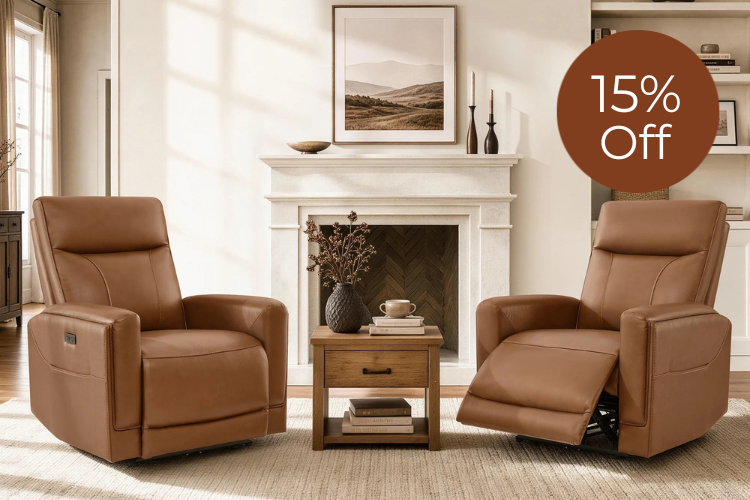
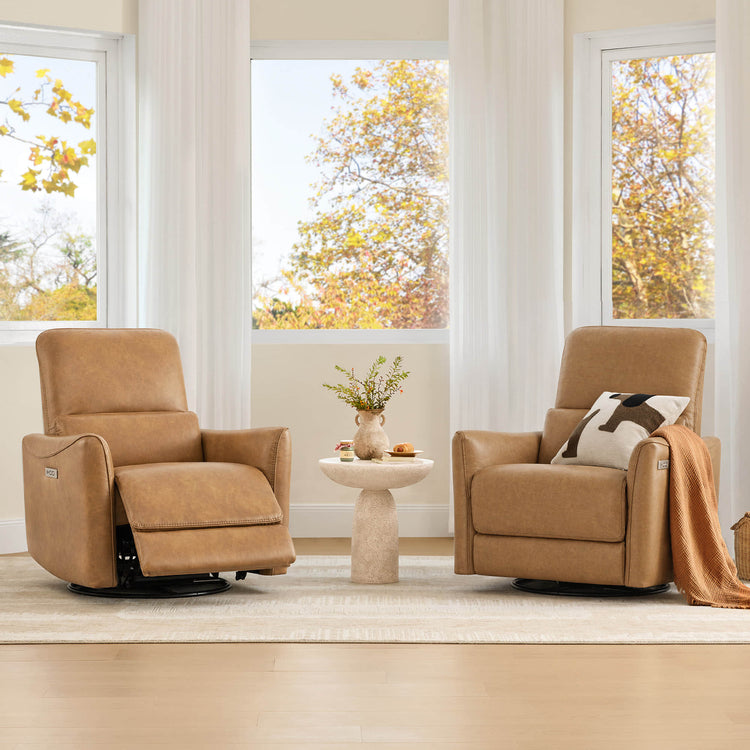
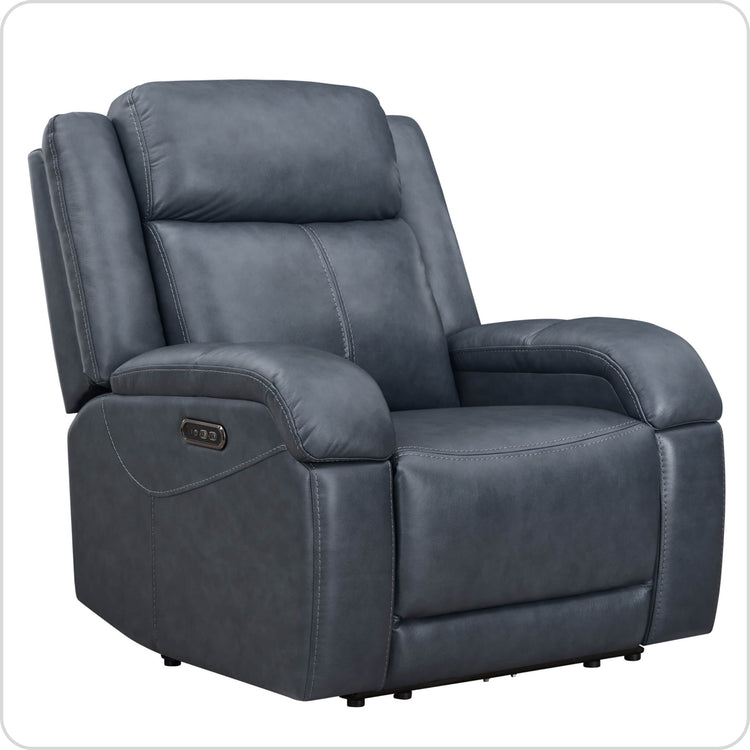
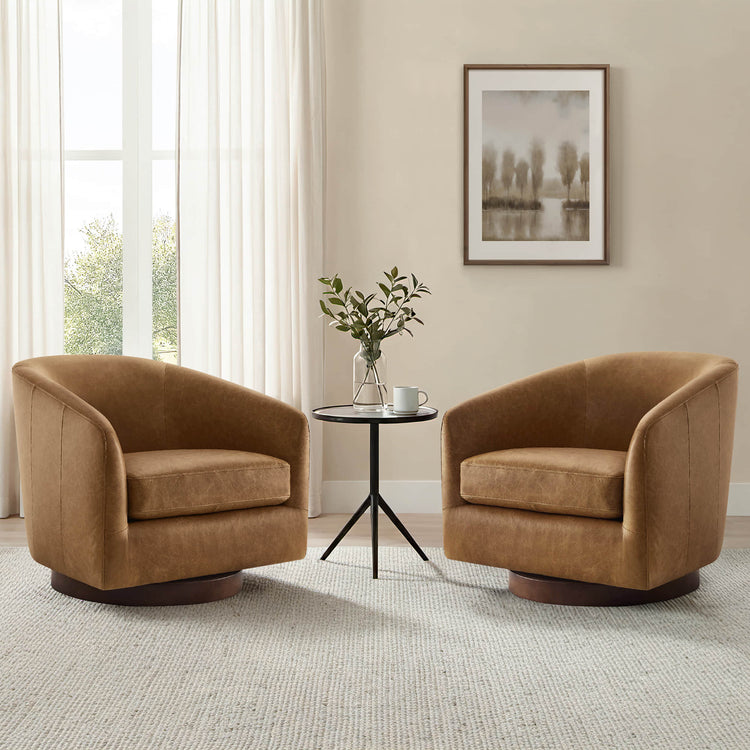
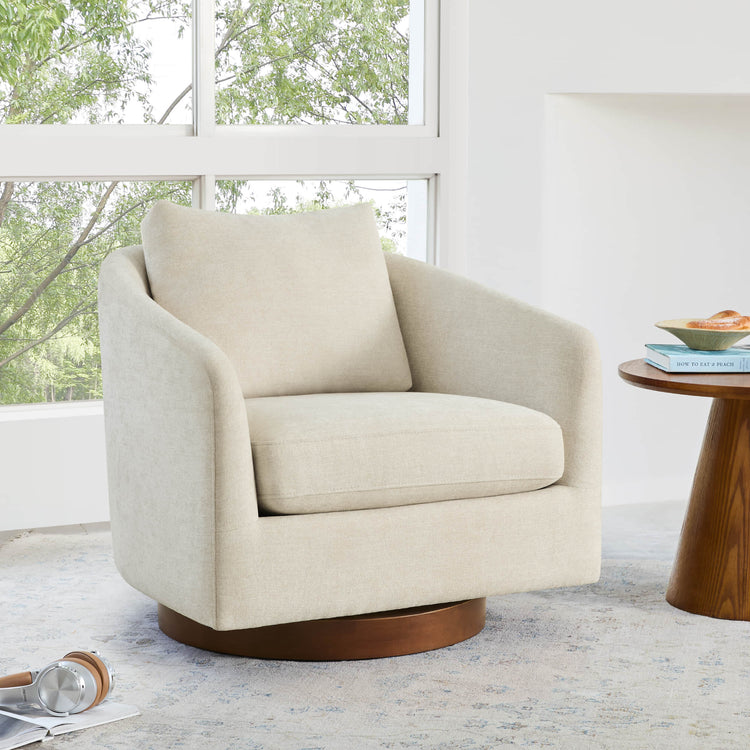
An aesthetic power recliner is defined by what it hides. Unlike traditional recliners characterized by overstuffed "buns," prominent side levers, and heavy bases, modern versions prioritize a lighter visual profile. They are designed to read as high-end accent seating until the power function is engaged.
Key design markers include:
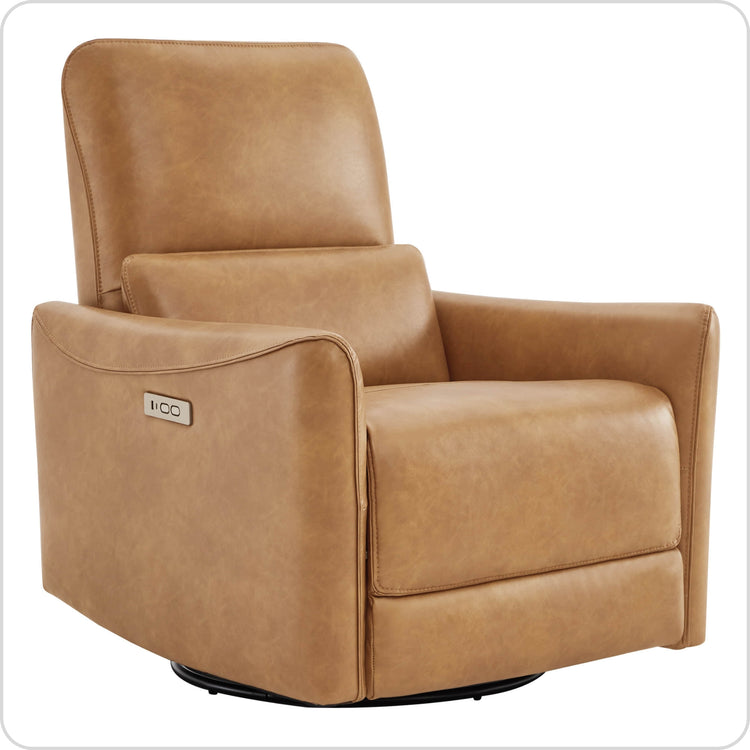
- Tailored Silhouettes: Slimmer armrests (often under 6 inches wide) and lower back heights that align with standard sofa profiles.
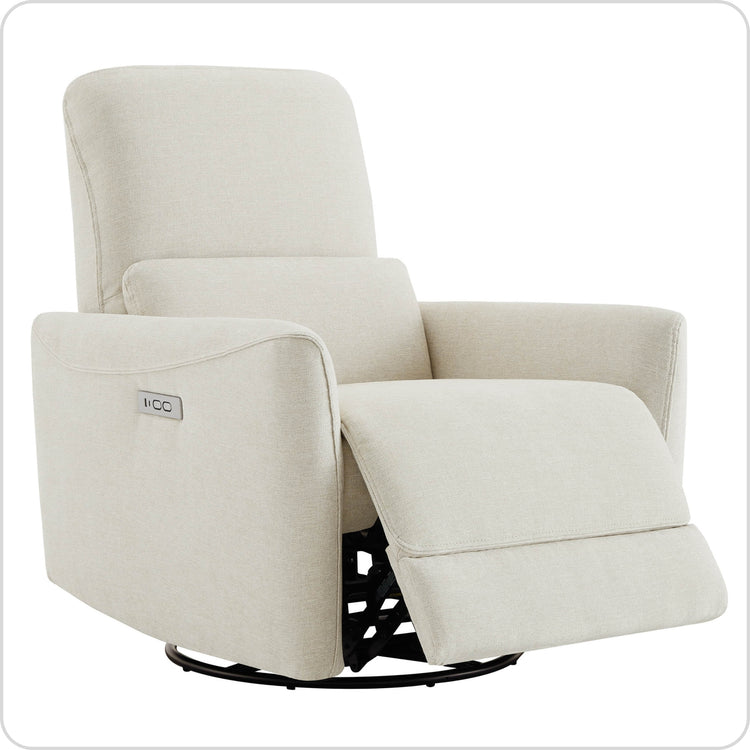
- Discreet Controls: Integrated touch sensors or small, metallic buttons tucked into the inner arm or hidden between the seat cushion and frame.
- Refined Upholstery: Use of performance weaves or top-grain leathers with minimal "puddling" or excess fabric.
While these models aim for full concealment of the motor and hardware, it is a common pattern in furniture design that some mechanical elements remain visible from the rear or side when the chair is in motion. The goal is not total invisibility, but rather a design that doesn't disrupt the room's aesthetic flow when upright.
The "Dynamic Footprint" Trap: Why Sleek Styling Isn't Enough
A common mistake in small-room planning is measuring only the "static footprint"—the space the chair occupies when upright. For a power recliner to be truly functional in a modern layout, you must account for its Dynamic Footprint (the total area required for full extension).
Measurement Baseline & Definitions
To ensure accuracy, use these measurement points when reviewing product spec sheets:
- Rear Wall Clearance: Measured from the furthest back point of the headrest (when upright) to the wall.
- Fully Reclined Depth: The total length from the back of the chair to the tip of the footrest when at maximum extension.
- Walk Zone: The clearance between the extended footrest and the next piece of furniture (e.g., a coffee table).
Estimated Space Requirements
Note: These ranges serve as an estimation starting point. Always verify the "fully reclined depth" and "wall-clearance" definitions in the specific product's technical manual, as mechanical arcs vary by manufacturer.
| Feature | Standard Recliner Requirement | Aesthetic "Wall-Hugger" Requirement |
|---|---|---|
| Rear Wall Clearance | 12 – 18 inches | 2 – 6 inches (Model dependent) |
| Front Extension | 30 – 40 inches | 25 – 35 inches |
| Side Traffic Buffer | 18+ inches | 12 – 18 inches |
As official furniture basis-of-design specifications suggest, thoughtful space planning is the difference between a cozy nook and a cramped obstacle course. A "wall-saver" label is a helpful clue, but it is rarely a zero-clearance guarantee.
Sleek Styling vs. Actual Room Fit Factors for Small-Room Recliners
A planning aid showing how styling cues can stay low-impact while room-fit demands rise once recline travel and circulation are included.
View chart data
| Category | Sleek Styling Cues | Static Footprint | Recline Travel | Rear Clearance Need | Traffic-Path Impact |
|---|---|---|---|---|---|
| Small Modern Living Room | 1.0 | 2.0 | 2.0 | 2.0 | 2.0 |
| Apartment | 1.0 | 2.0 | 3.0 | 3.0 | 3.0 |
| Open-Plan | 1.0 | 2.0 | 3.0 | 3.0 | 3.0 |
Material Cues: Balancing Luxury and Durability
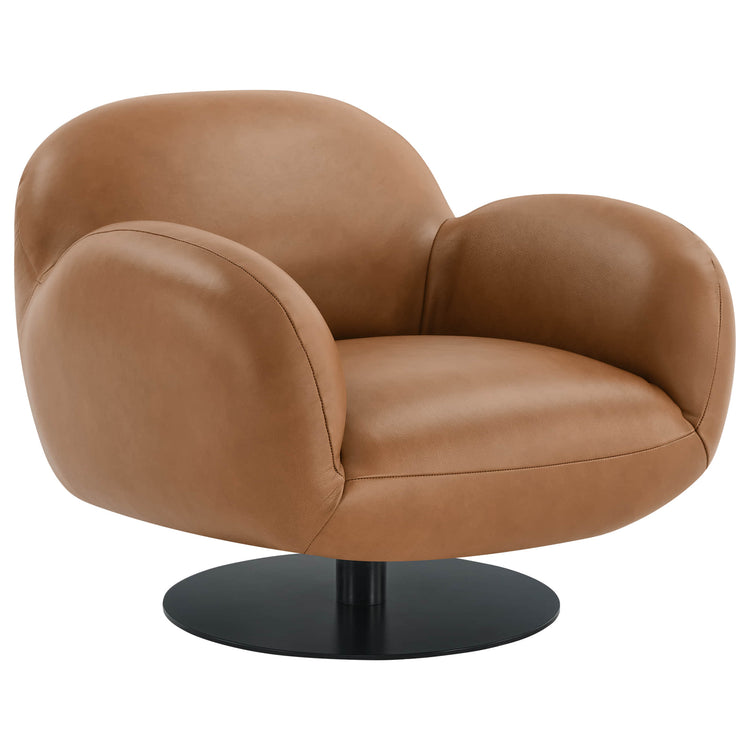
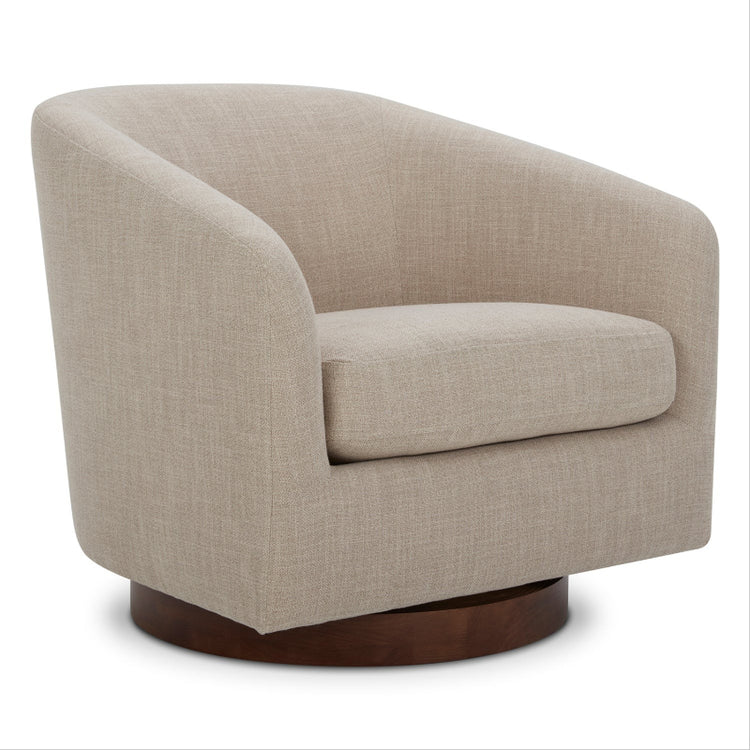
The choice of material significantly impacts how "hidden" the recliner feels. Heavy, dark leathers can make a small chair feel visually dominant, whereas textured fabrics in neutral tones help the piece recede into the background.
- Performance Fabrics: Ideal for a seamless look with existing sofas. High-quality options often target 30,000+ Wyzenbeek double-rubs (a standard durability test), though you should verify the specific rating on the product's fabric swatch.
- Top-Grain Leather: Provides a classic "elevated" look. Our guide on performance fabric vs leather for recliners notes that leather often holds its shape better over time, potentially preventing the "slouchy" look that can compromise a minimalist aesthetic.
Regardless of material, look for "tight-back" tailoring. This ensures the upholstery stays crisp and doesn't bunch up excessively when the mechanism moves, maintaining the chair's sophisticated profile.
When to Skip the Sleek Power Recliner
Style should never override safety or movement. Avoid a power recliner—no matter how aesthetic—if:
- The Recline Arc Blocks a Primary Path: If extending the footrest forces guests to shimmy past the chair to reach the kitchen or door, the layout is a failure.
- Power Cord Hazards: If the chair must be placed in the center of the room without a floor outlet, the "aesthetic" is ruined by a visible cord across the rug.
- Inadequate Wall Clearance: If the headrest hits the wall before reaching a comfortable angle, you lose the ergonomic benefit you paid for.
Ergonomic guidance on furniture placement emphasizes that preserving a "walk zone" (ideally 18–24 inches) around major furniture pieces is essential for long-term comfort and accessibility.
The 3-Step Shortlist Strategy
To find a recliner that truly fits a modern, small-scale living room, use this comparison checklist to evaluate your top choices:
1. The Specification Comparison Field
Before buying, fill out this "mini-spec" for each model to see how they compare:
- Fully Reclined Depth: (Goal: <65 inches for very tight spaces)
- Wall Clearance Required: (Goal: <6 inches for "wall-huggers")
- Power Source Location: (Back-base vs. side-base; affects cord management)
- Control Accessibility: (Inner arm vs. external button; affects visual "stealth")
- Fabric Durability Rating: (Look for "Performance" or "High-Traffic" labels)
2. Map the "Full Arc"
Don't just check the depth. Mark the "fully reclined depth" on your floor with painter's tape. This allows you to physically walk the room while the "chair" is extended to ensure no paths are blocked.
3. Test the "Visual Weight"
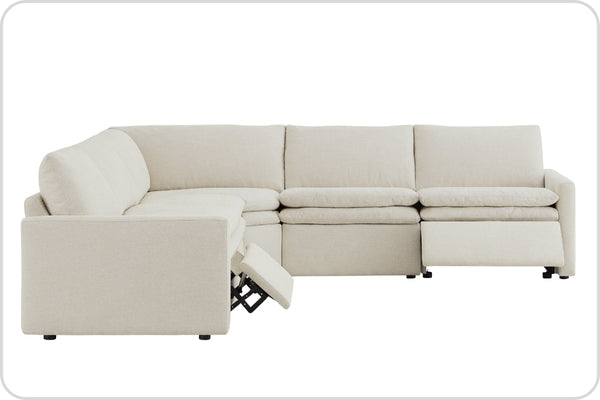
Choose a model with legs (tapered wood or metal) rather than a skirted base. Seeing the floor underneath the chair creates an illusion of more space. The Oliver Power Recliner Sofa Chair is a prime example of a design that slides forward as it reclines, requiring minimal rear clearance while maintaining a "leggy," modern look.
For more inspiration on maximizing tight layouts, see our small home furniture arrangement tips. You can also explore specialized collections like the Genuine Leather Recliner Collection or the Oliver Wall-hugger Reclining Sectional Sofa Collection for models engineered for modern aesthetics.
For those concerned about longevity, we recommend decoding upholstery standards or checking out pet-proof luxury recliners to ensure your investment stands up to daily life.

FAQs About Aesthetic Power Recliners
How much wall clearance does a wall-saver recliner actually need?
While it varies by manufacturer and mechanism design, most wall-saver models require between 2 and 6 inches of clearance. Always verify the specific "clearance from wall" metric in the product specifications, as some "zero-wall" designs may still require a 1-2 inch buffer to avoid fabric friction.
Can power controls be completely hidden?
"Hidden" usually means "discreet." Most modern designs use flush-mounted buttons on the inner arm or toggle switches that mimic the look of the chair's hardware. While app-controlled or sensor-based "invisible" controls exist, they are less common than integrated physical buttons.
Does a sleek design mean it’s less comfortable?
Not necessarily. Modern aesthetic recliners often use high-density foam which typically offers more durable support in slim profiles compared to standard batting. Dual-motor systems (independent headrest and footrest) can also offer more precise ergonomic customization, though comfort remains a subjective experience that is best verified by trial.
What is the best way to measure for a recliner in a small living room?
Use painter's tape to outline the chair's footprint in both its upright and fully reclined positions. Ensure there is at least 15–18 inches of clearance between the extended footrest and the coffee table or walkway to maintain a functional "walk zone."
Are swivel glider power recliners good for small spaces?
They are excellent for open-plan studios because they allow you to pivot between different zones (e.g., TV and conversation). However, they often have a circular base that can be more visually prominent than fixed legs, so consider the "visual weight" before purchasing.
How do I maintain the look of a light-colored fabric recliner?
Choose a performance fabric with a high "double rub" count and stain-resistant treatment. Regular vacuuming with an upholstery attachment prevents dust from settling into the weave, which preserves the "new" look of the chair and prevents premature wear on the fibers.
Recommended Products

More to Read
 7 Sofa Trends That Actually Improve Comfort in 2026
Upgrade your living room with furniture that supports your body. Here are 7 modern sofa features designed to maximize your daily comfort...
7 Sofa Trends That Actually Improve Comfort in 2026
Upgrade your living room with furniture that supports your body. Here are 7 modern sofa features designed to maximize your daily comfort...
 Mother's Day Gift Guide: Cozy and Stylish Furniture Picks for Modern Moms
Make Mother's Day more meaningful with furniture gifts that bring comfort, smart features, storage, and quiet luxury into her everyday routine.
Mother's Day Gift Guide: Cozy and Stylish Furniture Picks for Modern Moms
Make Mother's Day more meaningful with furniture gifts that bring comfort, smart features, storage, and quiet luxury into her everyday routine.
 Performance Fabric Reality Check: Does It Really Repel Pet Hair and Stains?
Performance fabric is often marketed as a miracle solution for homes with pets and kids, but the reality is more nuanced. It...
Performance Fabric Reality Check: Does It Really Repel Pet Hair and Stains?
Performance fabric is often marketed as a miracle solution for homes with pets and kids, but the reality is more nuanced. It...