


























Biohacking Your Living Room: Using Zero Gravity Recliners for Daily Athletic Recovery

The NASA-Inspired Reset: How Zero Gravity Works for Athletes
Zero gravity positioning is rooted in NASA research regarding Neutral Body Posture (NBP). In microgravity environments, the human body naturally adopts a posture that minimizes stress on the musculoskeletal system (NASA Neutral Body Posture in Spaceflight). On Earth, zero gravity recliners aim to replicate this by reclining the torso and elevating the legs.
Most high-quality recovery chairs target an angle between the torso and thighs of approximately 120 to 128 degrees. This specific alignment is designed to distribute body weight more evenly than a standard recliner, which often stops at a shallower angle. For athletes, this means the chair serves as a dedicated athletic recovery chair that supports post-training decompression. Many modern models now feature precision power adjustments, allowing you to find the exact "sweet spot" where your lower back feels most supported and your legs feel weightless.

The Physiology of Relaxation: Supporting Natural Recovery
When you transition into a zero gravity position, elevating the legs above the heart level may help the body feel more relaxed by supporting natural circulation. This posture is often used to assist in the subjective feeling of reduced leg heaviness and to help manage minor post-workout swelling, according to ergonomic resources on neutral posture (Neutral Posture and Zero Gravity Benefits).
By distributing weight across the entire chair surface, this position can also help reduce the perceived pressure on the spinal column. While some laboratory tests and manufacturer studies suggest significant reductions in spinal load compared to upright sitting, individual results vary based on body type, height, and the specific foam density of the chair.
Beyond the physical support, this "neutral" angle often helps the mind transition out of "training mode." By providing a stable, supported environment, the chair supports a shift toward a more relaxed state, making it easier to wind down after a high-intensity session. This is why many biohacking enthusiasts treat a zero gravity chair for back pain relief as a tool for daily stress management rather than just a piece of furniture.
For deeper reading on posture while reclining, see our guide on What is the Healthiest Way to Sit in a Recliner? and Are Recliners Good for Lower Back Pain?.
Finding Your Recovery Dose: Timing and Duration
Most users report the best results from sessions lasting 15 to 30 minutes. This window is typically sufficient to encourage a sense of physical and mental relaxation without leading to the grogginess sometimes associated with long naps.
- Immediate Post-Training (1–2 hours): Endurance athletes often find that using the chair shortly after a run or ride helps reduce the feeling of "heavy legs."
- Evening Wind-Down: Strength athletes may prefer using the chair later in the day to support a mental downshift and prepare the body for sleep.
Finding Your Recovery Dose
A practical view of common recovery windows by athlete type, showing when a short session is usually enough and when a longer recovery block is more typical.
View chart data
| Category | Typical session length (min) | Typical timing after training (hours) |
|---|---|---|
| Endurance athletes | 20 | 1.5 |
| Strength athletes | 30 | 1 |
The chart above provides a general framework for planning your sessions. Treat these ranges as a starting point rather than a strict prescription; the goal is to find a rhythm that complements your specific training load.
Is It Working? A 2-Week Self-Assessment Checklist
To determine if a zero gravity recliner is effectively supporting your recovery, we recommend tracking your experience over the first 14 days. Use this checklist to evaluate the chair's impact:
- Subjective Leg Tension: Do your legs feel "lighter" or less tight after a 20-minute session?
- Spinal Comfort: Does your lower back feel neutral and supported, or do you feel the need to shift positions frequently?
- Mental State: Does the session help you transition from the "high" of a workout to a state of calm?
- Sleep Quality: Have you noticed any improvement in how quickly you fall asleep on days you use the chair?
- Ergonomic Fit: Does the headrest and lumbar support keep your neck and back in a comfortable, neutral line without straining?
If you find yourself needing more or less leg elevation, use the independent motors to adjust the angle until the pressure on your lower back feels minimized.
Integrating Recovery Tech into a Modern Living Room
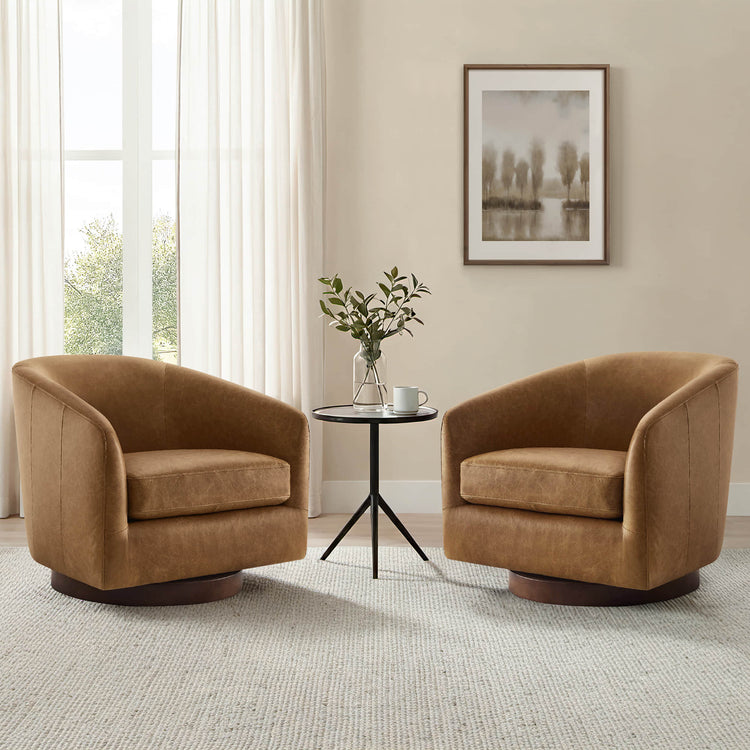
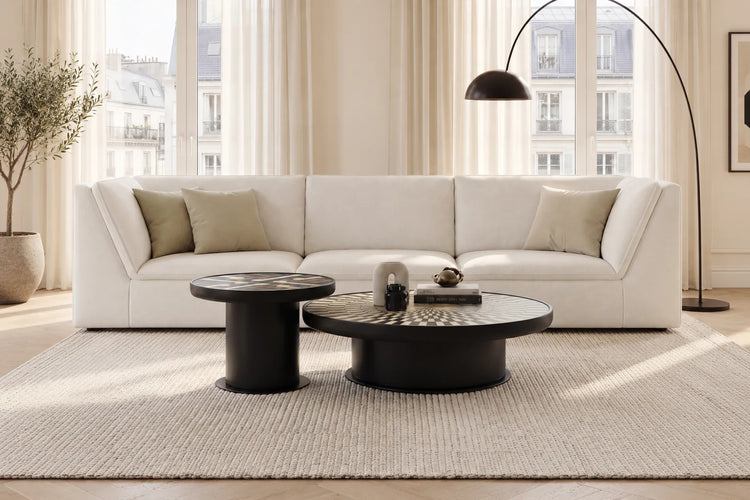
Home wellness trends in 2026 emphasize "invisible" recovery—tools that blend seamlessly into everyday living areas (7 Home Wellness Trends You Can Expect to See in 2026). A zero gravity recliner no longer needs to look like a clinical device.
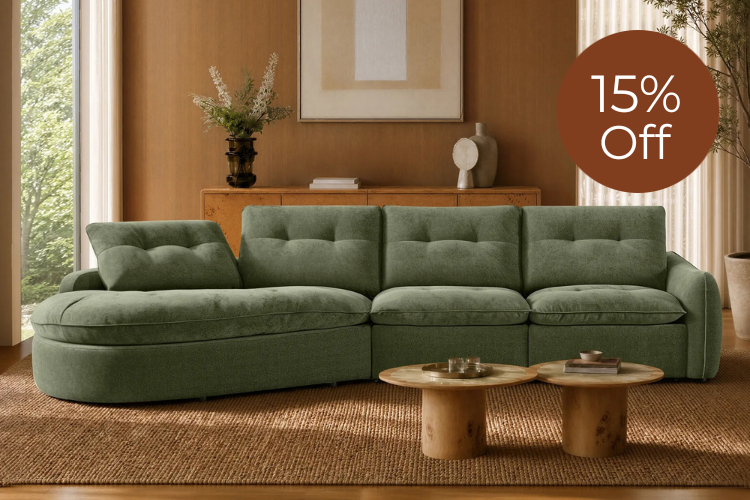
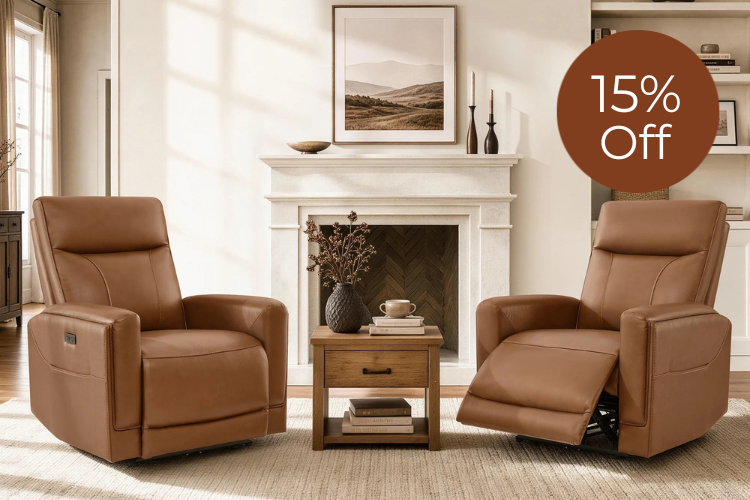
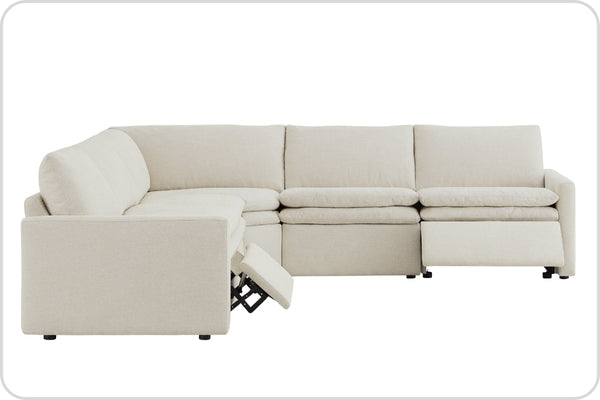
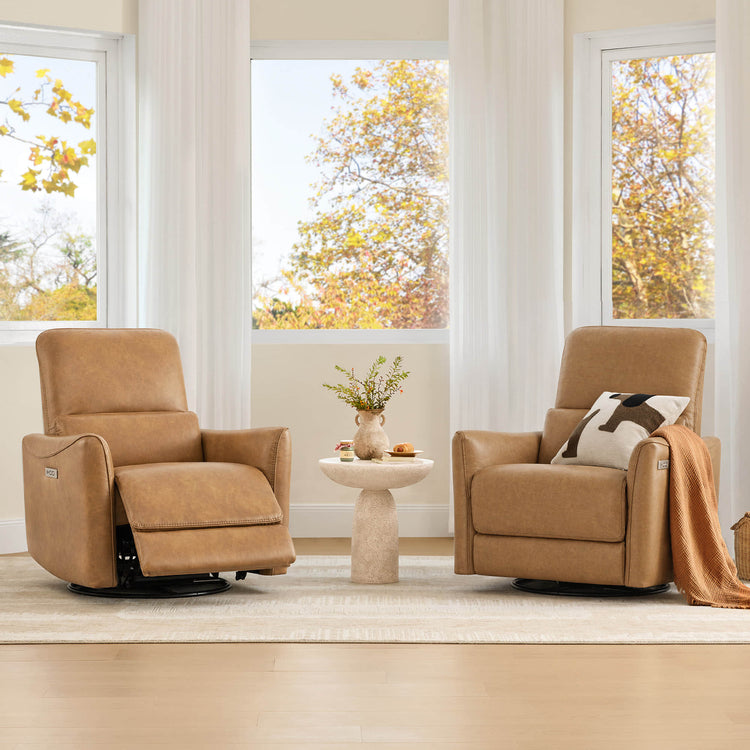
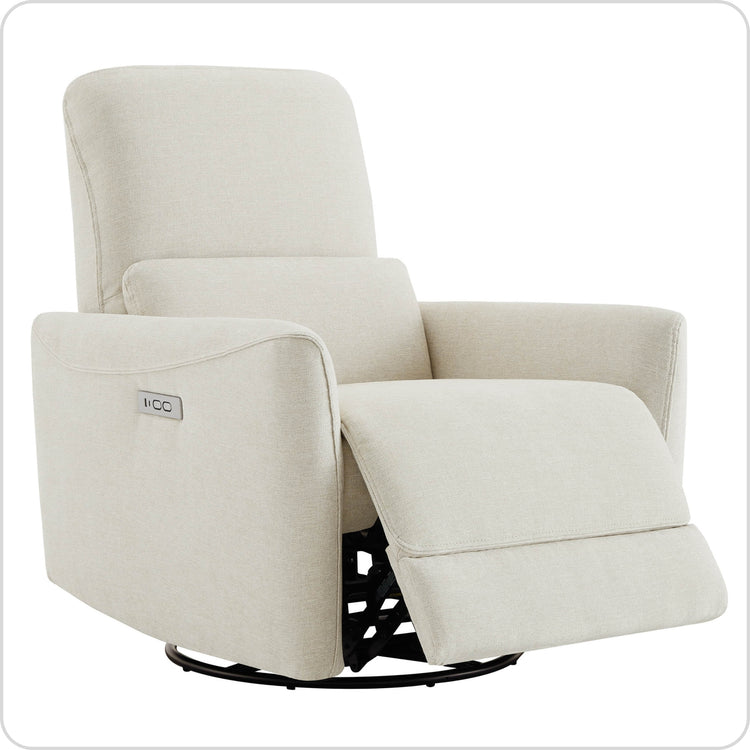
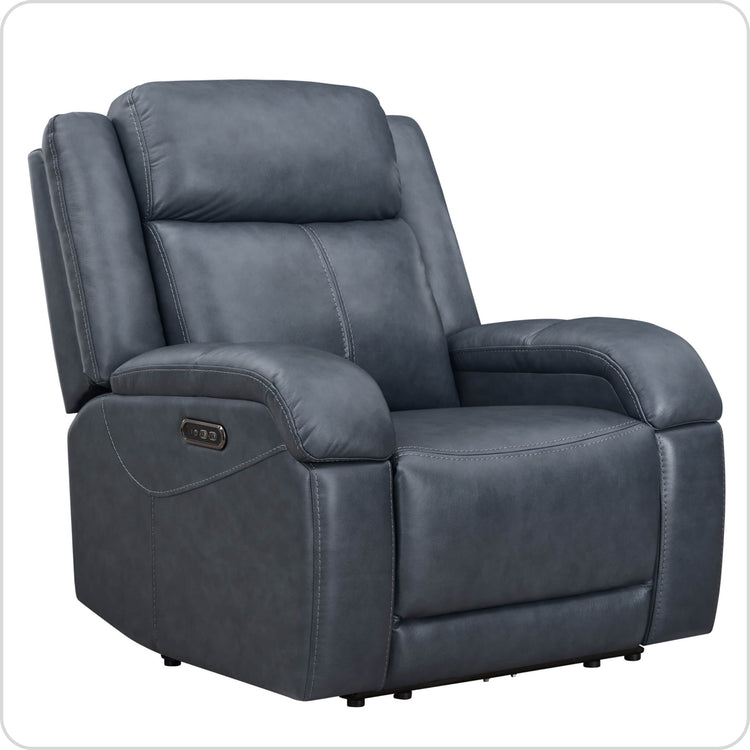
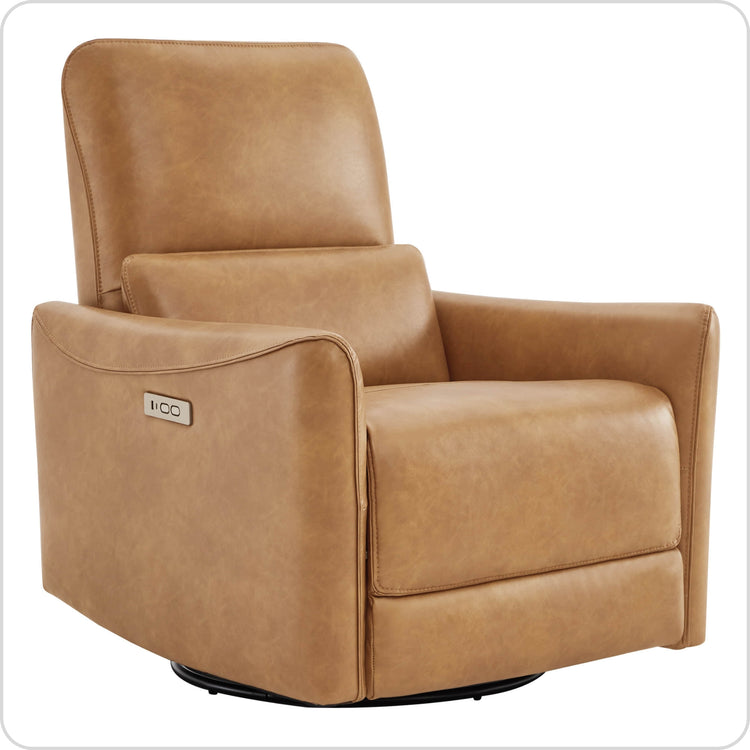
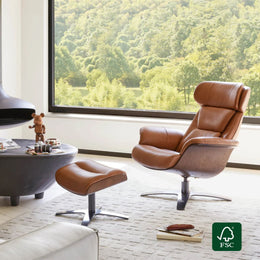
Zero-wall or wall-hugger designs are particularly effective for modern homes, requiring only 4 to 8 inches of rear clearance. This allows you to place the chair in a standard living room layout without blocking walkways. Choosing performance fabrics like bouclé or top-grain leather ensures the chair functions as high-end lounge furniture for reading or conversation when not in "recovery mode." Our Skyline Zero Gravity Power Reclining Sofa Collection and Ohana modular options are designed with this aesthetic balance in mind.

Buying Criteria: What to Look for in a Recovery Chair
To ensure you are getting a chair that provides genuine support, focus on these expert-recommended features:
- Independent Dual Motors: This is critical. Single-motor chairs often move the back and footrest together. Independent controls allow you to reach the precise 120–128 degree angle required for a true neutral posture.
- Power Headrest and Lumbar: These features allow you to maintain a neutral neck position while watching TV or reading in a reclined state (see 5 Hidden Benefits of an Adjustable Headrest on Your Recliner).
- Medium-Firm Foam Density: Avoid chairs that are too "plush." You want foam that supports your frame rather than letting you sink into a slouch.
- Quiet Operation: If the chair is in a shared living room, look for motors that operate smoothly and quietly to avoid disrupting the household.
For more help, read Headrest Recliners vs. Traditional Recliners: Which Is Right for You? and How to Find a Recliner With an Adjustable Headrest for the Perfect Fit?.
Safety and Suitability
While zero gravity positioning is generally considered safe for relaxation, it is important to use the chair mindfully:
- Listen to Your Body: If you experience dizziness, shortness of breath, or neck discomfort while reclined, return to an upright position immediately.
- Consult a Professional: If you have a history of cardiovascular disease, are recovering from recent surgery, or have chronic spinal conditions, consult your doctor or physical therapist before incorporating a zero gravity chair into your routine.
- Not a Medical Device: Treat the chair as a tool for comfort and postural support. It is intended to complement, not replace, professional medical care or active recovery protocols.
Frequently Asked Questions
Do zero gravity recliners actually help athletic recovery?
They provide a supportive position that may assist with circulation and reduce perceived spinal pressure. While many athletes find they help ease post-workout tension and swelling, they should be used as part of a broader recovery plan including nutrition and sleep.
How long should I stay in the zero gravity position?
A session of 15–30 minutes is usually ideal for most users. This is long enough to feel the benefits of decompression without interfering with your daily schedule or nighttime sleep patterns.
Can I use a zero gravity recliner if I have a heart condition?
Because this position involves elevating the legs above the heart, it can affect circulation. If you have any cardiovascular concerns or high-risk conditions, you must consult with a medical professional before use.
What is the main difference between zero gravity and standard recliners?
Standard recliners often do not elevate the legs high enough to reach the "neutral body posture" defined by NASA. True zero gravity models allow for a specific 120–128 degree angle that better distributes body weight.
Can a zero gravity recliner replace my physical therapist?
No. These chairs are high-end wellness furniture designed for comfort and postural support. They are not medical devices and cannot diagnose or treat injuries. Always follow the guidance of a qualified healthcare provider for chronic pain or injury recovery.
Recommended Products


More to Read
 7 Sofa Trends That Actually Improve Comfort in 2026
Upgrade your living room with furniture that supports your body. Here are 7 modern sofa features designed to maximize your daily comfort...
7 Sofa Trends That Actually Improve Comfort in 2026
Upgrade your living room with furniture that supports your body. Here are 7 modern sofa features designed to maximize your daily comfort...
 Mother's Day Gift Guide: Cozy and Stylish Furniture Picks for Modern Moms
Make Mother's Day more meaningful with furniture gifts that bring comfort, smart features, storage, and quiet luxury into her everyday routine.
Mother's Day Gift Guide: Cozy and Stylish Furniture Picks for Modern Moms
Make Mother's Day more meaningful with furniture gifts that bring comfort, smart features, storage, and quiet luxury into her everyday routine.
 Performance Fabric Reality Check: Does It Really Repel Pet Hair and Stains?
Performance fabric is often marketed as a miracle solution for homes with pets and kids, but the reality is more nuanced. It...
Performance Fabric Reality Check: Does It Really Repel Pet Hair and Stains?
Performance fabric is often marketed as a miracle solution for homes with pets and kids, but the reality is more nuanced. It...