




























Back-to-School Furniture Ideas: Create a Homework Station at Home
Back-to-School Furniture Ideas: Create a Homework Station at Home
By LivingChita · Originally published August 5, 2025 · Updated August 2026 · 9 min read

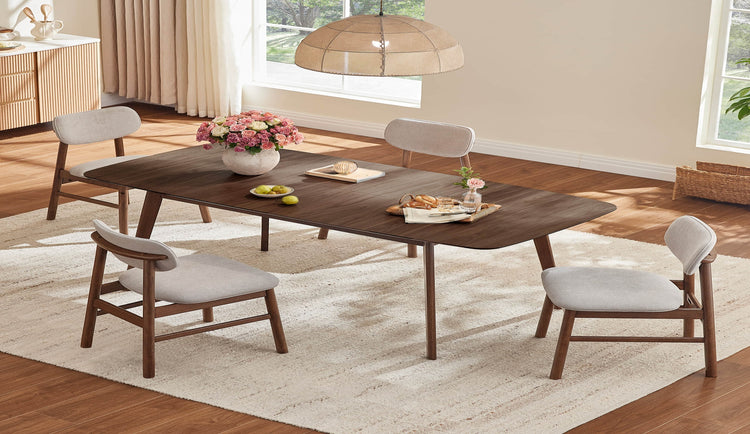
Coral oval dining table, styled as a flexible family study space.
The short answer
A useful home homework station needs five things: a stable work surface, a seat that fits the student, focused lighting, easy-to-reach storage, and a simple reset routine. It can live in a dining room, bedroom, living room, or another shared space; a dedicated home office is optional.
Back-to-school season often brings a familiar trail of notebooks, chargers, art supplies, and half-finished projects. The right setup gives those items a home and makes it easier for a student to begin the next task. It does not have to be large or expensive. The best back-to-school furniture ideas start with the student, the work they do, and the space your family already has.
Use this guide to plan a kids' study area, create a small homework station, or improve a shared family work zone without redesigning the whole room.
In this guide
- Quick checklist
- Plan the space
- Choose furniture
- Small study spaces
- Shared stations
- Family-friendly choices
- Weekly reset
- FAQs
A 7-Step Homework Station Checklist
- Choose a low-traffic location with enough light.
- Measure the surface, chair pullback, and walkway.
- Match the work surface to laptops, books, and paper.
- Check that the student's feet and back are supported.
- Keep daily supplies within easy reach.
- Create one safe, tidy place for chargers and cables.
- Test the setup for a week, then adjust what is not working.
Start With the Student and the Room
Before choosing study space furniture, answer four questions. Who will use the area? What tasks happen there? Is the room dedicated or shared? What can the space hold without blocking a walkway, door, vent, or drawer?
A younger student may benefit from a homework station in a visible family area, where an adult can help when needed. An older student may prefer a quieter bedroom corner. Siblings may need separate supply zones even when they share the same table. These differences matter more than trying to copy a picture-perfect study room.
Dining room
Works well for shared homework and larger projects. Use a tray, caddy, or nearby cabinet so the table can return to family use after study time.
Living room
A good option when supervision matters. Define the zone with a lamp, small rug, compact storage piece, or one consistent end of a table.
Bedroom corner
Offers more quiet and independence. Protect sleep space by keeping school supplies contained and turning bright screens away from the bed.
Reading corner
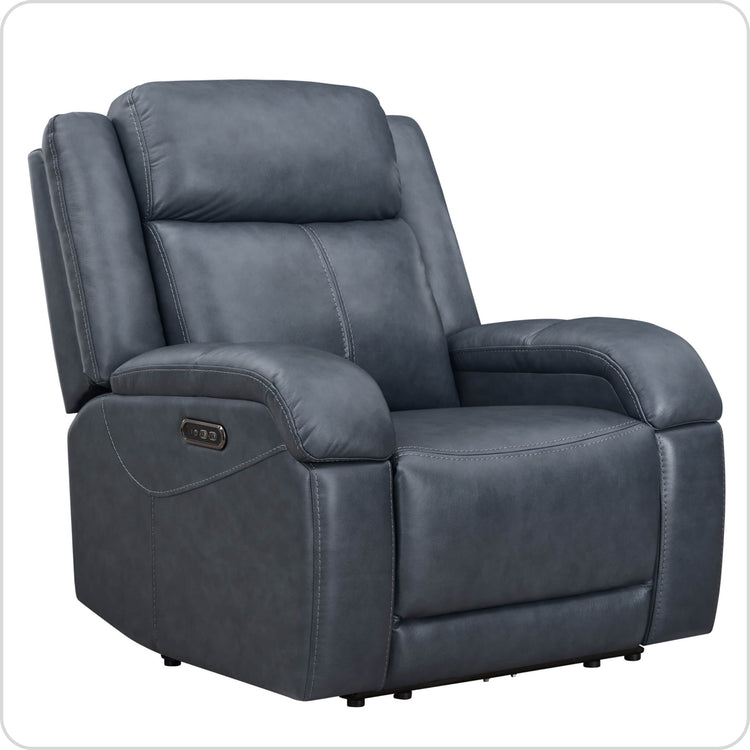
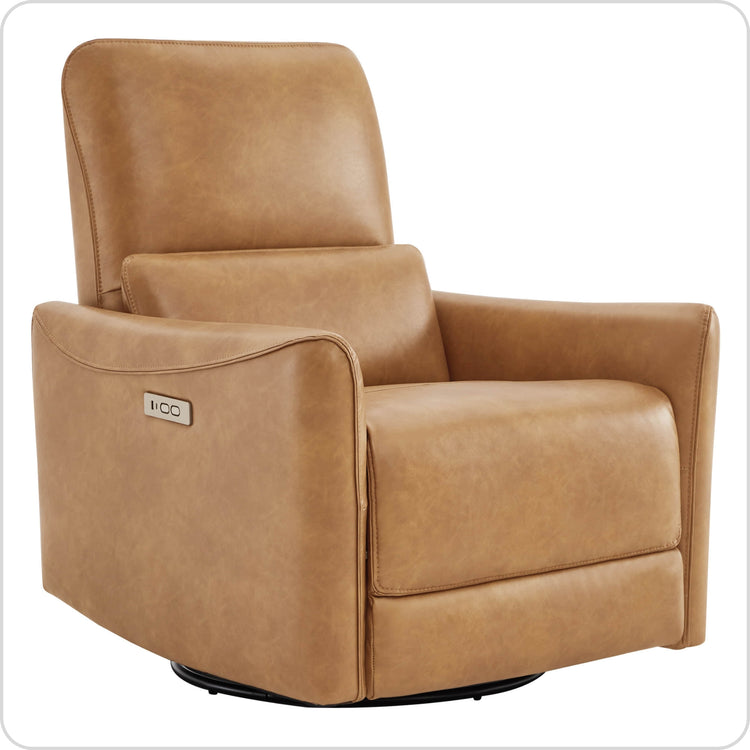
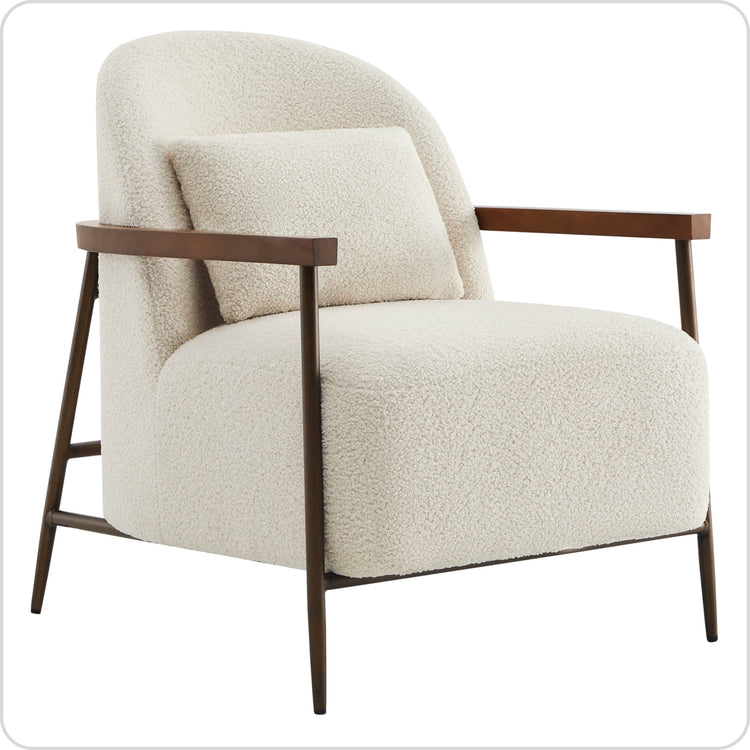
Pairs a focused work zone with a separate place for reading. An accent chair or recliner belongs here—not as the default chair for handwriting or computer tasks.
Choose Homework Station Furniture by Function
1. A stable work surface
A desk is one option, but it is not the only one. A console, compact table, or one end of a dining table can become a practical homework station. The surface should hold the student's usual materials without forcing books, paper, and a laptop into one small stack.
Before buying anything, mark the furniture footprint on the floor with painter's tape. Pull a chair into the marked space and check the remaining walkway. Also measure the path from the entrance to the room if a new table or storage piece will be delivered. If one surface needs to serve both meals and schoolwork, CHITA's small dining table guide explains how to compare footprint, shape, and chair clearance.

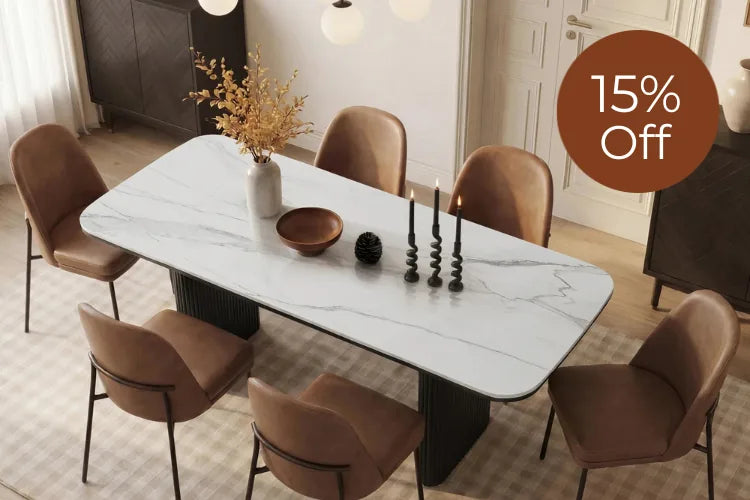
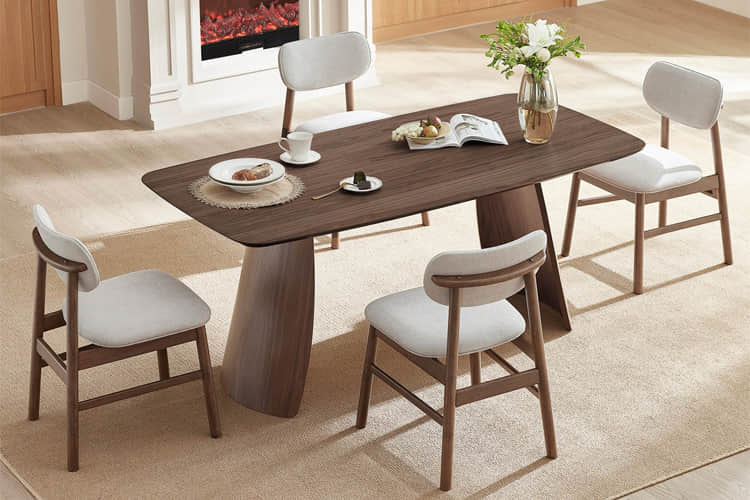
The Hilda extendable dining table provides a generous shared surface; measure chair clearance before using it as a homework zone.
2. A chair that fits the task and the student
For writing and computer work, look for a stable seat that lets the student sit back while keeping feet supported. The work surface should feel comfortable when shoulders are relaxed and elbows are near the body. If the seat is the right height but the student's feet do not reach the floor, a stable footrest can help. For child-specific advice on screen height, supported feet, glare, and movement breaks, see the American Academy of Pediatrics' computer setup guidance ↗.
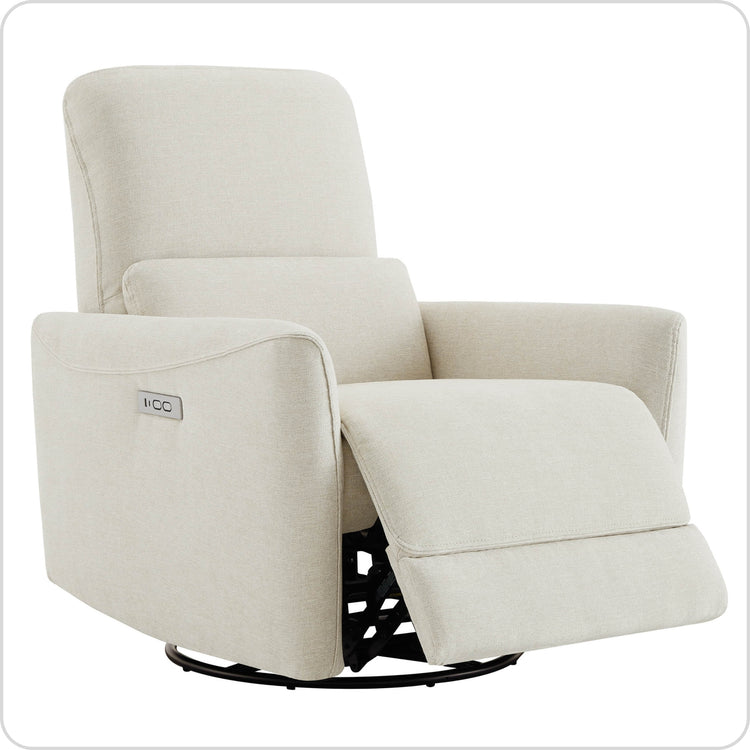
Soft lounge seating has a different job. An accent chair or recliner can make a welcoming reading and break zone, but a supported upright seat is usually more practical for handwriting, crafts, and laptop work.
3. Storage split into “today” and “later”
Homework station organization becomes easier when daily supplies are separate from archived schoolwork. Keep pencils, paper, chargers, and current books close to the work surface. Store completed projects, spare supplies, and seasonal materials farther away.
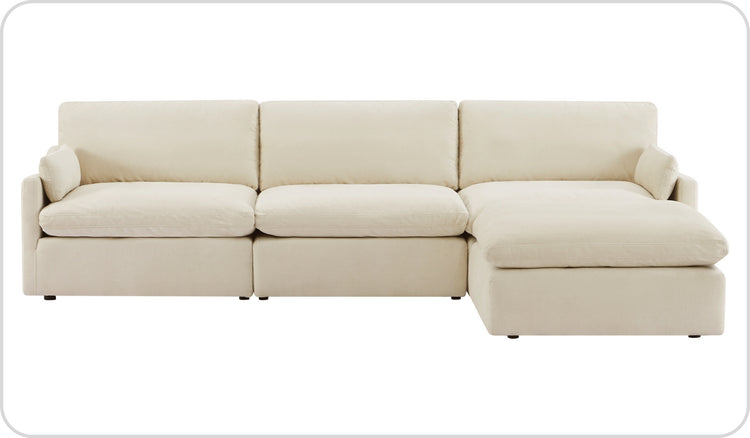
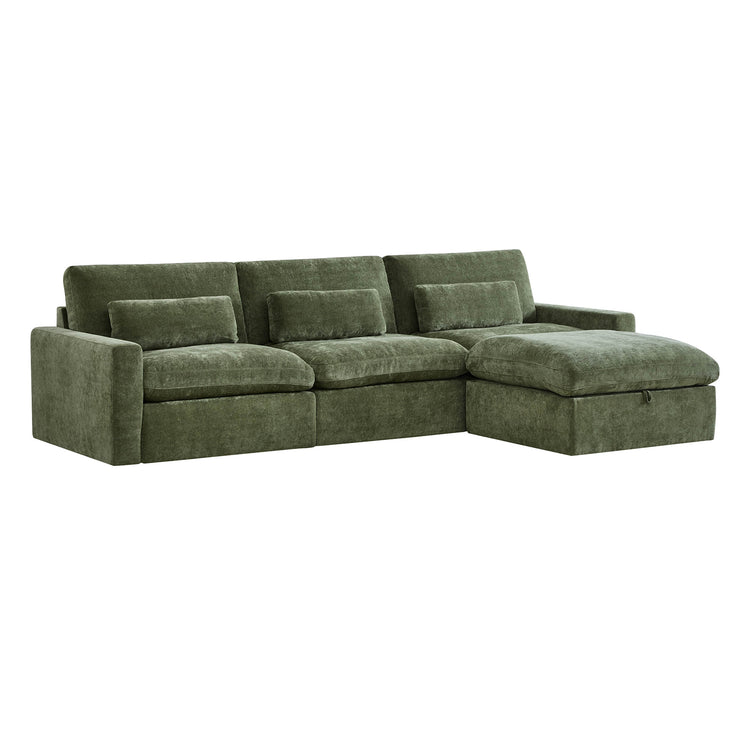
In a shared family room, closed storage furniture can reduce visual clutter after study time. A cabinet, sideboard, or storage ottoman can also help the room serve more than one purpose. Choose a piece based on its listed dimensions and care instructions, and avoid overfilling lids or drawers.

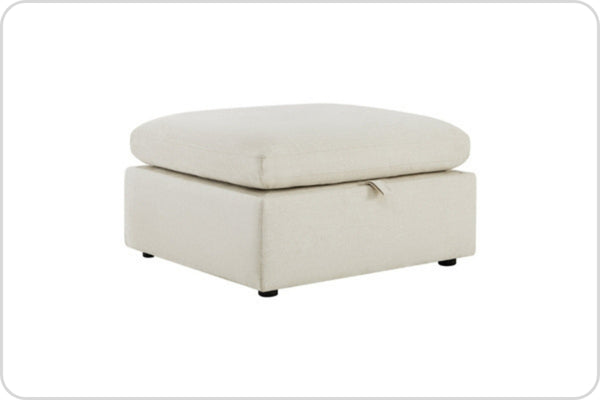
The Vault storage ottoman keeps everyday supplies close while allowing a shared room to reset quickly.

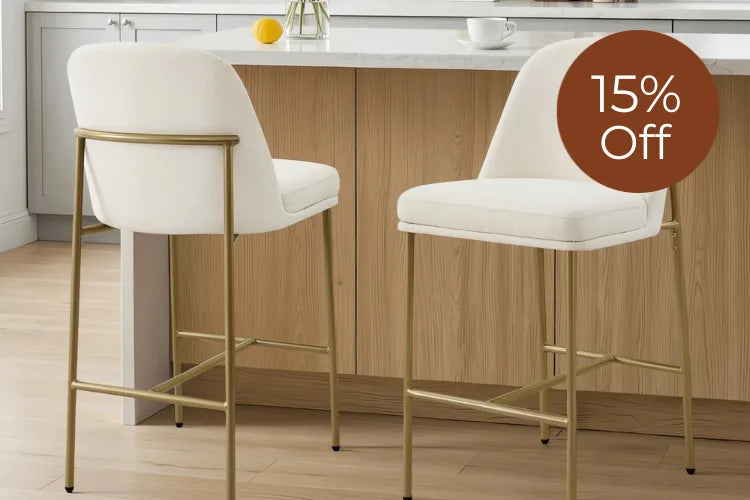
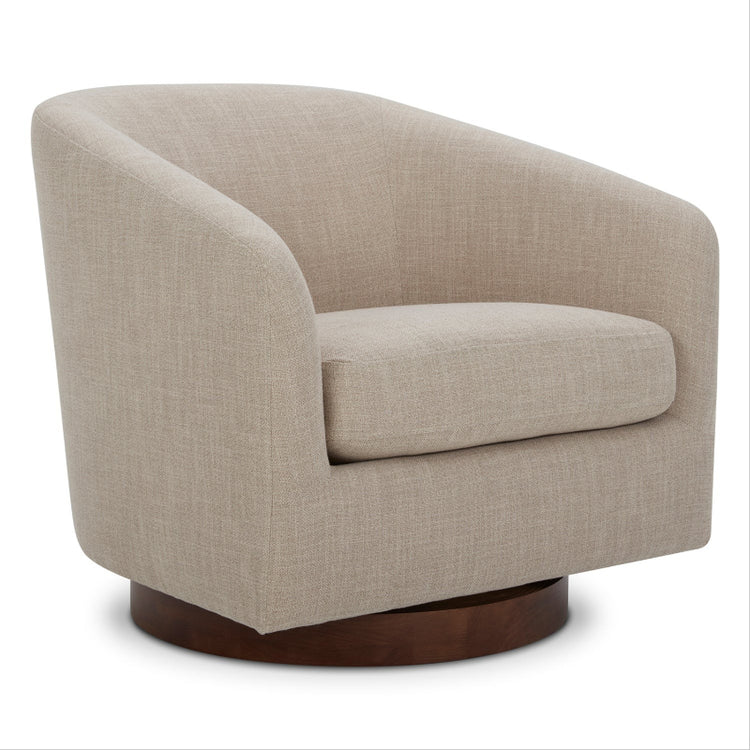
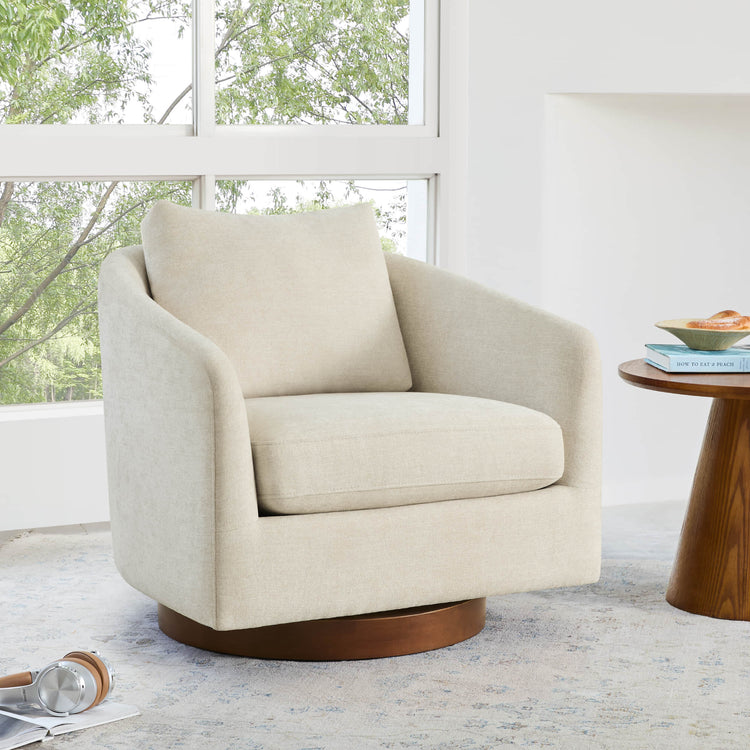
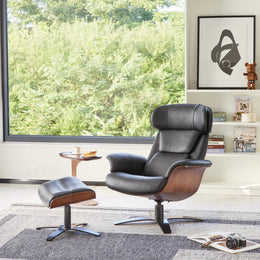
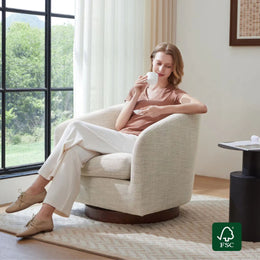
The Wren swivel accent chair creates a separate reading-and-break zone beside focused desk work.
4. Task lighting and manageable cables
Use daylight when it is comfortable, then add a task light for darker hours. Position the light so the student's hand and device do not cast heavy shadows across the work area. If a screen reflects a window or lamp, change its angle before adding more brightness.
Keep power strips and loose cables away from feet and moving chair parts. Give chargers a permanent parking spot so they do not take over the center of the work surface.
5. A separate place to read and reset
Some assignments are easier when a student can move from a table to a comfortable reading chair. If space allows, create a small reading corner with an accent chair, side table, and lamp. The separate zone also gives the room a useful life beyond homework. For more planning ideas, see CHITA's reading nook layout guide.
Small Study Space Ideas That Do Not Take Over the Room
A small study area works best when every item earns its place. Start with the minimum setup, then add only what solves a real problem. CHITA's small-space furniture layout guide offers broader ideas for multipurpose pieces, clear pathways, and visual zones.
- Use vertical space. A wall shelf, pegboard, or tall narrow organizer can hold supplies without using more floor area. Mount wall storage according to the manufacturer's instructions; for tall or top-heavy pieces, review the U.S. Consumer Product Safety Commission's furniture tip-over safety guidance ↗.
- Create a mobile homework kit. Put everyday supplies in a caddy or rolling cart that can move to the dining table and return to storage afterward.
- Choose closed storage for multipurpose rooms. Doors, drawers, baskets, and storage ottomans make a family room feel less like a permanent classroom.
- Keep the walkway visible. A narrow surface is not useful if the chair blocks a door or the main path through the room.
- Make one visual boundary. A lamp, rug, wall color, or small piece of storage can signal where the study zone begins without adding a divider.
How to Organize a Shared Homework Station
A shared homework station needs clearer rules than a single-user desk. Give each student a labeled drawer, bin, or folder. Keep shared items—such as extra paper, scissors, and chargers—in a neutral center zone. Personal work should have a separate landing place so one student's project does not disappear under another's supplies.
If siblings need quiet at different times, add a simple schedule. One student can use the primary surface while another reads in the secondary seating area, then they can switch. A shared family table can work well when supplies pack away quickly and the household agrees on when the surface returns to dining use. Cornell Cooperative Extension's homework-space guidance ↗ also recommends minimizing distractions and assigning storage when a dining table serves two purposes.
Pick Family-Friendly Pieces You Can Maintain
“Family-friendly” should describe how a piece works in your home, not act as a vague promise. Before choosing a table, chair, or storage unit, review its dimensions, materials, weight limits, assembly requirements, and care instructions.
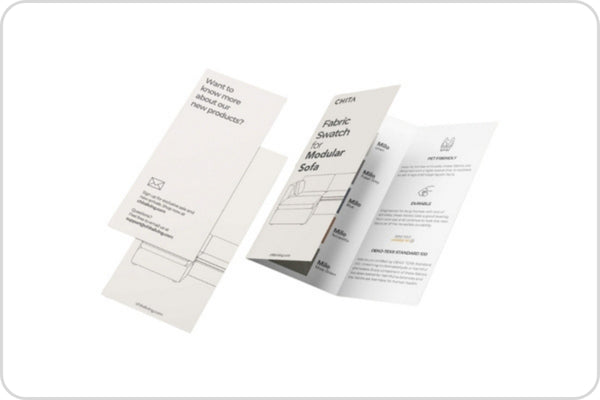
- Request or review a fabric swatch when color and texture matter.
- Follow the cleaning code or care label instead of assuming every upholstery fabric handles water or stain remover the same way.
- Check how drawers, doors, lids, and chair movement interact with walls and walkways.
- Choose finishes based on the actual tasks: markers, glue, snacks, and craft projects may call for an easy-to-protect surface.
- Recheck the setup as the student grows or begins using different devices.
If upholstered seating is part of the room, CHITA's performance-fabric care guide explains why cleaning codes, swatches, and prompt spill care matter more than broad stain-proof promises.
The 15-Minute Weekly Reset
Even a well-planned kids' study area will become cluttered without a routine. Once a week, use a short reset to return supplies, recycle unneeded papers, wipe the work surface according to its care instructions, charge devices, and check the next week's materials.
The goal is not a showroom-perfect desk. It is a space where the next task can begin without first searching for a pencil, clearing yesterday's papers, or untangling every charger.
Build Around the Way Your Family Lives
Explore current CHITA categories for shared work surfaces, closed storage, reading-corner seating, and flexible family-room pieces. Availability and offers can change, so use the live collection pages rather than a fixed discount quoted in an evergreen guide.
Frequently Asked Questions
How do you set up a homework station at home?
Choose a low-traffic place with enough light and an outlet nearby. Add a work surface, a seat that fits the student, a task light, and storage for everyday supplies. Keep the setup simple, then adjust it after the student has used it for a week.
What furniture should a kids' study area include?
Start with a stable work surface and a well-fitting chair. Add a small drawer unit, shelf, basket, or cabinet for supplies. A separate accent chair or recliner can create a reading corner, but it should not replace the main chair for handwriting or computer work.
How do you create a study space in a small room?
Use a shallow work surface, vertical storage, and a mobile supply cart or basket. Place the station in an unused corner or at one end of a dining table, and preserve a clear walkway. Closed storage helps the room return to its regular use after homework.
Where should kids study at home?
The best location depends on age, task, and household routine. Younger students may work well in a visible dining or living area, while older students may prefer a quieter bedroom corner. The space should have enough light, room for materials, and manageable distractions.
Can a homework station work in a living room or shared room?
Yes. Use a visual boundary such as a rug, lamp, tray, or compact cabinet. Give each student a defined supply zone and create a simple pack-away routine so the room can switch back to family use.
How do you organize a shared homework station?
Assign each student a labeled bin or drawer, separate shared supplies from personal materials, and create a charging spot away from the writing area. If students need quiet at different times, add a simple schedule for the shared surface.
Make the Space Easy to Start and Easy to Reset
The most effective back-to-school furniture ideas are the ones your household can maintain. Choose a location that fits the student's routine, give each item a clear job, and leave enough flexibility to adjust after the school year begins. A practical homework station does not need its own room—it needs a useful surface, appropriate seating, simple storage, good light, and a reliable reset.
Recommended Products


More to Read
 7 Sofa Trends That Actually Improve Comfort in 2026
Upgrade your living room with furniture that supports your body. Here are 7 modern sofa features designed to maximize your daily comfort...
7 Sofa Trends That Actually Improve Comfort in 2026
Upgrade your living room with furniture that supports your body. Here are 7 modern sofa features designed to maximize your daily comfort...
 Mother's Day Gift Guide: Cozy and Stylish Furniture Picks for Modern Moms
Make Mother's Day more meaningful with furniture gifts that bring comfort, smart features, storage, and quiet luxury into her everyday routine.
Mother's Day Gift Guide: Cozy and Stylish Furniture Picks for Modern Moms
Make Mother's Day more meaningful with furniture gifts that bring comfort, smart features, storage, and quiet luxury into her everyday routine.
 Performance Fabric Reality Check: Does It Really Repel Pet Hair and Stains?
Performance fabric is often marketed as a miracle solution for homes with pets and kids, but the reality is more nuanced. It...
Performance Fabric Reality Check: Does It Really Repel Pet Hair and Stains?
Performance fabric is often marketed as a miracle solution for homes with pets and kids, but the reality is more nuanced. It...