









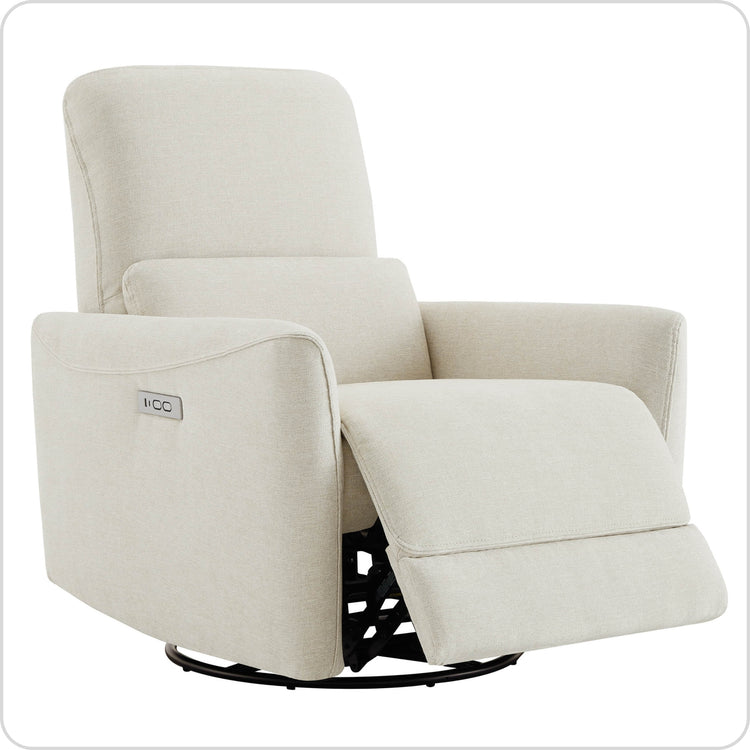
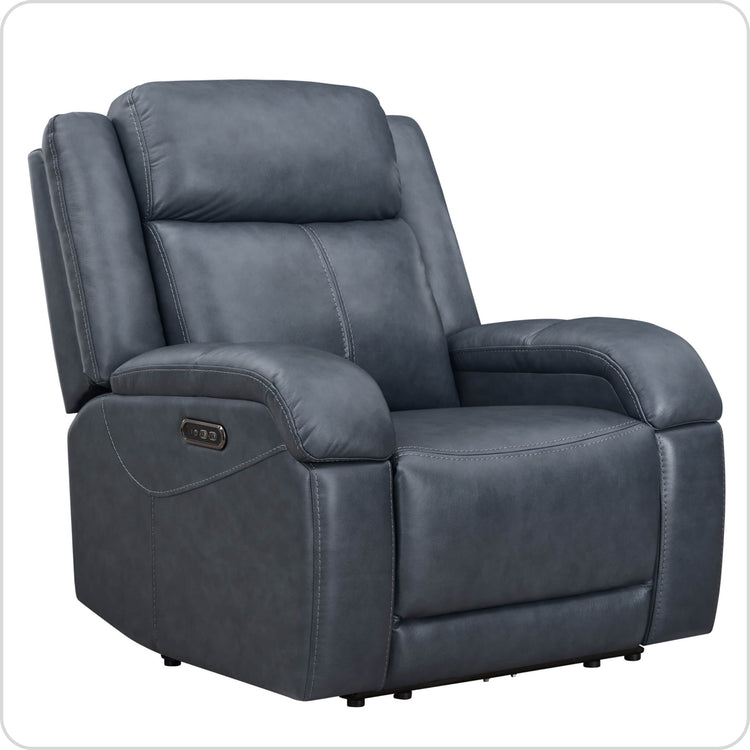
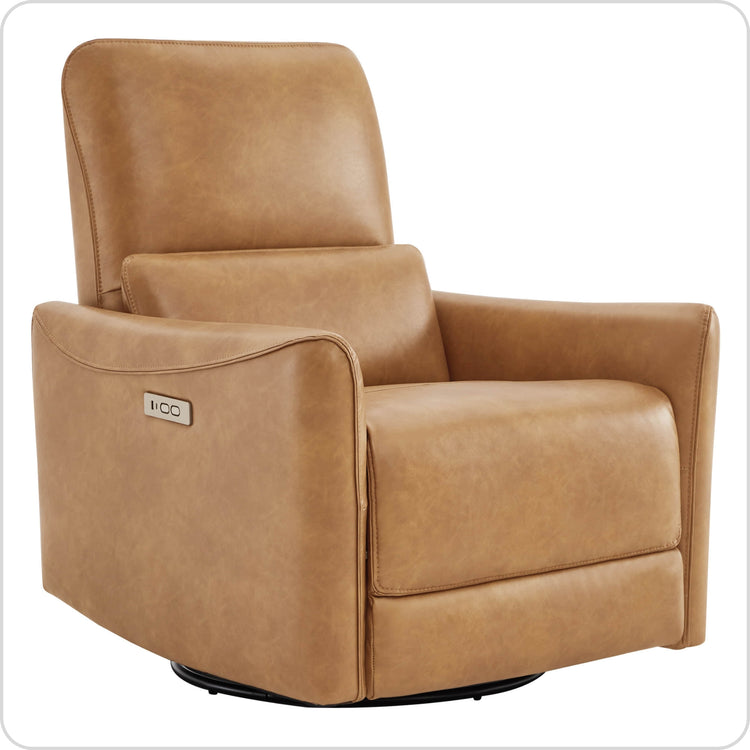


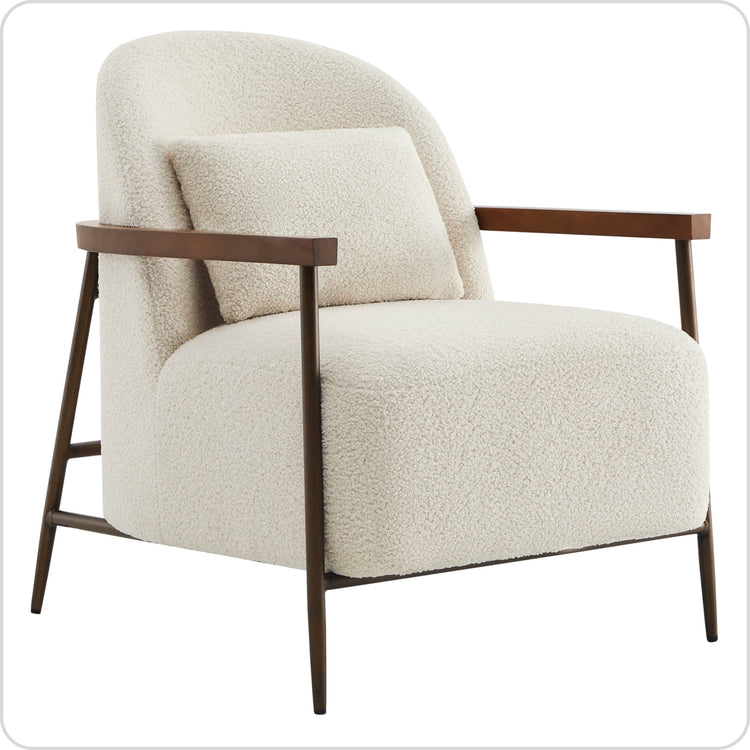
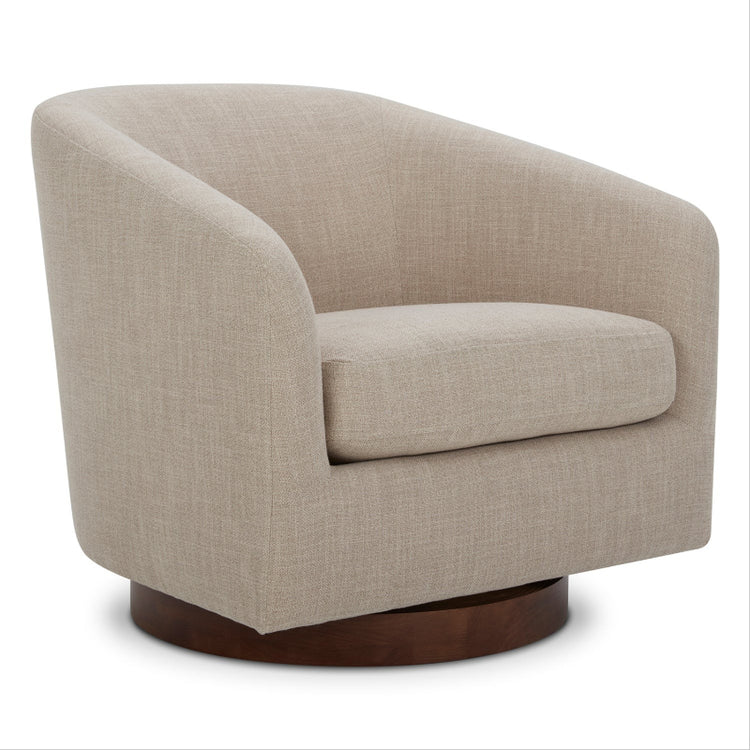



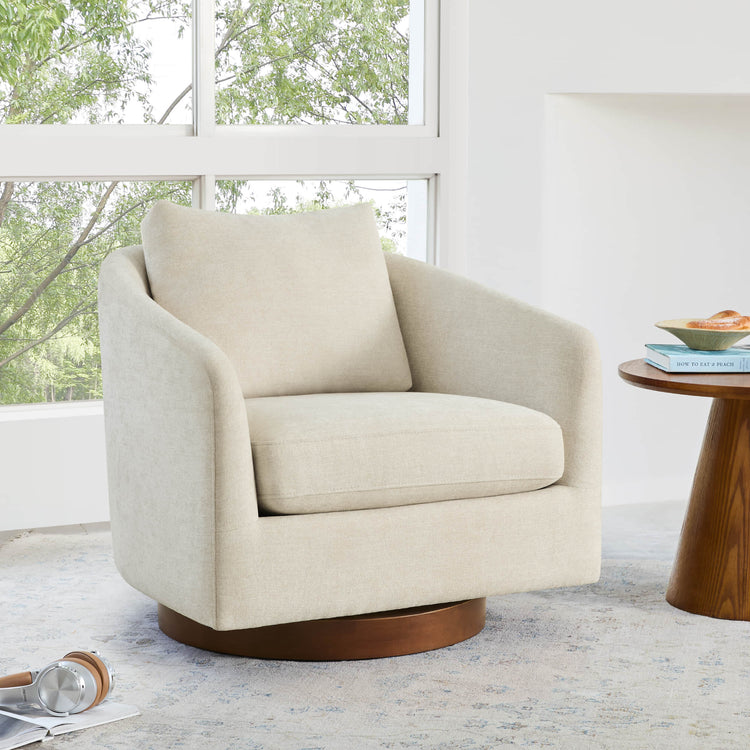










The 2026 recliner trends for bedroom corners are really about making a seat look intentional, not squeezed in. In practice, that means choosing a recliner with a lighter silhouette, checking the full recline footprint, and deciding whether power features are actually worth the space. If the corner has to stay open and calm, fit matters more than trend labels.

Why Bedroom Corners Are Getting More Attention in 2026
Bedroom corners are moving from leftover space to planned seating zones. Designers are leaning into calmer primary-suite trends, softer textures, and furniture that supports quiet downtime without making the room feel crowded. That shift shows up clearly in calmer primary-suite trends, where the room is treated as a more intentional retreat than a catchall.
That does not mean every bedroom needs a recliner. It means the corner has become a reasonable place for reading, unwinding, or a low-key recovery routine if the chair stays visually light. A trend toward zero-gravity styling adds to that idea, but it should be read as a comfort-and-style cue, not a wellness promise.
For most shoppers, the real question is simple: can the chair fit the corner without taking over the room? If the answer is no, the trend is not a fit, no matter how good the recliner looks online.
What Makes a Recliner Work in a Bedroom Corner
The first thing to check is the chair's active footprint, not just its closed dimensions. CHITA's wall-hugger recliner guide emphasizes that the usable space includes what happens when the chair opens, not just the footprint when it is parked.
A practical rule is to measure three things: the upright size, the rear clearance needed to recline, and the space the footrest uses in front. For compact room planning, the minimalist power recliner guidance points to wall-hugger designs as the better choice when the chair has to live close to the wall. In many small rooms, that difference matters more than the chair's style name.
If you need a fast filter, use this one:
- Best fit if the corner has enough front space for the footrest and enough side room to walk past comfortably.
- Not a fit if the chair blocks a door swing, dresser drawer, or closet path.
- Check this first if you are choosing between two similar models: the one with the smaller active footprint usually wins.
Silhouette and Scale
Low-profile shapes usually feel best in bedrooms because they keep the room from reading as furniture-heavy. Slim arms, a lower back, and a cleaner base all help the chair blend into the corner instead of dominating it. That is one reason creating a private retreat is more about proportion than about picking the largest comfort feature set.
A chair can be comfortable and still look too large if its outline is bulky. In a bedroom, visual weight matters almost as much as physical width. If the room already has a tall bed, thick drapery, or a large nightstand, a heavy recliner can make the corner feel crowded even when the tape measure says it fits.

Clearance and Placement
Wall-hugger and zero-wall designs are the main fit advantage for compact corners. CHITA's clearance guidance says wall-hugger models typically need only a few inches behind the chair, while zero-wall mechanisms reduce that even further. The practical point is not the exact number. It is that these styles are built for rooms where every inch behind the chair matters.
The rest of the layout still needs attention. A compact bedroom nook should preserve a clear path, and a useful planning heuristic is to keep about 24 inches for secondary circulation if it does not interfere with doors or drawers. In tighter rooms, small-space recliner planning is usually won or lost on that pathway check.
One more decision rule helps here: if the chair has to live near a closet, dresser, or laundry basket zone, measure the open-and-close motion of those pieces too. A recliner that fits in a static photo can still become annoying in daily use.
Comfort Features Worth Paying For
Power adjustment, power headrest support, and hidden controls are useful only if they fit the way you actually use the chair. In a bedroom corner, the best features are usually the ones that make the chair easier to use quietly, without adding visual clutter.
That is why the most relevant 2026 recliner styles are the ones that hide their tech. Minimalist power recliners with invisible controls fit the 2026 preference for cleaner lines and less visible hardware. If you read or unwind in the bedroom every day, power adjustment may be worth it. If the chair will be used only occasionally, it is easier to skip the extra mechanism and keep the silhouette simpler.
The trade-off is straightforward. More features can improve convenience, but they can also make the chair feel busier in a room that is supposed to stay calm. For a bedroom corner, that is often the point where the recommendation flips.
Materials That Keep the Room Light
Fabric choice changes how heavy the chair feels in the room. Softer textures and matte finishes usually recede more easily than glossy surfaces, while leather can read more structured and defined. The right choice depends on whether the bedroom already feels warm and layered or still needs a lighter visual touch.
In 2026, the style direction is still moving toward quieter, more tailored pieces. That is why minimal forms and hidden tech fit the bedroom better than oversized statement seating in many master suites. If the room already has a lot of contrast or ornament, a more restrained upholstery choice usually works better.
If durability is part of your decision, use the upholstery page as a separate check rather than assuming the finish alone tells the whole story. The article on fabric durability standards is useful when you want to compare materials more carefully.
Which 2026 Recliner Styles Fit Modern Master Suites
The 2026 recliner trends for bedroom corners break into three useful style directions: tailored, low-profile, and feature-forward. The best one depends on how formal the room already feels, how much visual room the corner has, and whether you want the recliner to disappear into the setting or stand out a little.
| Style direction | Visual weight | Best bedroom use case | When it works best |
|---|---|---|---|
| Tailored compact recliner | Light to moderate | A calm bedroom with a polished, finished look | When the bed, rug, and nightstands already do most of the visual work |
| Low-profile lounge recliner | Light | A smaller corner that needs to feel open | When the main goal is comfort without bulk |
| Feature-forward power recliner | Moderate | A recovery nook or reading zone with more daily use | When hidden controls and adjustment matter enough to justify the added mechanism |
The strongest 2026 signal is the move toward minimal, hidden-tech styling. Invisible power and clean silhouettes fit that direction well because they keep the chair from looking overbuilt. That matters most in a primary suite, where the corner should support the room's calm tone rather than compete with it.
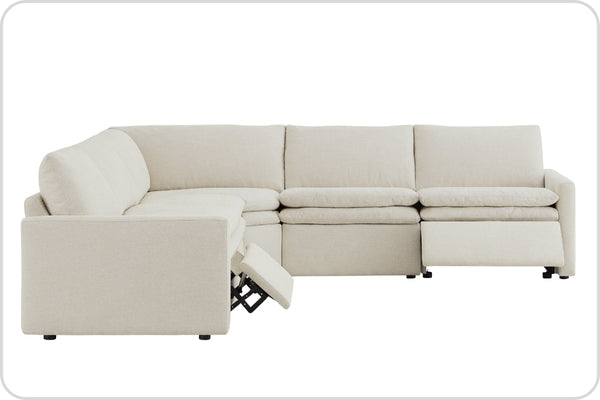
If you want a concrete example, browse a wall-hugger power recliner only after you have confirmed the fit logic above. Its value here is not as proof of every trend claim, but as a practical example of the kind of compact, feature-forward profile many bedroom shoppers are comparing. If you prefer a softer lounge feel, a low-slung power recliner is another navigation point to compare against the room's visual weight.
How to Set Up a Bedroom Corner Recliner Without Crowding the Room
- Measure the corner in its real use state, not just the empty floor area. Check the wall, the doorway, and the furniture the chair sits near.
- Confirm the recline path. A recliner may fit upright and still fail once the footrest opens.
- Try a 45-degree angle if the corner feels tight. Corner placement can turn the recline zone into a more natural triangular footprint and make the room feel less boxed in.
- Add lighting that supports the chair's actual use. A reading lamp or soft floor lamp usually makes the corner feel more deliberate than overhead light alone.
- Keep one small side surface nearby only if you need it. A tiny table or storage cube can help, but extra furniture can make a compact nook feel crowded fast.
The best setup is the one that still feels easy to live with after a week, not just one that looks good on move-in day. If the chair makes everyday movement awkward, the layout needs another pass.
Best Next Steps for Buying a Bedroom Recliner
Before you buy, confirm the full recline footprint, rear clearance, walkway space, finish weight, and whether the extra features match your use case. If you want more styling context, the private retreat guide is a useful next read.
Use this shortlist rule: if the chair fits the corner, matches the room's tone, and solves a real daily habit, it is worth keeping on the list. If it only looks trendy, keep shopping.
For more feature-driven browsing, compare the zero-gravity recliner collection and the broader popular recliners selection to see which style direction fits your room best.
FAQs
How Big Should a Bedroom Corner Recliner Be?
The right size depends on the corner depth, the recline motion, and the room's circulation path. A chair that looks compact in closed form can still feel oversized once it opens, so measure the full footprint before you decide.
What Recliner Style Looks Best in a Modern Bedroom?
Low-profile and tailored shapes usually feel the lightest in a bedroom, especially when the room already has a strong bed frame or layered textiles. The best finish is the one that matches the room's existing warmth and contrast level.
Can a Power Recliner Work in a Small Bedroom?
Yes, if the chair is built for compact placement and the outlet access is practical. Power can be a good fit for a bedroom nook, but it should not make the corner harder to move around or more cluttered to live with.
What Features Matter Most for a Bedroom Recliner?
The most useful features depend on how you use the chair. For reading, a supportive headrest and quiet adjustment matter more; for occasional lounging, a simpler model may be the better call.
Why Do Zero-Gravity Recliners Keep Showing Up in 2026 Trends?
They fit the broader move toward calmer, lounge-forward bedrooms with a more relaxed feel. In trend terms, they signal comfort and modern styling, but they should still be judged by fit and layout first, not by the label alone.