
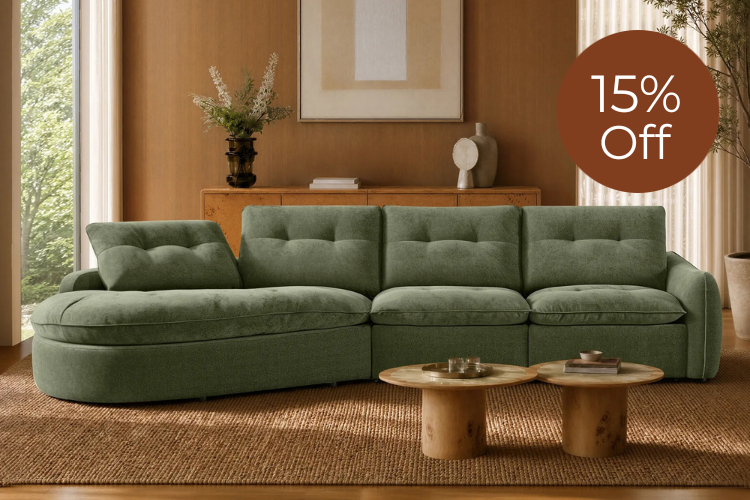
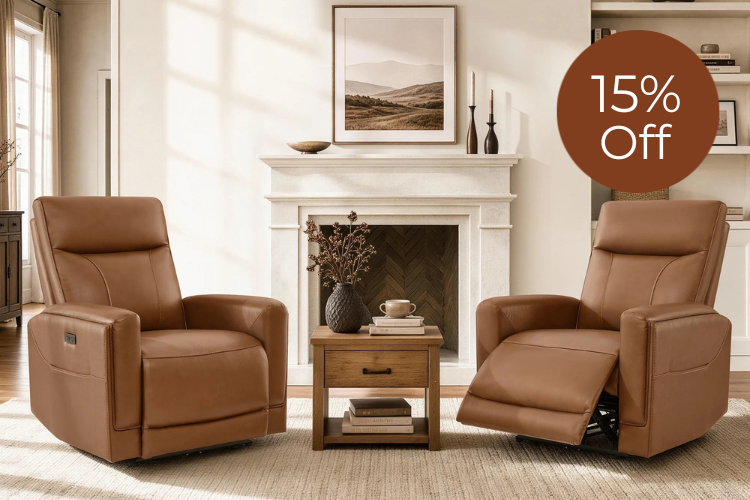
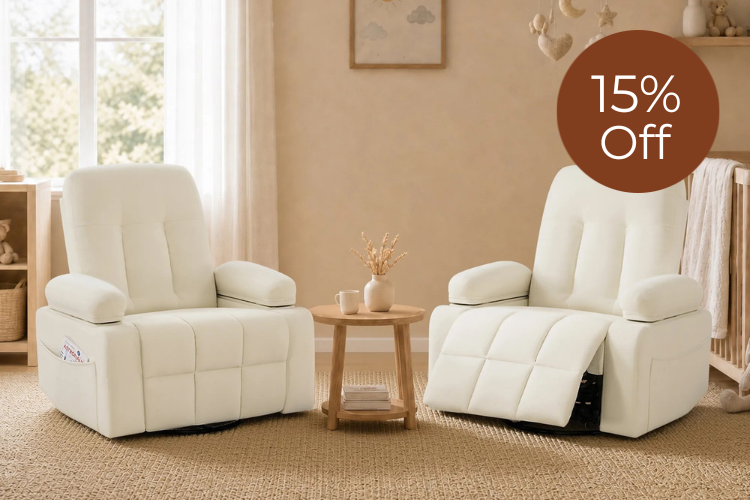
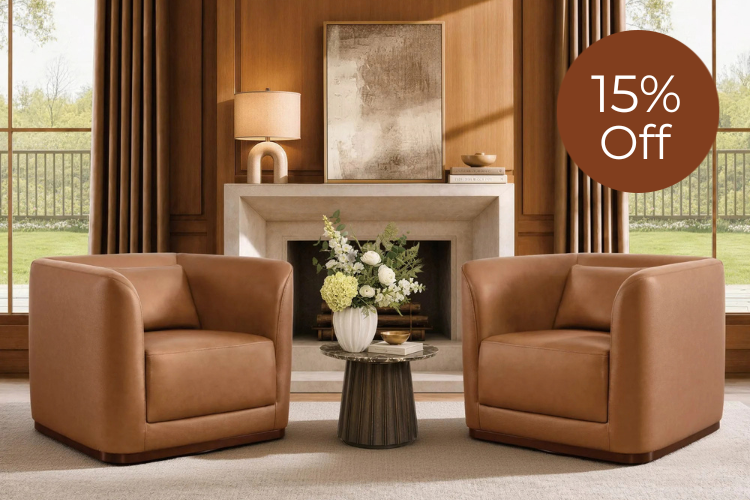








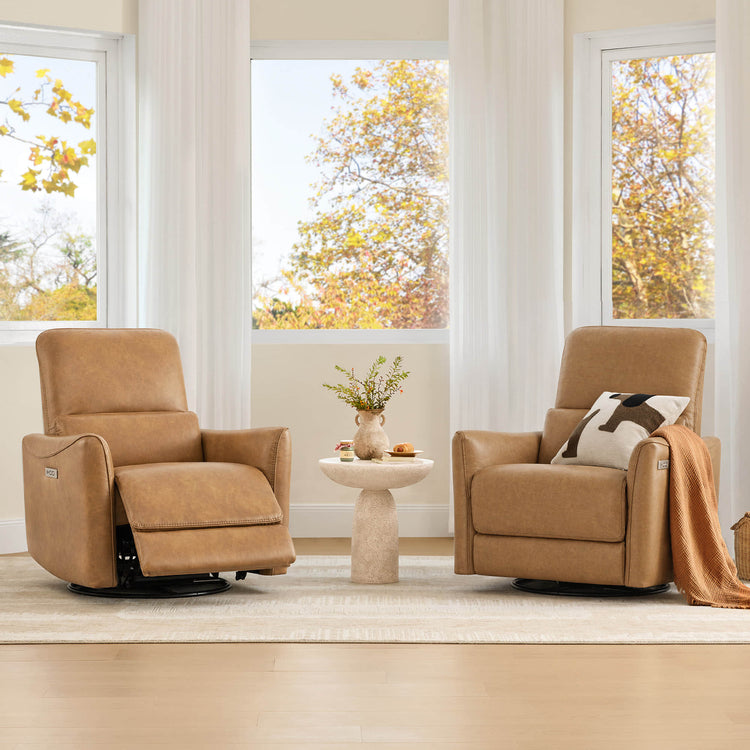
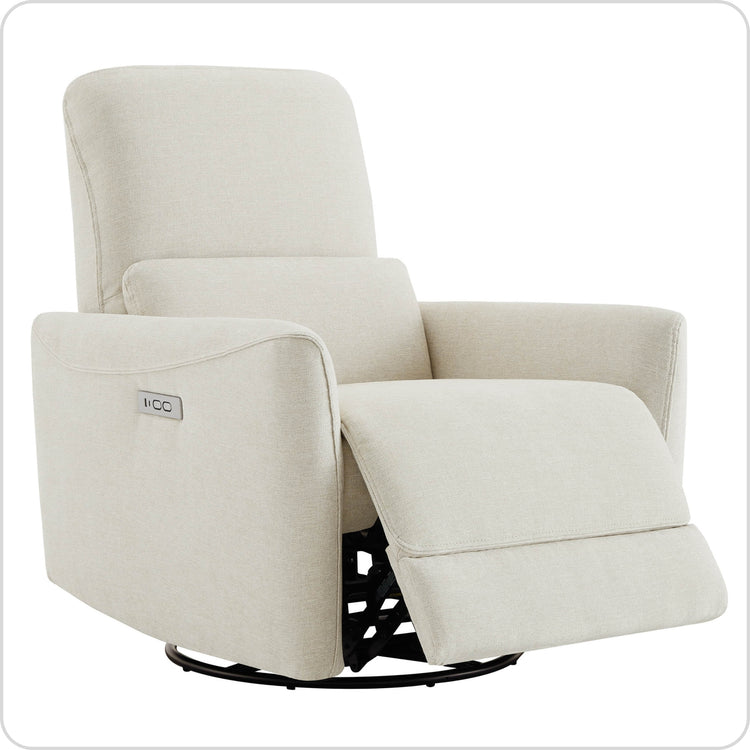
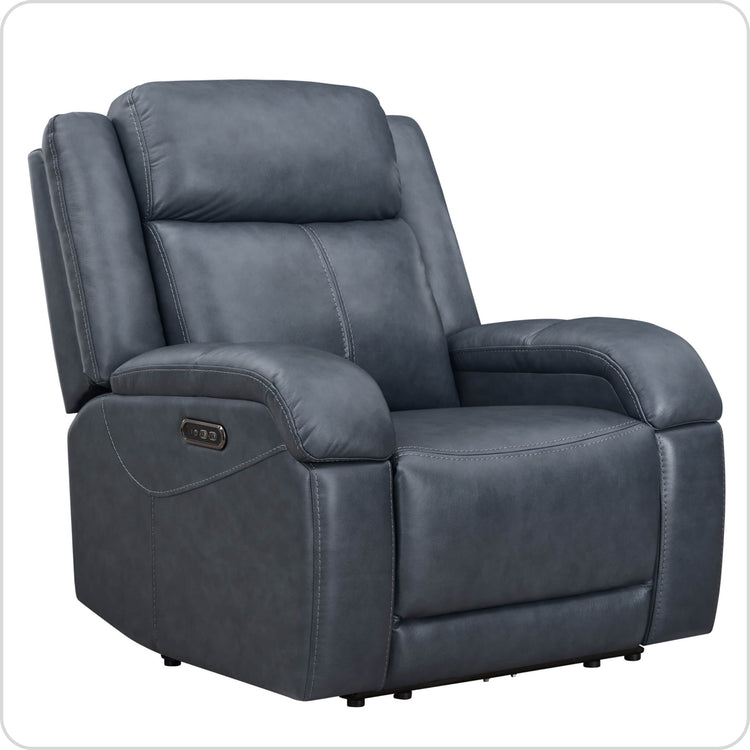
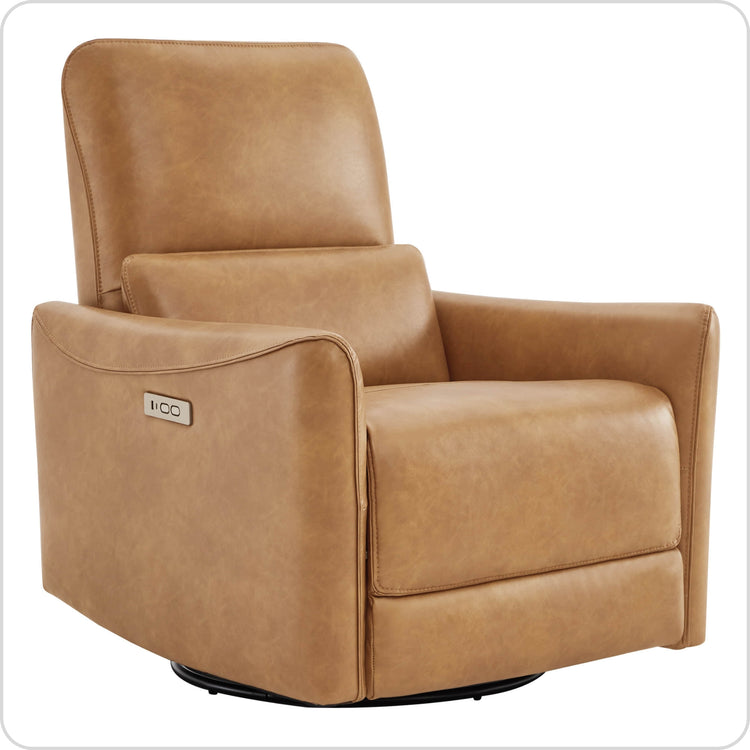


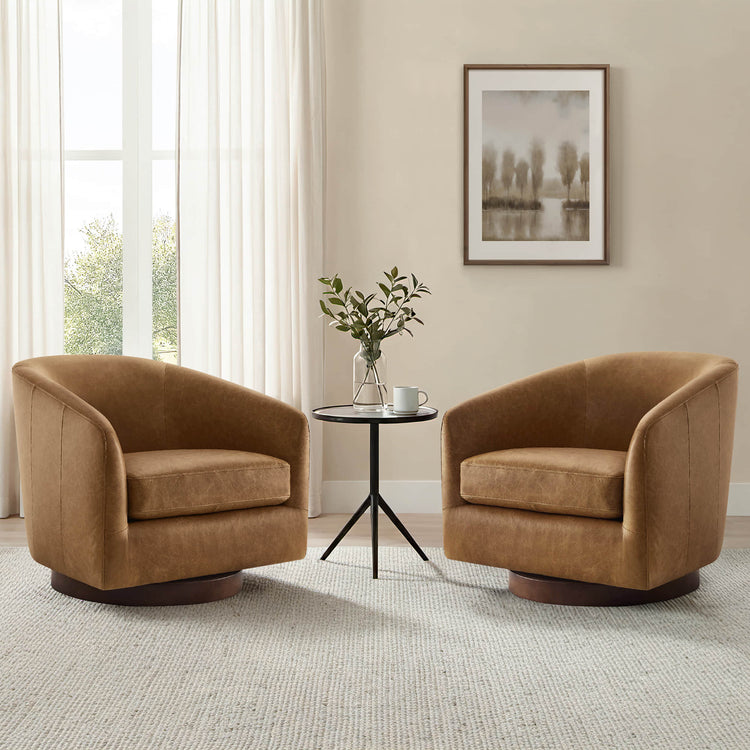
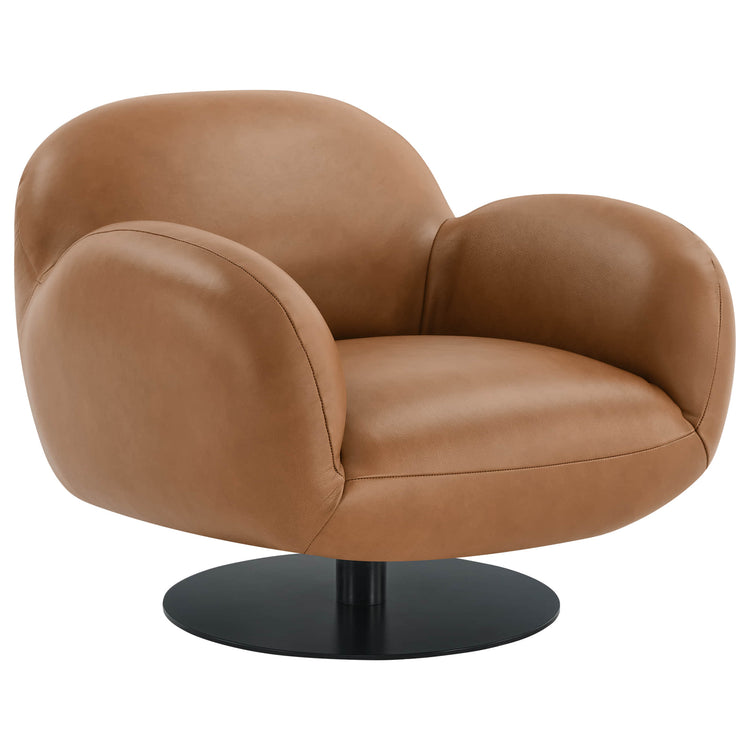
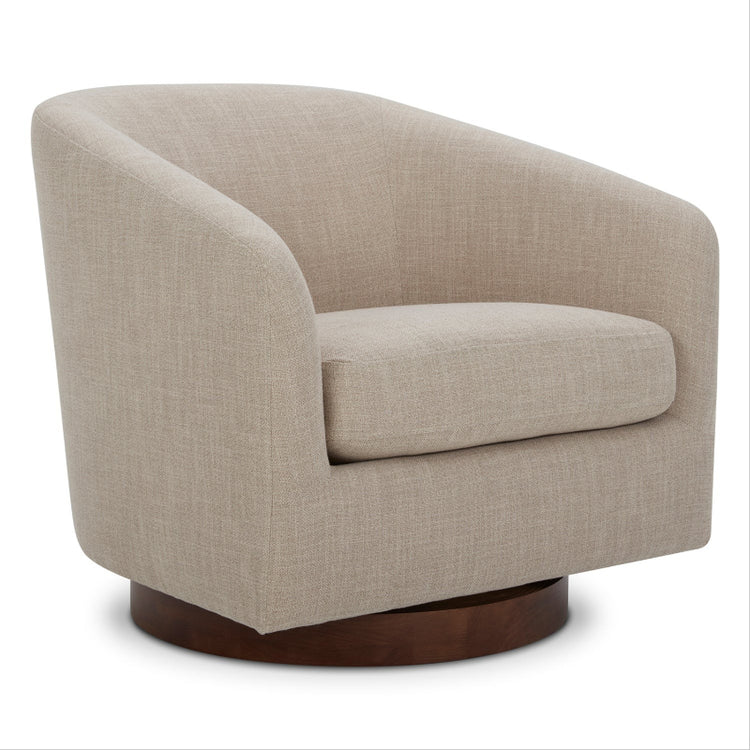

















A power lift recliner can restore safe, independent movement for older adults aging in place while blending into a stylish living room rather than appearing medical. The best lift chair for older adults balances a reliable lift motor, correct ergonomic fit for a safe exit, supportive comfort features, and residential upholstery that matches your home decor. In 2026, models with dual motors, top-grain leather, and wall-hugger designs often deliver the strongest combination of safety and everyday usability for most seniors.

Why Your Living Room Needs a Lift Chair (And Why Style Still Matters)
Many older adults and their families choose lift chairs to reduce fall risk during sit-to-stand transitions, a leading concern for aging in place. According to AARP’s home safety guidance, lift chairs rank among standard recommendations because the powered mechanism gently raises the seat, helping users reach a near-standing position without straining hips or knees (Your Home Checklist for Aging in Place).
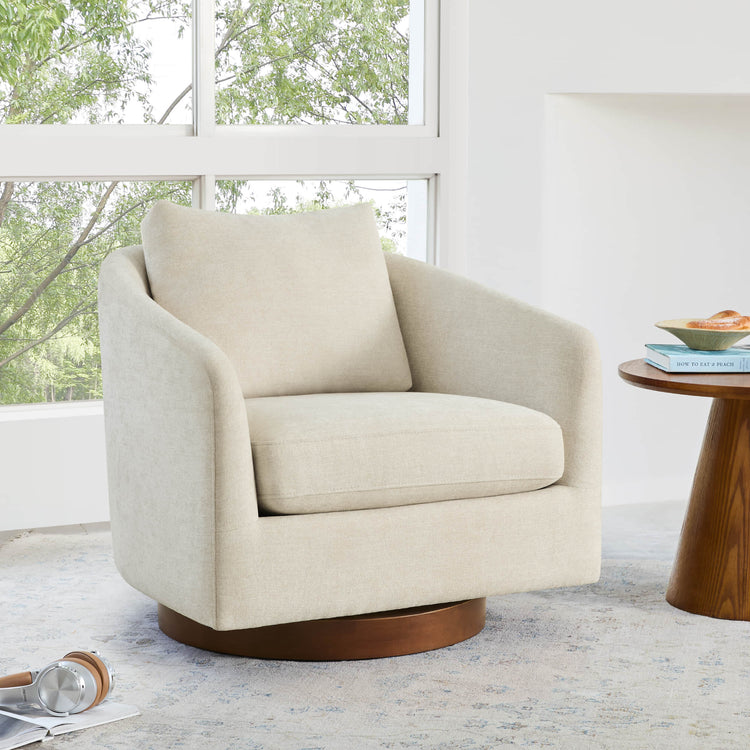
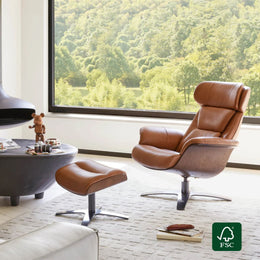
Yet appearance still matters in a shared family living room. The stigma of overtly clinical furniture often leads to regret when a bulky, institutional-looking chair clashes with the room’s design. Modern power lift recliners solve this by using streamlined silhouettes, neutral top-grain leather or performance fabrics, and hidden mechanisms that look like upscale accent furniture. This shift from purely medical devices to wellness-home seating lets seniors maintain dignity and keeps the living room inviting.
For daily TV watching or reading, a well-chosen lift chair supports long hours of comfortable positioning without forcing frequent standing. The key decision is matching the chair to both mobility needs and the room’s aesthetic so it enhances rather than disrupts daily life.
The Mechanics of Independence: Choosing a Reliable Motor and Mechanism
Safety begins with the lift mechanism and motor quality. Industry benchmark UL 962 sets standards for electrical and structural safety in powered furniture, helping ensure the actuator and frame withstand repeated use without failure. Look for chairs that explicitly reference this or equivalent certifications as a signal of reliability.

Single-motor models raise the entire seat in one motion, which works for many users but can feel less precise. Dual-motor designs, such as those in the Davin or Garrison, let you independently adjust the backrest and footrest for customized posture. This flexibility proves especially useful for limited mobility or post-surgery recovery where precise positioning reduces pressure points.
Wall-hugger (zero-clearance) models like the Hadley or Isaac keep the chair close to the wall even when fully reclined. This design maintains clear pathways in smaller rooms, aligning with fall-prevention advice from the National Institute on Aging that stresses unobstructed routes (Preventing Falls at Home: Room by Room). Prioritize stable, smooth lift action over speed; a jerky mechanism can increase anxiety or instability.
Internal resources confirm that understanding these functions helps avoid common mismatches. See our guide to Recliner Functions 101 for a deeper breakdown of power mechanisms.
Ergonomics for Safety: Getting the Fit Right for a 'Safe Exit'
Even the strongest motor cannot compensate for poor sizing. The primary safety check is whether you can sit with feet flat on the floor and knees at roughly a 90-degree angle before the lift begins. This position provides stable leverage and minimizes sliding risk, according to AARP’s HomeFit guidance (AARP HomeFit Guide).
Seats that are too deep force users to scoot forward, creating an unstable starting posture that can increase fall risk during lift. Seats that are too high leave feet dangling, reducing balance. Measure your inseam and hip width or visit a showroom to test multiple models. Our self-check framework recommends testing in your normal clothing and shoes while noting whether you feel secure or need to adjust posture.
A good fit turns the lift into a confident, controlled movement rather than a compensatory struggle. This single factor often determines whether a chair truly supports independence or creates new hazards.
Beyond the Lift: Features for Daily Comfort and Wellness
Once safety and fit are addressed, additional features can improve daily quality of life. Targeted heat and massage functions, available on models like the Garrison, promote circulation and ease muscle tension—benefits many seniors find valuable for arthritis or lower back discomfort. Our article on recliners and lower back pain explains how supportive positioning helps maintain spinal alignment.
Lumbar support and high-density cushioning prevent pressure points during extended sitting. USB ports, cup holders, and side storage (found on the Isaac and Keni) reduce the need to stand repeatedly for small items. Top-grain leather offers durability, breathability, and a refined residential appearance that avoids any institutional feel.
Not every feature justifies the price. Infinite-position dual motors and carbon-fiber heating deliver measurable daily value for long-term users, while flashy extras like phone apps may add cost without proportional benefit for those with limited dexterity. Focus first on features that solve your specific routine before paying for novelty.
Many of these wellness-oriented designs appear in our Beyond Comfort guide, which explores how lift chairs and zero-gravity options support recovery at home.
The Medicare Reality: Managing Costs and Reimbursement Expectations
Medicare Part B may cover up to 80% of the approved cost for the motorized lift mechanism when a doctor prescribes it for severe arthritis of the hip or knee or a neuromuscular condition that significantly impairs mobility (Will Medicare Pay for a Lift Chair?; LCD - Seat Lift Mechanisms (L33801)). Coverage does not extend to the chair frame, upholstery, style upgrades, or additional comfort features.
This distinction creates a common gap: even with partial reimbursement, most of a premium wellness lift chair’s cost remains an out-of-pocket expense. The insight that “Medicare pays for the lift, not the chair” reframes the buying decision from hoping for full coverage to calculating your realistic share and prioritizing features that matter for daily living.
For many families, this makes a private-purchase stylish model the practical choice rather than settling for a basic reimbursed unit that may lack comfort or residential aesthetics. Always confirm current rules with your provider, as eligibility depends on documented medical necessity.
Medicare Coverage vs. Safe Fit Guidelines for Lift Chairs
Visual guide showing that Medicare typically helps only with the lift mechanism while seat fit directly affects standing safety. Use this to set realistic budget and sizing expectations.
View Guideline Table
| Category | Safe/Partial Coverage | Conditional | Risky/Mismatch |
|---|---|---|---|
| Medicare Lift Mechanism | Up to 80% of approved motor cost (with prescription) | Varies by plan | Frame, fabric, features not covered |
| Seat Depth Fit | Feet flat, knees ~90° | Minor adjustment possible | Too deep causes sliding |
| Seat Height Fit | Stable leverage without dangling | Test in shoes | Too high reduces balance |
Derived from Medicare.org policy on lift mechanisms, CMS medical necessity criteria, and AARP HomeFit ergonomic guidelines. Shown as bounded tiers to support realistic 2026 purchasing decisions without implying exact dollar reimbursement or universal sizing.
Choosing Your Chair: A Buyer’s Checklist for 2026
Use this practical checklist to match a lift chair to your mobility level, room layout, and lifestyle:
- Fit first: Confirm feet rest flat and knees form approximately 90 degrees when seated. Test the lift motion; you should not need to scoot or slide.
- Motor and safety: Choose dual-motor or wall-hugger designs for better control and space efficiency. Verify UL 962 or equivalent safety compliance.
- Comfort and wellness: Prioritize lumbar support, targeted heat/massage, and breathable upholstery for daily use. These features often justify the investment for long-term occupants.
- Style and controls: Select residential leather or fabric that complements your decor. Ensure buttons or remotes remain easy to reach even with limited dexterity—the insight that style can look residential yet controls must stay usable prevents hidden-feature frustration.
- Budget reality: Calculate your likely out-of-pocket share after any partial Medicare reimbursement for the mechanism only. Focus spending on features that solve your specific daily frictions.
For smaller living rooms, wall-hugger collections offer practical space-saving options. Premium dual-motor models with heat tend to suit those needing infinite positioning and pain relief, while simpler power-lift designs may suffice for basic mobility support.
Explore our current wall hugger recliners or specific models such as the Garrison Genuine Leather Power Massage & Heat Recliner Lift Chair for premium leather comfort, the Davin Power Lift Assist Infinite Position Recliner for versatile positioning, or the Hadley Modern Zero Wall-hugger Power Recliner for compact spaces. These options illustrate how modern lift chairs can deliver safety without compromising your living room’s style.
Frequently Asked Questions
How much does Medicare actually cover on a lift chair?
Medicare Part B may reimburse up to 80% of the approved cost of the lift mechanism when medically necessary, but it does not cover the chair frame, fabric, style upgrades, or added features such as heat and massage. A doctor’s prescription documenting severe arthritis or neuromuscular disease is required. Most premium wellness models remain largely an out-of-pocket purchase.
What seat dimensions should I look for in a lift chair for seniors?
Aim for a seat height and depth that lets the user sit with feet flat on the floor and knees at roughly 90 degrees. Too-deep seats increase sliding risk; too-high seats reduce stability. Always test in person wearing normal shoes rather than relying on labeled measurements alone.
Do lift chairs really look like normal furniture?
Yes—many 2026 models use top-grain leather, clean lines, and neutral colors that blend with contemporary living rooms. The key is choosing residential silhouettes and avoiding overly bulky designs. Controls should remain visible and reachable rather than completely hidden if dexterity is limited.
Are heat and massage features worth the extra cost?
For daily users with circulation concerns or muscle stiffness, targeted heat and massage can provide meaningful relief and encourage longer comfortable sitting periods. They are often worth the investment when matched to specific needs, whereas generic vibration or app features may add cost with less practical benefit.
Should I choose a single-motor or dual-motor lift recliner?
Dual-motor models allow independent adjustment of the backrest and footrest, offering more precise positioning that benefits users with varying mobility or pain levels. Single-motor versions are simpler and often less expensive but provide less customization.
What makes a lift chair suitable for small living rooms?
Wall-hugger or zero-clearance designs keep the chair close to the wall even when reclined, preserving walkways and reducing trip hazards. Combined with a compact footprint and stable lift, these models support both safety and efficient space use.
Recommended Products


More to Read
 7 Sofa Trends That Actually Improve Comfort in 2026
Upgrade your living room with furniture that supports your body. Here are 7 modern sofa features designed to maximize your daily comfort...
7 Sofa Trends That Actually Improve Comfort in 2026
Upgrade your living room with furniture that supports your body. Here are 7 modern sofa features designed to maximize your daily comfort...
 Mother's Day Gift Guide: Cozy and Stylish Furniture Picks for Modern Moms
Make Mother's Day more meaningful with furniture gifts that bring comfort, smart features, storage, and quiet luxury into her everyday routine.
Mother's Day Gift Guide: Cozy and Stylish Furniture Picks for Modern Moms
Make Mother's Day more meaningful with furniture gifts that bring comfort, smart features, storage, and quiet luxury into her everyday routine.
 Performance Fabric Reality Check: Does It Really Repel Pet Hair and Stains?
Performance fabric is often marketed as a miracle solution for homes with pets and kids, but the reality is more nuanced. It...
Performance Fabric Reality Check: Does It Really Repel Pet Hair and Stains?
Performance fabric is often marketed as a miracle solution for homes with pets and kids, but the reality is more nuanced. It...