




















The Best Swivel Gliders and Power Recliners for Your 2026 Nursery

The best nursery recliner in 2026 combines silent power operation, compact wall-hugging clearance, and ergonomic support that eases long overnight feeds while remaining a stylish, long-term piece for your living room. Prioritize models with published specs under 50 dB, 3-6 inches of rear clearance, and features like power lumbar that align with the 90/90 posture rule for new parents.

Why Your Nursery Chair Is a 2026 Investment
A dedicated nursery recliner is far more than temporary baby furniture. For expecting parents, it becomes a postpartum sanctuary that supports repeated overnight feeding sessions, bedtime soothing, and recovery in a calm, compact space. Regular living room recliners often fail here: they require too much wall clearance, produce noticeable mechanical noise that can wake a sleeping infant, and lack the targeted ergonomic adjustments that reduce strain during long holds.
In 2026, buyer priorities have shifted toward power swivel gliders that deliver smooth, incremental motion instead of abrupt manual levers. These chairs address the core frustrations of small nurseries and extended use—noise sensitivity, limited floor space, spill-prone fabrics, and the need for the piece to transition seamlessly into family living areas years later. Choosing correctly now prevents the common regret of replacing the chair after only 18–24 months.
The 'Silent Power' Standard: Decibels and Clearance
Nursery-grade quiet operation means targeting motors and mechanisms that stay at or below 50 dB, a benchmark that minimizes sleep disruption for light-sleeping infants. Power-swivel mechanisms generally provide smoother, incremental adjustments compared with traditional manual latch systems that can produce audible clunks. However, real-world performance varies, so look for published specifications rather than vague “whisper quiet” marketing claims.
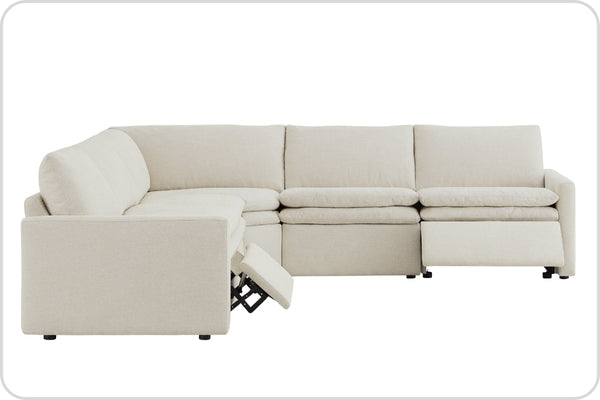
Space constraints are equally critical. Standard recliners often need 12 inches or more of rear clearance to recline fully, forcing them into the center of a small nursery and eating valuable floor space. In contrast, 2026 wall-hugger designs from quality makers target 3–6 inches of clearance, preserving room layout and improving safety by keeping the chair closer to walls.
Nursery Fit Standard: Noise, Clearance, and Adjustment Type
Green bands mark the nursery-fit threshold: quieter than 50 dB and with rear clearance under 6 inches. Published clearance specs and adjustment style are compared across typical chair types to show where compactness and quiet operation begin to slip.
View chart data
| Category | Noise level range (dB) | Rear wall clearance range (in) |
|---|---|---|
| Standard recliner | 45.0 | 12.0 |
| Basic power glider | 48.0 | 10.0 |
| Premium 2026 wall-hugger power swivel | 42.0 | 5.0 |
If noise or clearance specifications are absent from a product page, treat the chair as lower priority for a compact nursery. This measurable standard helps filter options quickly and avoids the common frustration of a chair that must sit awkwardly in the middle of the room.
Ergonomics for Overnight Comfort: The 90/90 Rule
Physiotherapy guidelines recommend choosing a chair that allows your hips and knees to bend at approximately a 90-degree angle with your feet flat on the floor to minimize lower back strain during extended feeding or soothing sessions (The Ergonomics of Breastfeeding). A high backrest—ideally reaching your head—is equally important to prevent neck fatigue during long overnight holds (How To Set Up Your Nursing Throne).
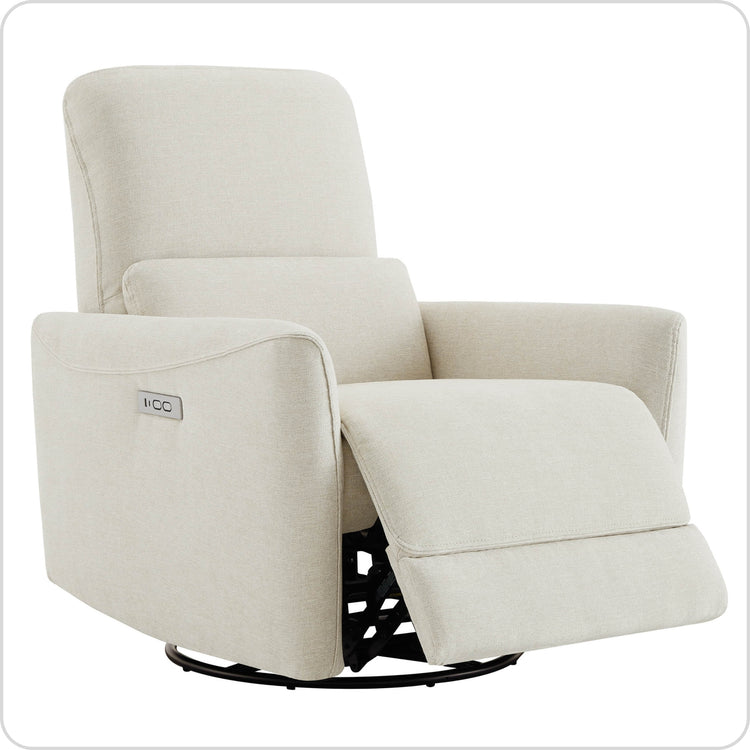
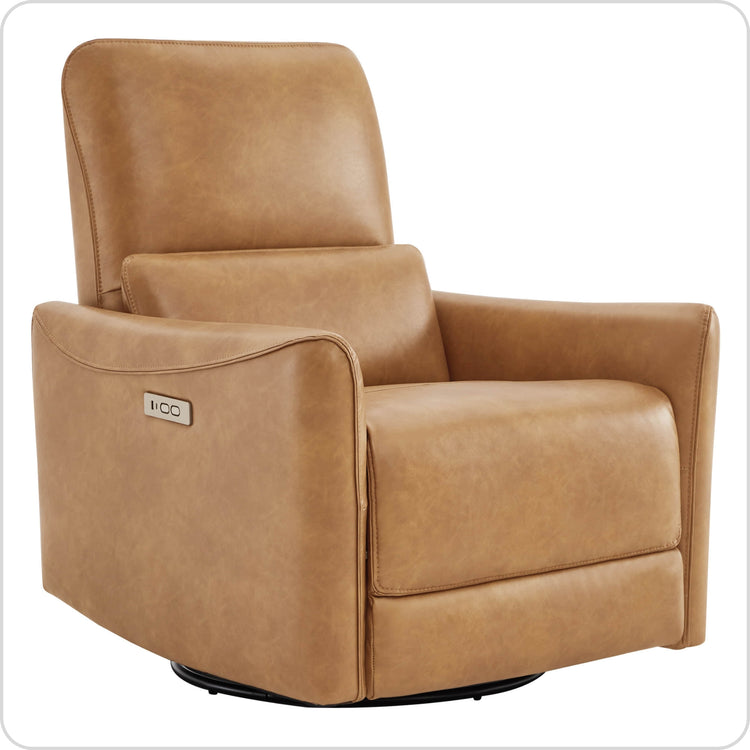
Shorter parents (under 5'4") should verify adequate seat height so feet remain planted for stable rocking. Taller parents (over 6'0") need sufficient back height and depth to support the head and shoulders without slouching. Features like power-adjustable lumbar and headrests, as found on the Vinca Modern Power Swivel Glider Recliner with Power Lumbar & Headrest, provide targeted relief that manual chairs often cannot match.
These ergonomic details matter most for postpartum recovery and frequent nighttime use. A chair that forces poor posture quickly leads to discomfort that can shorten feeding sessions or increase fatigue.

Safety and Cleanability: Beyond the Badge
GREENGUARD Gold certification ensures that furniture meets rigorous standards for low chemical emissions (VOCs), which is specifically designed to protect sensitive individuals like infants (GREENGUARD Certification). CertiPUR-US certified foams are tested for durability and are made without ozone depleters, formaldehyde, or heavy metals like lead and mercury (What is Certified Foam?).
However, these certifications address air quality and foam composition—they do not guarantee liquid-proofing or ban all topical stain treatments. Performance fabrics offer a practical blotting window for breastmilk, formula, or spit-up, but immediate attention is still required. Check for Code W care instructions that allow gentle cleaning with water-based solutions, and consider darker or patterned neutrals that hide stains better over time.
This distinction prevents over-reliance on badges alone. A chair may carry strong certifications yet still demand prompt spill response to maintain appearance and hygiene in a nursery setting.
The Long-Term Play: Transitioning to the Living Room
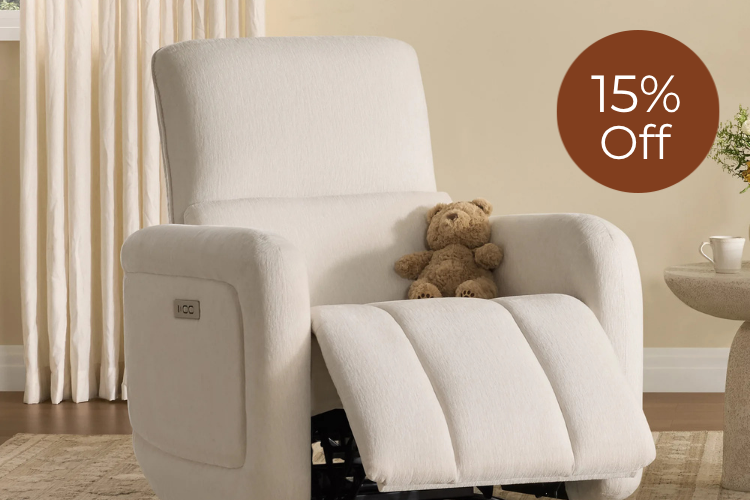
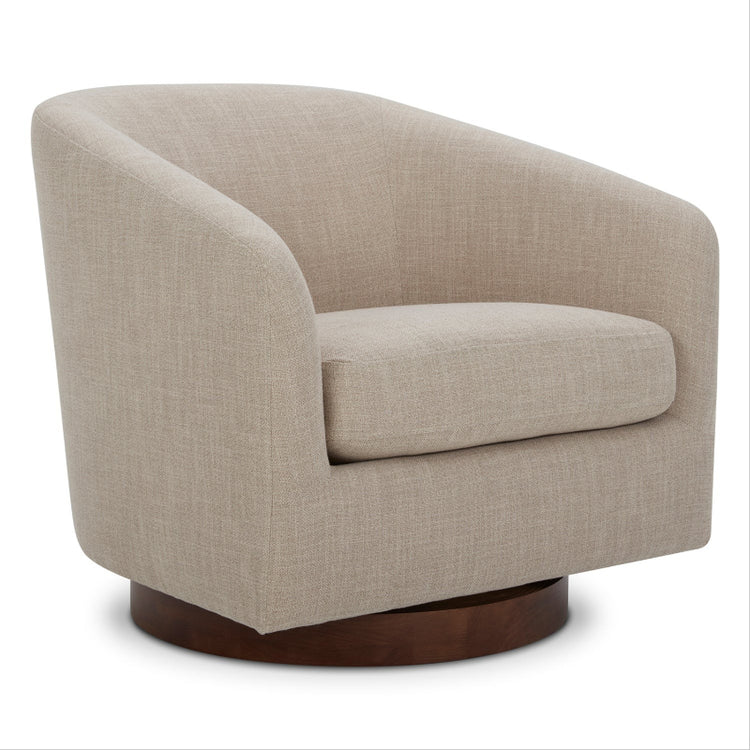
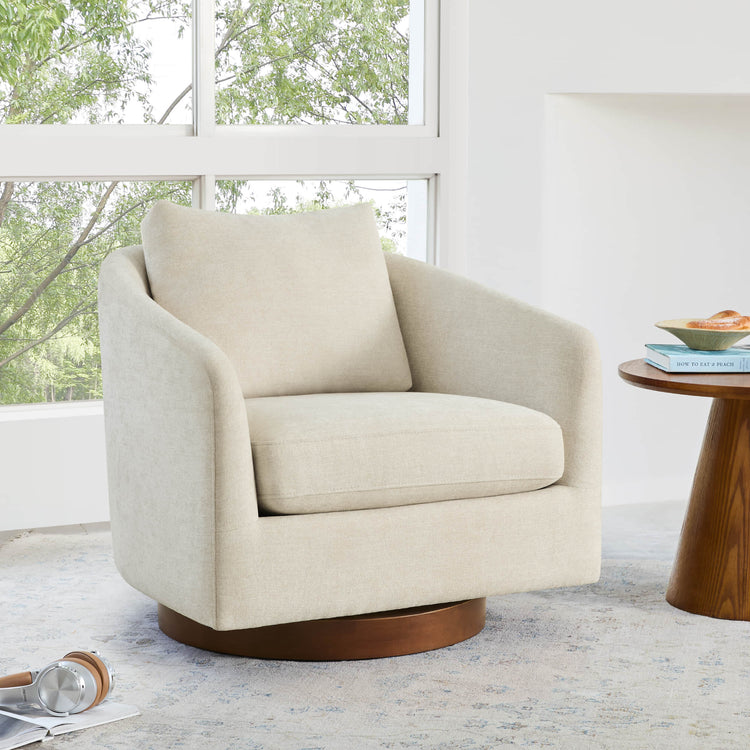
The smartest nursery recliners are designed as 5–10 year household investments rather than short-term baby items. Neutral colors, clean lines, and hidden power controls allow the chair to move from nursery to living room or reading nook without looking out of place. Models like the Theo Power Swivel Glider Recliner or Mila Power Swivel Nursery Glider Recliner emphasize adult-first aesthetics while retaining the swivel, glide, and recline functions that parents value early on.
This long-term mindset changes the buying calculation. Spending more upfront on durable mechanisms, quality upholstery, and versatile design often delivers better value than a budget chair replaced after the toddler years. Consider your “3-year utility versus heirloom” priority when comparing warranties and build quality.
For more on fabric performance that supports this longevity, see our guide to Decoding Upholstery Standards: The 2026 Guide to Performance Fabric Durability.
Decision Guide: Which Chita Recliner Fits Your Nursery?
Match your needs to these standouts from the Chita Living collection of power swivel gliders:
- The Lulla Power Swivel Nursery Glider Recliner with Power Headrest and Nightlight suits midnight feeds best. Its built-in nightlight and power headrest reduce the need to reach for lamps or adjust manually, preserving darkness and calm.
- The Vinca Modern Power Swivel Glider Recliner with Power Lumbar & Headrest is ideal for postpartum recovery. Dual power lumbar and headrest adjustments provide customizable support that aligns with the 90/90 rule and eases back strain.
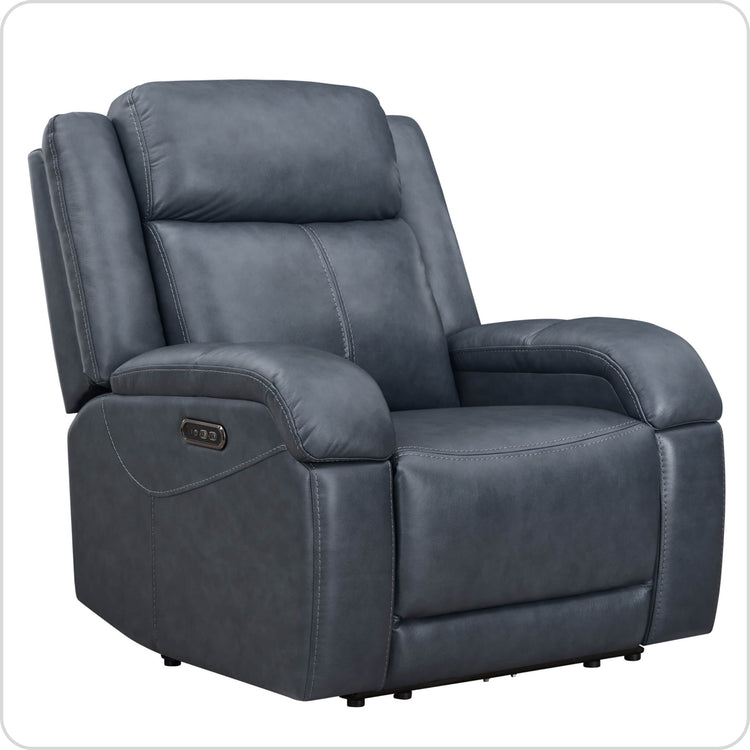
- The Shell Power Swivel Nursery Glider Recliner or Errol Power Swivel Nursery Glider Recliner fit smaller or more traditional nurseries. Their compact footprints and 270° swivel deliver full function without dominating limited space.
Browse the full selection in Swivel Recliners or check the latest arrivals at Recliner Latest. If your room is under 10×10 feet, height falls outside average ranges, or postpartum support is a top concern, verify exact clearance, seat height, and power features before purchase. A quick self-check against the 50 dB, 3–6 inch, and 90/90 benchmarks will confirm the right long-term fit.
FAQ
What noise level is quiet enough for a nursery recliner? Target published ratings at or below 50 dB for nursery-grade performance. Power mechanisms with incremental adjustment typically outperform manual latches, but always confirm specs since exact motor hum can vary by model and room acoustics. Missing ratings warrant caution.
Which features matter most for breastfeeding comfort? Look for a seat height that keeps feet flat, a high backrest for neck support, and adjustable lumbar or headrest. These elements help maintain the recommended 90-degree hip and knee alignment that reduces strain during long sessions.
How much wall clearance does a nursery glider recliner need? Modern 2026 wall-hugger models can operate with just 3–6 inches behind them. Standard recliners often require 10–12 inches or more, which can make them impractical in small nurseries. Published clearance numbers are the only reliable guide.
Are performance fabrics truly spill-proof? Performance weaves resist penetration for a short window, giving you time to blot spills. They are not liquid-proof, so prompt cleaning remains essential. GREENGUARD Gold and CertiPUR-US certifications address emissions and foam safety but do not replace good care habits.
Can a nursery recliner work well after the baby stage? Yes, when you choose neutral designs, durable mechanisms, and adult-scale proportions. Chairs with hidden controls and versatile styling transition easily to living rooms or reading corners, delivering value for 5–10 years instead of only the infant period.
Should I choose manual or power for a nursery? Power swivel gliders usually provide smoother, quieter motion that is less likely to disturb sleep. They also reduce physical effort for tired parents. In small rooms or for postpartum users, the incremental control and easy-stand assistance often outweigh the higher initial cost.
Recommended Products


More to Read
 7 Sofa Trends That Actually Improve Comfort in 2026
Upgrade your living room with furniture that supports your body. Here are 7 modern sofa features designed to maximize your daily comfort...
7 Sofa Trends That Actually Improve Comfort in 2026
Upgrade your living room with furniture that supports your body. Here are 7 modern sofa features designed to maximize your daily comfort...
 Mother's Day Gift Guide: Cozy and Stylish Furniture Picks for Modern Moms
Make Mother's Day more meaningful with furniture gifts that bring comfort, smart features, storage, and quiet luxury into her everyday routine.
Mother's Day Gift Guide: Cozy and Stylish Furniture Picks for Modern Moms
Make Mother's Day more meaningful with furniture gifts that bring comfort, smart features, storage, and quiet luxury into her everyday routine.
 Performance Fabric Reality Check: Does It Really Repel Pet Hair and Stains?
Performance fabric is often marketed as a miracle solution for homes with pets and kids, but the reality is more nuanced. It...
Performance Fabric Reality Check: Does It Really Repel Pet Hair and Stains?
Performance fabric is often marketed as a miracle solution for homes with pets and kids, but the reality is more nuanced. It...