
































Sofa Seat Depth and Cushion Firmness: A Practical Fit Guide

A sofa can feel too deep with one back cushion and just right with another. Softer seat cushions also compress more under you, changing the height and feel of the seat. Compare usable depth and cushion construction together before choosing a lounging sofa.
Measure usable seat depth
Measure from the front edge of the seat to the front surface of the back cushion, with the back cushion in its normal position. Keep the tape aligned with the seating area you use. Record a separate measurement for a chaise or corner seat.
Overall depth is the distance occupied by the whole sofa, including its frame and back. Use that measurement for the room layout. Use usable seat depth for the space your body occupies. Our sofa seat depth and height guide covers the basic measurements.
- Measure a sofa or chair you already enjoy using.
- Record seat depth with the usual back cushions in place.
- Sit down and allow the cushion to compress.
- Check foot support, the space behind your knees, and how easily you can stand.
- Repeat in your lounging position, including any pillow you normally use.

Match depth to the way you sit
| Usual position | What to look for | What to try |
|---|---|---|
| Upright sitting | Back contact with supported feet | Sit all the way back and check for pressure behind the knees. |
| Curled-up reading | Enough clear width and depth for your legs | Try the position with the armrest and a reading pillow. |
| Leaning back with feet up | Support along your back and legs | Include the ottoman or chaise and check the room footprint. |
| Shared family seating | Different ways to adjust the fit | Compare back pillows, adjustable backs, and seats of different depths. |
If a candidate sofa has a 24-inch usable seat, compare that measurement with your current furniture and test your usual sitting position. People of the same height can have different leg proportions, sitting habits, and preferences for cushion compression. For upright sitting, chair-height and foot-support checks from the Canadian Centre for Occupational Health and Safety help you assess whether your feet and back remain supported. Our reading-chair ergonomics guide adds checks for arm support when holding a book.

Firmness and foam density measure different things
Foam firmness describes its resistance when compressed. IFD, or indentation force deflection, is a test measurement used for foam; ILD is another term you may encounter in product descriptions. To compare numbers, check the test method and sample conditions.
Density is the foam's mass per unit volume, often expressed as pounds per cubic foot. The Polyurethane Foam Association describes density and firmness as separate properties. A dense foam can still feel soft.
The complete cushion also includes its thickness, layers, wraps, cover tension, and the support beneath it. Ask for the cushion construction and any available density or firmness information together. Treat a brand's own soft-to-firm scale as a way to compare the models covered by that scale. When comparing modular sofa configurations, check those details for the individual seat and cushion types in your layout.
Compare cushion constructions
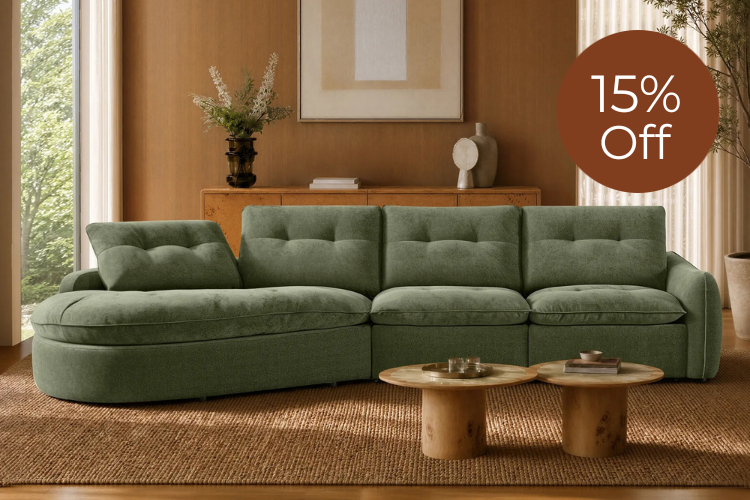
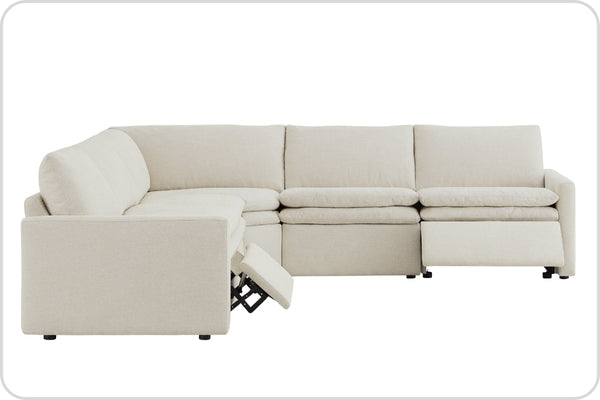
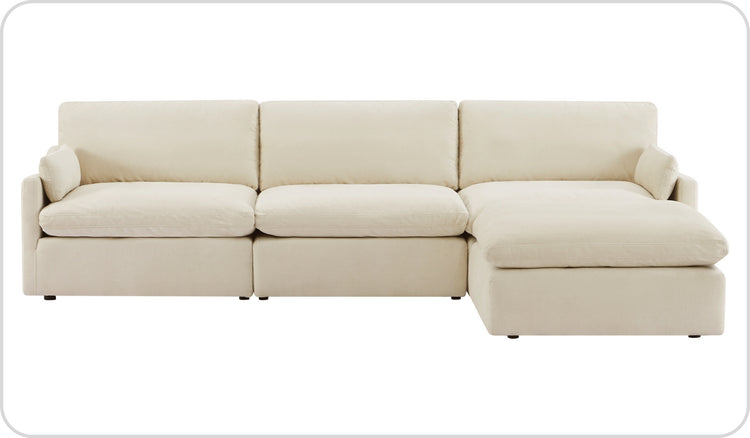
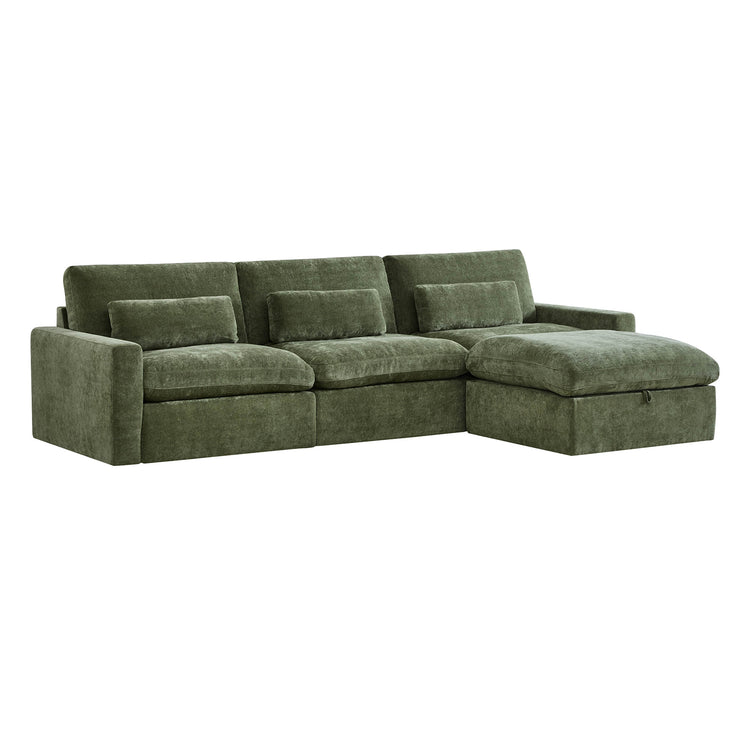
A foam core with a fiber wrap combines a shaped center with a softer surface. A feather or down blend may be used around a core or within another cushion structure. Ask which part contains each material, especially when a listing describes the sofa simply as down-filled. Our Delaney modular sectional provides a specific example: its listing describes a foam seat cushion topped with polyester and a soft-fiber back cushion.
Loose-fill cushions usually need reshaping to redistribute their filling. Follow the model's instructions for fluffing and rotation. Fixed cushions and one-sided cushions have different maintenance options from reversible loose cushions.

Adjust a sofa that feels too deep or too soft
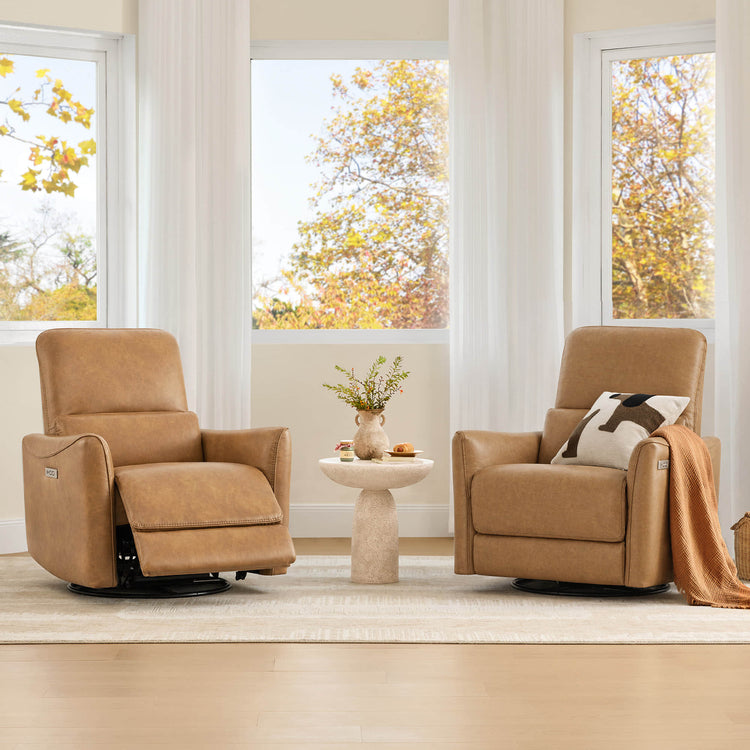
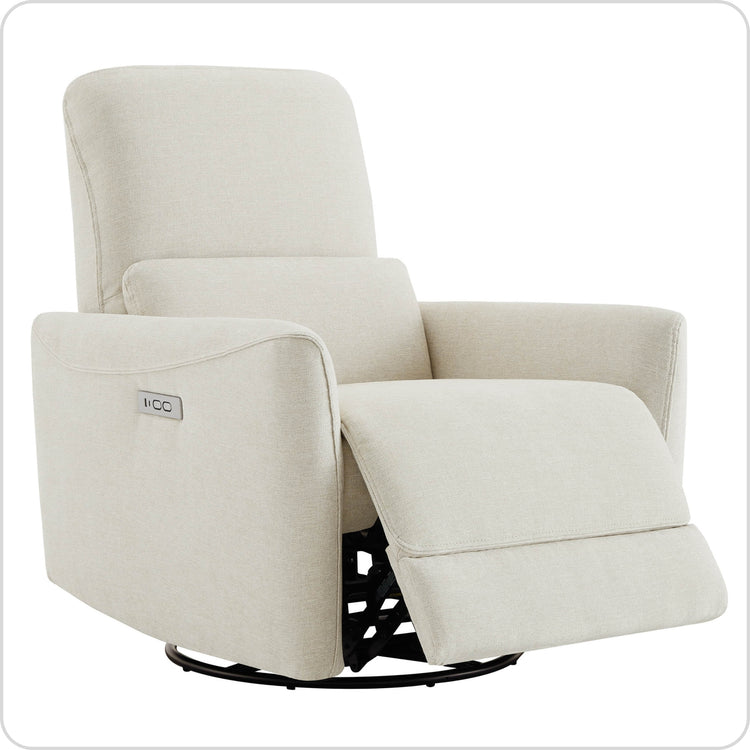
A supportive back pillow can move the point of back contact forward. Try it in your normal position and check that you still have enough seat area. Our Ace adjustable-backrest sofa also offers an adjustable backrest; compare the usable depth in each position.
If a cushion has changed noticeably, inspect the removable cushion and the seating support separately. A flattened insert, displaced filling, and a sagging support platform call for different responses. Contact us with the model and photographs before adding a rigid board or altering the cushion.
FAQs
Is 22 inches a comfortable seat depth?
It may suit your upright position. Compare it with a seat you use comfortably, then check back contact, supported feet, and free space behind the knees.
Does higher-density foam always feel firmer?
No. Density and firmness are separate specifications. Cushion thickness, layers, and the supporting frame also affect the finished sit.
Which cushion is best for napping?
Choose by the support and surface feel you prefer when lying in your usual position. Check the usable length and arm height as well as the filling.
How often should I fluff cushions?
Follow the model's care instructions and reshape loose filling when it shifts during use. Check whether the cushions can also be rotated or reversed.
Recommended Products


More to Read
 7 Sofa Trends That Actually Improve Comfort in 2026
Upgrade your living room with furniture that supports your body. Here are 7 modern sofa features designed to maximize your daily comfort...
7 Sofa Trends That Actually Improve Comfort in 2026
Upgrade your living room with furniture that supports your body. Here are 7 modern sofa features designed to maximize your daily comfort...
 Mother's Day Gift Guide: Cozy and Stylish Furniture Picks for Modern Moms
Make Mother's Day more meaningful with furniture gifts that bring comfort, smart features, storage, and quiet luxury into her everyday routine.
Mother's Day Gift Guide: Cozy and Stylish Furniture Picks for Modern Moms
Make Mother's Day more meaningful with furniture gifts that bring comfort, smart features, storage, and quiet luxury into her everyday routine.
 Performance Fabric Reality Check: Does It Really Repel Pet Hair and Stains?
Performance fabric is often marketed as a miracle solution for homes with pets and kids, but the reality is more nuanced. It...
Performance Fabric Reality Check: Does It Really Repel Pet Hair and Stains?
Performance fabric is often marketed as a miracle solution for homes with pets and kids, but the reality is more nuanced. It...