









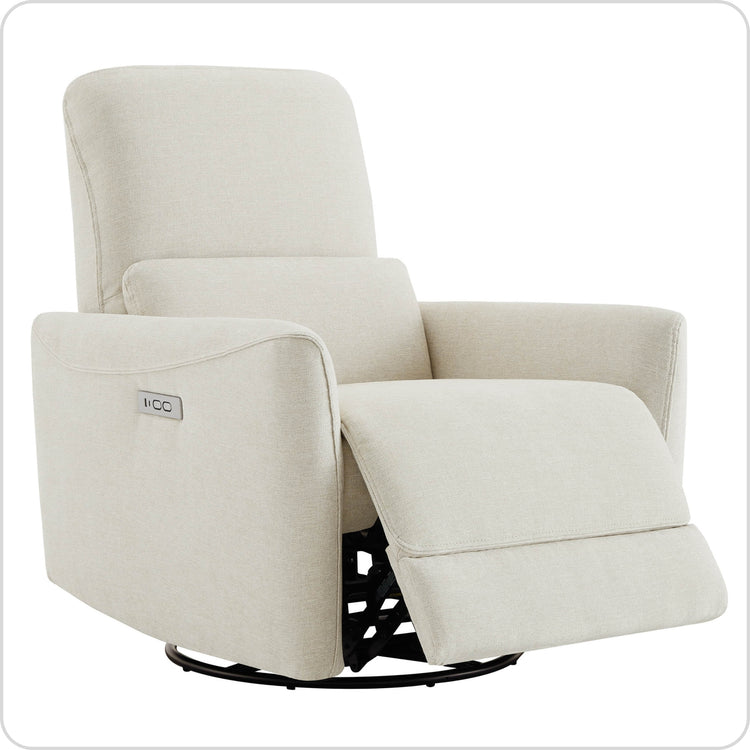
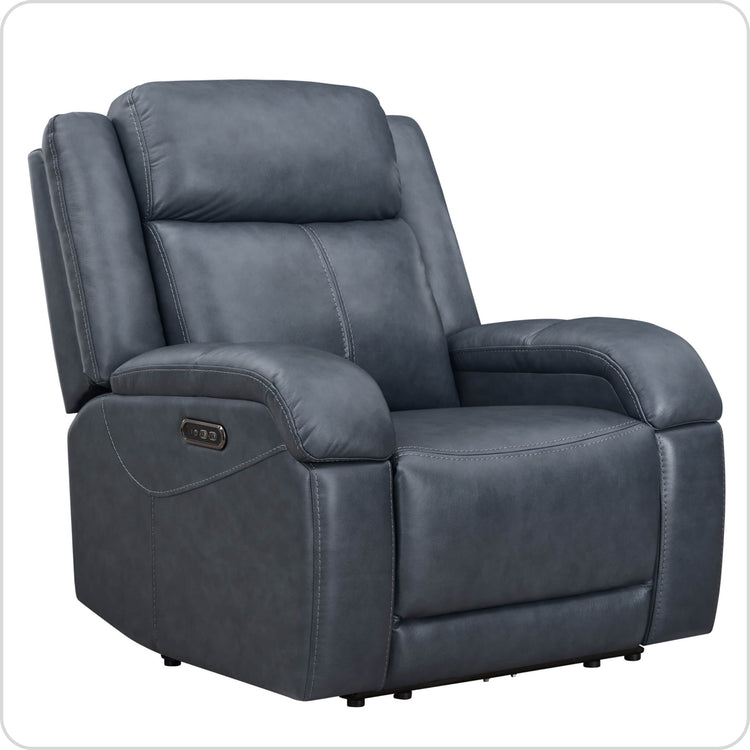
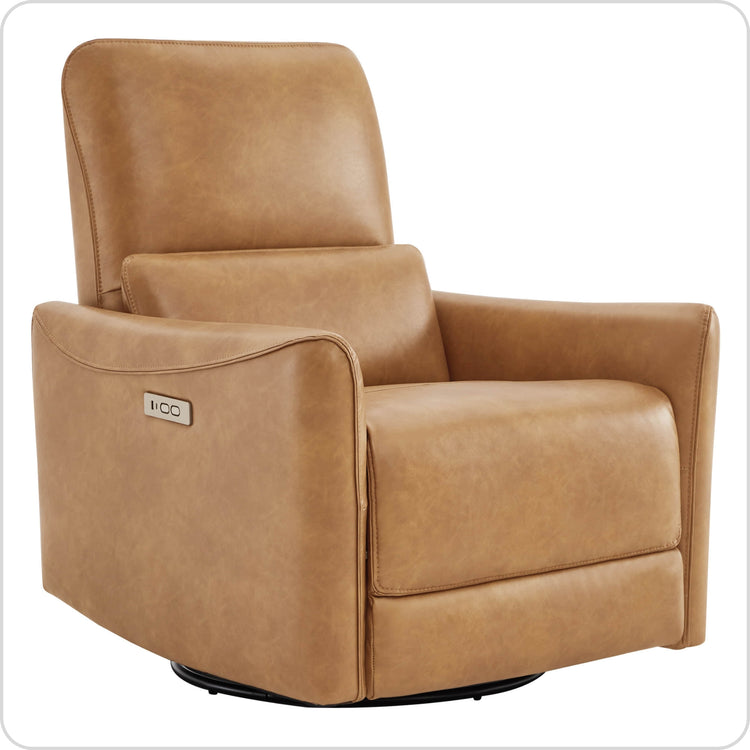


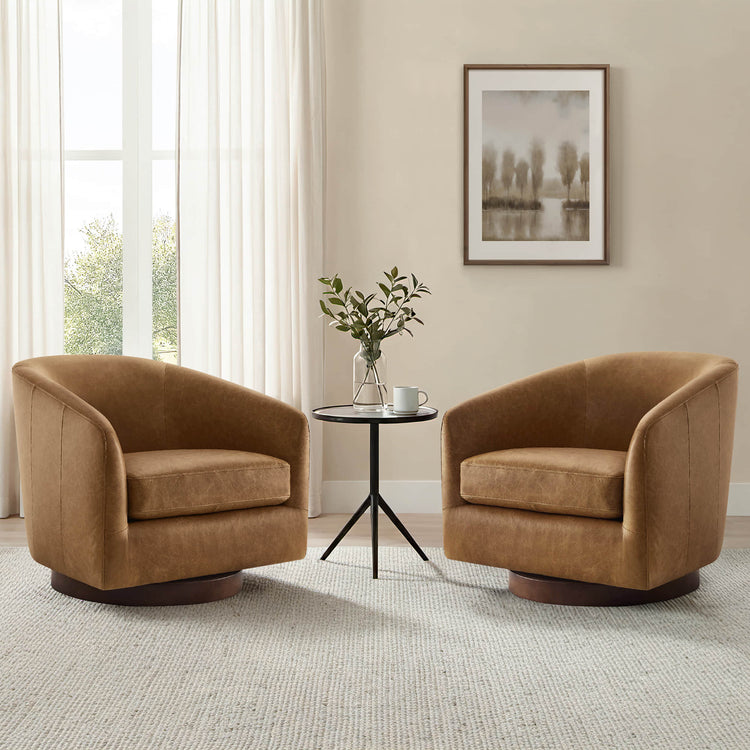
















Finding the perfect seat is about more than just matching your decor—it is about investing in your long-term physical well-being. A high-quality recliner chair is a sanctuary of comfort, but choosing the wrong one can lead to poor posture and lingering aches. Today's modern designs have evolved past the clunky, overstuffed eyesores of the past. Homeowners can now select stylish, ergonomic recliner chairs that offer medical-grade spinal support without sacrificing contemporary aesthetics. Whether you are seeking a cozy reading spot or a supportive haven after a long day, understanding the fundamentals of anatomy and mechanics is key to selecting a piece that genuinely cradles your back, neck, and joints.
Ergonomic Anatomy of a Recliner: How Lumbar Support and Headrest Alignment Relieve Strain
Standard seating often forces the lower spine to slump, flattening the natural curve of the lumbar region and placing undue pressure on the intervertebral discs. When searching for recliners with lumbar support, look for designs that mirror the natural S-curve of your spine. This critical support alleviates muscle tension in the lower back, reducing the risk of spasms and fatigue. Additionally, neck strain is a common complaint among those who spend long hours reading or watching TV in a partially reclined position. A proper reclining chair should feature an adjustable or well-padded headrest that pushes the head slightly forward, maintaining alignment with the shoulders. For those dealing with existing physical discomfort, understanding the root cause is crucial; explore our guide on are recliners good for lower back pain to learn how a well-engineered seat can alleviate pressure and promote long-term recovery.
- Lumbar support preserves the natural S-curve of the spine to prevent herniation risk.
- Adjustable headrests prevent forward head posture and neck strain while lounging.
- Proper neck alignment ensures structural support during reading or watching TV.

The Mechanism Breakdown: Manual, Swivel Gliders, and Multi-Zone Power Recliners
Selecting the right mechanism is a balance of lifestyle needs and physical requirements. Manual push-back recliners offer a sleek, wireless silhouette but require body strength to operate, which may not be suitable for individuals suffering from joint pain or limited mobility. Multi-zone power recliner models, on the other hand, allow you to adjust the footrest, headrest, and lumbar support independently with the touch of a discreet button. This precise control helps users find their unique zero-gravity angle, distributing body weight evenly to improve circulation. For those who prioritize gentle motion, incorporating a nursery glider recliner or a swivel glider into your living room can offer incredible versatility. If you are torn between traditional motion and specialized gliding, our comprehensive breakdown of recliners vs glider recliners will help you weigh the distinct movement profiles of each mechanism to make the right choice for your household.
- Manual recliners are sleek and wireless but require physical strength to operate.
- Power recliners offer customizable, independent multi-zone support at the touch of a button.
- Swivel and glider options add multi-directional movement for dynamic room interactions.
Ergonomic Recovery: Choosing a Glider Recliner for Nursing and Breastfeeding Posture
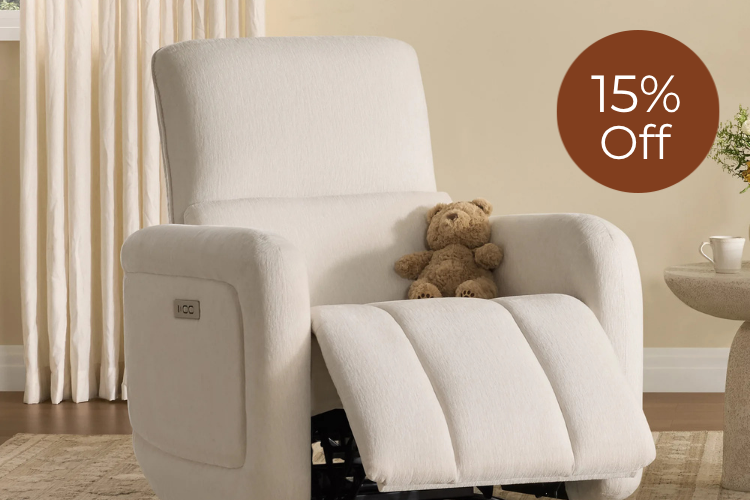
The physical demands of the postpartum period make ergonomic seating an absolute necessity rather than a luxury. For parents designing a nursery, a supportive chair must prevent slouching during long, late-night feeding sessions. Maintaining an upright chest and having robust arm support helps relieve the heavy strain on the upper back, shoulders, and neck. When evaluating these specialized seats, consulting a nursery recliner buying guide can help you identify features like whisper-quiet motors, soft performance fabrics, and smooth, effortless glides. The right combination of structured cushioning and smooth gliding motion supports both parent and baby, making feedings a comfortable, bonding experience.
- Firm armrests reduce neck and shoulder strain during nursing and breastfeeding.
- Whisper-quiet gliding prevents waking a sleeping infant.
- Proper spinal alignment supports postpartum recovery and abdominal healing.
Cost vs. Quality: Getting Solid Wood Frames and High-Density Foam Without the Markup
Many consumers assume that high-quality, orthopedic-grade support requires a luxury showroom price tag. However, the true value of a reclining chair lies in its engineering and materials, not a high brand markup. A durable recliner must start with a solid wood frame—such as kiln-dried hardwood or rubberwood—with reinforced joinery. This prevents warping and ensures the heavy steel reclining mechanisms do not loosen or squeak over time. For cushioning, look for high-density polyurethane foam wrapped in polyester fiber or down, which offers resilient, sag-free comfort that contours to your body. By opting for direct-to-consumer brands that prioritize sourcing these premium materials, you can invest in a durable, health-supportive chair that lasts for years without paying inflated retail markups.
- Kiln-dried solid wood frames prevent mechanical squeaking and structural warping.
- High-density foam ensures the seat maintains its shape and support over years of use.
- Direct-to-consumer models offer premium engineering without inflated retail price tags.
High-Leg, Modern Profiles: Finding a Recliner That Enhances Your Contemporary Decor
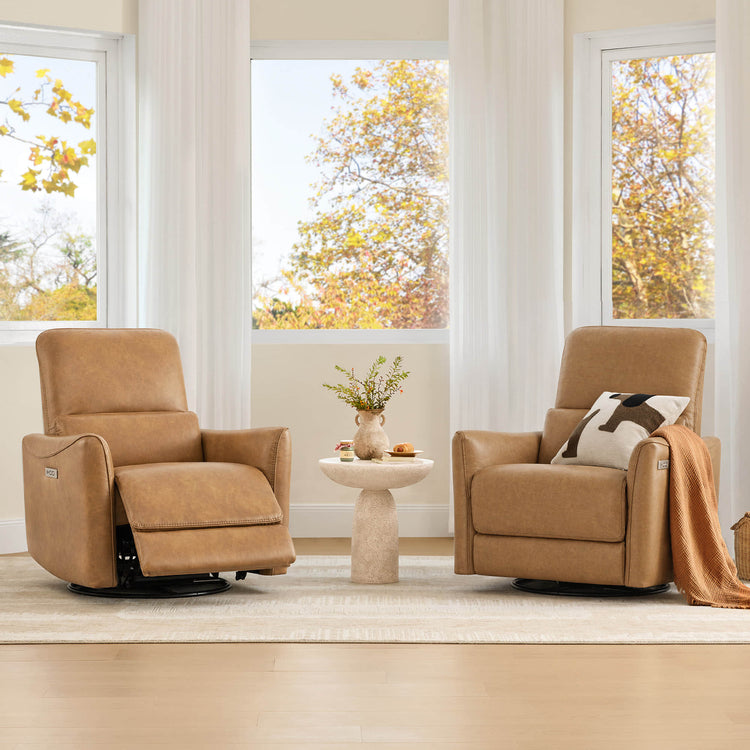
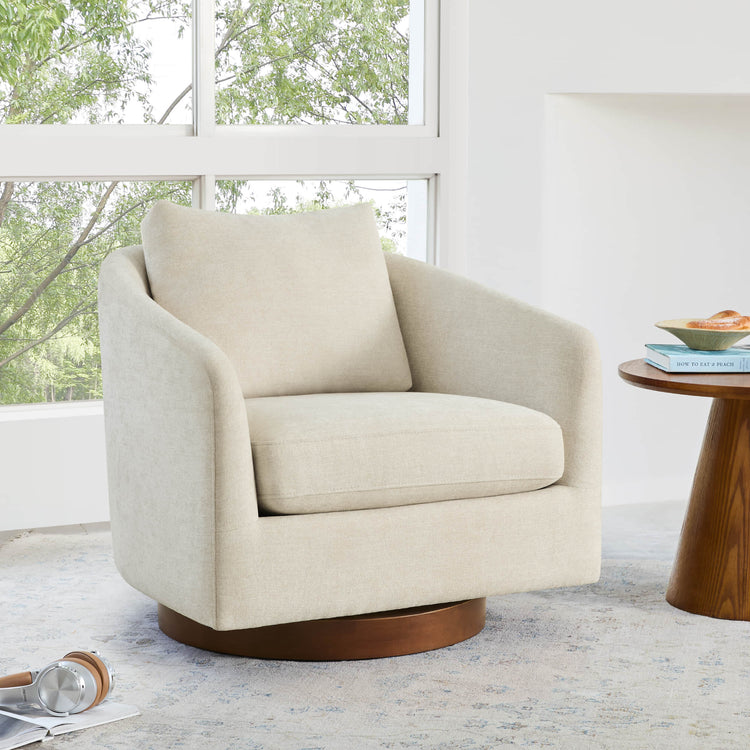
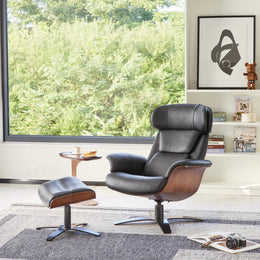
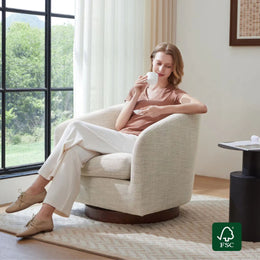
Gone are the days when buying a reclining chair meant compromising on your home's design aesthetic. Modern engineering allows manufacturers to build sleek, high-leg profiles that look like high-end stationary accent chairs, hiding the metal reclining frames completely within the structure. To keep your living room looking fresh and cohesive, pair your seating with durable, pet-friendly performance fabrics that resist stains and claw marks, or choose luxurious top-grain leather that wears beautifully over time. Investing in a stylish, health-conscious setup doesn't mean compromising on convenience. For instance, selecting an advanced power recliner equipped with built-in USB ports ensures you can recharge your devices while enjoying deep, restorative relaxation.
- High-leg modern designs hide reclining mechanisms in plain sight.
- Performance fabrics provide stain and wear resistance for active households.
- Integrated tech features like USB charging add functional, everyday convenience.

Sizing Layout Guide: How to Measure Room Clearance for Perfect Placement
Even the most comfortable chair will feel frustrating if it crowds your room or hits nearby walls when reclined. Before making a purchase, measure both your available floor space and the physical dimensions of the chair when fully opened. Traditional recliners require at least 12 inches of rear clearance from the wall to recline comfortably. If you are working with limited square footage, a wall-hugger or space-saving design is a much better fit, requiring only 4 to 6 inches of clearance. Ensure there is also ample space in front of the chair for the footrest to extend fully, keeping pathways clear so the room maintains a natural, open traffic flow.
- Traditional recliners need 12+ inches of wall clearance to open fully.
- Wall-huggers are perfect for tight layouts, requiring only 4 to 6 inches of rear space.
- Always verify front footrest extension dimensions to keep main walking paths clear.
Conclusion
Choosing the ideal recliner chair is a highly personal decision that balances physical health, mechanical preference, and design styling. By understanding the role of built-in lumbar support, opting for sturdy kiln-dried solid wood frames, and selecting the perfect mechanism for your daily life, you can transform your home into a sanctuary of recovery and relaxation. Prioritizing high-quality materials and smart engineering will guarantee years of everyday comfort.
Frequently Asked Questions
Are recliners actually good for back pain and herniated discs?
Yes. Recliners with proper, built-in lumbar support can reduce spine tension by distributing weight evenly, especially when angled to elevate the feet or when configured to a zero-gravity position.
What is the difference between a glider recliner and a traditional rocker?
A rocker moves in an arched, back-and-forth motion, while a glider moves smoothly along a flat horizontal track. Gliders are highly recommended for nurseries because they offer a gentler movement for soothing babies during nursing.
How much clearance does a wall-hugger recliner need?
Wall-hugger recliners are designed for small spaces and typically only require 4 to 6 inches of clearance from the wall to fully recline, compared to standard recliners which need 12 inches or more.
Is a solid wood frame necessary for a reclining chair?
Yes. Because recliners contain heavy, moving mechanical components, a solid wood frame provides the essential structural durability and structural longevity required to prevent warping or loosening over time.

Recommended Products


More to Read
 7 Sofa Trends That Actually Improve Comfort in 2026
Upgrade your living room with furniture that supports your body. Here are 7 modern sofa features designed to maximize your daily comfort...
7 Sofa Trends That Actually Improve Comfort in 2026
Upgrade your living room with furniture that supports your body. Here are 7 modern sofa features designed to maximize your daily comfort...
 Mother's Day Gift Guide: Cozy and Stylish Furniture Picks for Modern Moms
Make Mother's Day more meaningful with furniture gifts that bring comfort, smart features, storage, and quiet luxury into her everyday routine.
Mother's Day Gift Guide: Cozy and Stylish Furniture Picks for Modern Moms
Make Mother's Day more meaningful with furniture gifts that bring comfort, smart features, storage, and quiet luxury into her everyday routine.
 Performance Fabric Reality Check: Does It Really Repel Pet Hair and Stains?
Performance fabric is often marketed as a miracle solution for homes with pets and kids, but the reality is more nuanced. It...
Performance Fabric Reality Check: Does It Really Repel Pet Hair and Stains?
Performance fabric is often marketed as a miracle solution for homes with pets and kids, but the reality is more nuanced. It...